Benefits of Glutathione Production Technology in Industry
Modern industrial Glutathione Production Technology is a huge step forward in biotech manufacturing, offering safety, speed, and sustainability that have never been seen before. Manufacturers can now get rates of 8–10 g/L in fermentation broth by using advanced microbial fermentation methods, especially metabolically designed Saccharomyces cerevisiae strains. This means that 8–15% of the dry weight of the cells can be accumulated inside them. The new method gets rid of the unwanted parts and harmful chemicals that are left over from old chemical synthesis methods. This makes sure that the finished product has at least 98.5% reduced glutathione (GSH) and very little oxidized GSSG and endotoxin, which is in line with USP/EP guidelines for pharmaceutical quality. The benefits go beyond purity: as production increases, prices drop greatly; the environment benefits from less chemical waste; and the products can be used in more areas, such as medicines, dietary supplements, cosmetics, and functional foods.


Understanding Industrial Glutathione Production Technology
Biosynthesis in industry has changed a lot, and now microbial fermentation is the main way that glutathione is made for sale. This change fixes some of the most important problems with older methods and sets the stage for scalable, legal output.
Primary Production Methods in Modern Industry
Modern production methods include chemical synthesis, enzymatic synthesis, and microbial fermentation. Fermentation, using GRAS-approved yeast, converts glucose and amino acids into glutathione through whole-cell biocatalysis. Enzymatic synthesis involves controlled bioreactors with isolated enzymes to form peptide bonds but requires ATP regeneration, complicating scaling. While chemical synthesis can produce inactive isomers and solvents, fermentation is preferred for its biological accuracy and full activity. Metabolic engineering enhances production by optimizing key enzymes and controlling nutrient delivery, improving yields and scalability.
Critical Raw Materials and Fermentation Conditions
The exact makeup of the substrate and the conditions in the surroundings are very important for fermentation to work. The main source of carbon is glucose, and ammonium sulfate or yeast extract are used to add nitrogen. L-cysteine is the rate-limiting ingredient that must be added through controlled feeding methods. Too much of it stops microbes from growing, and not enough of it stops synthesis from happening.During the 48–72-hour fermenting cycle, the operating conditions keep the pH between 5.5 and 6.5 and the liquid oxygen level high to support aerobic metabolism. During the process, nitrogen blanketing creates micro-positive pressure, and adding ascorbic acid stops the tripeptide from breaking down due to oxidation. These checks make sure that the final broth has titers high enough for industrial use while still keeping the reduced thiol group that is needed for biological action.
Technological Advancements Driving Efficiency and Sustainability
Technological advancements have improved efficiency and sustainability in production. Continuous fermentation systems replace batch processing, reducing downtime and enhancing bulk efficiency. Real-time monitoring allows for adjustments to feeding plans. Softer downstream processes, like enzymatic hydrolysis and high-pressure homogenization, preserve product quality. Purification now includes ion-exchange chromatography and ultrafiltration, followed by freeze-drying. This green approach reduces chemical oxygen demand (COD) by 70% compared to chemical synthesis, aligning with global regulations and sustainability goals, making it ideal for responsible producers.
Key Benefits of Modern Glutathione Production Technologies
Biosynthetic systems that are at the cutting edge of technology offer real benefits in operational, economic, and regulatory areas. These benefits directly meet the needs of buying managers who are looking for trusted sources of raw materials at low prices.
Improved Yields Through Strain Engineering
Metabolic route optimization lets creatures produce more than they could in the wild. Engineered strains direct metabolic flow toward glutathione production by increasing the expression of enzymes that slow down the process and blocking pathways that compete with them. Increasing the supply of NADPH and strengthening systems that move cysteine—which is the reducing power needed for peptide assembly—also raises the amount of buildup inside cells.As a direct result, the yield goes up three to five times compared to standard yeast extraction methods, which means that the cost of making one unit goes down. As fermentation goes from small-scale tests to large-scale production, economies of scale drive down costs even more. This protects supply lines from changes in the raw materials that come from farming or fishing, which can happen with older extraction methods.
Enhanced Product Purity via Advanced Purification Processes
Pharmaceutical and beauty uses have very strict purity requirements that can only be met by modern processing. Multistage separation gets rid of any leftover proteins, nucleic acids, or microbes, and chromatographic methods separate reduced GSH from oxidized dimers. The finished white powder is more than 98.5% pure, with oxidized GSSG levels below 1.0% and endotoxin levels below 0.1 EU/mg, which meets the requirements for injection-grade pharmaceuticals.This level of refinement gets rid of the risks that come with chemical solvent leftovers and viruses or prions that come from animals. This makes sure that the product is safe for use in a wide range of sensitive situations, from intravenous liver treatments to high-end skin brightening serums. Regulatory compliance is easy when production follows the USP, EP, and ChP manuals. This makes it easier to get into markets in a lot of different places.
Cost-Effective Manufacturing at Various Scales
Businesses of all sizes can use flexible Glutathione Production Technology, from small supplement names to large pharmaceutical companies. From 5-liter tanks in the lab to 10,000-liter fermenters in factories, modular bioreactor systems can be scaled up or down without affecting quality or output. Upstream fermentation and downstream cleaning are both part of turnkey solutions. This lets clients set up full production lines that meet their specific capacity needs.Buyers on a budget can benefit from breeds that have been independently adjusted. These strains are less dependent on precursors, which lowers the cost of raw materials. Continuous process improvements and automation cut down on the amount of work that needs to be done, and green bases like glucose and plant-based amino acids protect operations from changes in the price of petrochemicals. In the end, this leads to a cost system that lets prices stay competitive without lowering quality or profits.
Environmental and Regulatory Benefits
Credentials for sustainability are becoming more and more important to how businesses buy things and how customers think about them. Fermentation-based glutathione production makes very little dangerous waste, uses green feedstocks, and works at room temperature with less energy use than chemical synthesis. The work that needs to be done to treat wastewater is greatly reduced, and getting rid of organic solvents makes the process easier.These benefits for the environment are in line with the ideas behind "green chemistry," and they come as rules on pollution and waste from factories are expected to get stricter. When manufacturers use these technologies, they place themselves as responsible partners. This improves the brand's image and lets them get certifications like FSSC22000, ISO9001, HALAL, and Organic. These certifications let manufacturers reach higher-end market segments and build trust with customers.
Comparing Glutathione Production Technologies: Choosing the Best Fit
When procurement workers choose a production tool, they have to look at a number of factors. When you know the pros and cons of each method, you can better match your strategy with your company's goals and place yourself in the market.
Microbial Fermentation Versus Chemical Synthesis
Fermentation gives biological validity by only making the active gamma-glutamyl link isomer, which is chiral by nature. When you do chemical synthesis, you get racemic mixes that need expensive steps to separate them, and any leftover alpha-isomers make the result less effective. Different methods have very different levels of purity. Fermentation consistently meets pharmaceutical-grade standards, while chemical routes have a hard time getting rid of liquid traces and heavy metal catalysts.Fermentation, which works in water and uses sugars and amino acids that can be made again and again, has the most positive effect on the environment. Chemical routes use chemicals that come from fuel, make toxic intermediates, and need reaction conditions that use a lot of energy. Regulatory acceptance takes these differences into account—injection-grade standards support materials that come from fermentation, which makes the preparation and approval processes easier.However, the equipment for fermentation costs more than that of batch chemical reactors, and trained people are needed to handle microbial cultures and keep biological systems clean. Chemical synthesis may be easier for smaller businesses or those that want to do trial runs quickly at first, but as volumes grow, fermentation is usually more cost-effective over the course of the lifecycle.
Enzymatic Methods and Emerging Hybrid Technologies
Enzymatic synthesis is a good compromise because it provides high specificity without the need for live cell complexity. Isolated enzymes help make peptide bonds in specific buffers, which results in an ultra-pure product that needs very little processing further down the line. The process is powered by ATP recycling systems, which often work together with glucose phosphorylation to get around cellular energy limits.Problems include keeping enzymes stable, figuring out how much cofactors cost, and designing reactors that can run all the time. Biological efficiency and catalytic precision are combined in hybrid methods, which use fermentation to make biomass and enzyme conversion to put products together. Patents that cover certain types of enzymes and reactor setups create intellectual property settings that affect how suppliers are chosen and how licenses are negotiated.
Cost and Operational Factors Guiding Decision-Making
Capital costs (bioreactors, purification columns, quality control equipment) must be included in a lifecycle cost analysis. So must running costs (substrates, utilities, labor), and indirect costs (compliance with regulations, source checks, technical support). When used on medium to large scales, Glutathione Production Technology platforms give better return on investment, while microbial systems may be better for niche, ultra-high-purity uses. When production rests on secret strains or enzymes, supplier dependability is very important. Supply delays can be avoided by looking at vendors' track records, capacity backups, and customer service after the sale. Technical service agreements that cover troubleshooting, process optimization, and staff training lower the risks that come with adopting new technology. This makes the change easier and protects output plans.
How to Select and Procure Glutathione Production Technology Solutions
For strategic buying to work, internal needs and the skills of external suppliers need to be carefully considered and compared. A structured method reduces risk and increases value creation as much as possible.
Identifying Production Requirements and Specifications
Start by figuring out how much you want to make, what kind of quality you need (food, beauty, or pharmaceutical), and which markets are regulated. For pharmaceutical uses, you need injection-grade materials that have passed strict endotoxin and sterility tests. On the other hand, food-grade materials may work for dietary supplements because they are cheaper. Controlling particle size and absorption in a way that keeps the emulsion stable is good for cosmetic formulas.Check out the current infrastructure. Does the building have enough space for fermentation, or does it need to be installed completely from scratch? Check the skills of the people you hire. For example, microbial fermentation needs people who know a lot about microbiology and bioprocess engineering, while enzymatic systems need people who know a lot about enzyme kinetics. Budget and time limits affect the choice of whether to do capital-intensive production in-house or work with contract makers that offer toll processing.
Evaluating Technology Suppliers and Manufacturers
When evaluating a supplier, patent portfolios, innovation routes, and quality approvals are all carefully looked over. Manufacturers that have been around for a while and have CGMP, FSSC22000, ISO9001, HALAL, KOSHER, and Organic standards show that they are committed to following the rules and always getting better. Ask for proof of the strain's history, any genetic changes, and stability studies; being open shows that you are serious about the science and makes regulatory filings easier.Site checks make sure that facilities keep up with their methods for controlling contamination, calibrating equipment, and tracking batches. Checking with current clients for references shows that the company is reliable at meeting delivery deadlines, quick to respond to technical questions, and able to adapt to specific needs. Intellectual property definition helps keep disagreements from happening later on; know if technology licensing gives you exclusive rights or limits the amount you can make.
Equipment Procurement and Turnkey Solutions
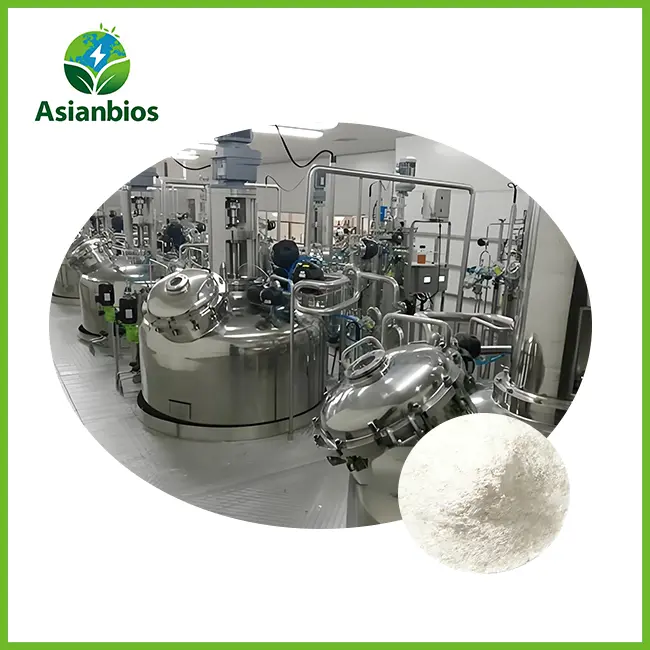
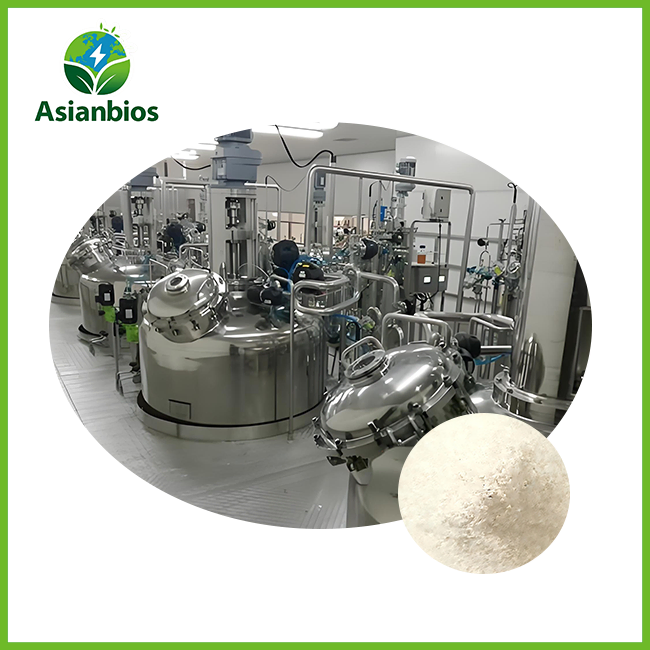
Which bioreactor to use depends on the size of the batch, how it needs to be mixed, and how it needs to be sterilized. Consistent fermentation conditions are made possible by stainless steel tanks that automatically control pH, temperature, and dissolved oxygen. Downstream tools like centrifuges, chromatography skids, and freeze-dryers must work together smoothly, and the materials used must be compatible to keep the product's integrity during production. Glutathione Production Technology turnkey options include everything from supplying the equipment to installing it, operating it, and teaching the operators. These services shorten the time it takes to get a product to market and make responsibility easier, but they cost more. With modular methods, capacity can be added in stages, which balances the cost of the original investment with the cost of future growth. Downtime is cut down by maintenance contracts and the supply of spare parts. This protects production stability and return on investment.
Importance of Operational Support and After-Sales Service
Technology sharing is more than just giving people tools. Staff members learn how to do fermentation processes, analyze data, and fix problems through in-depth training programs. Having access to expert hotlines or on-site advisers makes it easy to solve problems quickly and prevents batch losses. Audits and process reviews done on a regular basis find ways to improve performance, which lasts for a long time.Long-term partnerships with suppliers foster collaborative innovation. Process improvements happen faster when vendors share what they've learned from other installs or new study. Clear communication during scale-up trials or formulation development builds trust and aligns goals, which makes sure that both parties gain from a successful launch of a new product on the market.

Future Trends and Innovations in Glutathione Production
Biotechnology is moving forward, and production methods will continue to change. This is because of forces that are coming together in synthetic biology, digitalization, and the need to be environmentally friendly.
Synthetic Biology and Metabolic Engineering Breakthroughs
CRISPR-mediated genome editing lets exact changes be made to the framework of microbes, which cuts the time it takes for strains to grow from years to months. Synthetic promoters and ribosome binding sites finetune gene translation, making sure that enzyme levels are just right so that the most glutathione can be made. Rapid screening of genetic variation is made easier by modular pathway design, which finds high-producers with fewer side-products.Cell-free systems, in which biochemical machinery works outside of live cells, get around metabolic limits and give scientists more control than ever over reaction stoichiometry. Even though they can only be used on study sizes right now, these platforms could change the way custom peptides are made by allowing on-demand synthesis for specific uses.
Digitalization, AI, and IoT in Process Optimization
IoT devices send real-time data streams about many process factors, such as biomass density, substrate decline, oxygen uptake rates, and more. Machine learning programs look at these data to figure out the best ways to feed the plants, predict when equipment will break down, and suggest changes to the parameters that will produce the most. Digital twins, which are virtual copies of real fermenters, let you do simulation-based experiments without using real materials or risking batch contamination.AI speeds up strain engineering by predicting gene changes that increase production, which cuts down on the number of times that mistakes are made. High-throughput screening robots and automated liquid handling test thousands of variants at the same time, which shortens the time it takes to create new drugs. Putting together enterprise resource planning (ERP) systems and production control platforms makes sure that buying raw materials, planning batches, and releasing quality control information all work together smoothly. This creates a complete digital environment that makes a business more competitive.
Market and Sustainability Drivers Shaping Technology Development
Green chemistry is becoming more popular because of government pressure to cut down on carbon emissions and get rid of dangerous chemicals. Glutathione Production Technology and circular economy concepts are shown by carbon-neutral fermentation that is driven by green energy and uses waste CO₂ as feedstock. Biodegradable packaging and solvent-free extraction meet the need of customers who want environmentally friendly goods and help brands stand out in busy markets. Global health trends are increasing the need for anti-aging products and antioxidant supplements, which means that glutathione can reach more people. As developing nations put money into biotechnology infrastructure, production hubs in different regions help to spread out supplies and lower political risks. Businesses can take advantage of growth while reducing supply uncertainty by making smart investments in technologies that are adaptable and scalable.
Conclusion
The technology used to make industrial glutathione has grown into a clever and stable system that meets the needs of the food, cosmetics, nutraceutical, and pharmaceutical businesses. Microbial fermentation, which is based on metabolically designed strains and improved purification methods, can produce pharmaceutical-grade purity at low costs and with little harm to the environment. When purchasing professionals look at providers, they should put certifications, technical support, and the ability to come up with new ideas at the top of their list. This will help the relationship last for a long time. As automation and synthetic biology continue to improve, the industry will see even more efficiency and customizing options. This will solidify fermentation-based production as the best way to make this important antioxidant tripeptide.
FAQ
1. What distinguishes fermentation-based production from chemical synthesis in industrial applications?
Fermentation only creates the biologically active gamma-glutamyl bond structure, avoiding the toxic solvent leftovers and racemic mixes that are common in chemical synthesis. This makes sure that the final products are safer, more pure, and better accepted by regulators so they can be used in medicinal and cosmetic goods.
2. How do raw material quality and fermentation parameters affect final yield?
Microbial production is directly affected by the quality of L-cysteine and the rate at which it is fed. The best pH range (5.5–6.5), dissolved oxygen levels, and nitrogen blanketing stop oxidative breakdown and boost intracellular buildup, resulting in 8–10 g/L titers in commercial fermentation broth.
3. What sustainability advantages does microbial fermentation offer over traditional methods?
Fermentation makes 70% less COD in wastewater than chemical methods. It also uses reusable substrates (like glucose and plant amino acids), works at room temperature, and doesn't use harmful organic solvents, which is in line with green chemistry principles and makes regulations easier to follow.
Partner with Asianbios for Advanced Glutathione Production Technology Solutions
Asianbios is a reliable company that provides Glutathione Production Technology for making glutathione. They make pharmaceutical-grade, food-grade, and cosmetic-grade glutathione using cutting-edge microbial fermentation. The Saccharomyces cerevisiae strains we created are ≥98.5% pure and have very little oxidized GSSG. They meet USP/EP/ChP standards and come with CGMP, FSSC22000, ISO9001, HALAL, KOSHER, and organic certificates. We can help you with your whole supply chain, from research and development to market production. Our minimum order quantities (MOQs) start at 1 kg, we offer fast rush shipping via DHL and FedEx (7–10 days), and we can make tablets, capsules, powders, and gummies according to your specifications. Our expert team offers complete production line solutions, formula optimization, and ongoing support after the sale to make sure a smooth transition and continued operating excellence. Email us at plantex@asianbios.com to talk about your unique needs and get a price that fits them. You can see our whole range of products at asianbios.com and learn how we make sure that every batch is innovative, of high quality, and environmentally friendly.
References
1. Li, Y., Chen, J., & Lun, S. (2016). Biotechnological production of glutathione by microbial fermentation. Advances in Biochemical Engineering/Biotechnology, 155, 137-163.
2. Kumari, S., & Tiwari, K. (2020). Metabolic engineering strategies for enhanced glutathione production in Saccharomyces cerevisiae. Applied Microbiology and Biotechnology, 104(8), 3229-3245.
3. Penninckx, M. (2002). An overview on glutathione in Saccharomyces versus non-conventional yeasts. FEMS Yeast Research, 2(3), 295-305.
4. Sies, H., & Parnham, M. (2020). Biochemistry and clinical applications of glutathione. Annual Review of Pharmacology and Toxicology, 60, 483-507.
5. Wang, H., Liu, Y., & Zhao, X. (2018). Industrial production and applications of reduced glutathione. Journal of Chemical Technology & Biotechnology, 93(10), 2781-2791.
6. Zhang, L., Wei, D., & Wang, J. (2019). Advances in fermentation technology for tripeptide glutathione biosynthesis. Bioprocess and Biosystems Engineering, 42(6), 891-904.

Send Inquiry
Related Industry Knowledge
- What is apple green powder?
- Sleep Aid Jelly Guide: How It Supports Relaxation
- How to Choose the Best Seabuckthorn Powder - Asianbios
- Benefits of Sleep Aid Capsule for Deep Sleep Support
- Benefits of Threonine Production Technology in Feed Additives
- Uses of Sleep Aid Capsule for Insomnia Relief Routine
- Benefits of Best Sleep Aid Tablets for Stress Relief
- What is orange powder used for?
- Kiwi Dried Powder for Drinks: Boost Flavor and Nutrition
- Kiwi Dried Powder Benefits: Why It’s a Superfood Trend?