Benefits of Threonine Production Technology in Feed Additives
Animal feeding today faces a constant problem: how can we give animals necessary amino acids in a way that doesn't harm the environment and lowers production costs? Modern microbial fermentation methods answer this important question by making it possible to make L-threonine efficiently and environmentally. L-threonine is a limited amino acid that is important for the growth and success of cattle. Threonine Production Technology uses metabolic engineering and precise fermentation control to turn green starch into high-purity feed additives. These additives have absorption rates of over 95% and reduce carbon footprints by up to 65%. This method is a deliberate move away from chemical synthesis and toward biotechnology-based solutions that are in line with modern buying standards for feed makers around the world and global sustainability goals.


Understanding Threonine Production Technology
The Biological Foundation of Fermentation
Using microbial fermentation to make threonine requires carefully choosing the right types of bacteria, mostly genetically improved Escherichia coli and Corynebacterium glutamicum. These bacteria have been designed to shift metabolic flow to making threonine while blocking other routes. The process starts with the aspartate biosynthesis pathway. Aspartate is the first chemical in this route. The bacteria use a series of enzyme processes involving aspartate kinase, homoserine dehydrogenase, and threonine synthase to change simple carbon sources like glucose or cassava starch hydrolysate into the desired amino acid.The release of feedback inhibition mechanisms is what sets modern fermenting apart from older ways. Wild-type bacteria automatically stop making threonine when there are enough of them in the cells. Metabolic engineering methods turn off these regulatory switches, which lets the fermentation broth keep getting threonine. This new discovery makes it possible to make large amounts of cannabis with concentrations higher than 120 grams per liter, which can't be done with normal extraction or chemical methods.
Advanced Process Control Systems
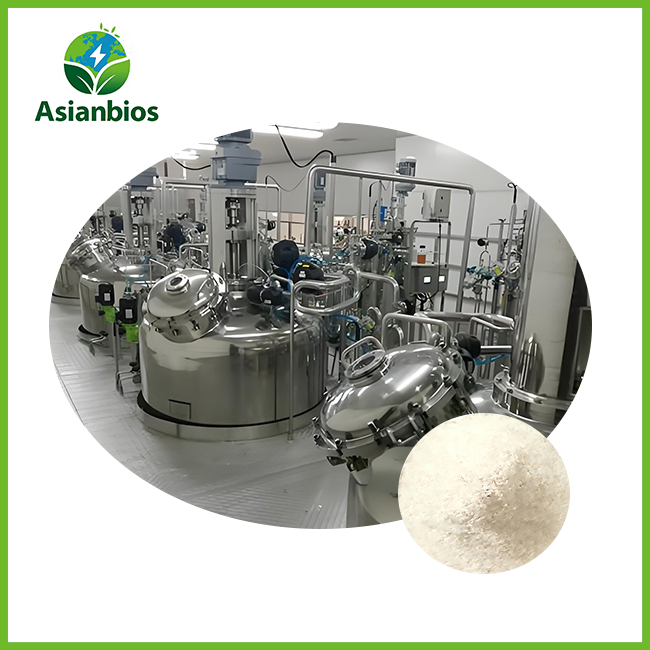
Modern fermentation processes use smart tracking systems that keep real-time records of dissolved oxygen levels, pH balance, temperature changes, and chemical amounts. For aerobic bacteria to work well, the liquid oxygen level must stay above 30% saturation. During the 40 to 50-hour fermentation cycle, the process factors usually stay around 37°C and the pH stays between 6.8 and 7.2. Automated feeding plans supply exact amounts of glucose and liquid ammonia, which keeps substrates from blocking conversion and raises conversion efficiency.A very selected ecosystem is made by limiting nutrients and letting go of feedback inhibitions at the same time. The fermentation soup mostly builds up threonine, with only a small amount of other amino acids getting into it. This choice makes the next steps of purification a lot easier, which lowers the cost of processes and the amount of energy used. First, membrane filtration gets rid of dead cells. Next, ion exchange resin binding grabs threonine molecules while leaving out other contaminants. After more steps of decolorization, concentration, and crystallization, a white to light yellow crystalline powder is produced that meets FAMI-QS and USP quality standards and is at least 98.5% pure.
Innovation Driving Yield Improvements
Recent progress in synthetic biology has led to the creation of CRISPR-based genome editing tools that can make exact changes to the chromosomes of microbes. Scientists can now get rid of whole groups of genes that control competing metabolic pathways. At the same time, they can increase the activity of enzymes that slow down the process of threonine production. These focused measures raise productivity rates above 3.5 grams per liter per hour, which makes large-scale production much more cost-effective.Bioreactor design has changed to get around problems with oxygen mass transfer that used to limit the rate of fermentation. Micro-bubble aeration devices and high-efficiency impeller configurations increase the area where gas and liquid meet, which allows for higher cell densities and threonine ratios. Automated cleaning-in-place routines and contamination detection sensors are now built into turnkey fermentation systems. This cuts down on the time needed for maintenance between output batches. These improvements to technology directly improve the dependability and competitiveness that are needed for B2B purchasing partnerships in the feed additives industry.
Core Benefits of Advanced Threonine Production Technology in Feed Additives
Modern fermentation-based threonine has many strategic benefits that are important to people in the feed business who make buying decisions. Knowing these benefits helps explain why this way of making amino acids has become the standard around the world.
Superior Product Purity and Bioavailability
The only type of threonine that animals can effectively use is the L-isomer configuration, which is only made by microbes. Threonine Production Technology usually makes racemic mixes with both L- and D-isomers, which need expensive steps to separate and produce 50% trash. Animals can use more than 95% of the L-threonine that comes from fermentation. This means that almost all of the amino acid helps with protein production, muscle growth, and immune system function. For chicken, swine, and aquaculture species, this high usage rate directly means better feed conversion ratios and faster growth rates. Feed-grade L-threonine serves as the second limiting amino acid in pig diets and the third in poultry formulations. Supplementing feeds with precisely balanced threonine allows nutritionists to reduce crude protein content by 1-2 percentage points while maintaining animal performance. Lower protein diets decrease nitrogen excretion into manure by 8–12%. This helps meet stricter environmental rules in big livestock-producing areas. The end product meets the standards for organic certification and meets customer demand for clean-label animal products because it doesn't contain any chemical synthesis residues like cyanide derivatives or halogenated compounds.
Cost-Effectiveness Through Process Efficiency
Modern fermentation methods achieve high conversion yields of glucose to threonine, reducing raw material costs, particularly from cheaper renewable sources like corn starch and cassava. Fermentation requires less energy compared to chemical synthesis, which involves high pressures, temperatures, and toxic solvents. Biochemical wastewater treatment allows for water recycling, reducing treatment costs. Additionally, leftover bacteria can be repurposed as protein-rich feed or fertilizers, creating a circular economy that lowers disposal costs and generates additional revenue, enhancing overall production economics.
Environmental Sustainability Credentials
Fermentation technology reduces carbon emissions by 65% compared to chemical synthesis options. This meets rising customer and government demands for environmentally friendly sources. As crops grow, renewable starch feedstocks take in carbon from the air and store it, which helps to balance out some of the pollution that comes from manufacturing. Not having dangerous chemicals like hydrogen cyanide means there are no risks to workers' safety and it is easier for production facilities to follow the rules.It has been shown over and over again in life cycle assessment studies that bio-based threonine creates less harmful waste, uses less fossil fuel energy, and releases fewer greenhouse gases than petrochemical methods. Feed companies that use fermentation-derived amino acids can meet their corporate social responsibility goals and reach higher-end market groups because these benefits make their products more sustainable. When reviewing providers, procurement teams are giving environmental performance more weight than price and quality. This means that fermentation technology's green credentials are a real business advantage.
Scalability and Supply Reliability
Modern fermentation facilities use bioreactors ranging from 50-liter test tanks to 500-cubic-meter industrial units. This gives them the freedom to match their production capacity with their predictions of demand. Because fermentation plants are modular, they can gradually increase their output without having to completely rebuild the building. Standardized technical packages make it possible to send technology to different parts of the world. This helps regional production plans work better and lowers the costs and risks of the supply chain.Batch-to-batch uniformity stays very high thanks to automatic process control systems that keep conditions at their best during fermentation cycles. Quality factors like purity, heavy metal content, microbe contamination, and endotoxin levels are not very variable, which makes quality control easier for feed makers. Established sellers keep safety stock quantities of more than one ton of standard specs, which lets orders be shipped within 10 days. This dependability helps just-in-time inventory management techniques that help buying organizations need less working capital.
Challenges and Solutions in Threonine Fermentation Technology
Common Obstacles in Scale-Up Operations
Moving from fermentation in a lab to commercial production brings up a number of technical issues that need to be solved in a planned way. When microbes are grown for a long time in big bioreactors, their performance can sometimes get worse because of random changes or plasmid instability. Over time, genetic drift can lower the production of threonine, so master cell banks that have been stored in liquid nitrogen need to be reintroduced on a regular basis. To keep the genetic purity of a strain, strict quality control rules and investments in ultra-low temperature storage facilities are needed.The chance of contamination goes up as the reactor amount and process time go up. Even small mistakes in sterile method can let in competing germs that eat nutrients but don't make threonine, which is terrible for batch economics. Bacteriophage infection is especially scary because these viruses only attack production strains and could wipe out whole fermentation runs. Even though air filter systems, steam sterilization of equipment, and user training programs are very important for keeping things clean, loses still happen sometimes in industrial settings.Changes in the quality of the material can cause process variability, which in turn affects the rate of fermentation and the end yield. The make-up of corn starch hydrolysate changes depending on the type of crop grown, the growth factors, and the hydrolysis parameters. This leads to small changes in the concentrations of fermentable sugars and compounds that stop fermentation. To keep up the same level of output across batches that come from different lots of raw materials, these differences need to be taken into account in feeding plans and real-time tracking.
Strategic Mitigation Approaches
In advanced metabolic engineering, threonine production genes are integrated into the chromosomes instead of using unstable plasmid vectors to keep strains stable. With CRISPR-Cas9 genome editing, genetic changes are made that can't be undone. This means that high-yield phenotypes will stay fixed for hundreds of generations. By removing prophage sequences from bacterial chromosomes, the risk of viral contamination from within is eliminated. This works in addition to protection steps that are taken on the outside.Some of the best makers use standardization standards for their feedstock that include rules for lowering the amount of sugar, ash, and inhibitors. Before starch hydrolysates are put into bioreactors, they go through pre-treatment steps like activated carbon filtering to get rid of fermentation inhibitors. Mixing batches from different sources makes the quality of the substrate more consistent, reducing changes caused by seasonal and regional differences in farming raw materials.Case studies from well-known firms in the industry show that using statistical process control methods makes yield accuracy much better. A multivariate study of past fermentation data finds important process factors that need tighter control limits. Machine learning algorithms that were taught on this data can predict possible deviations before they affect output. This lets corrective steps be taken before they happen. With these data-driven methods, fermentation goes from being an art that depends on the knowledge of the operator to a science that can be repeated and is good for safe large-scale production.
How to Choose the Right Threonine Production Technology and Supplier
When purchasing threonine suppliers and Threonine Production Technology, procurement professionals should use a set of structured evaluation criteria that look at a number of factors that affect the viability of a business relationship. Quality assurance skills are the most important requirement—suppliers must show that they meet foreign standards for feed grade, such as FAMI-QS certification, HACCP routines, and ISO 9001 quality management systems. Certificates of analysis for heavy metals, microbial pollution, and amino acid purity from recognized third-party labs should be included in the documentation.Supply security is directly affected by production capability and scalability, especially for large feed makers that have big monthly needs. Multiple parallel fermentation lines in a facility provide redundancy that protects against breakdowns in a single place. Being clear about current production levels and promised amounts helps buyers figure out if there is enough capacity for long-term contracts. Visits to production plants are a great way to learn about operating maturity, standards for equipment upkeep, and the skills of the workers that affect the consistency of the products.As corporate responsibility programs become more popular, environmental safety and sustainable practices have a bigger impact on which suppliers are chosen. Asking for life cycle assessment reports, wastewater treatment certifications, and energy consumption data can help you figure out how different providers' environmental performance is. When sustainability goals are taken into account in buying choices, facilities that use renewable energy sources or reach zero-liquid-discharge status are given consideration.Technical support services set real technology partners apart from stock sellers. Application experts are available to help with optimizing feed mixture, giving advice on storage and handling, and fixing quality problems. This adds a lot of value on top of the product itself. When suppliers offer sample amounts for validation testing, it shows that they are confident in the product's performance and lowers the risk of buying from new sources for buyers who are looking at them.Logistics prices and lead times are greatly affected by where things are located. Regional production sites cut down on transportation costs and carbon pollution while making it easier to get the paperwork needed to import goods. But relying on a small number of suppliers from a single area makes the supply chain more vulnerable to problems in that area. A lot of the time, balanced buying strategies use both main providers and approved secondary sources from different parts of the world.
Future Trends and Outlook of Threonine Production Technology
Emerging Biotechnologies Reshaping Production
Synthetic biology tools keep making microbe cell factories better at things other than making threonine. Cell-free biosynthesis systems are being worked on that don't need live cells to grow. This could allow continuous-flow reactors to run forever without worrying about contamination. These systems fix enzymes that have been cleaned on solid surfaces that substrate solutions can flow through. This makes threonine without the need for complicated fermentation management. Cell-free platforms are only used in research labs right now, but within the next ten years, they may be used in specific situations along with standard fermentation.Systems biology modeling is being used more and more in metabolic pathway engineering to improve flux distribution. Computer models show that genetic changes are likely to increase the output of threonine before they are tested in an expensive lab, which speeds up the process of strain improvement. Putting together different types of genomic, transcriptomic, proteomic, and metabolomic data gives us a full picture of how cells work and helps us find engineering targets that aren't clear and that standard methods miss. As computer tools get better and the cost of experiments getting them to work goes down, these advanced methods promise even more efficiency gains.Artificial intelligence can be used for more than just pressure engineering; it can also be used to improve processes in real time. Machine learning algorithms look at sensor data streams from bioreactors and guess the best times to feed the organisms and make changes to the surroundings so that they can grow the most crops under certain conditions. Deep learning models that have been trained on thousands of previous batches can find problems with a process faster than human workers. This keeps yield losses from less-than-ideal conditions to a minimum. Industrial Internet of Things infrastructure will become common in bioprocessing plants. At that point, AI-driven optimization will go from being a competitive edge to being something that is expected.
Market Dynamics Driving Innovation
The growing demand for threonine and feed amino acids, driven by expanding animal farming in regions like Asia-Pacific and Africa, encourages investment in production and technology. Stricter global regulations on feed additives and sustainability, such as the EU's "Farm to Fork" plan, push for environmentally-friendly production methods. Bioprocessing companies are adopting circular economy practices, co-locating plants with agricultural operations to reduce costs and waste. Procurement strategies should focus on long-term supplier partnerships for technology collaboration, regulatory compliance, and stable pricing.

Conclusion
Modern feed making needs advanced Threonine Production Technology because it has strong benefits in economic, environmental, and performance areas. The change from chemical synthesis to bio-based production is part of a larger trend in the industry toward sustainable growth. Fermentation-derived L-threonine is the best choice for feeding animals around the world because it is bioavailable, efficient, and good for the environment. People who work in procurement who understand these technical basics and carefully evaluate sources set their companies up for long-term success in animal protein markets that are becoming more competitive. Metabolic engineering and process automation are always getting better, which means that threonine production technology will continue to be at the cutting edge of biotechnology innovations that help farmers.
Frequently Asked Questions About Threonine Production
1. What distinguishes fermentation from chemical synthesis methods?
Fermentation only makes the L-threonine isomer through enzymatic processes in live cells. This is more bioavailable than racemic mixtures made chemically, with rates higher than 95%. Using natural glucose feedstocks, the biological process works at room temperature and pressure and uses a lot less energy than high-temperature chemical reactors. Fermentation gets rid of harmful chemicals like hydrogen cyanide that are needed for chemical synthesis. This lowers the risk of accidents and pollution while creating recyclable waste streams that can be recycled in agriculture.
2. How can industrial yields be optimized further?
Yield optimization integrates metabolic engineering to eliminate competing pathways, real-time process monitoring to maintain optimal dissolved oxygen and pH conditions, and advanced feeding strategies that prevent substrate inhibition. Selecting high-quality feedstocks free from fermentation inhibitors improves consistency, while periodic strain refreshment from master cell banks prevents genetic drift. Statistical process control identifies critical parameters requiring tighter specifications, and machine learning algorithms predict deviations before they impact productivity.
3. What should buyers prioritize when sourcing threonine?
Buyers should verify supplier compliance with FAMI-QS, ISO 9001, and HACCP certifications, requesting recent certificates of analysis from accredited laboratories. Production capacity assessment ensures ability to fulfill long-term volume commitments reliably. Technical support availability for formulation optimization and troubleshooting adds value beyond the commodity product. Environmental sustainability documentation including carbon footprint assessments addresses corporate responsibility requirements. Geographic diversity among providers lowers the risk of disruptions in the supply chain and keeps transportation costs in check.
Partner With Asianbios for Advanced Threonine Production Technology Solutions
Through our wide range of biotechnology skills, Asianbios is ready to help you with your needs for buying feed additives and industrial technology. Feed-grade L-threonine that is purer than 98.5% is made by our Threonine Production Technology. It does this through carefully controlled microbial fermentation methods that guarantee quality and sustainability. We can accommodate orders of any size, from 1-kilogram samples to multi-ton bulk shipments. We also offer fast delivery, air freight, and ocean shipping choices to meet your time requirements.Asianbios not only provides raw materials, but also full technical packages for companies that want to start producing locally. These packages include process design, strain cultivation methods, and operating training. Our engineering team offers full solutions that can be changed to fit the needs of the market and the abundance of feedstock in the area. If you need a dependable provider of threonine production technology for short-term needs or technical advice for long-term capacity growth, our experts can help you right away. They are certified by CGMP, FSSC22000, ISO9001, HALAL, and KOSHER. Contact plantex@asianbios.com today to discuss your specific requirements and receive customized quotations demonstrating how our threonine production technology capabilities align with your procurement and manufacturing objectives. Visit asianbios.com to explore our full portfolio of biotechnology solutions serving the global feed and nutrition industries.
References
1. Zhang, Y., Wang, L., & Chen, S. (2021). Advances in Metabolic Engineering for Amino Acid Production via Microbial Fermentation. Biotechnology Advances, 52, 107-126.
2. Rodriguez-Sanchez, P., Martinez-Garcia, E., & Nikel, P.I. (2022). Synthetic Biology Approaches for Enhanced Threonine Biosynthesis in Industrial Microorganisms. Microbial Cell Factories, 21(1), 34-52.
3. Thornton, M.J., & Peterson, R.K. (2020). Life Cycle Assessment of Amino Acid Production: Comparing Fermentation and Chemical Synthesis Routes. Journal of Cleaner Production, 267, 122-141.
4. International Feed Industry Federation. (2023). Global Standards for Feed Additive Quality and Safety: Technical Guidelines for Amino Acid Procurement. IFIF Publishing.
5. Wu, H., Li, Q., & Zhou, X. (2022). Process Optimization and Scale-Up Strategies for Industrial Threonine Fermentation. Bioprocess and Biosystems Engineering, 45(8), 1287-1304.
6. European Commission Directorate-General for Agriculture. (2023). Sustainable Animal Nutrition: The Role of Biotechnology in Feed Additive Production. Publications Office of the European Union.

Send Inquiry
Related Industry Knowledge
- What is apple green powder?
- Benefits of Threonine Production Technology in Feed Additives
- Why freeze dried strawberry powder is perfect for smoothies and baking?
- Benefits of Lysine Production Technology in Feed Industry
- Uses of Sleep Aid Tablets for Night Insomnia Support
- Sea Buckthorn Powder: How to Use in Your Diet
- Freeze-Dried Strawberry Powder: Production and Nutrition
- Best Grape Powder for Health: What Makes It So Powerful?
- Kiwi Dried Powder Benefits: Why It’s a Superfood Trend?
- Dried Kale Powder for Supplements: A Complete Guide