How Does Glucose Production Technology Improve Yield?
Glucose is one of the most widely consumed simple sugars in the world, serving as a critical ingredient across the food, beverage, pharmaceutical, and biofermentation industries. As global demand for high-purity glucose continues to expand, manufacturers face growing pressure to improve conversion yields, reduce raw material waste, cut energy costs, and maintain consistent product quality at scale. Glucose Production Technology — particularly the double enzyme saccharification method — has emerged as the industrial standard for achieving all of these objectives simultaneously. This article examines how modern Glucose Production Technology improves yield at every stage of the manufacturing process, from starch liquefaction through enzymatic saccharification to downstream purification and crystallization, and why selecting the right technology partner can make the difference between a profitable plant and a struggling one.


| Parameter | Details |
|---|---|
| Product Name | Glucose Production Technology |
| Production Process | Double Enzyme Method (Liquefaction + Saccharification) |
| Active Ingredient | Glucose |
| Appearance | White Powder |
| Package Specification | 25 kg / Barrel |
| Transport Mode | Express, Air, Sea |
| OEM / ODM | Available |
| Minimum Order Quantity | 1 kg (Samples Available) |
| Technology Formula | 30% Process + 70% Localization Execution |
The Science Behind the Double Enzyme Method and Why It Maximizes Yield
From Starch to Sugar: The Two-Step Enzymatic Conversion
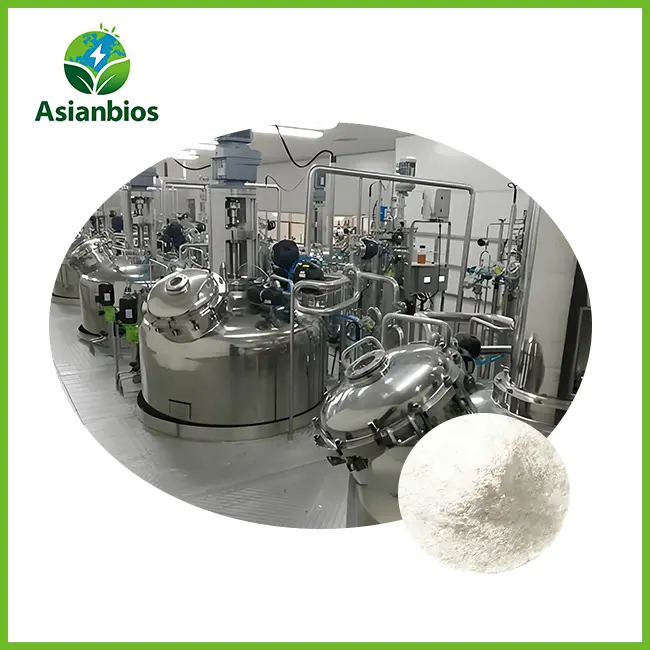
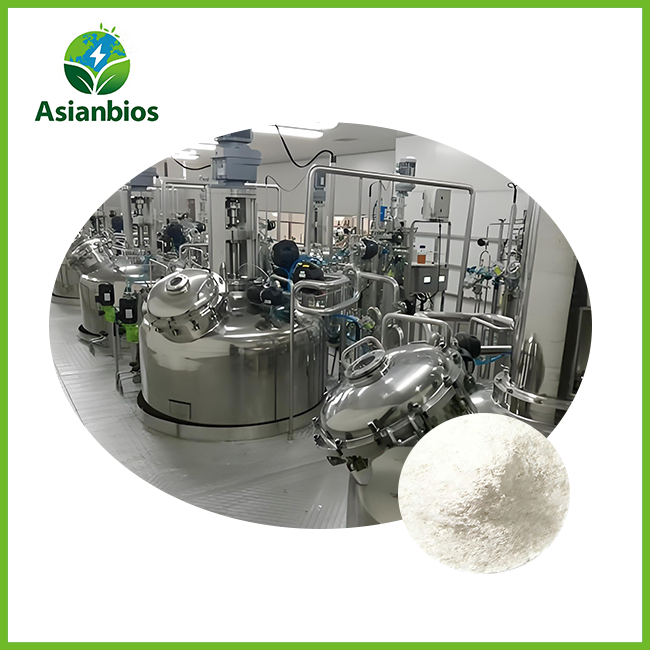
Modern Glucose Production Technology relies on the double enzyme technique, a two-stage enzymatic hydrolysis process that efficiently transforms starch from maize, wheat, or cassava into glucose with few byproducts. First, alpha-amylase liquefies gelatinized starch at high temperatures, breaking the long-chain polysaccharide into shorter dextrins. The second step involves glucoamylase saccharification, cleaving glucose units off the non-reducing ends of dextrin chains to create a highly concentrated glucose solution. These two enzymes work together to allow Glucose Production Technology to convert starch-to-glucose at rates above 95%, which would be impossible with acid hydrolysis alone, the dominant method before enzymatic processes became commercially viable in the second half of the 20th century.
Enzyme Engineering and Process Optimization
The quality and specificity of alpha-amylase and glucoamylase employed in Glucose Production Technology affect conversion yield and product purity. Microbial fermentation of designed strains produces thermostable, pH-tolerant, and substrate-specific commercial enzymes. High-performance enzyme preparations enable saccharification at lower enzyme doses without losing yield, lowering manufacturing costs. Glucose Production Technology optimizes substrate content, reaction temperature, pH, reaction duration, and agitation strength to suit each enzymatic step. Modern glucose plants include real-time control systems that modify these parameters to ensure optimum reaction kinetics throughout each production batch, ensuring excellent yields even when raw material quality changes.
Raw Material Selection and Its Impact on Conversion Efficiency
One of the most overlooked elements in Glucose Production Technology yield improvement is starch raw material selection and quality. Starches from maize, wheat, cassava, and potato have variable granule shapes, amylose-to-amylopectin ratios, and moisture levels, which impact how well the double enzyme process converts them. Due to its high amylopectin concentration and well-characterized processing behavior, corn starch, extensively utilized in China and the US, produces significant glucose yields. In Southeast Asian and Brazilian glucose manufacturing, cassava starch needs somewhat different liquefaction conditions but yields high conversion efficiency when Glucose manufacturing Technology parameters are adjusted properly. The 70% localization execution concept for effective real-world deployment of Glucose Production Technology in any region or facility requires selecting locally plentiful, low-cost starch with consistent composition.
Downstream Purification: Turning High-Conversion Broth Into High-Purity Product
Activated Carbon Decolorization and Its Role in Quality Control
After enzymatic saccharification, the glucose-rich liquid comprises the target sugar, colored impurities, proteins, lipids, and other chemicals from the starch raw material and processing environment. Glucose Production Technology's typical unit operation, activated carbon decolorization, adsorbs these color-forming chemicals to produce a clear, light-colored glucose solution for culinary and medicinal applications. The grade and dose of activated carbon, contact duration, temperature, and saccharified liquid color load affect decolorization efficiency. Well-designed Glucose Production Technology uses multi-stage decolorization systems that can be optimized independently to handle incoming liquor quality variation, ensuring that the downstream crystallization step receives clean feedstock regardless of raw starch or enzyme performance batch-to-batch.
Ion Exchange Purification for Removing Ionic Impurities
After decolorization, glucose solution must be cleaned of dissolved minerals, amino acids, and other ionic species to fulfill food- or pharmaceutical-grade standards. The industry standard for obtaining ionic purity in glucose production technology is ion exchange chromatography employing mixed-bed or sequential cation and anion exchange resins. Calcium, magnesium, potassium, sodium, chloride, sulfate, and organic acid anions that might affect crystalline or syrup quality are removed in this stage. In Glucose Production Technology, well-designed ion exchange systems may be cycled through thousands of service runs before the resin has to be replaced, making them cost-effective for large-scale continuous production. The ion exchange stage produces a refined, low-conductivity glucose solution for concentration and crystallization.
Multi-Effect Evaporation and Crystallization: The Final Yield Determinant
In the last stages of Glucose Production Technology, concentration by multi-effect evaporation and crystallization convert the enzymatic conversion yield into a marketable product. Multi-effect evaporation efficiently uses steam energy by passing vapor from one evaporator body to heat the next, reducing the energy cost of concentrating glucose from saccharification concentrations of 30 to 35 degrees Brix to supersaturated levels needed to crystallize. To manufacture glucose monohydrate crystals with the proper particle size distribution and purity, temperature, agitation, seed crystal introduction, and residence time must be carefully managed. Poorly regulated crystallization is one of the main sources of glucose output losses, making it a priority in every plant update or new facility design based on contemporary Glucose Production Technology.
| Product Grade | Key Application | Typical Industry | Quality Standard |
|---|---|---|---|
| Food-Grade Glucose | Sweetener, texture agent | Beverages, bakery, confectionery | GB/T 20885, FCC |
| Crystalline Glucose | Precision sweetening, tablet excipient | Pharmaceuticals, infant formula | CP / USP / EP |
| Glucose Syrup | Humectant, fermentation substrate | Candy, bio-fermentation | Food safety standards |
| Industrial Glucose | Microbial culture medium | Biotech, fermentation industry | Industrial grade specs |
Technology Transfer, Localization, and Why the Right Partner Matters
The 30% Process, 70% Localization Principle
Investors in glucose manufacture often think a technology package would ensure a profitable, high-yield company. Successful Glucose Production Technology adoption requires 30% process understanding and 70% localization execution. Through documentation and training, enzyme selection, liquefaction and saccharification parameters, purification system design, and crystallization processes may be formalized and disseminated. The bigger localization component entails modifying process parameters to local raw material quality, water hardness, utility availability, equipment dependability, labor skill level, regulatory requirements, and downstream market logistics for a given facility. Asianbios provides the process package and on-the-ground assistance to assure localization and client yields.
Production Line Support, Customization, and Certification
Asianbios offers complete assistance for clients developing new glucose production facilities or upgrading existing starch processing plants to current Glucose Production Technology. These include manufacturing line design, equipment selection, technical staff process training, quality system setup, and regulatory paperwork assistance to help facilities gain target market certifications. The company's CGMP, FSSC22000, ISO9001, HALAL, KOSHER, Organic, and HACCP certifications demonstrate its quality management and technology transfer credentials. All goods and processes meet CE, FDA, and ISO standards, offering clients a baseline for facility development.
OEM/ODM Capabilities and Flexible Order Management
Asianbios manufactures bespoke product forms, packaging requirements, and private-label solutions in addition to technology transfer and glucose products. The firm produces glucose and glucose-based products in powder, syrup, tablet, capsule, and gummy forms for food brands, pharmaceutical companies, and nutritional supplement companies in various countries and regions. Product developers and small enterprises may test before ordering large commercial quantities with a 1 kilogram minimum purchase. The Green Channel service ensures delivery in 7 to 10 days for urgent small-batch orders, while normal orders from existing inventory are despatched within 10 days after payment confirmation and delivered internationally by DHL, SF Express, and FedEx.
| Service / Capability | Description |
|---|---|
| Certifications Held | CGMP, FSSC22000, ISO9001, HALAL, KOSHER, Organic, HACCP |
| Quality Standards | CE / FDA / ISO International Standards |
| Standard Delivery | Within 10 days after payment (stock > 1 ton) |
| Custom Order Delivery | ~20 working days |
| Urgent Small Batch | Green Channel: 7-10 days minimum |
| Logistics Partners | DHL, SF Express, FedEx |
| OEM / ODM Formats | Powders, Tablets, Capsules, Gummies, and more |
| Minimum Order Quantity | 1 kg (trial and sample orders welcome) |
| Technical Support | Formula solutions, lab verification, production line guidance |
Market Applications and the Industries That Depend on High-Yield Glucose Production
Food and Beverage Manufacturing
Food and beverages utilize the most glucose generated by Glucose Production Technology globally. Carbonated beverages, energy drinks, confectionery, baked goods, ice cream, and processed foods use glucose syrup and crystalline glucose as sweeteners, humectants, texture modifiers, and fermentation substrates. Glucose Production Technology must offer food-grade glucose with constant Dextrose Equivalent values and low impurity profiles for food makers whose recipes rely on sweetness intensity, water activity, and fermentability. Enzymatic glucose production from non-GMO starch sources is becoming more popular than acid hydrolysis or other chemical processes as clean-label and natural ingredient trends change customer preferences.
Pharmaceutical and Clinical Nutrition Applications
Healthcare excipients and active ingredients need pharmaceutical-grade glucose, especially compendial-grade crystalline glucose monohydrate. Glucose is utilized as a tablet excipient, diluent in dry powder formulations, and carbon source in fermentation-based manufacture of antibiotics, vitamins, and other medicinal substances. Pharmaceutical-grade glucose must meet the highest purity standards for Glucose Production Technology, including endotoxin control, residual solvent limitations, heavy metal concentration, and microbiological quality. Pharmaceutical manufacturers must follow GMPs and validate their Glucose Production Technology procedures to meet pharmacopoeial standards.
Biofermentation and Industrial Biotechnology
Biofermentation, the microbial production of amino acids, organic acids, enzymes, biofuels, and recombinant proteins using glucose as the primary carbon source, is one of the fastest-growing applications for glucose produced by Glucose Production Technology. The economics of biofermentation depend on the cost and purity of the glucose feedstock: lower-grade glucose contaminants impede microbial growth, decrease product yields, and complicate downstream purification. Because of this, biofermentation facilities frequently define a glucose purity grade and need rigorous supplier consistency. From amino acid makers to biofuel producers to cell culture medium providers, low-impurity, consistent fermentation-grade glucose at competitive cost is a critical input for the whole industrial biotechnology value chain.

Conclusion
Glucose Production Technology, anchored by the double enzyme saccharification method, has transformed industrial glucose manufacturing by enabling high-conversion yields, consistent purity, and energy-efficient operation at scale. Success depends on mastering both the process science and the localization execution that adapts it to real-world conditions. Asianbios brings together certified manufacturing quality, flexible OEM capabilities, and comprehensive technology transfer support to help customers in food, pharma, and biotech sectors achieve their glucose production goals reliably and cost-effectively.
FAQ
Q1: What starch raw materials are compatible with your Glucose Production Technology, and does the choice of raw material significantly affect yield?
Choice of starch raw material affects yield and process factors. Our Glucose Production Technology works with maize, wheat, cassava, and potato starches. Each needs liquefaction and saccharification calibration for proper conversion. Our technology bundle and localization help include process advice for each raw material type from our technical staff.
Q2: What product forms and grades of glucose can be produced using this technology, and are pharmaceutical-grade specifications achievable?
The glucose manufacturing technology we use produces food-grade glucose powder, crystalline glucose monohydrate, glucose syrup, and industrial-grade glucose. GMP-operated activated carbon decolorization, ion exchange refining, and controlled crystallization provide pharmaceutical-grade crystalline glucose matching CP, USP, or EP requirements.
Q3: Can your company help us set up our own glucose production line, and what ongoing support do you provide after commissioning?
Yes. We provide production line design, equipment selection, process training, quality system setup, and regulatory paperwork assistance for technology transfer. We offer ongoing technical assistance to help your team maximize performance and resolve scale-up difficulties after commissioning. Our communication staff answers technical questions quickly and gives clear progress updates throughout support.
Ready to Upgrade Your Glucose Production or Source High-Quality Glucose? Get in Touch with Our Team Today
Whether you are sourcing finished food-grade or pharmaceutical-grade glucose, exploring OEM glucose ingredient solutions, or building a new production facility and need a proven Glucose Production Technology partner, Asianbios is here to help. Our team combines deep process expertise with internationally certified manufacturing quality and flexible, responsive service. Let us help you achieve better yields, lower costs, and stronger market positioning. Reach out now — we respond within hours, not days. Email: plantex@asianbios.com.
References
1. Blanchard, P. H., & Katz, F. R. (1995). Starch hydrolysates. In A. M. Stephen (Ed.), Food Polysaccharides and Their Applications (pp. 99–122). Marcel Dekker, New York.
2. van der Maarel, M. J. E. C., van der Veen, B., Uitdehaag, J. C. M., Leemhuis, H., & Dijkhuizen, L. (2002). Properties and applications of starch-converting enzymes of the alpha-amylase family. Journal of Biotechnology, 94(2), 137–155.
3. Crabb, W. D., & Shetty, J. K. (1999). Commodity scale production of sugars from starches. Current Opinion in Microbiology, 2(3), 252–256.
4. Tester, R. F., Karkalas, J., & Qi, X. (2004). Starch — composition, fine structure and architecture. Journal of Cereal Science, 39(2), 151–165.
5. Schenck, F. W., & Hebeda, R. E. (Eds.). (1992). Starch Hydrolysis Products: Worldwide Technology, Production, and Applications. VCH Publishers, New York.
6. Røder, M., Becker, P., & Svensson, B. (2007). Enzyme engineering for improved starch processing. In B. C. Saha & K. Hayashi (Eds.), Biotechnology of Lignocellulose Degradation and Biomass Utilization (pp. 45–62). Japan Scientific Societies Press, Tokyo.

Send Inquiry
Related Industry Knowledge
- How Does Lip Plumping Peptide Improve Lip Volume Naturally?
- Best Human Recombinant Collagen Solutions for Medical Beauty
- How Production Technology Of Ergothioneine Improves Purity
- Benefits of Fermentation Production Technology Of Hyaluronic Acid
- Hyaluronic Acid: What It Is and How to Use It
- Does kiwi powder help digestion?
- What Makes Production Technology Of Hyaluronic Acid Efficient?
- Backpacking Superfoods: Kale Powder
- What Is Glutathione Production Technology Explained?
- Is kiwi powder good for you?