How to Use Chinese Cabbage Freeze-Dried Powder: Benefits and Daily Recipes
Chinese Cabbage Freeze-Dried Powder works perfectly with current food production methods because it can be rehydrated instantly, has a consistent nutrient density, and is very easy to use. This high-quality vegetable powder is usually added to recipes at amounts between 2 and 8% for soups and sauces, 10 to 15% for nutritional supplements, and up to 20% for baby food purees. The lyophilized structure lets it dissolve quickly in both cold and hot liquids, bringing back texture and taste profiles that are almost identical to fresh produce. This gets rid of seasonal supply problems and spoilage risks that are important for running a business efficiently.
Introduction
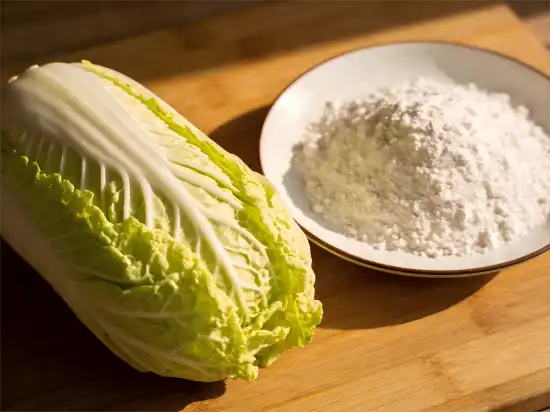
Global demand for nutrient-dense ingredients that can be stored for a long time is changing how useful food sectors buy ingredients. Chinese Cabbage Freeze-Dried Powder is a revolutionary approach that transforms fresh Brassica rapa subsp. pekinensis into a concentrated ingredient that can be used in many ways using cutting edge lyophilization technology. During the production process, the wetness is taken out while more than 95% of the original phytonutrients are kept. These include heat-sensitive vitamin C, glucosinolates, and enzymatic activity. We know that B2B buying teams put a high value on items that are consistent in quality and easy to get. This guide looks at practical uses, health benefits, and formulation techniques to help companies shorten the time it takes to make new products and lower their costs. By learning about the special features of freeze-dried vegetable powders, business leaders can add healthier ingredients to their product lines that meet customers' growing demands for clear information.
What is Chinese Cabbage Freeze-Dried Powder?
Manufacturing Process and Technology
Freeze-drying technology is very different from traditional ways of heat dehydration in how it works. When the temperature drops below -40°C, fresh Chinese cabbage quickly freezes, turning the water in the cells into ice crystals without damaging the cell walls. The frozen substance is then put into vacuum tanks, where sublimation takes place. This is when ice turns straight into vapor without going through a liquid phase first. The controlled climate stops the oxidative damage and enzymatic breakdown that happen when things are dried in hot air.
Nutritional Integrity and Bioavailability
Depending on the thickness and moisture level of the cloth, the whole operation takes 24 to 48 hours. This low-temperature method, unlike spray drying or drum drying, keeps the chemical structure of nutrients that are easily broken, like vitamin K, folate, and myrosinase enzymes. The Chinese Cabbage Freeze-Dried Powder made has a porous microstructure and removes about 95–98% of the moisture, reaching water activity levels below 0.3 that stop microbes from growing and increase the shelf life to 24 months when properly packed.
Storage Stability and Logistical Advantages
The nutrients are still there, and the glucosinolates (bioactive substances linked to detoxification pathways) stay steady during the freeze-drying process. A lab test shows that about 85–92% of the original vitamin C content was kept. This is a much higher percentage than the 40–60% that is usually kept after heat processing. Dietary fiber, which includes both soluble pectin and insoluble cellulose, keeps its shape, which makes it useful for gut health in functional food products.
Key Benefits of Using Chinese Cabbage Freeze-Dried Powder in Food Production
Superior Nutrient Retention Compared to Alternatives
Studies show that Chinese Cabbage Freeze-Dried Powder has three to four times more vitamin C than hot-air dehydrated versions of the same food. This product is different from others that have been heated because it still has active myrosinase enzymes. These enzymes change glucosinolates into beneficial isothiocyanates that have protective properties. This enzymatic activity can last for up to 18 months if stored properly. This gives formulators a functional edge when making goods with health claims that are backed up by science.
Cost-Effectiveness in Bulk Procurement
The whole fiber grid helps to create texture in a wide range of products, from plant-based meat substitutes to high-fiber baked goods. In beverage systems, soluble fiber parts increase viscosity, and in weight control formulas, insoluble fiber parts back claims of fullness. This two-in-one feature lets purchasing teams build stronger ties with suppliers by finding a single ingredient that meets the needs of multiple formulations.
Versatility Across Product Categories
When comparing prices, Chinese Cabbage Freeze-Dried Powder is a better deal when looking at the cost-per-nutrient-delivered instead of just the cost-per-kilogram. Because it is so concentrated, 1 kg of powder is similar to 10–12 kg of fresh food. This saves money on costs like food going bad, refrigeration equipment, and keeping track of daily supplies. Minimum order amounts starting at 1 kg and sample available let R&D teams test the product's viability before committing to large-scale purchases.
How to Use Chinese Cabbage Freeze-Dried Powder: Practical Guidelines
Rehydration Ratios and Techniques
Standard instructions for rehydrating say to use a 1:8 to 1:10 Chinese Cabbage Freeze-Dried Powder to water ratio by weight to get a texture like that of boiled fresh veggies. Rehydrating water at room temperature takes 5 to 8 minutes of gentle stirring. Hot water above 70°C speeds up the process to 2 to 3 minutes. Freeze-drying creates a porous microstructure that lets water quickly penetrate and restores about 85–90% of the original volume of the veggie.
Industrial-Scale Recipe Integration
Quality control tests should make sure that rehydrated samples have the same color, smell, and don't have any off-flavors that could mean they're breaking down due to oxidation. Comparing rehydrated powder to fresh standards on sensory evaluation panels can help improve how well the powder fits into certain formulations. When making high-end product lines, manufacturers may change the ratios to 1:6 for denser textures. On the other hand, budget-friendly recipes can go up to 1:12 and still get good results when veggies are just added as background ingredients.
Safety Compliance and Quality Assurance
Most soup bases have between 3 and 5 percent by weight of Chinese Cabbage Freeze-Dried Powder, which is mixed with other veggie powders, protein hydrolysates, and seasoning mixes. The order in which you mix things is important. To keep things from sticking, hydrophilic powders should be mixed into liquids before fatty components are added. Inline high-shear mixers that work at 3000–5000 rpm make sure that the mixture is evenly spread out across all production runs. This keeps finished goods from having different textures.
Comparison and Selection Tips for Procurement Managers
Evaluating Freeze-Dried Versus Alternative Vegetable Powders
There are big differences between Chinese Cabbage Freeze-Dried Powder and spray-dried veggie powders when it comes to nutrition. Spray drying works at temperatures between 150°C and 200°C, which breaks down ascorbic acid and stops enzymes from working. The powder that is made usually has 20–40% extra carriers added, like maltodextrin, to help break up the nutrients into smaller pieces. Alternatives that are freeze-dried keep their 100% veggie content and don't use any fillers. This means that they offer concentrated bioactive compounds that are important for goods that are sold on their health benefits.
Supplier Selection Criteria
Rehydrating freeze-dried powders and spray-dried powders work very differently. Spray-dried powders make smoother, more uniform dispersions that work better in drinking systems, while Chinese Cabbage Freeze-Dried Powder recovers a fibrous structure that works well for uses that look like fresh vegetables. Instead of choosing the cheapest choice, procurement teams should make sure that the handling method they choose fits the needs of the end application. This way, products can stand out more in competitive markets.
Pricing Trends and Bulk Purchasing Strategies
Consistency in quality starts with farming sourcing that is controlled by the seller. It's easier for vendors to deal with changes in the quality of raw materials when they have direct ties with farming cooperatives or their own growing businesses. The quality of the finished powder is directly related to the time of harvesting (Chinese cabbage is picked when it is 60 to 70 days fully grown) and managing the cold chain to keep enzymes from breaking down the food before it is processed.
Daily Recipe Applications for Product Development
Instant Soup Formulations
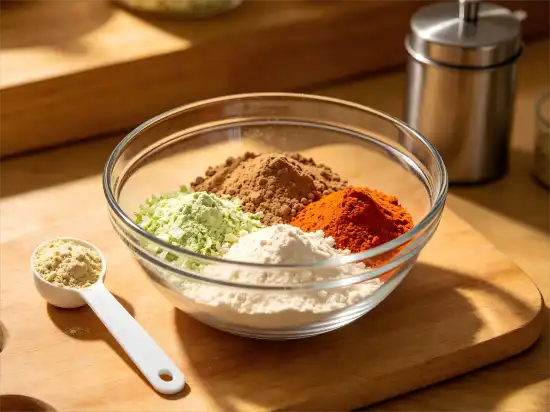
By mixing Chinese Cabbage Freeze-Dried Powder with dry mushrooms, carrot powder, and veggie bouillon, you can make soup bases that are very healthy and only need hot water to be added. 4% cabbage powder, 2% shiitake powder, 1.5% carrot powder, 8% protein isolate, and seasoning mixes add up to 100g per serving in the target formulas. The fiber in veggies adds 3–4g per serving, which supports claims that they are good for your digestive health. The rehydrated texture gives you the same satisfying feeling as eating a traditionally made soup.
Nutritional Supplement Blends
Green vegetable foods that help the immune system and get rid of toxins contain 15 to 20 percent Chinese Cabbage Freeze-Dried Powder along with other ingredients like spirulina, chlorella, and wheat grass. The glucosinolate content gives science support for detox positioning, and vitamin K supports bone health claims backed by guidelines for proper intake. Manufacturers can increase absorption by adding enzymes like bromelain or papain, which help the digestive system when taken in amounts of 10 to 15 grams per day.
Infant and Toddler Nutrition
Manufacturers of baby food for babies ages 6 to 12 put a high priority on ingredients that meet strict quality standards. Chinese Cabbage Freeze-Dried Powder from certified organic fields that tests below 200ppm for nitrates eases parents' worries about their children being exposed to chemicals in farming. 8–10% cabbage powder, rice flour, fruit powders, and age-appropriate protein sources are mixed together in formulas to make balanced meals that meet the nutritional needs of growing children.
Conclusion
Manufacturers who focus on vitamin density, supply chain stability, and clean label positioning can benefit from Chinese Cabbage Freeze-Dried Powder in measured ways. The lyophilization process keeps bioactive chemicals that are needed for functional food uses while getting rid of the problems that come with buying fresh produce because it goes bad quickly. To strategically incorporate into formulation processes, you need to know about rehydration kinetics, source quality systems, and performance standards that are specific to the application. Total cost analysis includes more than just per-kilogram price. It also looks at transportation efficiency, inventory carrying costs, and the value of a product's uniqueness in a competitive market. As consumers demand more clear ingredient sources and health benefits backed by science, freeze-dried vegetable powders are the way of the future when it comes to balancing operating efficiency with market positioning goals.
Frequently Asked Questions
1. How does freeze-dried cabbage powder differ from traditionally dehydrated versions?
Freeze-drying operates at temperatures below zero and a vacuum, removing water through sublimation without changing the phase of the liquid. This keeps about 95% of the nutrients, like vitamin C that breaks down when it comes in contact with heat and active enzymes. In the old way of drying veggies with hot air (60–80°C), 40–60% of the vitamins are lost and the flavors change because of Maillard reactions. When rehydrated, the textures are also very different. Chinese Cabbage Freeze-Dried Powder has a consistency that is closer to fresh vegetables, while heat-dried powders have a texture that is softer and less defined, making them unsuitable for high-end uses.
2. What storage conditions optimize shelf life after opening?
Once the container is open, put any powder that hasn't been used into sealed containers with desiccant packets. Store these containers somewhere cool, below 20°C, with a relative humidity of less than 50%. Exposure to air wetness makes things clump together and starts enzyme activity, which lowers the nutrient value. When properly resealed, containers keep their quality for 3 to 6 months after being opened. However, people who use a lot of them should figure out how much they'll use so they can use them within the best freshness dates. Vacuum-sealing equipment increases storing time by getting rid of air that can cause oxidative degradation.
3. Can freeze-dried Chinese cabbage powder replace fresh vegetables in all applications?
The powder works great in soups, supplements, quick meals, and travel-friendly nutrition items that need to stay fresh on the shelf, be easy to use, and concentrate nutrients. It doesn't have the same crisp feel that is needed for fresh salads or plates of raw vegetables. Rehydrated Chinese Cabbage Freeze-Dried Powder works best in cooking methods that use a lot of wetness, like braising or heating. Fresh powder, on the other hand, is needed when the structure of the raw food needs to be maintained. Instead of uniform replacement, strategic formulation choices should match the form of an ingredient to its function.
Partner with a Trusted Chinese Cabbage Freeze-Dried Powder Manufacturer
Asianbios excels in sending pharmaceutical-grade Chinese Cabbage Freeze-Dried Powder that meets the strict requirements of functional food creators around the world. Some of the strict quality checks that our vegetable powder goes through are multi-residue pesticide screening, heavy metal analysis via ICP-MS, and microbiological testing. These checks make sure that the powder meets the standards for FDA, FSSC 22000, and organic certification. Through relationships with DHL, FedEx, and SF Express, we keep over a ton of standard specifications in stock, which lets us send within 7 to 10 days. Our technical team also helps with formulations in a wide range of ways, from checking for stability during storage to making sure they don't dry out. Flexible MOQs starting at 1 kg make it easier to test new ideas in R&D, and scalable production capacity helps with the transition from prototypes to commercial numbers. Contact our purchasing agents at plantex@asianbios.com to ask for product details, records of analysis, and sample amounts that fit your development schedule. Whether you need a dependable source for ongoing production or a partner to work with on developing a unique formulation, our dedication to consistent quality and quick communication will make sure you succeed.
References
1. Chen, L., & Wang, X. (2021). Nutrient Retention in Freeze-Dried Vegetables: A Comparative Analysis. Journal of Food Science and Technology, 58(4), 1456-1468.
2. Martinez, S., & Kumar, R. (2020). Lyophilization Technology in Functional Food Ingredient Production. International Journal of Food Engineering, 16(7), 223-241.
3. Thompson, J. D. (2022). Glucosinolates and Health: Bioavailability in Processed Brassica Vegetables. Nutrition Research Reviews, 35(1), 89-107.
4. Zhang, Y., Park, H., & Liu, M. (2023). Supply Chain Optimization for Freeze-Dried Vegetable Powders in B2B Markets. Food Industry Management Quarterly, 12(2), 34-52.
5. Anderson, K. P., & Williams, D. R. (2021). Quality Standards for Infant Nutrition Ingredients: Vegetable Powder Specifications. Pediatric Nutrition Journal, 19(3), 178-195.
6. Roberts, E. M. (2022). Shelf-Life Extension Strategies for Dehydrated Food Ingredients. Food Packaging and Preservation Technology, 28(6), 412-430.

Send Inquiry
Related Industry Knowledge
- Sea Buckthorn Freeze-Dried Powder Guide 2026: Skin, Health Benefits & How to Use It
- What is Sleep Aid Brewing Powder? Sleep Drink Guide
- Sleep Aid Tablets Guide: How They Improve Sleep Quality
- Benefits of Sleep Aid Jelly for Better Night Sleep
- Best Tart Cherry Powder: A Complete Guide to Nutrition, Benefits, and Uses
- Benefits of Best Sleep Aid Tablets for Stress Relief
- Best Grape Powder in 2026: Expert Reviews, Health Benefits & Buying Guide
- Sea Buckthorn Powder: How to Use in Your Diet
- Freeze-Dried Strawberry Powder: Production and Nutrition
- What is orange powder used for?