What is Erythritol Made From? A Look at Its Sources and Production Process
As the need for healthy sugar substitutes grows around the world, erythritol has become one of the most famous sugar substitutes with no calories. Have you ever thought about what erythritol is made of and how it changes from raw materials to the crystal-like sweetener you find in sugar-free foods? This complete guide talks about the interesting history of how erythritol is made, from its natural sources to the advanced techniques used to make it. Understanding the Production Technology Of Erythritol is essential for food manufacturers, investors, and health-conscious consumers alike. Today, erythritol is a key ingredient in the sugar-free change. This piece will go into detail about where it comes from, the cutting edge fermentation methods used to make it, and its uses in industry.


Understanding the Sources of Erythritol
Natural Occurrence in Foods
Erythritol is found naturally in many fruits and fermented foods, such as mushrooms, grapes, melons, pears, and fermented foods like soy sauce and wine. Even though these natural sources only have small amounts, they show that erythritol comes from safe and natural sources. The modern Production Technology Of Erythritol tries to copy and scale up this natural process so that companies can make a lot of pure, food-grade erythritol that has the same chemical structure as the natural form that occurs in nature.
Starch-Based Raw Materials
Starch, which is usually made from corn or wheat, is the main ingredient used to make erythritol for sale. In countries with good farming facilities, like China and the US, these starches are easy to find and don't cost much. Enzymatic hydrolysis is a key step in the production technology of erythritol. It turns these starch sources into glucose. This glucose then acts as the base for fermentation. Countries that have a lot of starch are perfect for making erythritol on a large scale and at a low cost, so they can keep up with the growing demand around the world.
The Role of Microbial Fermentation
Microbial fermentation is the main step in making erythritol. This is where special types of yeast turn glucose into erythritol. The Production Technology Of Erythritol depends on high-yield, osmotic-pressure-tolerant microorganisms that can thrive in concentrated sugar environments. These carefully chosen yeasts and bugs are what make stable numbers and high purity possible. This biological method sets erythritol apart from chemically made sweets, making it a natural product that comes from fermentation that health-conscious people all over the world can trust.
| Erythritol Source | Type | Industrial Use |
|---|---|---|
| Corn starch | Plant-based | Primary raw material |
| Wheat starch | Plant-based | Alternative substrate |
| Grapes, melons, pears | Natural occurrence | Demonstrates safety |
| Fermented foods | Natural occurrence | Historical reference |
| Glucose from hydrolysis | Processed substrate | Fermentation feedstock |
The Production Technology Of Erythritol Explained
Step One: Fermentation Process Control
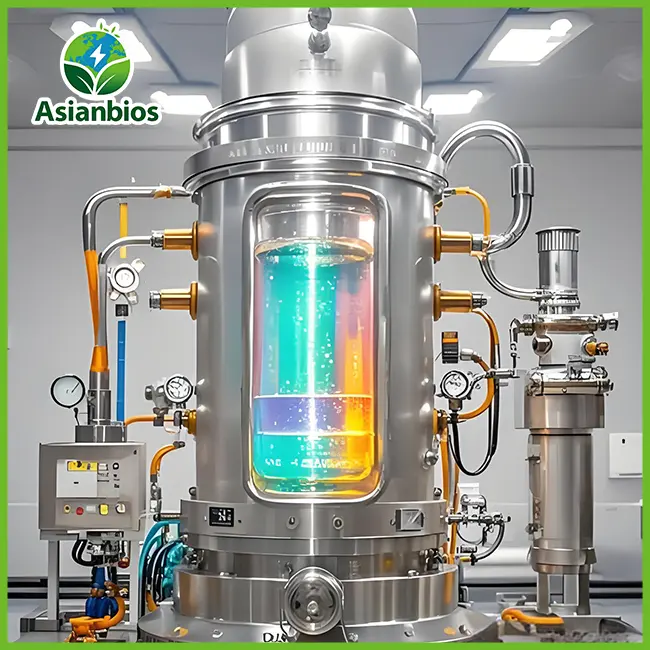
The fermentation stage is the most critical phase in the Production Technology Of Erythritol. In this process, high-yield bacterial types are added to glucose-rich solutions while temperature, pH, and osmotic pressure are carefully controlled. Microorganisms break down glucose and make erythritol as a result. Accurately controlling fermentation makes sure that the output stays stable and there aren't many impurities. This is what makes industrial-scale erythritol production dependable and cost-effective.
Step Two: Purification and Separation
After fermentation, the soup has erythritol in it along with cell debris, leftover sugars, and other waste products. To get pure erythritol, the Production Technology Of Erythritol uses advanced methods for separation and filtering, such as filtration, ion exchange, and decolorization. To make sure the food is safe for consumption, this step needs a strong separation and cleaning industry chain further down the line. The quality and marketability of the final solid product sent to makers depend on how pure it is during this step.
Step Three: Crystallization and Drying
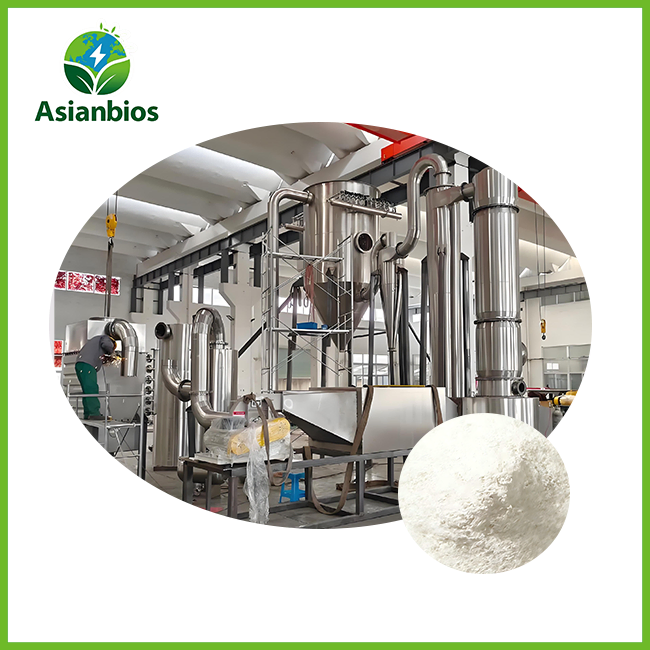
Crystallization and drying are the last steps in the Production Technology Of Erythritol. When the pure erythritol fluid is cooled and concentrated, pure erythritol crystals can form. Once these crystals are separated, they are washed and dried to make the white powder that is so distinctive. Advanced processing methods guarantee uniform particle size, high purity, and great stability. This makes a shelf-stable sweetness that is safe for food and can be packaged and sent to global markets in many different businesses.
| Production Stage | Key Process | Outcome |
|---|---|---|
| Hydrolysis | Enzymatic conversion | Glucose substrate |
| Fermentation | Microbial conversion | Erythritol-rich broth |
| Purification | Filtration & ion exchange | Pure erythritol solution |
| Crystallization | Cooling & concentration | Erythritol crystals |
| Drying | Moisture removal | White powder (final product) |

Key Advantages of Modern Erythritol Production
High Efficiency and Low Cost
One of the best things about modern methods for making erythritol is how efficiently they work. The Production Technology Of Erythritol leverages high-yield bacterial strains and optimized fermentation processes to maximize output while minimizing raw material consumption. Countries that have a lot of cheap starch and a well-developed fermentation system can save a lot of money. Because it is so efficient, companies can make erythritol at a price that meets the growing demand in the sugar-free food and drink market around the world.
Food-Grade Safety and Environmental Friendliness
These days, making erythritol puts both safety and environmental concerns first. The Production Technology Of Erythritol uses natural microbial fermentation rather than harsh chemical synthesis, resulting in a clean, food-grade product. Eco-friendly methods also reduce trash and damage to the earth. Because of this dedication to safety and sustainability, manufacturers can get international food safety certifications. This makes sure that their erythritol products meet strict global standards and please consumers around the world who are becoming more concerned about the environment.
Customization and Technical Support
To be successful with erythritol, you need more than just process understanding. You also need full implementation help. It is said that a good application is 30% process plus 70% translation. Asianbios offers Production Technology Of Erythritol that includes standard technical packages, customized process design, building new plants, upgrading existing lines, and ongoing technical support. This helps businesses build erythritol production operations that are profitable, legal, and long-lasting.
| Advantage | Description | Business Impact |
|---|---|---|
| High Yield | Efficient bacterial strains | Lower production cost |
| Low Cost | Cheap starch raw materials | Competitive pricing |
| Food-Grade Safety | Natural fermentation | International certifications |
| Eco-Friendly | Minimal waste processes | Sustainable operations |
| Technical Support | Full implementation packages | Faster market entry |
Industrial Applications of Erythritol
Sugar-Free Beverages and Food Products
Erythritol is a very popular ingredient in drinks and foods that don't have sugar. Manufacturers of sugar-free drinks, baked goods, candy, and dairy products can get all the help they need from the Production Technology of Erythritol. Its clean, sweet taste, lack of calories, and high stability make it perfect for replacing sugar without changing the taste or texture. This helps brands meet the growing demand from a wide range of customer markets for healthy, guilt-free treats.
Health Supplements and Table Sweeteners
Erythritol is an important part of health vitamins and table sugars, as well as common foods. The production technology of erythritol makes it possible to make clean, food-grade crystals that can be used in supplements and as a sweetener on their own. Many people are becoming more concerned about their health. Erythritol-based table sweeteners and vitamins provide a healthy choice to sugar that gives people the sweetness they want without the added calories.
New Investment Projects and Plant Construction
Erythritol offers good chances to make money for buyers and business owners who want to get into the sugar market. The Production Technology Of Erythritol helps new business projects by providing full technical services, such as building plants and designing processes. Businesses can make erythritol operations that take advantage of the rapid growth of the global healthy sugar alternative industry if they get expert advice on how to build their supply chains, sales teams, and stay in line with regulations.
Conclusion
To find out what erythritol is made of, you have to go from natural sources of starch through advanced bacteria fermentation, purification, and crystallization. The Production Technology Of Erythritol combines high-yield bacteria, precise process control, and eco-friendly methods to deliver a safe, cost-effective, zero-calorie sweetener. Erythritol is at the head of the sugar-free change. It has many uses in drinks, foods, vitamins, and new investment projects. It gives companies all over the world a powerful way to meet the growing demand for healthy sugar alternatives from consumers.
FAQ
Q1: What is the main raw material used in the Production Technology Of Erythritol?
A1: Starch, which is usually made from corn or wheat, is the main ingredient. Enzymatic breakdown changes this starch into glucose, which is then used as a building block for fermentation. Microorganisms with a high yield turn this glucose into erythritol. This means that countries with lots of starch are perfect for making a lot of it at a low cost.
Q2: Is erythritol produced through chemical synthesis or natural fermentation?
A2: Erythritol is not made chemically, but by natural bacteria fermentation. The Production Technology Of Erythritol uses specialized high-yield, osmotic-pressure-tolerant yeast strains to convert glucose into erythritol. This natural process makes a clean product that is safe for food and meets international safety standards.
Q3: Can your company help with building a new erythritol production plant?
A3: Of course! We offer full technical solutions, such as standard technical packages, unique process design, building new plants, upgrading current lines, and ongoing support. Remember that a good application is 30% process and 70% translation completion. We will help you with every step of the way.
Launch Your Erythritol Production Journey Today
Are you ready to capitalize on the booming sugar-free market with cutting-edge erythritol production technology? Asianbios, a Production Technology Of Erythritol supplier, is your trusted partner for complete erythritol manufacturing solutions. From standardized technical packages and customized process design to plant construction and ongoing technical support, we empower your success at every stage. With international certifications, high-yield processes, and expert guidance, we help you build a profitable, compliant, and sustainable operation. Don't miss the opportunity to enter this rapidly growing industry. Contact us today at plantex@asianbios.com to discuss your project, request samples, and discover how our erythritol technology can transform your business!
References
1. Moon, H. J., Jeya, M., & Lee, J. K. (2010). Biotechnological Production of Erythritol and Its Applications. Applied Microbiology and Biotechnology.
2. Rzechonek, D. A., Dobrowolski, A., & Mironczuk, A. M. (2018). Recent Advances in Biological Production of Erythritol. Critical Reviews in Biotechnology.
3. Park, Y. C., Oh, E. J., & Jo, J. H. (2016). Microbial Production of Erythritol: Strain Development and Process Optimization. Bioprocess and Biosystems Engineering.
4. Tomaszewska, L., Rywinska, A., & Rymowicz, W. (2014). High Selectivity of Erythritol Production from Glycerol by Yarrowia Lipolytica. Biomass and Bioenergy.
5. Carly, F., & Fickers, P. (2018). Erythritol Production by Yeasts: A Snapshot of Current Knowledge. Yeast Journal of Industrial Microbiology.
6. Mironczuk, A. M., Furgala, J., & Rakicka, M. (2014). Enhanced Production of Erythritol by Yarrowia Lipolytica on Glycerol in Repeated Batch Cultures. Journal of Industrial Microbiology and Biotechnology.

Send Inquiry
Related Industry Knowledge
- What Is Glucoamylase Production Technology and How It Works
- Health Benefits of Polygonatum Peptide and How to Identify the Quality
- The Sweet Talk on Stevia Extract: Is It Safe to Consume?
- How Isoleucine Production Technology Supports High Efficiency
- Uses of Glutathione Production Technology in Pharma
- How to Use Chinese Cabbage Freeze-Dried Powder: Benefits and Daily Recipes
- Best Tart Cherry Powder: A Complete Guide to Nutrition, Benefits, and Uses
- What is apple green powder?
- Why freeze dried strawberry powder is perfect for smoothies and baking?
- Uses of Lysine Production Technology in Animal Nutrition