What Is Glutathione Production Technology Explained?
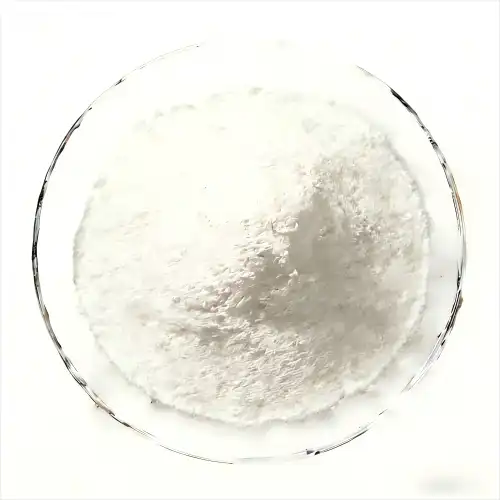
Glutathione Production Technology is the advanced industrial methods used to make, remove, and clean glutathione, which is an important antioxidant made up of glutamic acid, cysteine, and glycine connected by a unique γ-glutamyl bond. Chemical synthesis methods from the past made inactive α-isomers and harmful solvents that were left over. Today's production depends on advanced microbial fermentation using genetically optimized Saccharomyces cerevisiae strains and enzymatic biocatalysis. This change solves important problems in the industry, like low yield, high manufacturing costs, inefficient ATP recovery, and environmental compliance. Today's fermentation-based methods produce pharmaceutical-grade reduced glutathione (GSH) that is purer than 98.5%. They can achieve industrial-scale yields of 8–10 g/L while remaining environmentally friendly and avoiding the contamination risks that come with options that are drawn from animals or made chemically.
Introduction
Glutathione is one of the strongest antioxidants that our bodies make naturally. It is an important part of protecting cells, getting rid of toxins, and keeping our immune systems healthy. It is used in a lot of different things, like cosmetics, useful foods, dietary supplements, and even answers for animal health problems. As the world's population ages, people become more health conscious, and the market for skin care grows, the demand for high-purity glutathione keeps going up. This puts more pressure on B2B procurement professionals to understand the production technologies that determine product quality, cost-effectiveness, and regulatory compliance.The glutathione supply chain has changed a lot since standard chemical synthesis gave way to biotechnology-driven production. Choosing the right production method and working with reliable providers has a direct effect on the final product's safety, effectiveness, and ability to compete in markets that are already full. This detailed guide gives people who make decisions in functional food companies, dietary supplement brands, cosmetics manufacturers, raw material distributors, and bio-fermentation solution providers the technical information they need to make sense of the different technologies available and find sustainable, scalable glutathione sources that meet strict international standards like the USP, EP, and JP pharmacopeias.
Understanding Glutathione Production Technology
Live cells naturally synthesize glutathione via a well organized chain of enzymes that need cofactors and energy. Two crucial enzymes act in a certain sequence in cells. First, gamma-glutamylcysteine synthetase uses ATP to combine glutamate and cysteine. Second, glutathione synthetase adds glycine to complete the tripeptide. NADPH must continuously reaching the molecule to keep it reduced, which is important for antioxidant activity.Turning this biological system into a large-scale industrial process requires bioprocess engineering. Three primary manufacturing pathways have been established after decades of research. Industry began with chemical synthesis. Organic interactions involving hazardous compounds and protective groups occur in various phases. However, it invariably produces stereoisomers and solvents that make food and medicine unsafe. Microbial fermentation develops modified yeast or bacteria that use their own metabolic routes to manufacture glutathione within cells utilizing whole-cell biocatalysis. Enzymatic synthesis involves regulated reaction tubes and purified enzymes. This provides precise control but struggles to regenerate cofactors and stabilize enzymes at scale.Glutathione's molecular structure is complex, particularly since it contains a unique gamma-peptide connection joining glutamate to cysteine instead of the more typical alpha-peptide linkage. Choosing the correct manufacturing process is crucial. Chemical methods typically yield inactive isomers that fail regulatory and efficacy assessments. Only biological approaches can guarantee bioactive molecule configuration.
Comparison of Glutathione Production Technologies
Chemical Synthesis vs. Biological Methods
Chemical synthesis uses organic solvents and heavy metal catalysts, generating dangerous waste and high chemical oxygen demand (COD) in wastewater. It struggles with achieving stereochemical purity, often producing inactive alpha-isomer pollution. In contrast, biological methods, like microbial fermentation with genetically modified Saccharomyces cerevisiae, avoid these issues by using natural processes. Fermentation uses green materials like glucose and ammonium sulfate, producing biodegradable waste. Genetic engineering has increased glutathione yields by 3-5 times compared to traditional methods, making biological production more efficient and sustainable.
Advanced Fermentation Technology
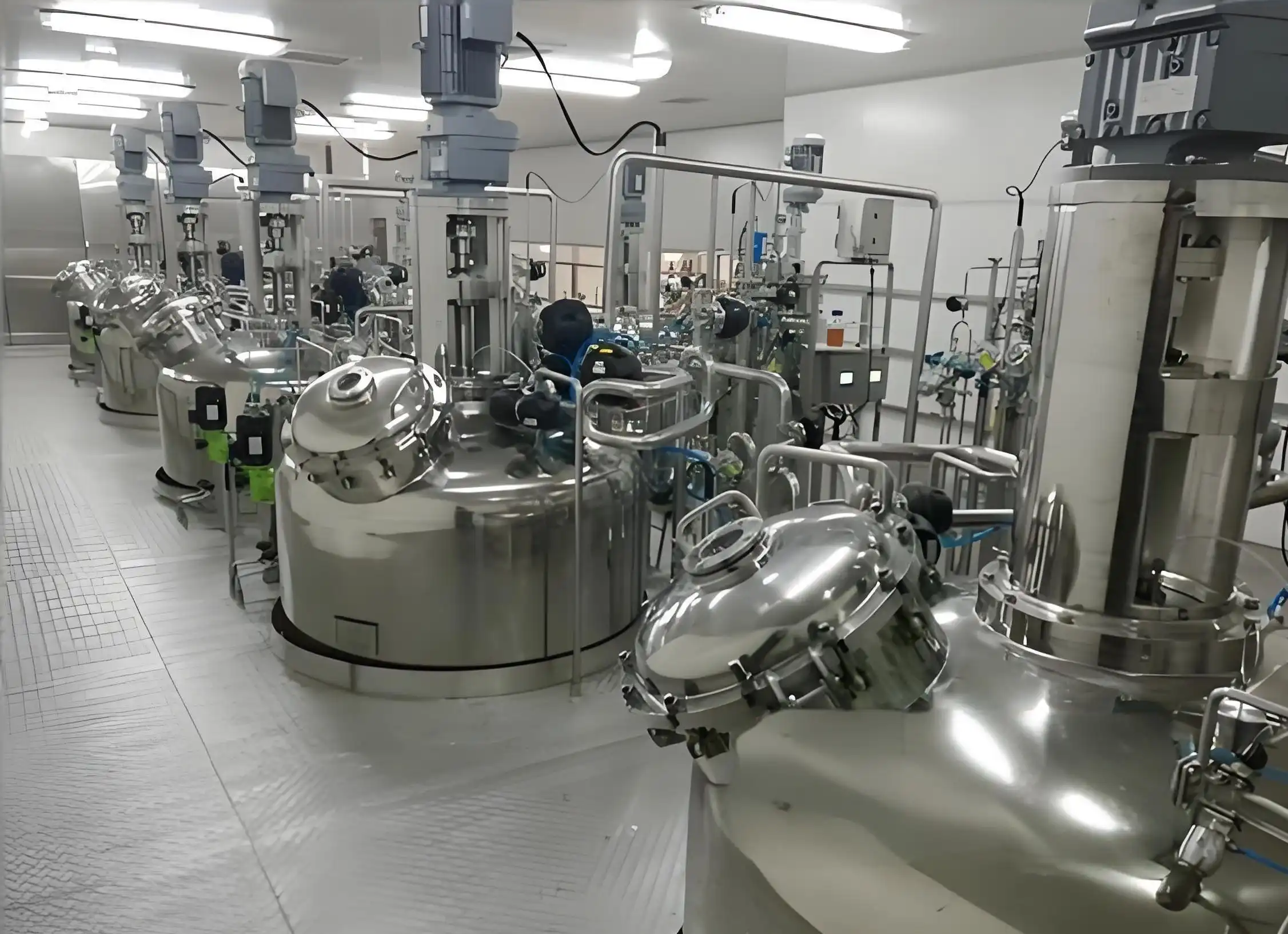
Modern Glutathione Production Technology fermentation is a tightly controlled biological process that needs exact control of all parameters. The mix of carbon and nitrogen in the fermentation medium keeps the ratios in check while adding L-cysteine through limited feeding methods. Too much cysteine stops cells from growing, but not enough limits the production of glutathione. Keeping the pH between 5.5 and 6.5 promotes enzyme activity, and high amounts of liquid oxygen help the aerobic metabolism needed for making energy and reducing power (NADPH). During the 48–72-hour fermentation cycle, the whole thing is kept under constant nitrogen blanketing and micro-positive pressure to stop reactive decay. Adding ascorbic acid to the medium protects against free radicals even more.Genetic engineering has changed how well strains work in huge ways. Metabolic engineering techniques increase the levels of two important synthetic enzymes, GSH1 (gamma-glutamylcysteine synthetase) and GSH2 (glutathione synthetase), while decreasing the activity of gamma-glutamyl transpeptidase (GGT), which breaks down glutathione. More changes make it easier for cysteine to be transported and improve the metabolic pathways that provide the NADPH cofactor. This makes strains that can put up to 15% of their energy into making glutathione. These improved production strains reach fermentation broth titers of 8–10 g/L on an industrial scale. These are amounts that are good for business and allow for competitive manufacturing.
Downstream Processing and Purification
Fermentation creates biomass that is high in glutathione, but it takes careful handling after fermentation to separate and clean the tripeptide to medicinal standards. Using centrifugation to collect cells compresses the biomass. Next, the cell walls are gently broken down by enzymatic hydrolysis or high-pressure homogenization. Using strong acids or bases for chemical lysis could oxidize the product and introduce impurities. EDTA (to bind metal ions) and ascorbic acid (as an antioxidant) are used in reductive buffer extraction to free glutathione inside cells while keeping it in its reduced state.Multiple stages of cleaning make sure the quality of the end product. Activated carbon decolorization gets rid of colors and big molecular weight contaminants. Ion exchange chromatography then uses charge differences to separate glutathione from remaining proteins, amino acids, and nucleotides. Ultrafiltration desalination gets rid of salts with low molecular weight and makes the product stream more concentrated. To stop auto-oxidation, the whole cleaning process works in an atmosphere of low temperature, inert gas, and safety from light. The finished white powder that is made by freeze drying has a reduced GSH purity of ≥98.5% (HPLC), an oxidized GSSG content of ≤1.0%, and endotoxin levels of ≤0.1 EU/mg. It meets the requirements for injection-grade pharmacopeia and can be used in the most demanding medicinal applications.
Optimizing Industrial Glutathione Production
Strain Selection and Genetic Engineering
Strain selection and genetic engineering are crucial for efficient production. Wild-type yeast stores minimal glutathione, so genetic modifications are necessary, such as amplifying biosynthetic enzymes, optimizing codon usage, and eliminating competing metabolic pathways. Strain engineering also involves improving resilience to fermentation stresses like high substrate levels and fluctuating oxygen. Adaptive laboratory evolution selects strains that withstand harsh conditions, ensuring consistent high yields over multiple fermentation cycles. Companies with proprietary strain libraries hold a competitive edge, often keeping them as trade secrets.
Fermentation Parameter Control
To optimize fermentation output, key parameters must be tightly controlled. Temperature is maintained at 28–32°C to stabilize metabolic rate and prevent heat stress. Dissolved oxygen is carefully regulated, as it’s crucial for NADPH production, though excess oxygen can harm the product. Nutrient feeding methods, like fed-batch and continuous feeding, prevent substrate blockage and maintain steady cell growth. Advanced process control systems use real-time sensor data (pH, oxygen, glucose, etc.) to adjust feeding rates, maximizing output and minimizing costs.
Sustainable Production Practices
Environmental responsibility and cost-effectiveness are becoming more and more similar in modern industry. Making Glutathione Production Technology through microbial fermentation is more environmentally friendly than chemical synthesis because it uses reusable materials, produces trash that breaks down naturally, and requires a lot less dangerous material handling. Leading producers make these benefits even greater by focusing on constant growth programs that aim to reduce waste, water use, and energy use.Increasing the titer of a bioprocess directly lowers its impact on the environment by lowering the amount of energy, space, and trash needed for fermentation per kilogram of final product. Upstream process improvement, like switching from multiple chromatography steps to a single membrane-based separation, lowers the amount of liquid needed and shortens the time needed for processing. Closed-loop water recovery systems collect and clean process water so it can be used again. This cuts the amount of freshwater needed by 60–80% compared to once-through operations. These uses of green technology are in line with global standards for sustainability and offer real cost savings. This makes for strong business cases that meet both financial and corporate responsibility goals.
How to Choose the Right Glutathione Production Technology for Your Business
Aligning Technology with Business Requirements
Choosing the right production technology depends on business goals and production scale. Small-scale production, such as lab batches, may benefit from purchasing finished glutathione, while large-scale production might require proprietary fermentation technology or licensing deals. The technology selected should match the purity needs of the end-use application. Pharmaceutical-grade materials require stringent quality control, while cosmetic-grade and food-grade materials have slightly less strict standards. Understanding market regulations helps select the appropriate technology without over-engineering or unnecessary costs.
Cost Analysis and Return on Investment
To make smart choices about technology investments, you need to do more than just compare capital costs. You need to do detailed financial planning as well. Building your own fermentation facility requires a lot of money up front. For commercial-scale installs, bioreactor systems, downstream processing equipment, quality control labs, and building infrastructure can easily cost over a million dollars. To figure out payback times and return on investment, these capital costs must be compared to the cost of production per kilogram, the estimated production volumes, and the market price.Instead, buying glutathione from specialized companies turns capital investment into running cost and gives you instant access to tested technology without any development risk. This method works well for new companies, companies that aren't sure how much demand there will be, or companies that would rather use their own resources on marketing and design than production. Contract manufacturing and toll processing are choices in the middle ground. They give you dedicated production space without giving you full ownership of the building. Each business plan has its own risk-reward balance that needs to fit with your company's budget, willingness to take risks, and long-term goals.
Evaluating Technology Suppliers and Partners
Doing your research before choosing a technology partner will protect your investment and help you succeed in the long run. Suppliers you can trust show they have a track record by using reference sites, public performance data, and offering pilot-scale demos using your specific raw materials and process conditions. Technology companies should offer complete packages that include not only tools and strains, but also thorough process paperwork, training programs, help with troubleshooting, and ongoing technical support during the optimization and scale-up phases.When thinking about intellectual property, you should pay close attention. Some deals to license technology put limits on how the product can be sold, where it can be used, or the types of markets that can be reached. Knowing these limits ahead of time keeps disagreements from becoming expensive later on. The patent situation for making glutathione is getting more complicated, with claims that cover different types, process conditions, and ways to clean the product. Technology partners with a good reputation give clear compensation terms and freedom-to-operate studies that show their products don't violate third-party rights.
Leading Glutathione Production Technology Providers in the Market
The Glutathione Production Technology biosynthesis sector features several established technology suppliers, though the market remains considerably less concentrated than mature chemical processes. Chinese biotechnology businesses are big participants because they provide affordable technology kits for cosmetics and food. Fermentation and extraction professionals include Asianbios. Their plant extract expertise helps them create glutathione. Their real-world technology portfolios combine proven fermentation technologies with efficient purification procedures to balance industrial quality and cost. The "30% process + 70% localization implementation" strategy understands that technology transfer takes more than tools. Finding raw resources, putting up quality processes, and educating people how to utilize the technology need complete assistance.Advanced robotics and process analysis help European bioprocess engineering firms produce glutathione. Real-time monitoring, powerful control algorithms, and data analytics technologies improve production and provide regulatory-compliant records. These expensive solutions reduce batch failures and maximize equipment utilization, improving stability and lowering operating costs.Buyers should ask several questions while talking to providers. This should include strain characteristics and performance data, fermentation process parameters and expected yields, downstream processing flowsheets with material balances, quality control protocols and specification ranges, equipment lists with capacity ratings, utility requirements and operating cost estimates, technology transfer timelines and training programs, and ongoing support terms like strain access and problem solving. You may pick a supplier with confidence by carefully considering technical competence, commercial terms, and long-term possibilities.
Conclusion
Glutathione Production Technology has come a long way, from chemical synthesis, which wasn't very efficient, to complex microbial fermentation platforms, which can make pharmaceutical-grade material at prices that businesses can afford. Modern production uses metabolically modified yeast strains, precise fermentation control, and gentle filtering ways to get purity levels above 98.5% while keeping the biologically active reduced form that is needed for medicinal effectiveness. This change in technology has made it easier for everyone to get high-quality glutathione. It can now be used in a wide range of products, including drugs that protect the liver, skin care products that fight age, immune-boosting vitamins, and functional food mixes.Successful glutathione sourcing requires understanding not only the technical distinctions between production methods but also how these differences impact product quality, manufacturing economics, and sustainability profiles. To successfully source glutathione, you need to know not only the scientific differences between the different ways it is made, but also how these differences affect the quality of the product, the cost of making it, and its environmental effect. To make smart decisions about whether to build your own production facilities, license tried-and-true technology, or work with specialized makers, you need to know a lot about the technology and carefully evaluate each provider. Companies that carefully invest in advanced production technology and stable supply partnerships will gain a competitive edge in the health and wellness markets, which are growing quickly.
Frequently Asked Questions About Glutathione Production Technology
1. What distinguishes fermentation-based production from enzymatic synthesis?
In fermentation, full living cells, commonly modified yeast, produce and store glutathione via their regular metabolic pathways. Glutathione removal from cell debris and growth medium components requires several sophisticated downstream procedures. Pure, isolated gamma-glutamylcysteine and glutathione synthetases are used in controlled reaction tubes for enzymatic synthesis. For quicker response times and simpler cleansing. Enzymatic methods are harder and costlier due to ATP and cofactor replenishment. This makes industrial fermentation cheaper while taking longer.
2. How do manufacturers prevent glutathione oxidation during production?
Quality must be handled throughout the production process since reduced GSH becomes oxidized GSSG. Nitrogen blanketing and micro-positive pressure keep air out of fermentation vessels and processing equipment; antioxidants like ascorbic acid in fermentation media and extraction buffers neutralize free radicals chemically; low purification temperatures slow oxidation; EDTA chelation removes trace metals that speed up oxidation reactions; and quick freeze-drying, Multiple defenses ensure the finished product has less than 98% GSH and negligible GSSG contamination.
3. Does fermentation-produced glutathione meet international pharmaceutical standards?
With proper cleaning and quality control, high-grade fermentation technology always generates glutathione that fulfills USP, EP, and JP standards. Compliance standards include HPLC test purity of at least 98.0%, an oxidized form (GSSG) of no more than 1.0%, heavy metals of no more than 10 ppm, endotoxin levels of 0.1 EU/mg for injections, and no microorganisms. Authentic manufacturers preserve Drug Master Files that detail their production process and offer comprehensive certifications of analysis with each batch. Pharmaceutical regulatory applications for global sales benefit from this.
Partner with Asianbios for Advanced Glutathione Production Solutions
Asianbios is very good at making glutathione because they know a lot about microbial fermentation technology and natural product biosynthesis. They can give you complete solutions that are perfect for your business. Our technology platform produces pharmaceutical-grade material that is more than 98.5% pure. This is done by using optimized fermentation processes with GRAS-certified Saccharomyces cerevisiae strains and gentle extraction methods that keep the bioactivity while meeting strict quality standards. Our manufacturing services go beyond just providing materials. We also offer professional formulation creation, OEM/ODM services for a variety of dosage forms, and expert advice for adding glutathione to functional foods, dietary supplements, and cosmetics. We make sure that all of our products follow the rules in every market around the world by having standards like CGMP, FSSC22000, ISO9001, HALAL, KOSHER, and Organic. Our established logistics relationships with DHL, FedEx, and SF Express allow us to send quickly. For urgent needs, we also offer a 7–10 day green channel service. This helps keep your projects on schedule. Our team is ready to help you succeed whether you're a functional food business, a dietary supplement brand, a cosmetics maker, or a raw material dealer looking for a reliable glutathione provider. Contact Asianbios today at plantex@asianbios.com or visit asianbios.com to discuss your specific glutathione production technology needs and receive customized solutions backed by proven expertise and responsive technical support.
References
1. Forman, H.J., Zhang, H., and Rinna, A. (2009). Molecular Aspects of Medicine, 30(1-2), 1–12. "Glutathione: Overview of its protective roles, measurement, and biosynthesis."
2. Lin, U.A., Schmidell, W., Aquarone, E., and Borzani, W. (2001). Volume 2, Editora Edgard Blücher, São Paulo, has "Biotechnology Industrial: Fermentation Technology."
3. Li, Y., Wei, G., and Chen, J. (2004). Applied Microbiology and Biotechnology, 66(3), 233-242. "Glutathione: A review on biotechnological production."
4. Paul Penninckx, M.J. Elskens, M.T. (1993). "Metabolism and functions of glutathione in micro-organisms." Advances in Microbial Physiology, 34, 239–301.
5. Sies, H. (1999). Free Radical Biology and Medicine, 27(9–10), 916–921. "Glutathione and its role in cellular functions."
6. Xu, H., Zhang, W., and Wang, Q. (2020). "New steps forward in using microbes to make glutathione for biotechnology purposes." Applied Microbiology and Biotechnology, 104(11), 4685–4705.

Send Inquiry
Related Industry Knowledge
- Best Tart Cherry Powder: Benefits for Sleep, Inflammation, and Muscle Recovery
- What are the benefits of apple powder?
- Benefits of Advanced Vitamin C Production Technology
- What Is Threonine Production Technology Explained?
- What is apple green powder?
- Benefits of Glutathione Production Technology in Industry
- Benefits of Threonine Production Technology in Feed Additives
- Sleep Aid Brewing Powder Uses in Nighttime Routine
- Tart Cherry Powder for Women: Benefits & How To Use It
- Kiwi Dried Powder for Drinks: Boost Flavor and Nutrition