What Is Threonine Production Technology Explained?
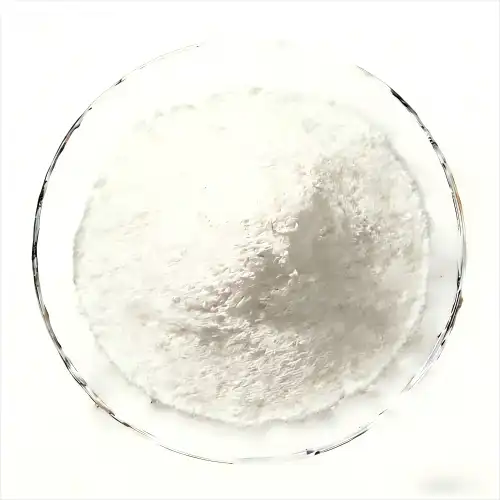
L-threonine is one of nine necessary amino acids that both people and animals can't make on their own. It is an important part of making proteins, keeping the immune system healthy, and absorbing nutrients. Threonine Production Technology is the process of making L-threonine on an industrial scale using microbial fermentation methods, mostly with biologically modified types of bacteria like Escherichia coli and Corynebacterium glutamicum. With this technology, glucose from corn or cassava starch or other green carbon sources is turned into high-purity threonine through controlled fermentation. This is followed by steps for processing such as membrane filtration, ion exchange resin adsorption, and crystallization. As a result, a white to light yellow crystalline powder is made that is more than 98.5% pure and meets worldwide standards for use in food, medicine, and feed.
Understanding Threonine Production Technology
The Growing Demand for L-Threonine Across Industries
Changes in how much protein people eat around the world are changing how amino acids are made. L-threonine is the second most important amino acid for pig feed and the third most important for chicken feed. It is therefore essential for modern animal farming. High-purity threonine is used in the pharmaceutical industry for parenteral nutrition solutions and antibiotic synthesis, as well as in the functional food business to make enriched drinks and nutritional additives. Recent market studies show that the threonine market is still growing at a rate that is higher than 6% per year. This is because more people in developing economies are eating meat and environmental laws are becoming tighter, which supports more sustainable production methods.
Primary Production Pathways: Fermentation vs. Chemical Synthesis
There are two main ways that industrial threonine is made. Chemical synthesis is historically important, but it includes dangerous chemicals and complicated processes that happen over many steps. It also creates racemic mixtures that need to be separated optically, which is an expensive process. Because of its better economic and environmental profile, modern Threonine Production Technology strongly supports microbial fermentation. This biotechnological method is 100% specific for L-isomer, doesn't use any harmful intermediates, and goes straight from green feedstocks to the target molecule. The move toward fermentation is part of a larger trend in industrial biotechnology where chemical plants are being replaced by companies made of live cells.
Key Microbial Strains Powering Production
Microbes that have been carefully modified are the building blocks of fermentation-based threonine production. Using metabolic engineering to change Escherichia coli strains improves threonine biosynthesis by moving carbon from competing pathways and removing natural mechanisms that stop feedback. In the same way, Corynebacterium glutamicum, which has been used to make amino acids since the 1950s, works well in factory settings where there is a lot of food. Methods like random mutagenesis, rational design (which targets specific enzymes like homoserine dehydrogenase), and systems biology (which rebalances whole metabolic networks) are used to make these strains better. Because of this, microbes are now able to produce threonine at levels higher than 120 grams per liter.
Core Production Steps: From Feedstock to Finished Product
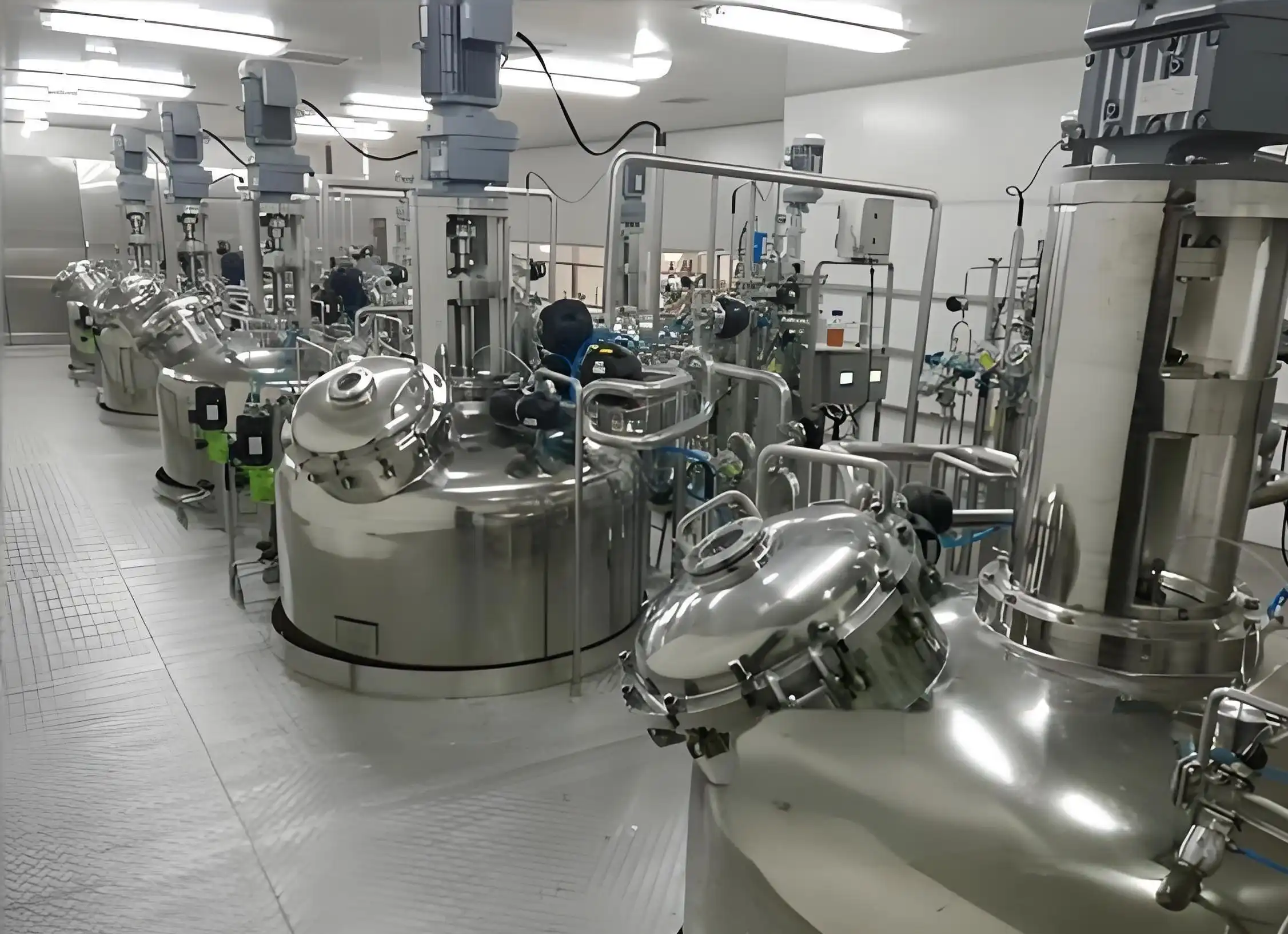
The production of threonine starts with strain preservation and seed culture in clean tanks. In fermentation, liquid ammonia provides nitrogen, and digested starch sugars supply carbon, with temperature and pH tightly controlled. Fermentation lasts 40-50 hours, monitored for oxygen, pH, and gas levels. After fermentation, membrane filtration removes waste, ion exchange resin isolates threonine, and activated carbon removes color. Crystallization purifies it, and the final drying creates a white to light yellow powder, packed for shipment based on customer needs.
Evolution and Innovation in Threonine Production Technologies
Limitations of Traditional Chemical Synthesis
In the beginning, making threonine depended on chemical routes that began with petroleum feedstocks. These processes needed a lot of steps to protect and deprotect things, made a lot of dangerous waste, and had bad atom economy, which meant that only a small amount of the materials that went into them ended up in the final result. Because chemically manufactured threonine was racemic, it was necessary to do expensive chiral resolution, and leftover contaminants made it hard to use in food and medicine. Chemical synthesis was losing ground to biotechnological options because it became more expensive to follow environmental rules and there was pressure to lower carbon loads.
Breakthroughs in Metabolic Engineering
Recent breakthroughs in metabolic engineering have optimized threonine production by overcoming natural feedback inhibition in bacteria. Mutations in key enzymes allow continuous synthesis, while rate-limiting enzymes like aspartate kinase and homoserine dehydrogenase are enhanced. A new approach, "nutrient deficiency plus feedback inhibition release," directs cells to prioritize threonine production by controlling nutrient availability and releasing molecular brakes on enzymes. This method reduces contaminating amino acids, simplifies purification, and achieves over 50% carbon conversion efficiency from glucose to threonine.
Innovations in Bioreactor Design and Process Control
Innovations in bioreactor design and process control have significantly improved production efficiency. Modern bioreactors feature real-time monitoring of factors like dissolved oxygen and CO2 release, with intelligent systems adjusting nutrient feeds to optimize cell metabolism. Pulse-feeding prevents glucose buildup and unwanted byproducts, while advanced aeration maximizes oxygen transfer with minimal energy. Continuous and semi-continuous fermentation modes offer stable, long-term production, reducing downtime and improving product consistency. Membrane filtration integrated into fermenters allows higher cell densities and better mass productivity than traditional batch processes.
Sustainability as Competitive Advantage
Environmental performance used to be a legal burden, but now it's a key differentiator in the amino acid production process. Threonine Production Technology based on microbial fermentation naturally has environmental benefits because it uses green farming feedstocks instead of petroleum-based products. The carbon impact of modern facilities is 65% smaller than that of chemical synthesis routes, when looking at the whole lifespan. Closed-loop recycling systems use less water because biochemically cleaned fermentation effluents are used as process water again after being recycled.One interesting thing is that the bacterial cell mass that is left over after threonine extraction is used. Instead of being thrown away as trash, wasted biomass is used to make organic fertilizers or protein-rich feed products. The "grain to amino acid to agriculture" closed loop is shown by this circle method, which turns a possible waste stream into useful byproducts. Companies that care about sustainability see reducing waste and making the best use of resources as ways to gain a competitive edge. This is because they know that corporate customers are under more and more pressure to show that their supply chains are environmentally responsible.
Comparing Key Production Technologies for Informed Procurement
Cost Structures: Chemical Synthesis vs. Microbial Fermentation
In the end, economic factors determine which method is used to make amino acids. Chemical synthesis has high fixed costs for special units that can handle corrosive intermediates, as well as large variable costs for expensive chemicals and cleaning up trash. Costs are spread out differently in fermentation-based routes. The low changeable costs for farming feedstocks balance out the modest fixed costs of stainless steel bioreactors and downstream equipment. In fermentation facilities, the main things that cost money to run are utilities, especially power for cooling and air, and enzyme cofactors or trace nutrients.Break-even studies always show that fermentation is the best way to go for production levels above several hundred metric tons per year. The split point keeps moving because improvements in metabolic engineering make fermentation yields higher and rules about the environment make chemical synthesis more expensive. This is reflected in the current market prices, where fermentation-derived threonine commands a competitive price despite being more pure and environmentally friendly. When reviewing providers, procurement teams should ask for specific cost breakdowns that include rates of feedstock usage, energy intensity per kilogram of product, and waste treatment costs. This will allow them to make accurate comparisons of the total cost of ownership.
Production Efficiency and Quality Metrics
Metrics for efficiency give us a way to compare technologies that goes beyond just looking at costs. Today's fermentation methods can reach titers of more than 120 grams per liter and production rates of more than 3.5 grams per liter per hour. This means that a 100-cubic-meter fermenter can make more than 12 metric tons of threonine per batch. The mass-based conversion rates from glucose to threonine are higher than 50%, which is a very high level of efficiency given how complicated cellular metabolism is. These performance traits directly lead to smaller machine footprints and lower capital costs for reaching output goals.Specifications for quality show important differences between ways of making things. Fermentation only creates the physically active L-isomer, and the optical purity is higher than 99%. Chemical synthesis, on the other hand, makes racemic mixes with useless D-threonine that need to be separated. The level of purity usually goes above 98.5% for feed grade and 99% for pharmaceutical grade material. Heavy metal pollution is well below the strict limits set by FAMI-QS and US Pharmacopeia. Since there are no chemical synthesis leftovers, there are no worries about toxic impurities. This provides important safety gaps for food and drug uses.
Environmental Impact and Regulatory Compliance
As global regulations and company promises to sustainability get stricter, environmental profiles play a bigger role in purchasing choices. When fermentation-based manufacturing is used, the waste streams are biodegradable and can be treated biologically. This is very different from chemical synthesis leftovers that need to be burned or thrown away as toxic waste. Carbon footprint studies clearly show that biotechnology methods are better, especially when power comes from green sources or from combined heat and power systems that use the least amount of energy.Regulatory environments are different in each area, but there is a general move toward tighter environmental standards that support biotechnology processes. The REACH rules in the European Union make it very hard to follow for chemical synthesis routes that use dangerous substances. On the other hand, fermentation routes that use organisms that are usually thought to be safe have less strict rules to follow. Threonine Production Technology makes it easy for companies that sell to customers in other countries to follow the rules in each one. To keep the supply chain running smoothly, buying teams should check sellers' environmental permits, ask for data on emissions and effluent, and look at their compliance management systems.
Equipment and Technology Licensing Considerations
Getting capital tools is a big part of building up production capacity for threonine. For fermentation plants to work, they need bioreactors made of stainless steel that have high-tech instruments, high-efficiency sorting tools like membrane systems and chromatography columns, and crystallization units that can precisely control the temperature. The equipment needs to be able to handle the production levels and grades that are planned. For medicine uses, extra paperwork and proof are needed, but not for feed uses. Leading equipment providers offer turnkey solutions that include all steps of a process and come with guaranteed performance standards. This lowers the technical risk for new businesses that want to get into the market.Technology licensing methods are an option to developing production strains and processes in-house. Well-known companies that make amino acids license strain-process packages that have been shown to work. These packages include bacterial strains, fermentation methods, and technical help to make sure the process goes smoothly. Licensing deals usually include an initial payment plus ongoing fees that are based on production numbers. This lets new companies get into the market without having to spend a lot of money on research and development. When companies negotiate agreements, they should make sure that there are clear rules about who owns intellectual property, what areas are covered, and how technology can be updated as it gets better. Whether to license or create something on your own relies on your technical skills, how quickly you need to get it to market, and where you want to be in the value chain.
Selecting the Right Production Technology for Your Business
Matching Technology to Operational Scale
Size of production has a big impact on the right technologies to use. Batch fermentation can be done in tanks ranging from 500 liters to 10 cubic meters, which is a good balance between freedom and efficiency for small businesses that serve niche markets or make pharmaceutical-grade materials. These systems are flexible enough to handle switching between goods often and quickly adapt to changes in market demand. Medium-sized farmers who are trying to sell their products in regional feed markets usually use 50- to 100-cubic-meter fermenters that can be used in batch or fed-batch modes. This helps them save money while keeping things simple to run. Investing in 200-cubic-meter or bigger continuous fermentation systems that maximize volumetric output and reduce unit costs is a good idea for large-scale production of goods for global feed markets.Threonine Production Technology that can be expanded is very important for businesses that are growing. Modular systems that let you add small amounts of capacity by running multiple fermentation trains give you options that you can't get with a single large-scale installation. Companies should check to see if the equipment providers they work with offer systems that work with different sizes, so the process can be moved from test production to commercial production without having to be completely redesigned. The earlier successful implementation formula (30% process technology plus 70% localization, which includes infrastructure, supply chains, and team building) shows that choosing the right technology for fermentation includes more than just the hardware itself. It also includes the whole operating environment.
Critical Selection Criteria for Procurement Teams
When selecting technology, procurement teams must consider more than size. Yield performance directly impacts raw material costs, which make up 40-60% of total output costs. Energy efficiency affects both operating costs and environmental impact, while consistent product quality reduces quality control costs. Compliance with stricter environmental regulations is crucial, and technologies that minimize waste, recycle water, and lower emissions may benefit from carbon credits. Procurement evaluations should include lifecycle cost analyses, considering operating, maintenance, and regulatory compliance costs over 10-15 years.
Tailored Approaches for Different Business Models
Technology plans need to be tailored to each type of business model. Original equipment makers (OEMs) that are building their own threonine production capacity can use approved, proven technology packages to speed up time to market and lower technical risk. During the start-up phase, these businesses put an emphasis on reliable operations, uniform quality, and expert help. Distributors and trade businesses may look for relationships with well-known manufacturers that offer private-label or contract manufacturing. This way, they can get a steady supply while reducing the amount of cash they need.End-users in food industry or animal nutrition are increasingly looking to backward integrate into amino acid production to get key materials and make money. Usually, these businesses begin with smaller, specialized production lines that only meet their own needs. Later, they may decide to start selling to other businesses. When choosing technologies, it's important to think about how they will grow in the future so that initial purchases are still useful as production increases. As technology changes, partnerships with biotechnology solution providers that offer ongoing process optimization and strain improvement help businesses stay competitive.
Evaluating Suppliers Beyond Technology
Supplier evaluations go beyond technology, focusing on creativity and service. Leading providers continuously improve strains, processes, and comply with changing regulations, offering access to new developments. Technical training accelerates learning and reduces startup interruptions. Strong post-sale support, including responsive technical help and maintenance services, minimizes production delays and downtime. Companies should consider the supplier's location, customer references, and project completion history. Advanced technology is most effective when backed by skilled partners committed to customer success throughout the product lifecycle.
Innovation Leaders in Threonine Production Technology
Global Technology Providers and Their Capabilities
In the biotechnology industry that supports amino acid production, there are specialized companies that offer full solutions, from developing strains to starting up plants. These companies use decades of experience with fermentation to offer customers combined technology kits that lower the risk of implementation. As a standard, services include strain licensing with fermentation protocols, thorough engineering designs for production facilities, help buying equipment, and expert support during the start-up process. Turnkey plant options give one person responsibility for completing the project, which is helpful for businesses that don't have their own bioprocessing experts.Integration of the source of raw materials is another service that top providers offer that adds value. Supply chain risks that could stop production are eliminated when there is reliable access to regular high-quality feedstocks, especially specialized nutrient supplements and trace elements that are important for fermentation performance. Some tech companies build strategic partnerships with farm processors that provide starch hydrolysates. This creates supply lines that are vertically organized, which saves money. Companies should look at more than just a supplier's technical skills when choosing one. They should also look at ecosystem partnerships that make operations easier.
Collaboration Models: Licensing and Strategic Partnerships
Access to technology can be achieved through licensing or strategic partnerships. Licensing agreements involve upfront fees and payments based on production, suitable for businesses with the necessary equipment and expertise. These agreements define technical support, IP rights, and evolving technology. Strategic partnerships, on the other hand, involve deeper collaboration, including joint ventures or equity shares. They offer expert services, training, and ongoing support, helping companies quickly build skills and improve processes. These partnerships align goals, providing cutting-edge features without full in-house development costs.
Sustaining Competitive Advantage Through Supplier Relationships
To maintain long-term success, companies should focus on innovative supplier relationships. By partnering with forward-thinking providers, businesses can access new strains, improved processes, and purification methods ahead of competitors. Active engagement in early product programs, technical discussions, and user groups ensures staying ahead of static processes. Excellent after-sales service, including troubleshooting, fast parts delivery, and ongoing operator training, strengthens these partnerships. Companies should view suppliers as strategic assets and prioritize execution alongside technology to sustain a competitive advantage.
Conclusion
Understanding Threonine Production Technology helps businesses buy things like feed additives, nutritional supplements, medicines, and useful food ingredients with more knowledge. Microbial fermentation has clearly surpassed chemical synthesis as the most popular method of production, offering better cost-effectiveness, environmental friendliness, and product quality thanks to ongoing improvements in metabolic engineering and bioprocess design. When choosing a technology, it's important to find a balance between production scale and practical skills. It's also important to look at total lifetime costs instead of just initial investments, and it's important to build relationships with suppliers that allow for ongoing technical evolution. As the need for environmentally friendly production of amino acids grows around the world, businesses that learn fermentation technology are better able to compete in markets that are getting more and more competitive while also meeting the higher quality and environmental standards of customers further down the line.
Frequently Asked Questions About Threonine Production Technology
1. Why does microbial fermentation outperform chemical synthesis?
From green sources like corn or cassava starch, microbial fermentation makes only the biologically active L-isomer with conversion rates higher than 50%. Chemical routes create racemic mixtures that need to be separated at high cost, use dangerous chemicals like cyanide compounds, and create garbage streams that don't go away, which costs more to handle. Fermentation is good for the earth because it leaves behind 65% less carbon dioxide, waste streams that break down naturally, and no dangerous intermediates. It is easier for biotechnology processes that use organisms that are usually thought to be safe to follow the rules than for chemical plants that handle dangerous substances under REACH and similar frameworks.
2. How do metabolic engineering advances improve production yields?
Modern strains have specific genetic changes that get rid of feedback inhibition, which happens when too much threonine stops metabolic enzymes from working. More changes boost the production of rate-limiting enzymes, get rid of competing metabolic routes, and improve the way cells control themselves. The "nutrient deficiency plus feedback inhibition release" approach directs metabolism toward threonine while lowering the amount of harmful amino acids, which makes purification easier. These two methods work together to make it possible to get titers above 120 grams per liter, double or triple the yields of older strains, and directly lower the costs of food and the space needed for equipment.
3. What factors matter most when selecting equipment suppliers?
In addition to basic hardware specs, you should also look at the innovation pipelines of providers to make sure you have access to ongoing process changes, technical training programs that help operators become more skilled, and quick after-sales support that keeps production running smoothly. Location affects the supply of services, and customer references check the track record of completing projects. When compared to putting together tools from different sellers, suppliers that offer turnkey integration lower the technical risk. As fermentation science progresses, measures for updating technology keep equipment from becoming useless. Total lifetime costs, which include repairs, replacement parts, and technical support, often go over the original capital spending. This means that the purchase price alone is not enough to judge the quality of an item.
Partner with Asianbios for Advanced Threonine Production Technology Solutions
As an expert in biotechnology solutions, Asianbios works with functional food companies, dietary supplement brands, feed makers, and raw material distributors who are looking for dependable Threonine Production Technology vendors. We know how to use metabolically optimized strains in microbial fermentation methods to make L-threonine that meets worldwide FAMI-QS, USP, and ISO standards for both feed and pharmaceutical use. Our wide range of services includes OEM/ODM customization for private-label goods, professional formulation development mixing threonine with additional nutritional ingredients, and full technical packages for businesses starting up to make their own products. CGMP, FSSC22000, ISO9001, HALAL, KOSHER, and Organic licenses are used by factories to make sure their quality processes meet the strictest government standards. With more than a ton of standard specs in stock and green-channel expedited processing for urgent orders, we provide stable supply continuity that is essential for planning production.Asianbios does more than just sell products. They also offer laboratory verification services, professional advice for application development, and full production line solutions for companies that want to make things in their own country. Our 30% process technology plus 70% implementation support plan focuses on real success factors like improving the supply chain, training teams, and making operations run more smoothly. Contact our technical team at plantex@asianbios.com to talk about your specific needs and find out how working with an experienced threonine production technology manufacturer can help you stand out from the competition by giving you better product quality, lower costs, and more environmentally friendly sources.
References
1. Becker, J., Wittmann, C. (2015). "Advanced Biotechnology: Metabolically Engineered Cells for the Production of Chemicals and Proteins," Current Opinion in Biotechnology, Volume 36, pp. 168-175.
2. Hermann, T. (2003). "Industrial Production of Amino Acids by Coryneform Bacteria," Journal of Biotechnology, Volume 104, Issue 1-3, pp. 155-172.
3. Lee, K.H., Park, J.H., Kim, T.Y., Kim, H.U., Lee, S.Y. (2007). "Systems Metabolic Engineering of Escherichia coli for L-Threonine Production," Molecular Systems Biology, Volume 3, Article 149.
4. Leuchtenberger, W., Huthmacher, K., Drauz, K. (2005). "Biotechnological Production of Amino Acids and Derivatives: Current Status and Prospects," Applied Microbiology and Biotechnology, Volume 69, pp. 1-8.
5. Park, J.H., Lee, S.Y. (2008). "Towards Systems Metabolic Engineering of Microorganisms for Amino Acid Production," Current Opinion in Biotechnology, Volume 19, Issue 5, pp. 454-460.
6. Wendisch, V.F., Bott, M., Eikmanns, B.J. (2006). "Metabolic Engineering of Escherichia coli and Corynebacterium glutamicum for Biotechnological Production of Organic Acids and Amino Acids," Current Opinion in Microbiology, Volume 9, Issue 3, pp. 268-274.

Send Inquiry
Related Industry Knowledge
- Benefits of Advanced Vitamin C Production Technology
- Top Glutathione Production Technology Methods
- Sleep Aid Tablets Guide: How They Improve Sleep Quality
- What Is Threonine Production Technology Explained?
- Uses of Sleep Aid Capsule for Insomnia Relief Routine
- Health Benefits and Uses of Kiwifruit Powder
- Benefits of Best Sleep Aid Tablets for Stress Relief
- Uses of Sleep Aid Tablets for Night Insomnia Support
- What do you do with freeze-dried kale powder?
- Is kiwi powder good for you?