English

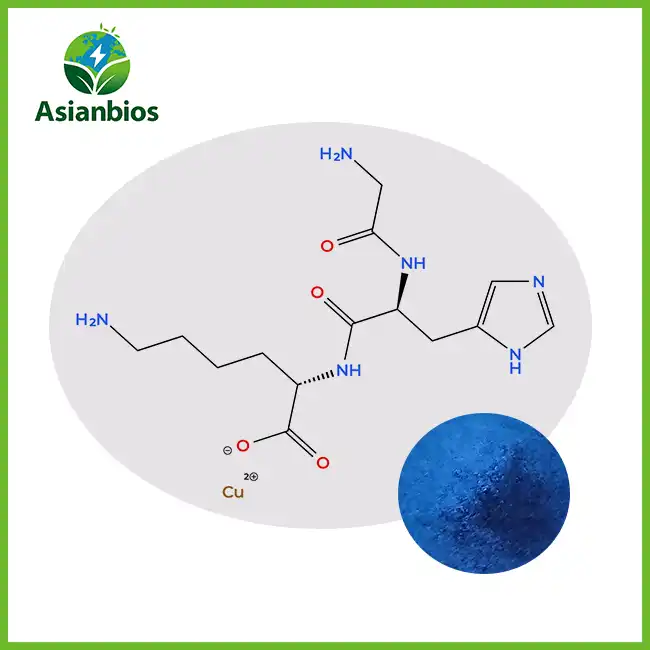
copper tripeptide-1 powder
• Production Process: Solid Phase Peptide Synthesis
• Active Ingredient: Copper Tripeptide-1
• Specification: 98%HPLC
• Grade: Cosmetic Grade
• Appearance: Blue Powder
• Package specification: 25kg / barrel、5 kg/bag
• Mode of transportation: express delivery, air transportation, sea transportation
• Delivery: sufficient inventory, fast and safe transportation
• OEM/ODM: available
• Minimum order quantity: 100g, samples available

- Fast Delievery
- Quality Assurance
- 24/7 Customer Service
Product Introduction
Copper Tripeptide-1 Powder (GHK-Cu) - Certified Manufacturer & Bulk Supplier
As a result of Solid Phase Peptide Synthesis, Shaanxi Zhenhuacui Biotechnology offers pharmaceutical-grade Copper Tripeptide-1 powder (Molecular Formula: C₁₄H₂₂N₆O₄Cu, CAS: 89030-95-5) that is ≥98% pure by HPLC. Our blue crystalline powder is safe for cosmetics and keeps its copper content between 11.0% and 12.5%. It dissolves best in water at pH levels 5.0 to 7.0, and it stays stable for 24 months when kept in the fridge at 2°C to 8°C. We are an ISO9001/cGMP/FSSC22000 approved factory. Businesses can get a 100g minimum order quantity that is adjustable, have their orders sent out in 10 days.
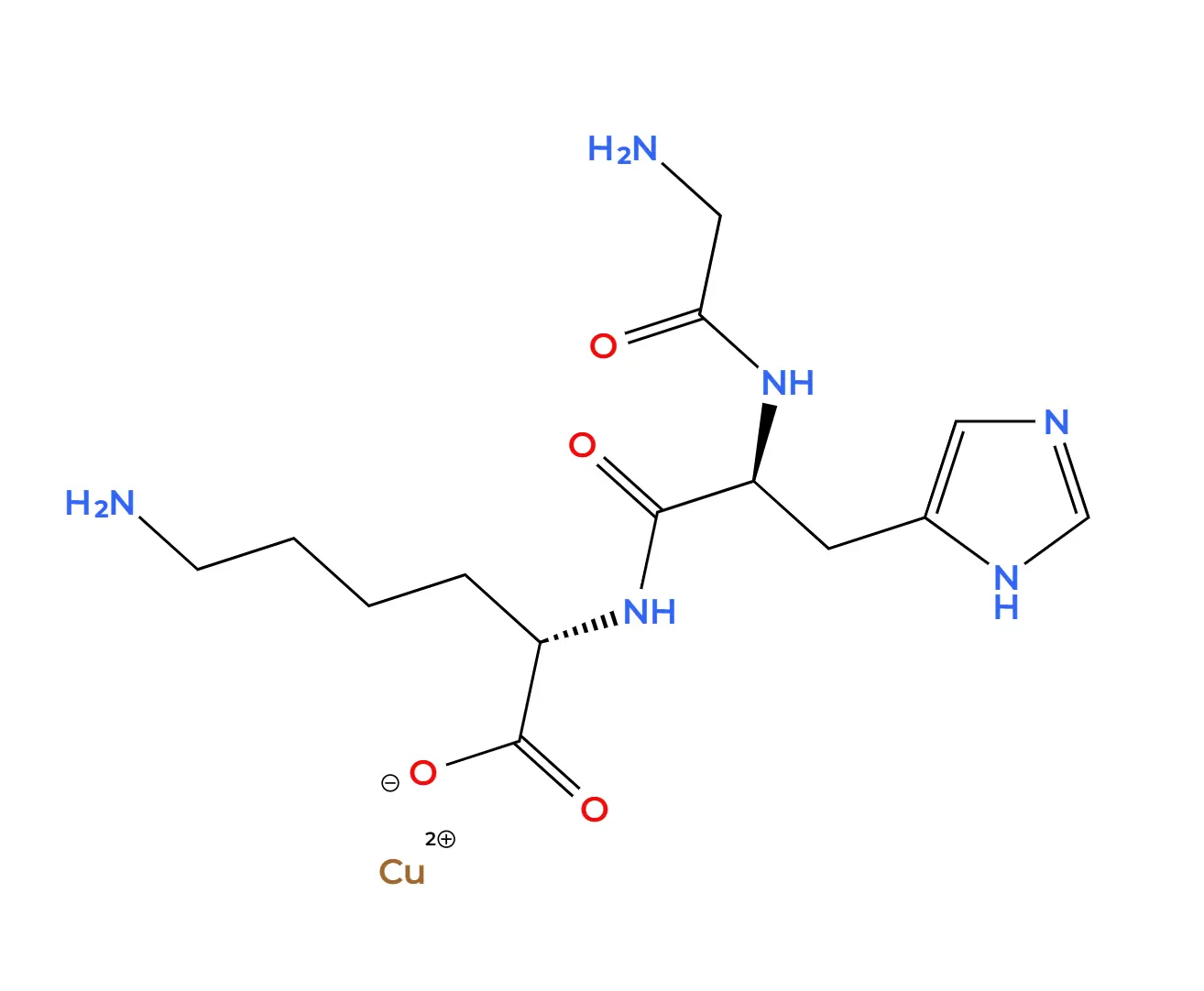
What Is Copper Tripeptide-1 Powder?
Copper Tripeptide-1 (GHK-Cu) is a biomimetic peptide complex where the amino corrosive grouping Glycyl-L-Histidyl-L-Lysine chelates with copper (II) particles. This makes a steady sky blue powder with atomic weight 340.38 g/mol.
Why Powder Shape Things for Manufacturers:
Liquid peptide arrangements corrupt through hydrolysis amid capacity. Our lyophilized powder kills these risks:
- Concentration Control: Define at exact 0.05-2% dynamic levels without pre-diluted limitations
- Extended Steadiness: 24-month rack life vs. 6-12 months for fluid forms
- Freight Fetched Diminishment: 80% lower shipping weight compared to fluid solutions
- Regulatory Compliance: Less demanding microbial control meets worldwide corrective standards
The copper particle acts as a signaling particle that actuates fibroblast quality expression. This triggers collagen amalgamation, tissue repair, and antioxidant chemical production—essential components for clinical-grade skincare definitions.
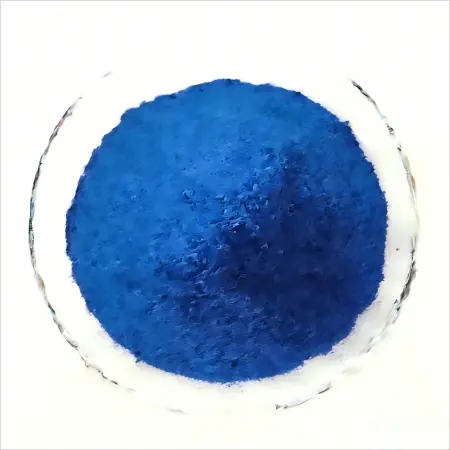
Verified Biological Functions
Our GHK-Cu powder delivers these lab-confirmed actions:
Collagen Synthesis Activation
Stimulates Types I, III, and IV collagen generation through TGF-β pathway upregulation. In vitro fibroblast ponders appear 70-120% expanded collagen discharge at 1-10 μM concentrations.
Tissue Repair Acceleration
Enhances keratinocyte relocation and dermal remodeling. Clinical perceptions in post-laser medications report 30-40% speedier re-epithelialization compared to control groups.
Antioxidant Chemical Modulation
The copper particle serves as a cofactor for superoxide dismutase (Turf). This scavenges receptive oxygen species that cause lipid peroxidation and untimely aging.
Anti-Inflammatory Signaling
Suppresses IL-6, TNF-α, and NF-κB pathways. Histological investigation appears decreased fiery cell penetration in bothered skin models.
Technical Specifications
| Parameter | Specification | Test Method |
|---|---|---|
| Chemical Name | Copper Tripeptide-1 (GHK-Cu) | - |
| CAS Number | 89030-95-5 | - |
| Molecular Formula | C₁₄H₂₂N₆O₄Cu | - |
| Molecular Weight | 340.38 g/mol | Mass Spectrometry |
| Purity | ≥98.0% | HPLC (Waters e2695) |
| Copper Content | 11.0-12.5% | ICP-MS |
| Appearance | Fine Blue Crystalline Powder | Visual Inspection |
| Particle Size | 95% through 80 mesh | Sieve Analysis |
| Synthesis Method | Solid Phase Peptide Synthesis | - |
| Solubility | ≥50 mg/mL in Water (25°C) | USP <1236> |
| pH (1% Solution) | 5.5-6.5 | pH Meter |
| Loss on Drying | ≤5.0% | USP <731> |
| Heavy Metals | ≤10 ppm | ICP-MS |
| Microbial Limits | Total Plate Count ≤1000 cfu/g | USP <61> |
| Storage Conditions | 2-8°C, Light-Resistant, Dry | - |
| Shelf Life | 24 Months (Unopened) | Stability Testing |
Target Applications
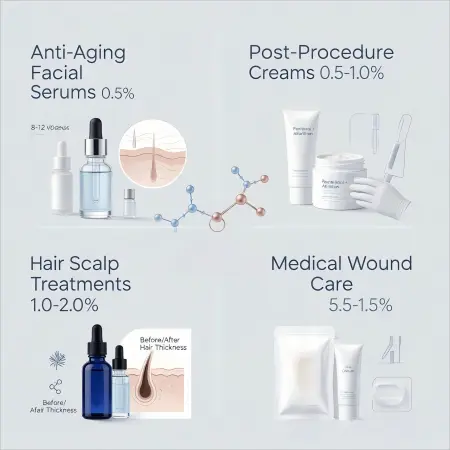
Anti-Aging Facial Serums
Recommended Dosage: 0.1-0.5%
Define with hyaluronic corrosive and peptide complexes for extravagance skincare lines. Clinical trials appear obvious wrinkle profundity lessening after 8-12 weeks at 0.3% concentration.
Post-Procedure Recuperation Creams
Recommended Measurement: 0.5-1.0%
Combine with panthenol and allantoin for dermatology clinic items. The anti-inflammatory properties decrease erythema and quicken obstruction repair after laser/microneedling treatments.
Hair Development Scalp Treatments
Recommended Measurement: 1.0-2.0%
Copper Tripeptide-1 powder pairs with saw palmetto and caffeine in trichological details. The follicle-stimulating activity addresses androgenetic alopecia with quantifiable thickness improvements.
Medical-Grade Wound Care
Recommended Dose: 0.5-1.5%
Use in hydrogel dressings for diabetic ulcers and surgical destinations. The tissue remodeling impacts back granulation tissue arrangement.
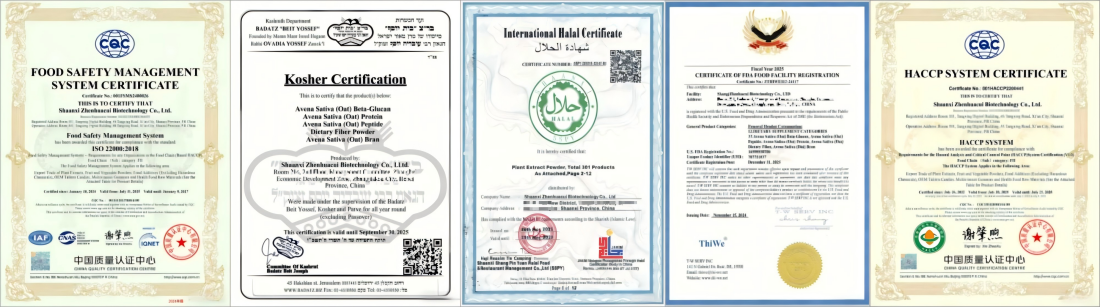
Manufacturing Certifications
Our office holds these autonomously inspected certifications:
- ISO9001:2015 (Certificate: QMS20210456 | Bureau Veritas)
- cGMP (FDA-Standard Compliance | Current Registration)
- FSSC22000 (Certificate: FSSC-782104 | SGS)
- HACCP (Certificate: HACCP-CN-2021-087 | Intertek)
- HALAL (Certificate: HA-2022-0934 | Islamic Nourishment and Nourishment Council)
- KOSHER (Certificate: K-2022-11276 | Conventional Union)
- Organic Certification (USDA NOP & EU 834/2007 Compliant)
All certificates accessible for survey upon ask.
Solid Phase Peptide Synthesis Process
Step 1: Resin Loading
Rink Amide MBHA tar is swelled in DMF. The to begin with Fmoc-protected amino corrosive (Lysine) connects through robotized coupling with HBTU/DIEA activation.
Step 2: Successive Coupling
Fmoc-Histidine and Fmoc-Glycine are included consecutively. Each coupling cycle includes:
- Fmoc deprotection with 20% piperidine
- Amino corrosive actuation with coupling reagents
- Kaiser test to affirm >99.5% coupling efficiency
Step 3: Copper Complexation
The tripeptide is cleaved utilizing TFA/water/triisopropylsilane (95:2.5:2.5). Copper (II) chloride is included at 1:1 molar proportion in acetic acid derivation buffer (pH 6.0). The arrangement incubates at 25°C for 2 hours beneath nitrogen atmosphere.
Step 4: Purification
Preparative HPLC (C18 column, water-acetonitrile slope with 0.1% TFA) confines the GHK-Cu complex. Divisions with ≥98% virtue are pooled.
Step 5: Lyophilization
The purified solution undergoes freeze-drying at -50°C under 0.05 mbar vacuum for 48 hours. This yields stable blue powder with <5% moisture content.
Step 6: Quality Control
Each batch undergoes 17-point testing:
- HPLC purity and peptide sequence confirmation
- ICP-MS for copper content
- Microbial limits (Total Plate Count, Yeast & Mold, E.coli, Salmonella)
- Heavy metals screening
- Endotoxin testing (LAL method)
Packaging & Storage Requirements
The usual packaging:
- 1 kg: Aluminium foil bag that is double-sealed and flushed with nitrogen
- 5 kg: Dried-out pack inside an aluminium foil bag inside a fibre box
- 25 kg: Fibre drum with two PE inner bags and a card that shows how much moisture is inside
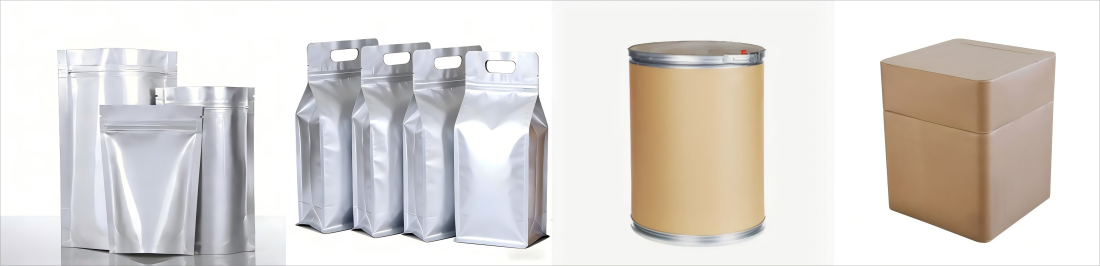
You can get custom packaging:
Small-volume choices (100g and 500g) for R&D samples with seals that can't be broken.
Protocol for storage:
- Two to eight degrees Celsius (cold)
- <30% RH for humidity
- Light: Keep in amber or clear containers at all times.
- Atmosphere: For long-term keeping, nitrogen washing is suggested
Data on Stability:
When kept properly, accelerated stability tests (40°C, 75% RH, 6 months) shows that it loses less than 2% of its strength. Real-time testing over 24 months shows that the original purity of ≥96% was kept.
Methods of Shipping:
- Express (five to seven days): DHL, FedEx, and SF Express for samples and sales less than 50 kg
- Air Freight (5–10 days): Orders 50–500 kg are kept at a constant temperature.
- When you ship by sea (25–35 days), we use refrigerated crates for orders over 500 kg.

Why Shaanxi Zhenhuacui Biotechnology
38-Member R&D Team (60% of Total Staff)
What we offer:
- Free tests for recipe compatibility
- How to do a stability study
- Help with regulatory paperwork (INCI, CoA, MSDS)
Flexible Production Scale
- R&D Sampling: 100g MOQ, handling takes 5–7 days
- In a small batch, the wait time is 10 days for 1 to 50 kg.
- Orders in bulk: 50–5000 kg; unique synthesis takes 20 days;
Need it quickly? Use the green channel service (7–10 days) for regular customers.
Integrated OEM/ODM Capabilities
In addition to raw materials, we also make finished goods:
- Single-dose sachets of lyophilised serum powders
- Liposomal coating to make things more stable
- Anhydrous mixtures (like creams and oil serums)
- Hair growth serums and treatments for the head
Global Client Portfolio
We send goods to 47 countries in:
North America (USA, Canada) Europe (France, Germany, the UK, and Italy) Asia-Pacific (Australia, Japan, and South Korea) and the Middle East (UAE, Saudi Arabia)
Formulation Guidelines
Protocol for Solubilisation
- Disperse powder in 50-60°C distilled water.
- Set pH 6.0-6.5 with sodium bicarbonate.
- Stir gently for 10-15 minutes to dissolve.
- Wait until room temperature to add to oil phase.
Incompatible Ingredients:
- Strong Acids: L-Ascorbic Acid, Glycollic Acid (pH <4.5 dissociates copper ion)
- EDTA and EGTA fight for copper binding.
- Benzoyl and hydrogen peroxide breakdown peptide.
Synergies:
- Improved moisture retention + collagen production with Hyaluronic Acid
- Supplemental barrier repair with Niacinamide
- And Peptide Complexes: Multi-target anti-aging Matrixyl 3000, Argireline
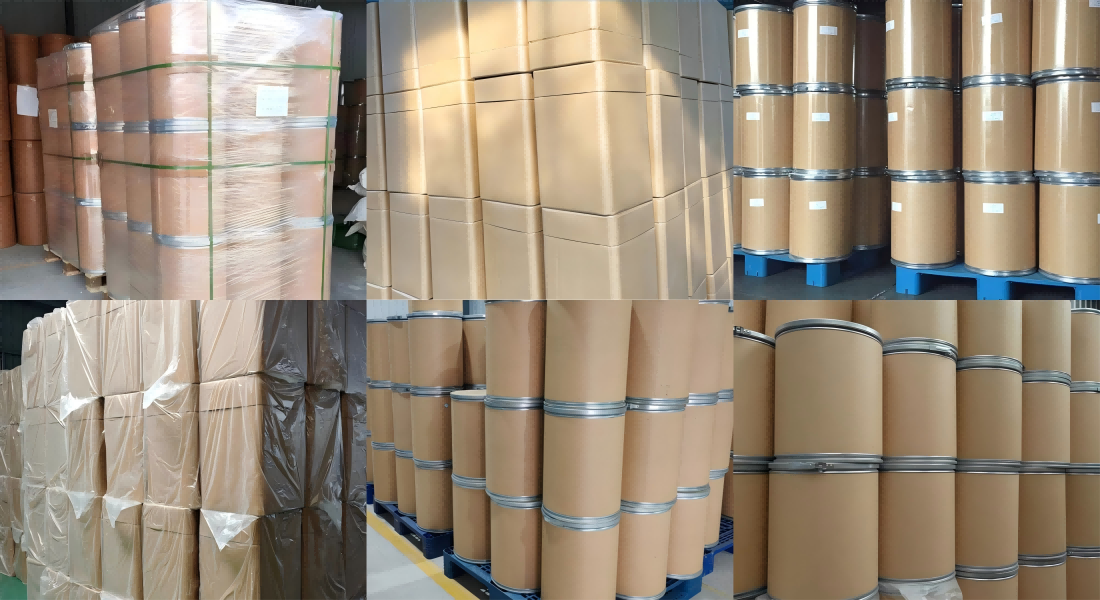
Our Warehouse
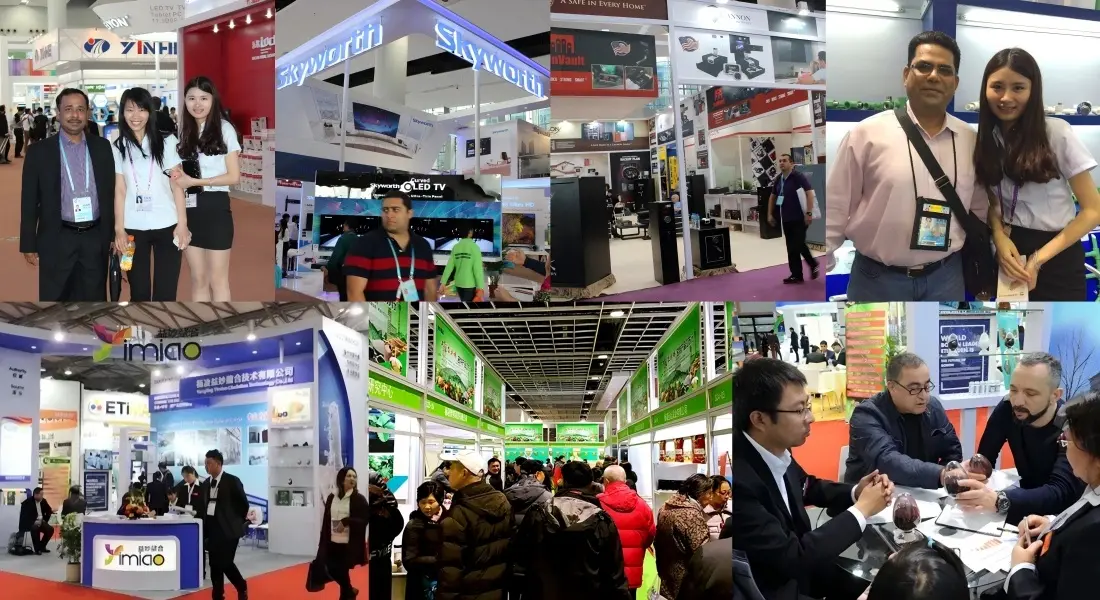
Our Teams & Exhibitions
FAQ
Q: Can GHK-Cu be taken with Retinol or Vitamin C?
Direct mixing is not advised. Acidic pH (<4) from L-Ascorbic Acid dissociates the copper-peptide complex. Copper ions can oxidise retinol. Use stable derivatives such Ascorbyl Glucoside and Retinyl Palmitate or AM/PM formulations.
Q: Why does powder change colour in solution?
Colour changes from blue to green/yellow indicate:
- Dissociation by pH drift below 5.0 or above 7.5
- Chelation Competition: EDTA or citric acid removes copper
- Air or incompatible oxidisers oxidise
Validate formulations using 3-month stability testing at 40°C/75% RH.
Q: Are the blue dyes synthetic?
No. Azure colour comes from nitrogen-copper coordination bonds (d-d electronic transitions). Product claims of "colourless GHK-Cu" are:
- GHK with copper salts uncomplexed
- Extremely diluted (<0.01%)
- False substitutions
Q: What causes batch-to-batch colour variation?
Minor colour changes (bright blue to deep azure) affect:
- Precision copper ion ratio (11.0 vs. 12.5%)
- Remaining moisture
- Size distribution of particles
If purity maintains ≥98%, these fluctuations do not impact biological activity.
Q: How should large volumes be stored long-term?
For storage over 6 months:
- Split into 500g-1kg sealed parts.
- Use oxygen-absorbing hoover bags.
- Pharmacy refrigerator: 2-8°C
- Monitor moisture cards monthly.
Properly maintained powder maintains ≥95% potency for 24 months.
Samples
Sample Policy:
- 100g tests accessible for qualified formulators
- Standard lead time: 5-7 commerce days
- Shipped through DHL/FedEx
Contact Us
Do you have more questions about copper tripeptide-1 powder?Email: plantex@asianbios.com
Send Inquiry