Fermentation Production Technology for Protein
0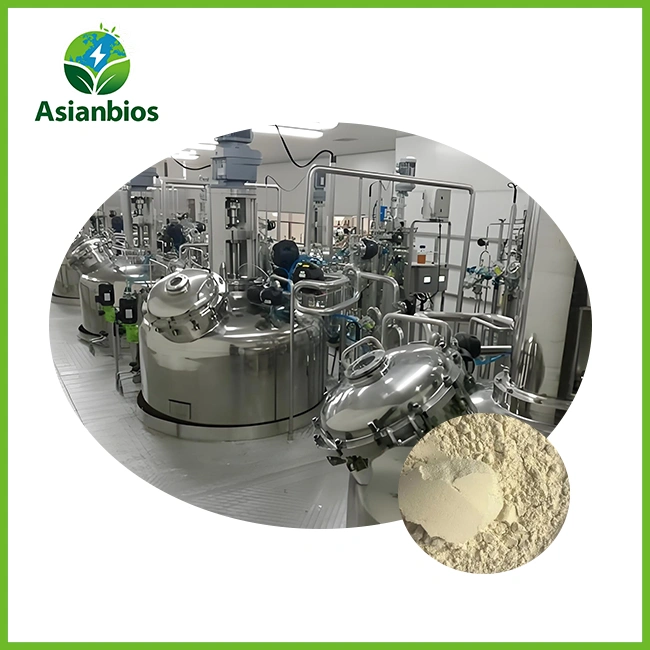
Yeast Protein Technology from Sugar Mill Waste Liquid
Raw Material & Resource Utilization Advantage: Sugar mill mother liquor waste (waste molasses, molasses alcohol stillage, etc.) is used as a low-cost carbon source and nutrient substrate, turning sugar processing waste liquid from a treatment burden into a fermentation feedstock.
Technology Route Advantage: After pretreatment and formulation, the waste liquid is inoculated with selected yeast strains. Submerged high-density fermentation converts sugars, organic acids and nitrogen sources into yeast cell protein, which is then separated, washed, disrupted and dried into yeast protein products.
Product Specification Advantage: Crude protein content ≥50%, balanced amino acid profile, rich in B vitamins and nucleotides, high protein digestibility and good palatability.
Strain Safety Advantage: Food/feed-grade safe strains such as Saccharomyces cerevisiae and Candida utilis are applied, with no pathogenicity and no antibiotic residues, meeting feed and food raw material hygiene requirements.
Environmental & Economic Benefits: Fermentation simultaneously reduces COD and total nitrogen load of the waste liquid, lowering wastewater treatment cost for sugar mills while producing high-value protein raw materials.
Process R&D and Optimization Service: Strain screening, fermentation formula development, process design, lab & pilot test and parameter optimization to improve protein conversion rate and cut energy consumption and production cost.
Production Technical Support: Fermentation and drying equipment commissioning, operation training and on-site process guidance to ensure stable and continuous production.
Technical Consultancy & Solution Service: Integrated technical services including project planning, production line layout design and complete process package, plus long-term after-sales support covering equipment maintenance, troubleshooting and process upgrading.
Pilot Scale-up & Industrialization Service: Lab test, pilot trial, process scale-up and industrial implementation delivery.
Foundation for successful technology application: 30% Process + 70% Localized Execution.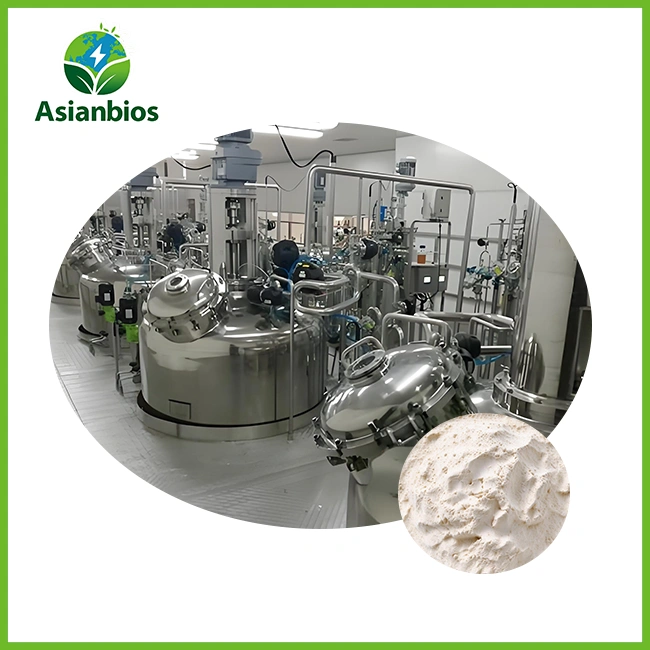
Recombinant Collagen Synthetic Biology Production Technology
Technology Route Advantage: Human collagen genes are recombined into chassis cells (E. coli, Pichia pastoris) to construct genetically engineered strains. Target proteins are expressed via high-density fermentation in cell factories and purified through efficient separation processes, producing full-length and functionally enhanced recombinant collagen and active fragments with 100% identity to human collagen amino acid sequence.
Product Portfolio Advantage: 33 types of recombinant collagen have been mass-produced, including recombinant human collagen type I and III, recombinant human-like collagen and mini small-molecule recombinant collagen peptides, meeting diversified downstream application needs.
Product Performance Standard: 100% identity to human collagen amino acid sequence; pH 6.0-7.0, denaturation temperature above 72 C, and good water solubility.
Biosafety Advantage: No virus risk, no cytotoxicity and low immunogenic rejection, suitable for medical aesthetics, medical devices and functional skincare with high safety requirements.
Industry Standard Compliance: In conformity with the industry standard YY/T 1849-2022 Recombinant Collagen (as a drafting organization), with a traceable quality system.
Process R&D and Optimization Service: Expression system construction, strain screening, fermentation formula development, process design, lab & pilot test and parameter optimization to improve protein expression level and purification yield.
Production Technical Support: Fermentation and purification equipment commissioning, operation training and on-site process guidance to ensure stable and continuous production.
Technical Consultancy & Solution Service: Integrated technical services including project planning, production line layout design and complete process package.
Pilot Scale-up & Industrialization Service: Lab test, pilot trial, process scale-up and industrial implementation delivery, plus long-term technical support covering equipment maintenance and process upgrading.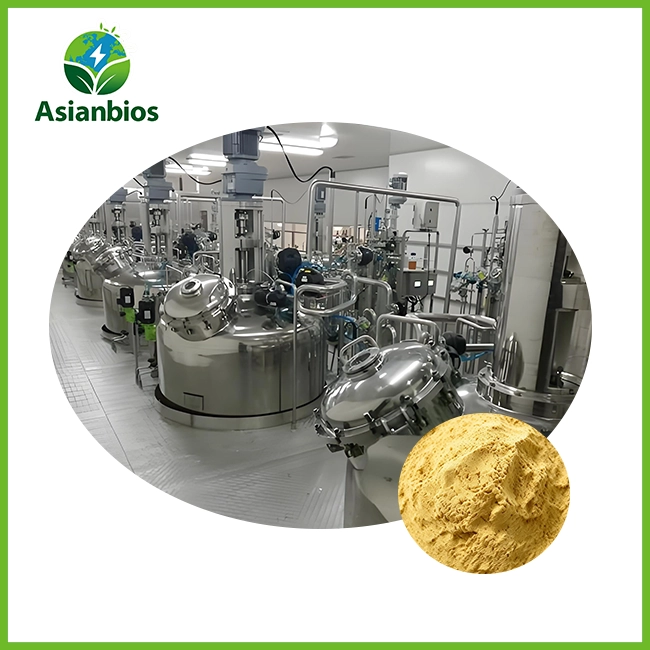
Corn Steep Liquor Fermented Protein Technology
• Process Advantages: Bio-fermentation using corn steep liquor, a by-product of corn starch production, to realize waste liquid resource utilization. The resulting fermented protein features high digestibility with crude protein ≥45%. It brings low raw material cost and combines environmental and economic benefits. • Process R&D and Optimization Service: Strain screening, fermentation formula development, process design, lab & pilot test and parameter optimization are available to improve protein conversion rate and cut energy consumption and production cost. • Production Technical Support: Fermentation equipment commissioning, operation training and on-site process guidance to ensure stable and continuous production. • Technical Consultancy & Solution Service: Integrated technical services including project planning, production line layout design and complete process package. • After-sales O&M Service: Long-term technical support covering equipment maintenance, troubleshooting and process upgrading. • Pilot Scale-up & Industrialization Service: Lab test, pilot trial, process scale-up and industrial implementation delivery. • Foundation for successful technology application: 30% Process + 70% Localized Execution.

- 1