English

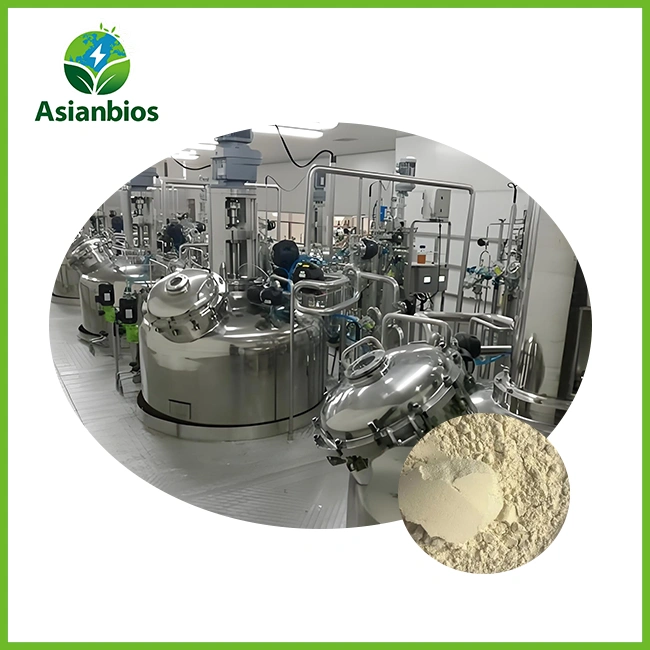
Yeast Protein Technology from Sugar Mill Waste Liquid
Raw Material & Resource Utilization Advantage: Sugar mill mother liquor waste (waste molasses, molasses alcohol stillage, etc.) is used as a low-cost carbon source and nutrient substrate, turning sugar processing waste liquid from a treatment burden into a fermentation feedstock.
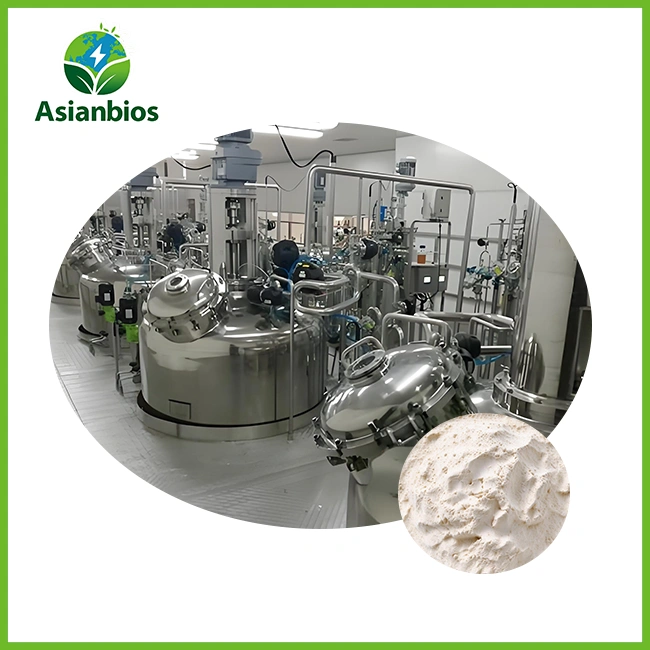
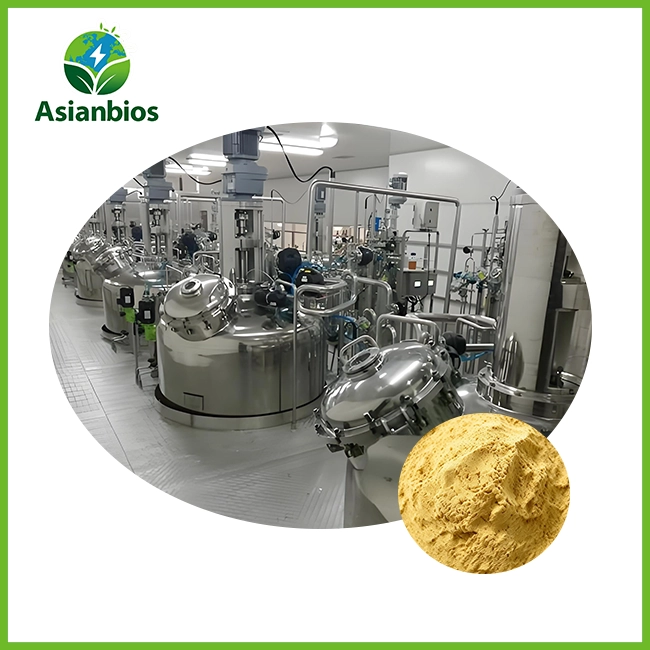
Technology Route Advantage: After pretreatment and formulation, the waste liquid is inoculated with selected yeast strains. Submerged high-density fermentation converts sugars, organic acids and nitrogen sources into yeast cell protein, which is then separated, washed, disrupted and dried into yeast protein products.
Product Specification Advantage: Crude protein content ≥50%, balanced amino acid profile, rich in B vitamins and nucleotides, high protein digestibility and good palatability.
Strain Safety Advantage: Food/feed-grade safe strains such as Saccharomyces cerevisiae and Candida utilis are applied, with no pathogenicity and no antibiotic residues, meeting feed and food raw material hygiene requirements.
Environmental & Economic Benefits: Fermentation simultaneously reduces COD and total nitrogen load of the waste liquid, lowering wastewater treatment cost for sugar mills while producing high-value protein raw materials.
Process R&D and Optimization Service: Strain screening, fermentation formula development, process design, lab & pilot test and parameter optimization to improve protein conversion rate and cut energy consumption and production cost.
Production Technical Support: Fermentation and drying equipment commissioning, operation training and on-site process guidance to ensure stable and continuous production.
Technical Consultancy & Solution Service: Integrated technical services including project planning, production line layout design and complete process package, plus long-term after-sales support covering equipment maintenance, troubleshooting and process upgrading.
Pilot Scale-up & Industrialization Service: Lab test, pilot trial, process scale-up and industrial implementation delivery.
Foundation for successful technology application: 30% Process + 70% Localized Execution.

- Fast Delievery
- Quality Assurance
- 24/7 Customer Service
Product Introduction
Yeast Protein Technology from Sugar Mill Waste Liquid
Shaanxi Zhenhuacui Biotechnology Co. Ltd. helps clients develop fermentation projects and put them into practice. The route on offer is Yeast Protein Technology from Sugar Mill Waste Liquid. Waste molasses is the fermentation substrate. Molasses alcohol stillage works too. Recovering the yeast protein takes separation and washing. Disruption and drying follow. Process development comes bundled with lab testing. Pilot trials are part of it as well. So are equipment commissioning and operator training. Whether it suits your plant depends on a few things. Your waste-liquid composition counts. So do the utilities available, the treatment facilities you already run, and the protein market you are targeting. Crude protein of at least 50% appears in the supplied specifications. Before implementation, project performance and finished-product acceptance criteria need confirmation.
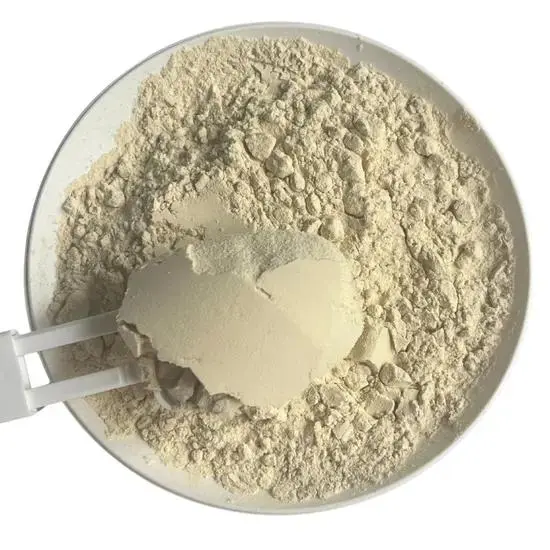
What the Offering Covers
This is a fermentation technology and implementation offering, not a batch certificate of analysis or a guarantee of finished protein availability. Discuss whether your requirement concerns process development, an industrial installation, a development sample, or finished protein procurement.
Available services include strain screening, laboratory testing, pilot trials, process design, equipment commissioning, operator training, industrial implementation, and ongoing technical support. The scope of supply, responsibilities, acceptance criteria, and schedule should be agreed for your project.
Specifications
The table below reproduces the supplied parameter table without adding values from application descriptions, corporate information, or reference products. Some entries describe process features or verification requirements rather than measured batch results.
| Parameter | Specification or Verification Requirement |
|---|---|
| Feedstock | Waste molasses, molasses alcohol stillage, sugar mill mother liquor |
| Yeast strains | Selected Saccharomyces cerevisiae, Candida utilis |
| Fermentation | Submerged, high-density microbial fermentation |
| Crude protein | ≥50% |
| Nutritional characteristics | Balanced amino acids; B vitamins and nucleotides |
| Downstream processing | Separation, washing, disruption, drying |
| Safety requirements | Food/feed-grade strains; no pathogenicity or antibiotic residues |
| Environmental indicators | COD and total nitrogen reduction; project-dependent results |
| Batch COA | Confirm analytical methods, limits, and results before purchase |
The safety row states supplied requirements; it does not establish that a particular batch has passed testing. The environmental row does not provide a guaranteed reduction percentage. Nutritional characteristics require appropriate evidence for the finished grade and intended use.
Missing specifications remain unspecified. Values must not be inferred from marketing statements, applications, FAQs, or other products. Any additional specification should be supported by technical documentation explicitly applicable to this product.
To ask for a quote or a sample, send export inquiries about Yeast Protein Technology from Sugar Mill Waste Liquid to producttech@asianbios.com .
Process Development and Implementation
This product uses controlled fermentation and downstream recovery to convert suitable sugar-processing residues into microbial protein raw materials.
The described implementation route covers:
- Feedstock assessment and pretreatment.
- Strain screening and nutrient formulation.
- Laboratory testing and pilot trials.
- Inoculation, then controlled fermentation.
- Separation and washing. Disruption and drying come next.
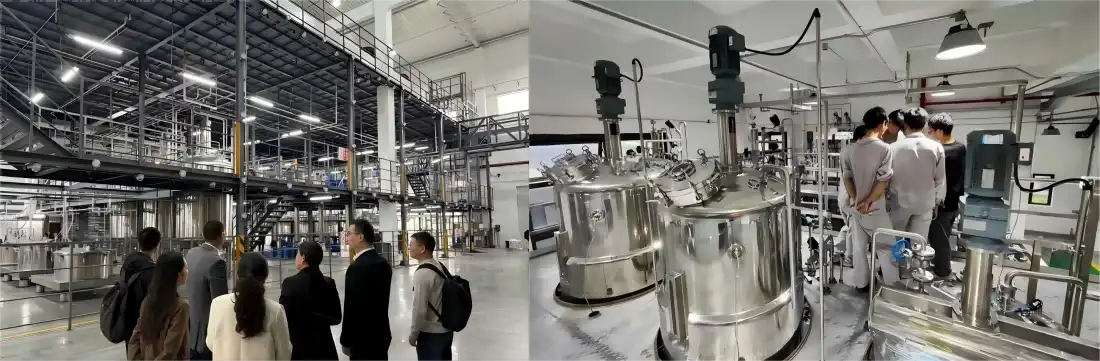
- We commission the equipment and train the operators who run it.
- Ongoing troubleshooting and process support.
Pilot work should evaluate compatibility with local feedstock, protein conversion, energy consumption, and production cost. A process suitable for one mill should not be assumed to deliver the same results at another.
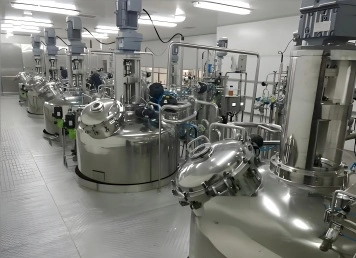
Potential Value for Sugar Mills
The process offers a route for using suitable waste liquids as fermentation inputs while producing yeast protein. It may also reduce chemical oxygen demand and total nitrogen load, but actual results depend on the feedstock, operating conditions, and treatment system.
Commercial assessment should consider waste-liquid availability, utilities, drying energy, downstream recovery, and demand for the resulting protein. No fixed cost saving, production yield, or environmental reduction percentage is supplied.
Intended Applications
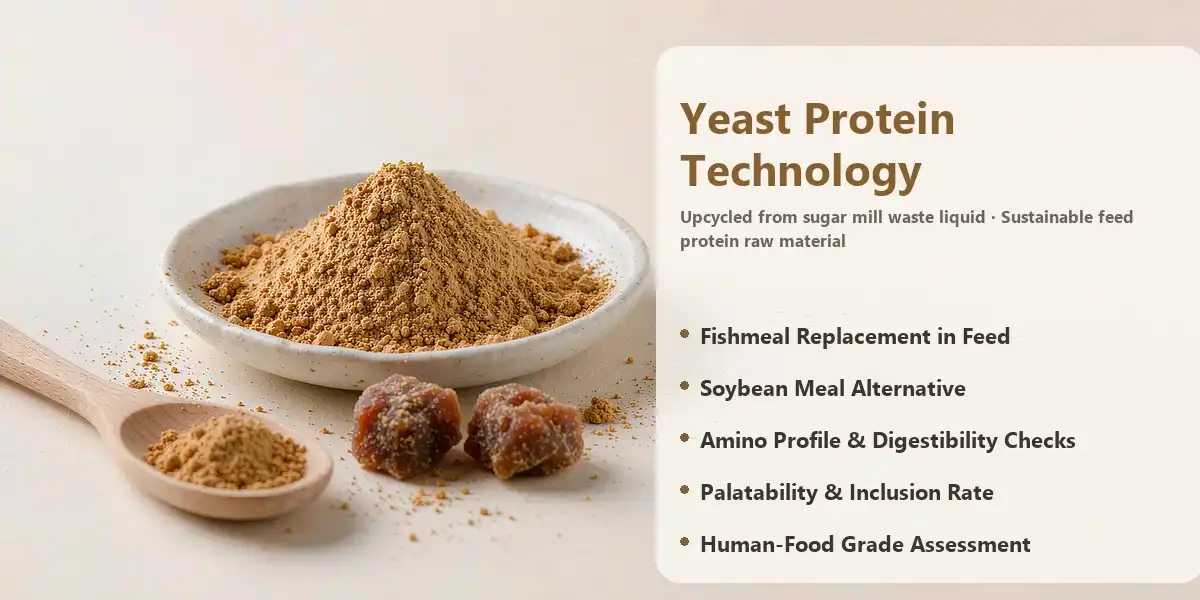
Yeast Protein Technology from Sugar Mill Waste Liquid may help make protein raw materials for feed formulas that fit the case. Buyers need to check the amino acid profile, digestibility, palatability, and inclusion rate. Do that before swapping this material in for fishmeal. The same check applies to soybean meal and to any other ingredient you use now.
Human-food applications require separate assessment of the finished grade, feedstock eligibility, strain suitability, processing controls, and destination-market requirements.
Properties quoted for other yeast proteins are not specs for this product. Do not treat them that way. Run your own formulation trials before you make performance claims or labeling claims.
Quality Control and Documentation
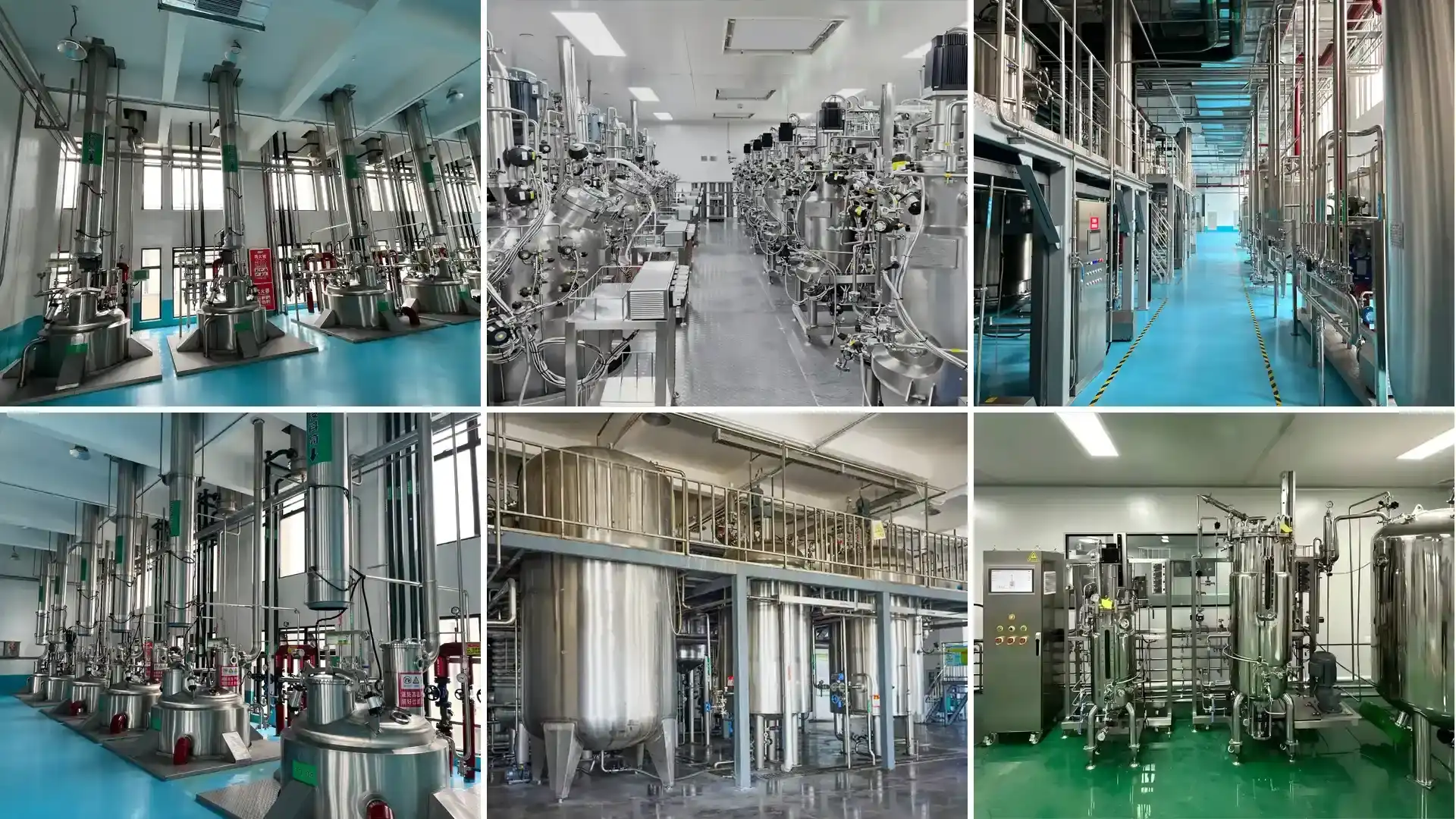
The company describes full-process quality control from raw material sourcing through finished product delivery. For this route, project controls should address incoming waste-liquid suitability, strain identity, fermentation conditions, cell recovery, washing, disruption, and drying.
Settle the test methods before you accept finished protein. Agree on acceptance limits too. Do the same for the batch records tied to the intended use. Points to check:
- Protein content and nutritional composition.
- Microbiological safety.
- Antibiotic residues and application-specific contaminants.
- Nucleic-acid assessment for human-food projects.
- Batch identification and traceability.
The parameter table we were given sets no RNA limit for this product. For any nucleic-acid spec, you need technical documents and batch data to back it up.
Company Certifications and Yeast Protein Technology from Sugar Mill Waste Liquid
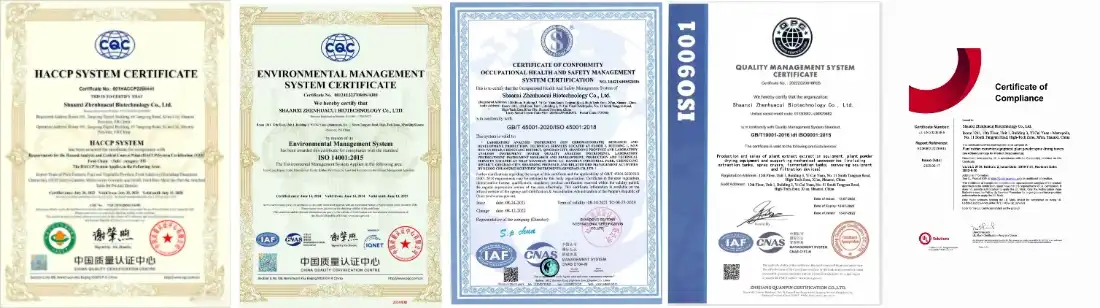
Shaanxi Zhenhuacui reports cGMP and FSSC22000. ISO9001, HACCP, HALAL, KOSHER, and Organic Certification are also listed.
The feedstock matters here. Look at the strain. Processing aids count too. So does the finished product. Market rules that apply must be reviewed as well.
Delivery
When you buy finished protein, confirm these details. Check batch availability too. Ask for the required documentation. For technology services, agree the development milestones. Equipment responsibilities need their own agreement. Commissioning arrangements and training schedules should be agreed separately.
To ask for a quote or a sample, send export inquiries about Yeast Protein Technology from Sugar Mill Waste Liquid to producttech@asianbios.com .
Project Assessment
Want to assess Yeast Protein Technology from Sugar Mill Waste Liquid for your plant? Send us these details:
- Waste-liquid type and available composition data.
- Daily availability and any seasonal variation.
- Existing wastewater treatment facilities.
- What utilities and production infrastructure you already have.
- Where the protein will be used, and which market it goes to.
- Required service scope and project objectives.
These details help define the assessment and pilot-testing requirements. Performance targets and acceptance criteria should be agreed before industrial implementation.
FAQ
Q: Can an existing sugar mill adopt this technology?
A: That depends on a feedstock and facility assessment. Support you can get covers pilot testing and process design. It also includes equipment commissioning, operator training, and ongoing technical help.
Q: Is finished yeast protein included?
A: Yes, we cover fermentation technology, along with on-site implementation support for finished yeast protein.
Q: Does the protein content shown come from a batch test?
A: The table you sent shows crude protein at ≥50%. It is not a batch COA. Before you buy finished protein, ask which analytical methods apply. Ask for the acceptance limits too. Get the batch results as well.
Q: Can the protein that comes out replace soybean meal or fishmeal as it is?
A: Swapping it in takes a formulation check and trials. For the product and use you choose, you must establish the nutrient makeup. Digestibility and palatability also need checking. You also need to set inclusion rates that fit.
Q: Do you promise savings on production or cuts in wastewater?
A: We give no set percentage for reduction and no set saving. Feedstock analysis is how you check those results. So is pilot testing. A technical and economic review of your own project counts too.
Q: For food applications, what should buyers check?
A: Check that the feedstock is eligible. Confirm the strain fits the process. Look at process controls and how nucleic acids are handled. Contaminant limits and regulatory rules matter too.
Contact
To ask for a quote or a sample, send export inquiries about Yeast Protein Technology from Sugar Mill Waste Liquid to producttech@asianbios.com .
Send Inquiry