Benefits of Freeze Dried Kiwi Fruit Powder
No one can come up with a better way to save time and money while keeping nutrients fresh than freeze dried kiwi powder. Traditionally, fruit is dried by heating it, but the lyophilization process removes moisture under pressure at temperatures below zero. You can still get up to 98% of the vitamin C, actinidin enzyme, and polyphenol antioxidants this way. With this special ingredient, the food will last longer, taste better, and dissolve right away. All of these traits are very important for business-to-business (B2B) buying teams that are in charge of quality standards and production prices in the food, cosmetics, and supplements industries.
What is Freeze-Dried Kiwi Powder and How is it Made?
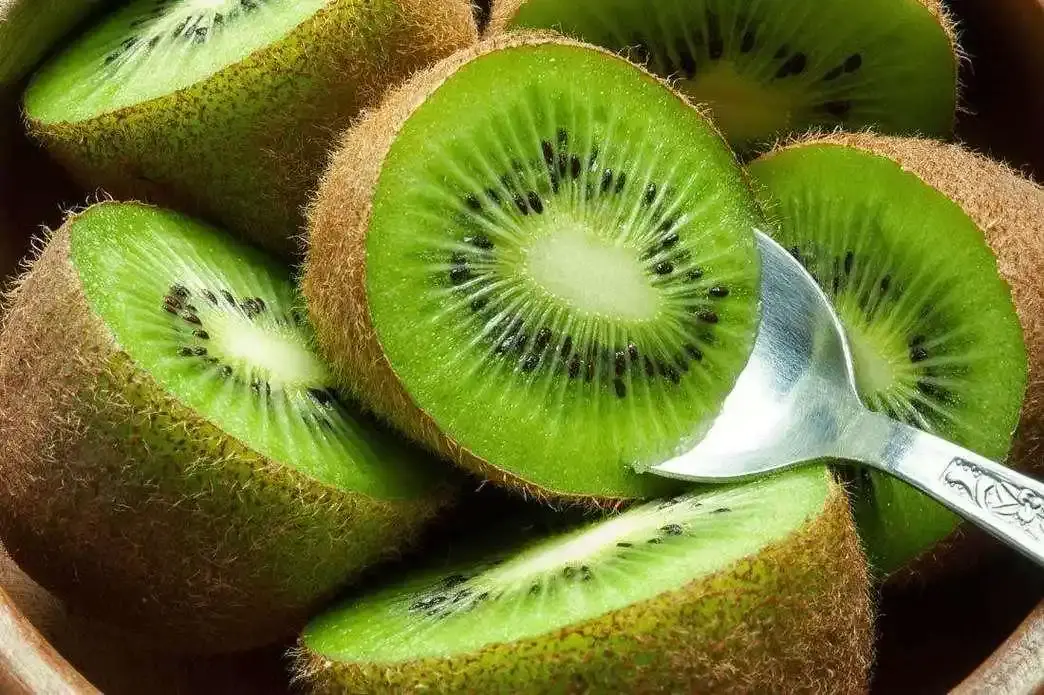
Freeze-dried kiwi powder is a concentrated fruit ingredient that is made from Chinese or ripe kiwifruit that has been frozen and then freeze-dried again. This green powder is safe to eat and takes out more than 95% of the water while keeping the sweet, sour, and bright color of fresh kiwi. It is easy to flow, doesn't cake, and rehydrates quickly after being dried out, so it is great for mass production.
The Freeze Drying Process Explained
The first step in the process is picking out the raw materials with care. Top-notch kiwis are washed, peeled, and sliced before they go through a three-step freeze-drying routine. In this step, food that has already been cooked is quickly cooled to between -25°C and -40°C. When the temperature drops quickly, it makes ice crystals that are evenly spread out in the cell tissue. This keeps the building from getting hurt, which could happen if it freezes more slowly. During the main drying process, there is a vacuum that ranges from 10 to 100 Pa. Controlled shelf heating between -10°C and +10°C gives ice just the right amount of energy for sublimation. Sublimation is when ice turns into air without first becoming liquid. This careful balance gets rid of about 90% of the water while keeping chemicals like vitamin C safe that break down quickly at temperatures above 70°C. Any leftover bound moisture is taken away during secondary drying, which brings the water activity below 0.2. This very low amount of moisture stops enzymes and bacteria from reacting, so if you store it right, it can last longer than 24 months. The open structure of the finished freeze-dried kiwi powder makes it easy to rehydrate in cold liquids, which is a big plus for making drinks.
Active Nutritional Components
According to lab tests, properly processed freeze-dried kiwi powder contains a remarkably high amount of beneficial chemicals. In a 100g dose, vitamin C levels often go above 101% of the daily suggested levels. This is higher than in fresh fruit because the lack of water makes the vitamin C more concentrated. The unique enzyme actinidin stays active, which is better for the digestive system than foods that have been heated. Antioxidants in polyphenols, such as chlorogenic acid and quercetin variants, keep the structure fixed while it freezes. It has 8–12g of fiber per 100g of powder, and the amount goes up as more water is taken out. Minerals such as folate, magnesium, and potassium are bioavailable for a long time in foods that freeze dried kiwi powder meets CGMP and HACCP guidelines.
Key Benefits of Freeze-Dried Kiwi Powder for Industrial Applications
Manufacturing teams in the functional food, dietary supplement, and skincare industries know that freeze-dried kiwi powder is a smart item that solves several sourcing problems at once. Product creation projects have a strong value case when they offer a range of formulation choices, a stable diet, and benefits for the organization.
Superior Nutrient Retention for Formulation Integrity
There is a safe way to use low-temperature sublimation for chemicals that break down when sprayed or drum dried. Studies have shown that freeze-dried types keep 85–95% of their vitamin C levels, while heat-dried types only keep 40–60%. This safety has a direct effect on vitamin and nutrition brands that want to say on their labels that they have clean labels. After being frozen, the activity of the actinidin enzyme stays the same. This is the protease part that is good for gut health. This means that formulators can make stomach enzyme mixes without using bugs or chemicals that are made in a lab. There is a wide range of pH levels in the digestive system, and the normal enzyme activity works well in all of them. This makes it a good plant-based choice for lines of food that are vegetarian or halal-certified.
Formulation Versatility Across Product Categories
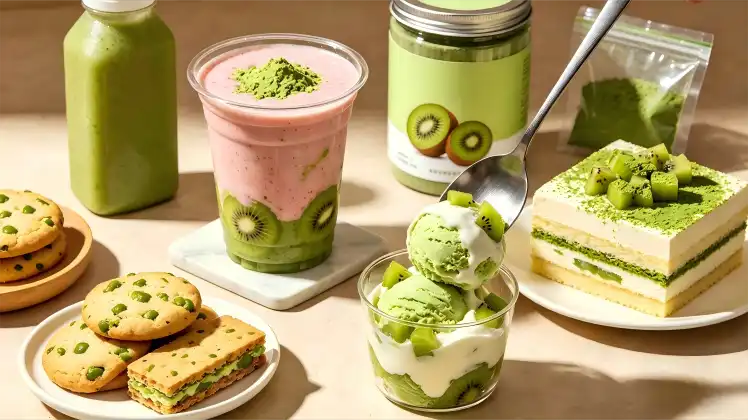
Drink companies use instant solubility to make smoothies that are ready to drink, water mixes that are useful, and juice blends that have extra vitamins and minerals added to them. It's easy to make because you don't need high-shear mixing tools to get the powder to mix evenly in cold water. Natural acidity keeps pH levels fixed without adding citric acid made in a lab. This supports claims that products have "clean labels."Because the powder doesn't react with water much, bakers can use it to keep moisture from moving around in foods with different textures, like cookies filled with cream or yogurt sauce. Dry ingredient mixes that are used to make protein bars, meal replacement shakes, and quick oatmeal work well with the small grain size. This antioxidant-rich powder is used in beauty products to make face masks, serums, and scrubs that clean the skin. It is high in vitamin C and flavonoids.
Comparing Freeze-Dried Kiwi Powder with Other Forms and Competitors
You need to compare different food options in a fair way before you decide what to buy. You can choose a seller based on data that fits your technical needs and price if you know how freeze-dried kiwi powder, regular dried fruit, and competing fruit powders work in different ways.
Freeze Dried vs. Traditional Dehydration Methods
During hot air drying, food is heated to 50°C to 70°C for 8 to 16 hours. This breaks down many nutrients that are sensitive to heat. Thanks to enzymatic oxidation and Maillard reactions, the end product goes dark. To keep its look, sulfur dioxide needs to be added. On the other hand, freeze-dried powder keeps its fresh green color and taste notes without adding any chemicals to keep them fresh. The way restoration works is very different depending on the processing method used. Freeze-dried cell structures quickly take in water through capillary action in the network of pores that are still there. In just a few minutes, it feels like it was just picked. When you dry fruit the old-fashioned way, the cell walls break down, making the fruit tough freeze dried kiwi powder and plastic. The fruit gets chewy because of this, so it can't be used in drinks. You can take the freeze-dried form with you more easily. Because it has almost no wetness, it doesn't need to be kept or shipped in the fridge, which cuts down on the costs of the cold chain. Labels that say "processed fruit powder that can be stored" make it easier to do the paperwork for foreign trade than labels that say "frozen" or "fresh," which are subject to phytosanitary limits.
Organic vs. Conventional Sourcing Decisions
When you get organic certification from the USDA, the EU, or a similar organization, your prices go up by 30–50%, but you can sell to more expensive customers and make more money. Authorized organic providers must keep records of field checks, harvest batch identification, and audits of processing sites in order to be traceable. For natural and organic product claims, these things meet the rules set by the government. Regular freeze-dried kiwi powder is just as healthy and useful as organic freeze-dried kiwi powder, but it costs less. Heavy metal tests (for example, arsenic, cadmium, and lead) and pesticide residue tests that follow FDA/EU rules make sure that all food is safe, even organic food. When procurement teams buy materials for general markets or price-sensitive lines of goods, they can cut costs without dropping quality standards by going with tried-and-true sources.
How to Choose and Procure Freeze-Dried Kiwi Powder: A Buyer's Guide
A lot of thought needs to go into the technical needs, source skills, and total cost of ownership for strategic sourcing to work. It is safer to buy when you use an organized review method, and the materials will always be of the same high quality from one production run to the next. The choice of freeze-dried kiwi powder remains the gold standard for quality-focused brands.
Defining Product Specifications and Requirements
Particle size distribution (usually 60–120 mesh), moisture content (≤5%), and microbial limits (total plate count, yeast/mold, coliforms) should be the bare minimum for uses in beverages. With 98–100% HPLC purity standards, you can be sure that the product doesn't have any carriers or flow agents, which are sometimes added to lower-quality items. The materials are picked based on what the program calls for. Tests for actinidin activity, which are measured in units per gram, are very important for stomach enzyme recipes. Low microbe counts that are safe for the skin are needed for cosmetic uses. People who make drinks watch how long it takes to settle and how it changes when put in cold water. By telling possible sources about these needs, you can get rid of those that can't meet them technically.
Optimizing Pricing and Logistics
Price tiers based on sales offer lower prices by 15–25% for bigger deals. When buying teams are in charge of more than one line of products, they can mix orders from different formulas to get more of them. Most suppliers have minimum order sizes of 100 kg to 1000 kg, but reputable sellers will offer sample sizes (1–5 kg) for research and development tests before making full-scale promises. There are ways to ship that are both fast and cheap. Express shipping, like DHL or FedEx, can get to any country in the world in 5–7 days, which is great for quick freeze dried kiwi powder sample orders or small production tests. Heavy items (100–500 kg) can be sent by air freight, which takes 10–14 days to travel and costs 40–60% less per kilogram than express. Ocean freight is a cheap way to send container loads of well-known, in-demand goods that weigh between 5,000 and 20,000 kg. But wait times of 30 to 45 days mean that you need to plan your stock ahead of time.
Best Practices for Handling and Storing Freeze-Dried Kiwi Powder
What matters most is how well the ingredients work and how much they cost after delivery. As long as you store your food properly and keep an eye on it, you can keep the healthy and useful qualities that made the buy of freeze-dried kiwi powder worthwhile.
Optimal Storage Conditions
Making sure the temperature stays stable over the shelf life keeps things stable. Keep things that are covered in climate-controlled areas between 15°C and 25°C to avoid changes in temperature that cause condensation. When traveling in the summer, freeze-dried powder can handle short exposure to 30°C. However, high temperatures for long periods of time cause the powder to lose vitamin C faster and turn darker. It is very important to control the humidity because the powder soaks up water. The relative humidity should stay below 60% so that water doesn't get absorbed again. As soon as the package is opened, it should be put back together with a lid that keeps air out. If the first package gets broken, put the remaining parts in food-safe containers with desiccant packets. It clumps and mold can grow when there is more than 8% moisture in the material.
Packaging Considerations and Inventory Rotation
Original packaging in multi-layer metal foil bags or HDPE drums that are filled with nitrogen is the best way to keep things safe. Things break down because they don't get enough air and light. After the large items have been opened, you might want to put them in smaller sealed bags so they don't come into contact with too much air while they are being used. You can be sure that old stock runs out before it goes bad when you use first-in, first-out (FIFO) movement. Put receiving dates and lot numbers on all packages that come in so they are easy to track. When you check your inventory once a month, you can see what items don't move quickly and need to be moved up in the production plan. By keeping usage logs, you can see how production amounts change over time based on trends in consumption. This helps you figure out when to restock so that you don't run out of stock and your costs go down.
Conclusion
That being said, people who want to make their goods healthier, more useful, and stand out in the market should use freeze dried kiwi powder as an element. The lyophilization process keeps more vitamin C, stomach enzymes, and antioxidants than any other way. It does this by making the food last longer and taking up less room. Procurement teams can safely use this powder to make drinks, vitamins, functional foods, and makeup as long as they know the technical specs, how to handle it, and how to evaluate suppliers. Kiwi powder that has been freeze dried is a great choice for brands that want to appeal to health-conscious customers around the world because it is easy to formulate and doesn't break any rules.
FAQ
1. What distinguishes freeze-dried from spray-dried kiwi powder?
What makes them different is the temperature at which they are made and how they turn out. When you freeze-dry something below -25°C in a vacuum, heat-sensitive enzymes like actinidin are protected, and 90–95% of the vitamin C is kept. Temperatures between 150°C and 200°C are used to dry liquid fruit concentrate by spray drying. This breaks down enzymes and lowers vitamin C levels to 40–60% of what they were before. It feels almost like fresh food when you reheat freeze-dried kiwi powder. Spray-dried ones, on the other hand, have up to 50% more maltodextrin added to them, which changes the way they taste and makes them less healthy.
2. Can this powder function effectively in high-temperature baking applications?
Yes, but how it should be used depends on how long it is out in the heat. The powder can handle short baking times (15 to 20 minutes at 175°C) in muffins, cookies, and quick breads as long as it is mixed into the batter and not left on top. Not much of the nutrients are lost. Heat (above 200°C) or baking for a long time (45 minutes or more) changes the color and breaks down vitamin C. People who make recipes know that powder works best when it doesn't get too hot when added to frostings, sauces, or no-bake recipes.
3. How do I verify organic certification authenticity from international suppliers?
Included in the full certificate package should be the approval from the giving body (USDA NOP, EU 834/2007, JAS), the certificate number, the dates that it is good, and the scope statement that specifically mentions freeze-dried kiwi powder. The USDA Organic Integrity Database and the EU OFIS system are two official sources that you can use to check the certification body. Buyers you can trust will give you batch-specific transaction certificates that link the lot you bought to the approved production run. This lets you look at the audit trail in case the government has questions.
Partner with Asianbios for Premium Freeze-Dried Kiwi Powder Supply
You can get good freeze dried kiwi powder from Asianbios. Asianbios specializes in providing pharmaceutical-grade powder to meet the stringent requirements of businesses in North America that produce useful foods, vitamins, and cosmetics. There are CGMP, FSSC22000, ISO9001, HALAL, Kosher, and organic certifications at our plant in Shaanxi, China. This means that every 25 kg barrel meets the strictest quality standards around the world. There is a lot of 100% pure kiwi powder in stock (98% HPLC standard) that has been tested for vitamin C and actinidin enzyme activity. This means that most orders can be shipped within 10 days of payment confirmation.We are a well-known company that sells freeze-dried kiwi powder. In addition to that, we provide many specialized services, such as formulation advice, methods for testing stability, and assistance with regulatory paperwork for FDA GRAS reports or EU Novel Food applications. Our low minimum order size of 1 kg makes it easier to do R&D samples. It's also easier to buy in bulk because we offer cheap tiered pricing, and our Green Channel service gets urgent orders in 7–10 days through partnerships with DHL and FedEx. Custom particle sizes, organic certification coordination, and private label packing that fit your brand's needs are all part of OEM/ODM services. Send an email to plantex@asianbios.com to discuss your application requirements, obtain COA paperwork, or set up a sample review of our premium freeze-dried kiwi powder for your future product concept.
References
1. Fellows, P.J. (2017). Food Processing Technology: Principles and Practice (4th ed.). Woodhead Publishing Series in Food Science, Technology and Nutrition.
2. Ratti, C. (2001). Hot air and freeze-drying of high-value foods: a review. Journal of Food Engineering, 49(4), 311-319.
3. Ciurzyńska, A., & Lenart, A. (2011). Freeze-drying: Application in food processing and biotechnology. Journal of Food Engineering, 20(6), 1-12.
4. Orikasa, T., Koide, S., Okamoto, S., Imaizumi, T., Muramatsu, Y., Takeda, J., Shiina, T., & Tagawa, A. (2014). Impacts of hot air and vacuum drying on the quality attributes of kiwifruit slices. Journal of Food Engineering, 125, 51-58.
5. Singanusong, R., Tochampa, W., Kongbangkerd, T., & Sodchit, C. (2015). Extraction and properties of actinidin from kiwifruit. Food Hydrocolloids, 51, 1-7.
6. Nowak, D., & Gośliński, M. (2020). The effect of different drying methods on bioactive compounds retention in freeze-dried and vacuum-dried kiwifruit. Molecules, 25(20), 4620.

Send Inquiry
Related Industry Knowledge
- Freeze-dried sea buckthorn powder as the perfect source of vitamins
- Backpacking Superfoods: Kale Powder
- Is Freeze Dried Kiwi Powder Rich in Vitamin C?
- Chinese Cabbage Freeze-Dried Powder for Health: Benefits, Uses & Expert Tips
- Benefits of Sustainable Valine Production Technology
- Benefits of Sleep Aid Brewing Powder for Relaxation
- Health Benefits and Uses of Kiwifruit Powder
- Future Trends in Freeze Dried Strawberry Powder
- Freeze-Dried Strawberry Powder: Production and Nutrition
- What is orange powder used for?