Backpacking Superfoods: Kale Powder
In preparation for your next camping trip or culinary invention, Dried Kale Powder is the greatest method to stay healthy, save time, and keep food fresh. Because of this light yet nutrient-dense material, nutrient production has changed. Freeze-dried kale powder retains its nutrients and antioxidants without the weight or spoilage of fresh food. It can make clean-labeled medications, portable meal replacements, and better-tasting liquids. Kale powder is a high-quality, versatile plant-based food for corporate buyers. It also fulfills the needs of new markets seeking plant-based diets.
Understanding Kale Powder – Nutritional and Functional Insights
What Makes Freeze-Dried Kale Powder Unique?
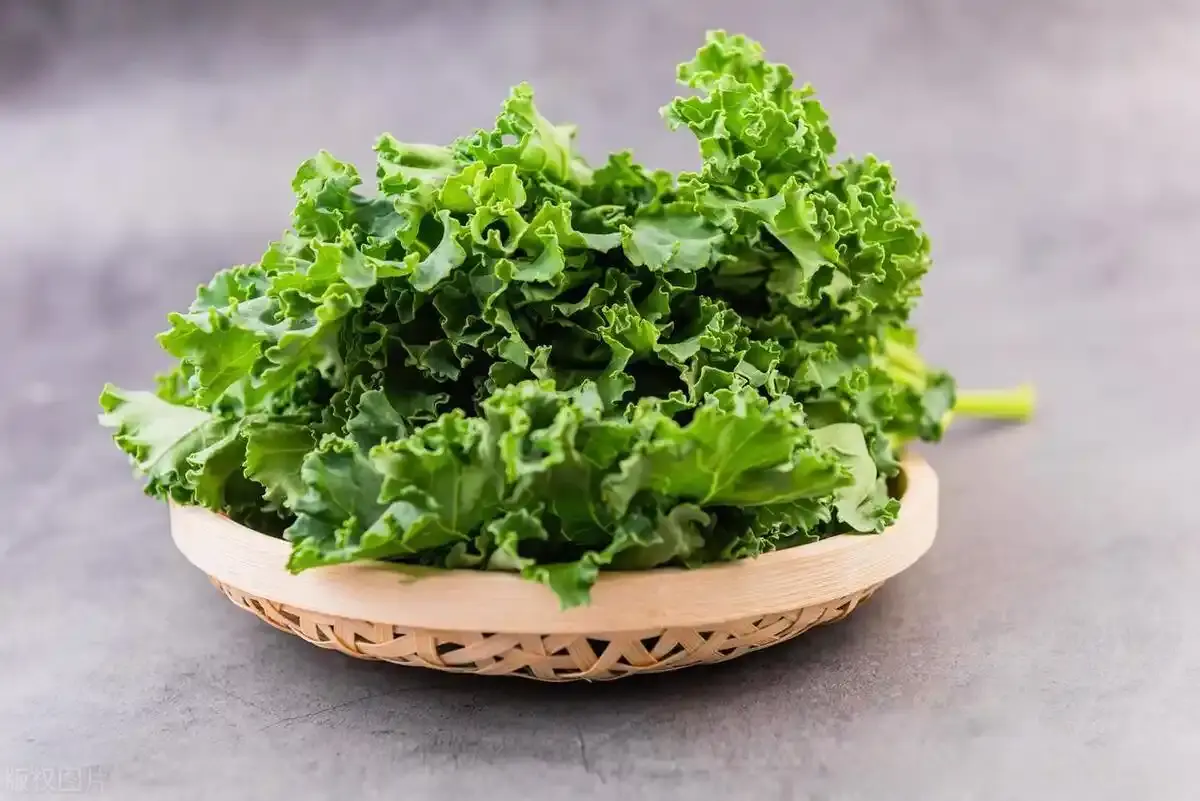
How good kale powder is prepared affects its effectiveness. Freeze-drying fresh kale leaves saves nutrients that break down when heated by vacuuming and freezing at very low temperatures. Antioxidants like vitamin C, vitamin K, lutein, and beta-carotene retain their form when freeze-dried. A brilliant green powder that smells and tastes like veggies is prepared. It can be used immediately in recipes. HPLC testing show modern freeze-dried Kale Powder is 100% pure. The final product is screened through 80 meshes for fineness. This makes it blend well with solids and distribute freely with liquids. Every 100ml contains 35–50g of bulk, making automatic manufacturing line dosing straightforward. This ingredient combines easily with water, making it ideal for drinks that need fast mixing and little sedimentation.
Core Nutritional Components and Health Benefits
Kale contains several compounds that boost body defenses and cell health. Vitamin K heals blood and breaks down bones. Powder offers you lots of it. B-carotene and vitamin A protect epithelial cells and eyesight. Calcium, iron, and potassium don't alter when food is freeze-dried. These nutrients are healthy and safe to add. Some Dried Kale Powder molecules are antioxidants. Pigments like lutein and zeaxanthin protect your eyes against reactive stress. Nutritionists say kale's glucosinolates reduce inflammation and promote heart health. These sulfur-containing foods may prevent illness if eaten regularly. Formulators can acquire vital nutrients in lesser servings because the powder is rich. This supports "clean label" and an easy-to-read ingredient list.
Shelf Life and Storage Stability Advantages
Business benefits varies greatly between fresh and powdered kale. Fresh kale tastes best after five to seven days in the fridge. After that, enzymes swiftly degrade it, removing minerals and ruining taste. Kale flakes are better, but they still need to be monitored for moisture to prevent germ growth. If properly stored and packaged, freeze-dried kale powder can last 24 months. Food is frequently less than 8% wet, so microbes and enzymes can't work. They would calculate food calories if they could. Storage standards require closed bins out of direct sunshine and heat. Any building makes this easy. Stock risks are lower, waste is lower, and manufactures can maintain supply lines without buying fresh food at different times of year, which might generate fluctuations.
Applications and Usage of Dried Kale Powder in Food and Industry
Integration into Functional Beverages and Supplements
Healthy advantages have been shown when adding Dried Kale Powder to ready-to-drink drinks and powdered drink mixes. They dissolve well in water due to their small grain size. This prevents the product from tasting gritty and turning customers off. Naturally occurring chlorophyll helps smoothies look lovely and is healthy. Sports nutritionists add vitamin-rich kale powder to recovery drinks and protein shakes. This supports their commercials' claim of whole foods and plant-based nutrition. Supplement companies like freeze-dried powder for formula consistency. Since bulk density is known, packaging fill weights can be maintained. The powder's squish and stickiness aids pill preparations with the correct fillers. Pure Dried Kale Powder is clean because it doesn't contain chemicals or cooking utensils. This offers it an advantage in the supplement business, where honesty regarding substances is crucial for buyers.
Food Manufacturing and Enrichment Applications
Kale powder gives baked items a natural green hue and health benefits. Kale powder is easy to add to bread, muffin, and pasta dough. Depending on color and taste, add 2%–5% by weight. The powder doesn't change color or nutrients when baked at typical oven temps. However, fresh vegetables would turn brown at the same temperatures. Food manufacturers utilize Dried Kale Powder to make healthful snacks. Add powder to snacks, fried chips, and cereal bars for fiber and vitamins. It helps things stand out in a congested market. Because mild veggies pair nicely with savory and somewhat sweet recipes, formulators have more opportunity to create new products. Kale powder makes ready-to-eat soups healthier. Emergency food supplies and camping meals benefit from this kale's lengthy shelf life.
Innovative Uses Beyond Human Nutrition
The pet food industry has learned that kale powder may help pets stay healthy. Healthy dog and cat treats are becoming more popular among pet owners. Dried Kale Powder adds vitamins, minerals, and antioxidants to pet food to boost immunity and health. The powder is stable and nontoxic, making it suitable for cookies and soft chews for cats. Kale powder is a vitamin, thus cosmetic companies may apply it on the face. Formulas for reactive stress and skin aging can leverage the high vitamin content and wide spectrum of phytochemicals. Despite its main purpose, food-grade powder attracts people from other areas, demonstrating kale's nutritional versatility. Companies that sell many food, supplement, and personal care products can maintain quality by using a single supplier. It simplifies the supply chain.
Procurement Strategies and Market Comparisons for Bulk Kale Powder Buyers
Navigating Global Sourcing Channels
Businesses that acquire Dried Kale Powder must choose sources, ensure quality, and delivery the powder. Chinese plant extract manufacturers are global leaders due to their low prices and quality improvements. Plant products are the major focus of many Shaanxi biotech companies. Long-standing farming supply connections and mining technology can help these companies. Procurement managers should prioritize companies with full quality control systems when buying Dried Kale Powder. ISO9001, HACCP, and FSSC22000 certifications demonstrate a food safety and quality plan. CGMP license proves food quality, and organic permits help you sell to higher-end customers. With HALAL and KOSHER approval, morally rigorous products can reach more people.
Understanding Pricing Dynamics and Minimum Order Quantities
The cost of freeze-dried kale powder depends on the ingredients, processing technique, quality control, and regulations. The price of bulk purchases depends on the quantity ordered. Unit expenses drop with bigger sales. Knowing about these price cuts lets you arrange your purchases to get the greatest bargain and save money. Sellers have varying minimum order amounts. Some companies offer 1 kilogram samples to make product testing and ideation easier. Most industrial orders start at 25 kg, or one drum. However, many vendors stock standard sizes and shapes to fulfill orders without waiting for new production runs. See how long stock and custom orders take. This impacts supply chain and product release strategies. When suppliers offer "green channel" services for pushing small-batch sales, enterprises may easily handle demand spikes or new product launches.
Private Label and Custom Branding Opportunities
Brands with their own products need OEM and ODM skills. Private label companies can aid with product development, packaging, and government documentation. This significantly reduces product launch time. Dried Kale Powder providers let firms produce new goods without investing in production sites or staff training. Custom branding goes beyond naming things. It also has diverse particle sizes, container forms, and blends that combine kale powder with complementary items. Suppliers who offer smaller manufacturing runs are ideal for brands testing the market. This helps them reach the proper folks. Larger batches can be manufactured as more individuals buy them. The benefits of being first to market fade quickly in competitive markets because customers' tastes change. Making formulation changes based on market input is helpful.
Making the Right Purchase Decision — Criteria and Best Practices
Defining Technical Specifications and Quality Requirements
The purchase should proceed smoothly if the needs are clear and match the anticipated applications. Buyers should define standards for particle size, moisture content, microbiological limits, heavy metal restrictions, and drug residues. These determine if the product works, fulfills regulations, and is safe to use. Dried Kale Powder that meets FDA and CE standards is safe to buy in North America, Europe, and other controlled markets. Reading technical data sheets will help you compare sources. Solubility, bulk density, and organoleptic properties affect how drinks are manufactured, stored, and distributed. Ask for certificates of analysis for current production batches to ensure sellers satisfy regulations. So you don't simply have the option in optimal conditions.
Evaluating Supplier Reliability and Quality Assurance
Company reviews should go beyond technical specs. It should also consider business and real abilities that will effect long-term relationship success. Quality-checking tools are prioritized, and vendors that test at several stages should be rewarded. You need a lab to demonstrate quality control. Third-party clearance checks ensure management and manufacturing processes are reviewed by an outsider. Communicating on time is crucial in fast-changing corporate environments like the market. Suppliers who update customers and resolve issues immediately help things run smoothly and enable swift decisions. Technical assistance with preparation and application is valuable in addition to basic materials. Those creating new items or entering new markets should consider this. New product innovators and solution providers are strategic partners, not transactional sellers.
Risk Mitigation Through Supply Chain Management
Purchasing specialists realize that finding experienced suppliers isn't enough to maintain a continuous supply. Lowering risks helps you avoid breaks that could affect your work and upset clients. Food and supplement supply lines are opening because the government wants to. Tracking ingredient origins and handling can help solve quality issues promptly. Maintaining relationships with other quality suppliers while preserving your major ones gives you options if a key provider cannot deliver. Regular source checks might be outsourced or done in-house. This ensures quality and contractual compliance. Setting clear quality agreements that clarify what is acceptable, how to test, and how to resolve disputes eliminates confusion that could damage company relationships or product quality.
Future Trends and Innovations in Kale Powder for the Global Market
Technological Advances in Processing Methods
Plant extract workers are continuously finding new ways to process things to keep nutrients in, make them more useful, and cut production costs. New freeze-drying equipment boost output and save energy, benefiting the economy and ecology. Newer crushing methods make particles more equal, making the material easier to handle and break down, which benefits the makers. Researchers are investigating supercritical carbon dioxide to isolate valuable compounds from kale. This may help folks make more effective, focused ingredients. HPLC and mass spectrometry can quantify phytochemicals more accurately than general markers, improving quality testing methods. Standardised extracts with assured levels of specific nutrients or bioactives can be developed with this analytical precision, ensuring product performance and supporting health claims. In competitive markets, manufacturers with these analytical capabilities offer themselves as premium suppliers to quality-conscious buyers.
Market Dynamics and Consumer Preferences
Plant-based eating used to be a niche hobby, but now most people do it as a normal part of their lives. This has increased demand for all types of food, drinks, and supplements. People who want clean labels are more likely to get the useful ingredients they need from whole foods instead of man-made poisons. Dried Kale Powder is a great way to meet these goals because it is easy to use and still has all the health benefits of kale. People who go backpacking or just spend time outside for fun really like light, nutrient-dense foods that don't need to be kept cold. This means there are more options than just selling things and serving food. The organic seal is getting more important as more people learn about growing methods and chemical exposure. Organic kale powder costs more than regular kale powder, but many brands see this as a way to get into markets that care about health. These things, along with price and quality, are becoming more and more clear as reasons people buy things. Because where you get your products can change how people see your brand and where it stands in the market.
Strategic Recommendations for Competitive Positioning
Buyers and sellers benefit from monitoring market knowledge regarding new uses, laws, and competition. Join professional groups, attend trade shows, and pay for market research to make wise business decisions. Research projects with universities or other study groups might give vendors early business ideas. People are increasingly considering sustainability when buying and want to support environmentally beneficial companies. Customers and companies want to be green, so saving water, electricity, and garbage works. Being honest about ingredient origins and environmental impact helps sell ethical ingredient purchases. This could support charging extra for specific ingredients and retain brand-conscious customers.
Conclusion
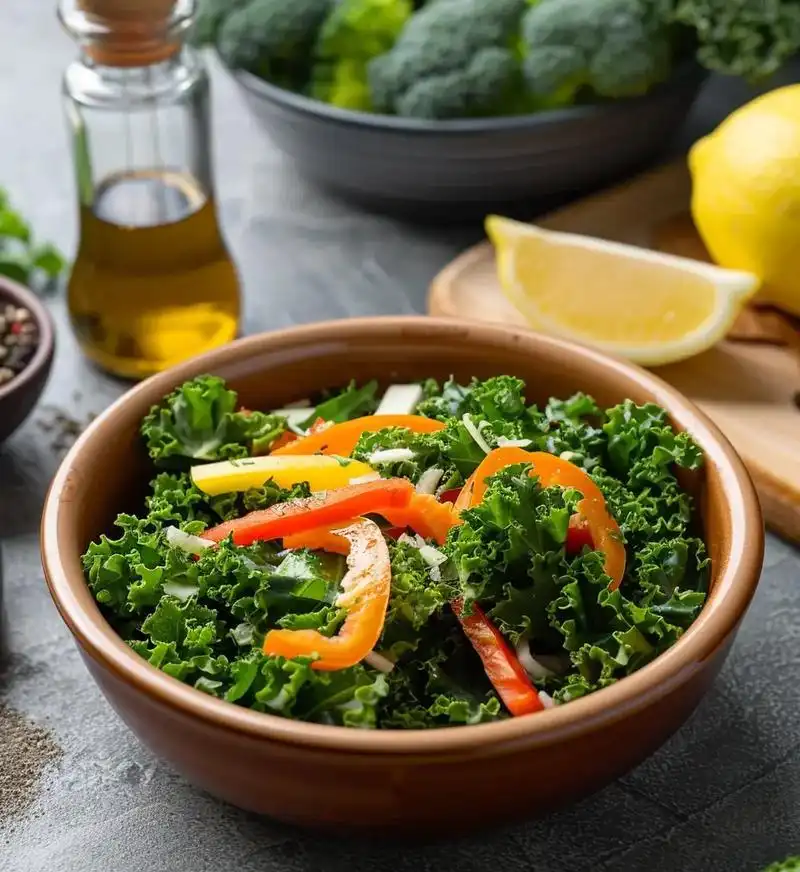
In addition to being a novel superfood ingredient, Dried Kale Powder helps food, drink, vitamin, and other unique product makers tackle genuine concerns. Freeze-drying preserves nutrition while reducing fresh produce size and shelf life. Kale powder is versatile and may be converted into nutritious camping snacks, drinks, and pet food. Consider professional needs, seller skills, and market trends before buying. Plant-based, nutrient-dense products that suit health concerns and clean label regulations are popular. Companies might benefit from buyers that carefully plan their purchases, aligning quality needs with business needs.
FAQ
1. What Certifications Should I Require When Purchasing Bulk Kale Powder?
Getting the right certificates that show safe ways to make things and safe goods is the first step in quality control. ISO9001 certifies that quality management is done in a systematic way. HACCP and FSSC22000 go into more detail about food safety risks and control methods. Get organic approval from a trustworthy group to make sure you follow the rules for organic farming if you want to sell to expensive customers. More items can be sold in stores that serve people with special food needs when they are HALAL and KOSHER-friendly. Records of heavy metal tests that show lead, arsenic, cadmium, and mercury levels have been met protect against pollution risks.
2. Can Kale Powder Be Safely Used in Pet Food Formulations?
Dried Kale Powder is increasingly incorporated into premium pet food and treat formulations, providing vitamins, minerals, and antioxidants supporting companion animal health. Food-grade specifications meeting the same safety standards as human nutrition products ensure suitability for pet applications. The powder's palatability and nutrient profile complement both dog and cat nutrition requirements, though formulation ratios should consider species-specific dietary needs and consultation with veterinary nutritionists for therapeutic diet applications.
3. How Do Organic and Conventional Kale Powder Compare in Pricing and Quality?
Most of the time, organic kale powder costs 20–40% more than standard kale powder. This is because it has fewer supplies and costs more for growing materials and permission. There is a difference in quality mainly due to the amount of pesticides still on the food. It is not nutritionally better, though some studies suggest that organically grown food may have a little more of some chemicals that protect it. People who want to buy something should think about what their target market likes, how the brand is positioned, and how price conscious they are.
Partner with Asianbios for Premium Dried Kale Powder Supply
How well a business does and the quality of its products are both affected by the sources it uses. Businesses can buy Dried Kale Powder from Asianbios. This powder has been tested carefully and is made in a way that meets CGMP, FSSC22000, ISO9001, HACCP, HALAL, KOSHER, and organic standards. As a reputable Dried Kale Powder manufacturer, HPLC tests have shown that our freeze-dried kale powder is 100% pure. It is also checked for heavy metals and germs to make sure it is safe and follows all the rules. The low minimum order size of 1 kg makes it easier to come up with new recipes, and the bulk price and quick fulfillment from a stock on hand meet the needs of large-scale production. With OEM and ODM skills, brands can customize their own products, which helps them stand out in markets with a lot of competition. Technical help, like giving tips on recipes and making apps, speeds up the start of new products. Email our team at plantex@asianbios.com to get samples, talk about your needs, or find out how you can work with a Dried Kale Powder company you can trust that is committed to quality, service, and new ideas.
References
1. Sikora E, Cieślik E, Leszczyńska T, Filipiak-Florkiewicz A, Pisulewski PM. The Antioxidant Activity of Selected Cruciferous Vegetables Subjected to Aquathermal Processing. Food Chemistry, 2008.
2. Olsen H, Aaby K, Borge GIA. Characterization and Quantification of Flavonoids and Hydroxycinnamic Acids in Curly Kale by HPLC-DAD-ESI-MSn. Journal of Agricultural and Food Chemistry, 2009.
3. Šamec D, Urlić B, Salopek-Sondi B. Kale (Brassica oleracea var. acephala) as a Superfood: Review of the Scientific Evidence behind the Statement. Critical Reviews in Food Science and Nutrition, 2019.
4. Podsędek A. Natural Antioxidants and Antioxidant Capacity of Brassica Vegetables: A Review. LWT - Food Science and Technology, 2007.
5. Miglio C, Chiavaro E, Visconti A, Fogliano V, Pellegrini N. Effects of Different Cooking Methods on Nutritional and Physicochemical Characteristics of Selected Vegetables. Journal of Agricultural and Food Chemistry, 2008.
6. Korus A. Level of Vitamin C, Polyphenols, and Antioxidant and Enzymatic Activity in Three Varieties of Kale Grown in Different Locations. Applied Sciences, 2011.

Send Inquiry
Related Industry Knowledge
- Your Guide To Choosing The Best Organic Grape Powder
- Uses of Sleep Aid Jelly for Daily Sleep Routine
- Why Freeze Dried Kiwi Powder Is Trending: Health Benefits and Best Ways to Use It
- What Is Vitamin C Production Technology? Industry Overview
- What is apple green powder?
- Sleep Aid Jelly Guide: How It Supports Relaxation
- Benefits of Threonine Production Technology in Feed Additives
- Uses of Sleep Aid Capsule for Insomnia Relief Routine
- What do you do with freeze-dried kale powder?
- Kiwi Dried Powder for Drinks: Boost Flavor and Nutrition