What Is Vitamin C Production Technology? Industry Overview
Vitamin C Production Technology includes the technical and biological steps used on a large scale to make L-Ascorbic Acid from carbohydrate sources, mostly glucose or sorbitol. The standard Reichstein-Grüssner chemical synthesis and the more advanced two-step fermentation process are the two main ways that things are made today. Using modified bacterial strains like Gluconobacter oxydans and Acetobacter species, the second method turns glucose into 2-keto-L-gulonic acid and then lactonizes it with acid. This method solves important problems in the industry, like using a lot of energy, harmful solvents, and polluting the environment. It achieves conversion rates higher than 90% while producing a lot less carbon dioxide and dangerous trash compared to older methods.


Understanding Vitamin C Production Technology
The Chemical Foundation and Biosynthesis Pathways
The main element in making vitamin C is L-Ascorbic Acid, which is written chemically as C6H8O6. At the start of the biosynthesis process, glucose is the main raw material. It is hydrogenated to make sorbitol. Sorbitol changes into L-sorbose through bacteria fermentation, which is the first step toward making it on an industrial scale. Understanding how modern facilities maximize yield and cleanliness starts with understanding this biological change.
Two Primary Industrial Methods Explained
In the past, the Reichstein-Grüssner method, which uses acetone and other organic solvents for repeated oxidation and protection steps, controlled the chemical synthesis market. Fermentation-based Vitamin C Production Technology has become a strong option. It uses microorganisms that are either naturally occurring or genetically changed to speed up reactions at room temperature. The two-step fermentation method uses modified bacteria in a particular order to make 2-keto-L-gulonic acid, which is an important intermediate step, and then lactonization, which produces pure vitamin C.
Key Raw Materials and Process Optimization
Most of the fuel comes from glucose and wheat or corn, but sorbitol made from hydrolyzed glucose also plays a part. Process engineers use the biosynthesis route to figure out the best pH ranges (usually between 5.5 and 6.5), temperature controls (28 to 32°C for bacterial growth), and oxygen transfer rates in fermentation vessels. By knowing these factors, B2B procurement managers can compare technology packages based on the abundance of raw materials, the cost of feedstock in their area, and the ability to be scaled up in different production settings.
Comparison of Vitamin C Production Methods
Efficiency and Cost-Effectiveness Analysis
A lot of the talk about production speed is about how fast raw materials are turned into finished goods and how hard the work is. Chemical synthesis can change about 60–70% of glucose into the finished product, but it needs several rounds of crystallization and solvent recovery to get it clean. Fermentation-based methods have higher conversion rates (85–95%) and require fewer steps in the next step of processing. A study of costs shows that fermentation cuts the cost of buying solvents by 40–50% and energy use by 20–30%. This means that companies that make a lot of vitamin C can save a lot of money on their operations.
Scalability and Environmental Impact
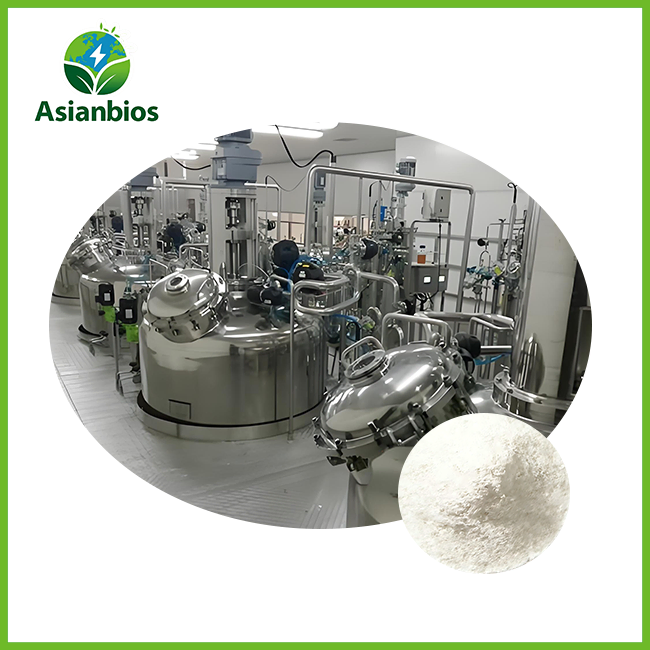
Scalability issues are very different between ways. For new makers, it's hard to get started because they need to spend a lot of money on expensive reaction tanks that can handle corrosive oxidizing agents and high-pressure systems. Standard stainless steel bioreactors with temperature and pH control systems popular in the biotech industry make fermentation technology easier to scale up. Studies that look at the effects on the environment always recommend fermentation because it gets rid of acetone and other toxic organic substances from the process stream. The decrease of the "three wastes"—wastewater, combustion gas, and solid residue—is a huge benefit as rules get stricter around the world. New developments in continuous fermenting and membrane filtering have made these processes even better while leaving less of an impact on the environment.
Latest Technological Innovations
New and innovative discoveries include improving strains through metabolic engineering, which makes bacteria 15–25% more productive than wild-type organisms. Real-time tracking systems that use spectroscopy and automatic nutrient feeding are used in process optimization to keep the best conditions for bacterial growth throughout fermentation cycles. New developments in the downstream include improved crystallization methods that create regular particle sizes (40–100 mesh) that can be used for direct compression in tablet production or controlled dissolution in drinking applications. Because of these improvements in technology, fermentation-based Vitamin C Production Technology is now the best option for businesses that care about both ecology and making money.
Key Players and Suppliers in Vitamin C Production Technology
Core Competencies and Product Offerings
Leading providers set themselves apart by providing specialized products that target specific market groups. Some companies are very good at making pharmaceutical-grade products that meet USP, EP, and BP guideline standards and have endotoxin amounts below 0.25 EU/mg for injectable versions. Others are made for food-grade uses and offer goods with the best particle size ranges for adding nutrients to drinks or making nutraceutical tablets directly compressed. Usually, technology kits come with instructions on how to build fermentation vessels, how to grow strains, what tools to use for purification, and quality control systems. This method is used by Asianbios, which provides standard technical packages that include advanced engineering bacterial technology and ongoing technical support. This helps clients meet regulatory requirements while building strong supply chains.
Supplier Evaluation Criteria for Procurement Managers
B2B buyers should look at more than just the beginning capital costs when judging a seller. Consistent product quality, on-time delivery of technical documents, and quick troubleshooting help during the testing steps are all examples of reliability. Patent portfolios about strain development, written study on process optimization, and a history of improving current facilities are all signs of innovation. After-sales help is very important, especially for companies that are new to fermentation technology and need to learn how to grow microbes, keep tools clean, and fix problems. Organizations that want to keep cooperation as simple as possible like turnkey plant solutions, which include bioreactor systems, purification equipment, utilities integration, and validation procedures all in one package. When buying equipment, you should think about whether the design is flexible so that you can add more capacity, whether it will work with your current infrastructure, and whether the seller is willing to do pilot-scale testing before you commit to full production.
Practical Considerations for B2B Procurement Managers
Selecting Optimal Production Technology
Instead of aiming for just one variable, decision systems should look at a lot of factors at once. In addition to capital costs, cost analysis must include the total cost of ownership over the equipment's 10 to 15-year lifetime. This includes patterns of energy use, solvent costs when they apply, repair needs, and expected improvements to meet regulatory requirements. Metrics for operational efficiency include not only the amount of work that can be done, but also the ability to make different types (pharmaceutical, food, cosmetic, and feed) in the same facility by changing the purification procedures. Sustainability for the environment is becoming more important in buying things, as companies pledge to be carbon neutral and cut down on waste. This is pushing the choice of Vitamin C Production Technology toward fermentation-based systems that are in line with green manufacturing principles.
Evaluating Supplier Support and Upgrade Paths
Technology companies should show their dedication beyond the initial installation by setting up full help systems. Operational teams can get the most out of their tools by going through training programs that cover fermentation principles, aseptic technique, troubleshooting routines, and preventive maintenance plans. For sites that want to get FDA, EMA, or other agency approvals, documentation packages must have thorough standard operating procedures, validation methods, and help with regulatory filing. Upgrade options should be carefully thought through, especially as fermentation strains change and tools for purification move forward. Flexible suppliers who offer flexible systems that let you add more capacity or improve quality levels over time without having to replace all of your equipment at once are very helpful. Suppliers can stand out in a competitive review by being able to adapt their technology to changing market needs, such as quickly switching product grades or yearly changes in demand.
Balancing Investment Against Long-Term Scalability
Strategic methods to buying know that the lowest starting cost doesn't always mean the best long-term value. Scalability should be thought about in light of expected market growth, and technology choices should be able to handle 50–200% more capacity through the addition of more fermentation trains or multiple processing lines. In pharmaceutical and cosmetic uses, better particle size control, lower heavy metal content, or higher stability profiles command higher prices. This is why financial models should include a true way to capture product quality premiums. Companies that want to sell their goods in other countries can avoid expensive changes when they go from selling in their own country to selling their goods abroad if they use technology platforms that meet multiple legal standards at the same time. As customers expect more environmental responsibility throughout supply chains, companies that strategically align their production technology skills with their sustainability goals gain a competitive edge.

Future Trends and Innovations in Vitamin C Production
Sustainable Green Technologies
There is a clear move in the industry toward manufacturing methods that are better for the earth and help protect climate change and resources. In the next phase of fermentation, green energy sources are combined. For example, solar thermal systems provide process heat, and biogas from organic waste streams powers extra equipment. Through membrane bioreactor treatment and multi-stage reverse osmosis, closed-loop water recycling methods cut the amount of freshwater needed by 60–80%. Carbon capture from fermentation off-gas opens up new business possibilities, as CO2 streams can be used to grow plants or add carbon to the air in factories. These green technologies are very popular with consumer brands that are under a lot of pressure to show that their supply chains are sustainable. This makes it possible for makers who use environmentally friendly production platforms to stand out in the market.
Enhanced Fermentation Strains and Genetic Engineering
Targeted genetic changes made possible by breakthroughs in biotechnology keep making bacteria work better. CRISPR-based gene editing allows exact changes to be made to metabolic pathways, which raises the yield of 2-keto-L-gulonic acid while lowering the production of byproducts that make purification harder. Adaptive laboratory evolution creates strong strains that can handle higher substrate amounts and work effectively across a wider range of temperatures and pH levels, which makes the process more stable. Synthetic biology creates completely new metabolic pathways that could cut fermentation times from 72 to 96 hours to 36 to 48 hours, doubling the throughput of the plant without having to spend more money on growth. Intellectual property rights for proprietary strains are becoming more and more important in determining competitive places, as technology companies license high-performance organisms along with equipment sets.
Automation and Digitalization of Production Lines
Industry 4.0 Vitamin C Production Technology completely digitizes the process of making vitamin C, which changes how it is made. Inline sensors that measure glucose concentration, dissolved oxygen, pH, and optical density are used for real-time process monitoring. This information is sent to advanced process control algorithms, which change the rates of food feeds, air, and temperature profiles automatically. Predictive maintenance systems look at patterns of shaking, pump performance measures, and heat exchanger efficiency to plan maintenance tasks that can be done before equipment breaks down and stops production. Digital twin technology makes virtual copies of the production environment. This lets operators try changes to the process, figure out what's wrong, and find the best working parameters without putting real batches of product at risk. These digital features are especially helpful for makers with multiple locations because they standardize operations across sites that are in different places and speed up the transfer of knowledge when setting up new production lines.
Market Drivers and Strategic Positioning
Vitamin C demand is still growing around the world. This is because more health-conscious people are buying it, more older people need to take supplements, and it is being used in more useful foods and cosmetics. Pharmaceutical demand for therapeutic uses stays the same, but demand for cosmetic-grade vitamin C derivatives grows by more than 10% as more anti-aging and skin-brightening products come out. In growing countries, intense aquaculture and chicken production help feed-grade markets grow. For strategic positioning to work, makers need to figure out which groups of people they want to sell to, invest in quality systems and certifications that match those groups, and build business relationships with formulators and brand owners. Innovative production technologies give companies a competitive edge by lowering costs, making their products more environmentally friendly, and being able to meet specific technical needs that require higher prices.
Conclusion
The technology used to make vitamin C is at a turning point where older chemical synthesis methods are slowly giving way to more modern fermenting methods that are better for the environment and the economy. Modern two-step fermentation methods that use modified bacterial strains are examples of green medicinal innovations. They can achieve high conversion rates while getting rid of harmful solvents and waste streams. There are both well-known global companies and specialized makers in the market that offer turnkey solutions, technology packages, and ongoing support. Capital costs are being weighed against working efficiency, environmental sustainability, and long-term growth more and more when purchasing things. Genetic engineering, full digitalization, and closed-loop sustainable manufacturing are all things that will likely lead to better strains in the future. Companies that want to make vitamin C should look at all of their sources, taking into account things like technical help, legal knowledge, and how well their products fit with their company's sustainability goals. The technology creates crystalline powder that is white to light yellow and meets the standards for pharmaceutical, food, cosmetic, and feed-grade products. It can be produced in a range of sizes, from small amounts to large commercial volumes, and can be used in a wide range of ways around the world.
FAQ
1. What distinguishes two-step fermentation from traditional chemical synthesis?
Two-step fermentation uses different kinds of bacteria to change glucose into 2-keto-L-gulonic acid without using harmful chemicals or liquids like acetone. This has a hugely positive effect on the environment and on the amount of energy that is used. Multiple steps of defense and oxidation with dangerous chemicals are needed for chemical synthesis, which creates large amounts of trash. Fermentation is 85–95% efficient at converting, while chemical routes are only 60–70% efficient. This lowers production costs and raises safety standards. Instead of the special vessels needed for chemical oxidation, normal biotech equipment can be used for fermentation, which makes it easier to scale up.
2. How can manufacturers reduce environmental impact when producing vitamin C?
When you use fermentation-based production technology instead of chemical synthesis, you get rid of volatile organic substances and cut down on "three wastes" by 40–60%. When closed-loop water recovery through membrane bioreactors is used, a lot less freshwater is used. Using more renewable energy, like solar thermal and biogas systems, lowers carbon loads. Optimizing the strain cuts down on the time and amount of material needed for fermentation, which makes better use of resources. By choosing providers that offer green technology platforms with clear sustainability measures, you can be sure that their environmental promises are carried out in practice.
3. What factors matter most when selecting a vitamin C production technology supplier?
Beyond the original costs, you should also look at the total costs of ownership, which include things like energy, upkeep, and following the rules over the lifespan of the equipment. Check a supplier's track record by visiting reference sites and looking at open performance statistics. The quality of technical help, including training programs, full documentation, and quick response times to troubleshooting requests, has a direct effect on business success. Think about upgrade lines that let you add more space and improve the quality tier without having to replace everything. Check for legal knowledge by seeing that client facilities have been approved by the FDA, EMA, or a similar body. Being able to make different types (pharmaceutical, food, cosmetics, and feed) in the same buildings makes it easier to change to changing market conditions.
Partner with Asianbios for Advanced Vitamin C Production Technology Solutions
Asianbios offers complete Vitamin C Production Technology and technology solutions for making vitamin C for dietary supplement brands, functional food companies, cosmetics makers, and raw material providers in the US market. Our two-step fermentation method meets worldwide quality standards like CE, FDA, and ISO and gets better conversion rates. We offer standard technical packages that include advanced engineering bacterial strains and come with ongoing technical help to make sure that regulations are followed and operations are run smoothly. OEM/ODM features allow for a wide range of production needs, from making gummies, pills, powders, and capsules. Our CGMP, FSSC22000, ISO9001, HALAL, KOSHER, Organic, and HACCP certifications make sure that the quality of our products is maintained, whether you're setting up new production lines or making the most of the ones you already have. Email our technical team at plantex@asianbios.com to learn more about customized technology solutions for making vitamin C, to get full technical brochures, or to set up a meeting to talk about your unique manufacturing problems and goals for sustainability.
References
1. Hancock, R.D., and Viola, R. (2005). Biosynthesis and Catabolism of L-Ascorbic Acid in Plants. Critical Reviews in Plant Sciences, 24(3), 167-188.
2. Zhang, W., and Liu, H. (2011). Modern Biotechnology for Vitamin C Production: From Chemical Synthesis to Microbial Fermentation. Applied Microbiology and Biotechnology, 89(5), 1391-1402.
3. Bremus, C., Herrmann, U., Bringer-Meyer, S., and Sahm, H. (2006). The Use of Microorganisms in L-Ascorbic Acid Production. Journal of Biotechnology, 124(1), 196-205.
4. Anderson, S., Marks, C.B., Lazarus, R., Miller, J., Stafford, K., Seymour, J., and Light, D. (1985). Production of 2-Keto-L-Gulonate, an Intermediate in L-Ascorbate Synthesis, by a Genetically Modified Erwinia herbicola. Science, 230(4723), 144-149.
5. Pappenberger, G., and Hohmann, H.P. (2014). Industrial Production of L-Ascorbic Acid (Vitamin C) and D-Isoascorbic Acid. Advances in Biochemical Engineering/Biotechnology, 143, 143-188.
6. Liu, Y., Xu, Y., and Jiang, X. (2021). Advances in Fermentation Technology for Vitamin C Production: Process Optimization and Environmental Sustainability. Biotechnology Advances, 48, 107724.

Send Inquiry
Related Industry Knowledge
- Uses of Glutathione Production Technology in Pharma
- Lysine Production Technology Price Factors Explained
- Benefits of Sleep Aid Jelly for Better Night Sleep
- What Is Glutathione Production Technology Explained?
- Benefits of Lysine Production Technology in Feed Industry
- Uses of Threonine Production Technology in Agriculture
- Sea Buckthorn Powder: How to Use in Your Diet
- How to Incorporate Freeze Dried Kale Powder into Your Daily Meals for Optimal Health?
- Dried Carrot Powder: An All-Natural and Convenient Way to Boost Your Health
- Best Grape Powder Benefits: Why You Should Add It Daily