Uses of Glutathione Production Technology in Pharma
Pharmaceutical companies and nutrition brands have to make a big choice all the time: how to get high-purity Glutathione Production Technology glutathione that meets strict regulation requirements while also being affordable and long-lasting? Glutathione Production Technology has changed a lot over the years, moving away from slow chemical synthesis and low-yield yeast extraction and toward cutting-edge microbial fermentation platforms. Pharmaceutical-grade reduced glutathione (GSH) made with these new bioprocessing methods is very pure, has the right structure, and meets USP, EP, and ChP injection-grade requirements. Modern fermentation-based production uses chemically modified Saccharomyces cerevisiae strains, precise environmental controls, and gentle downstream processing methods to get yields of 8–10 g/L while causing the least amount of damage to the environment and getting rid of any harmful solvents that are left over.
Understanding Glutathione Production Technologies in Pharma
The Evolution from Chemical Synthesis to Microbial Fermentation
Traditional chemical production of glutathione had a lot of problems, like making useless alpha-isomers that don't do anything biologically and making dangerous leftovers that needed complicated waste handling. While yeast extraction methods produced the right gamma-glutamyl bond structure, they had low yields and quality that was not always reliable. Modern Glutathione Production Technology gets around these problems by using GRAS-certified Saccharomyces cerevisiae for microbial fermentation. This method naturally creates the biologically active L-configuration with 100% structure accuracy, getting rid of the stereochemical mistakes that come with other methods. The fermentation process depends on gamma-glutamylcysteine synthetase (GSH1) and glutathione synthetase (GSH2) working together. These are enzymes that link glutamic acid, cysteine, and glycine into a tripeptide structure one at a time.
Gentle Extraction and Multi-Stage Purification
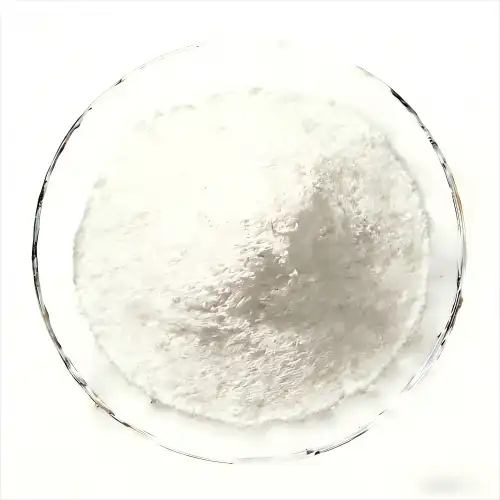
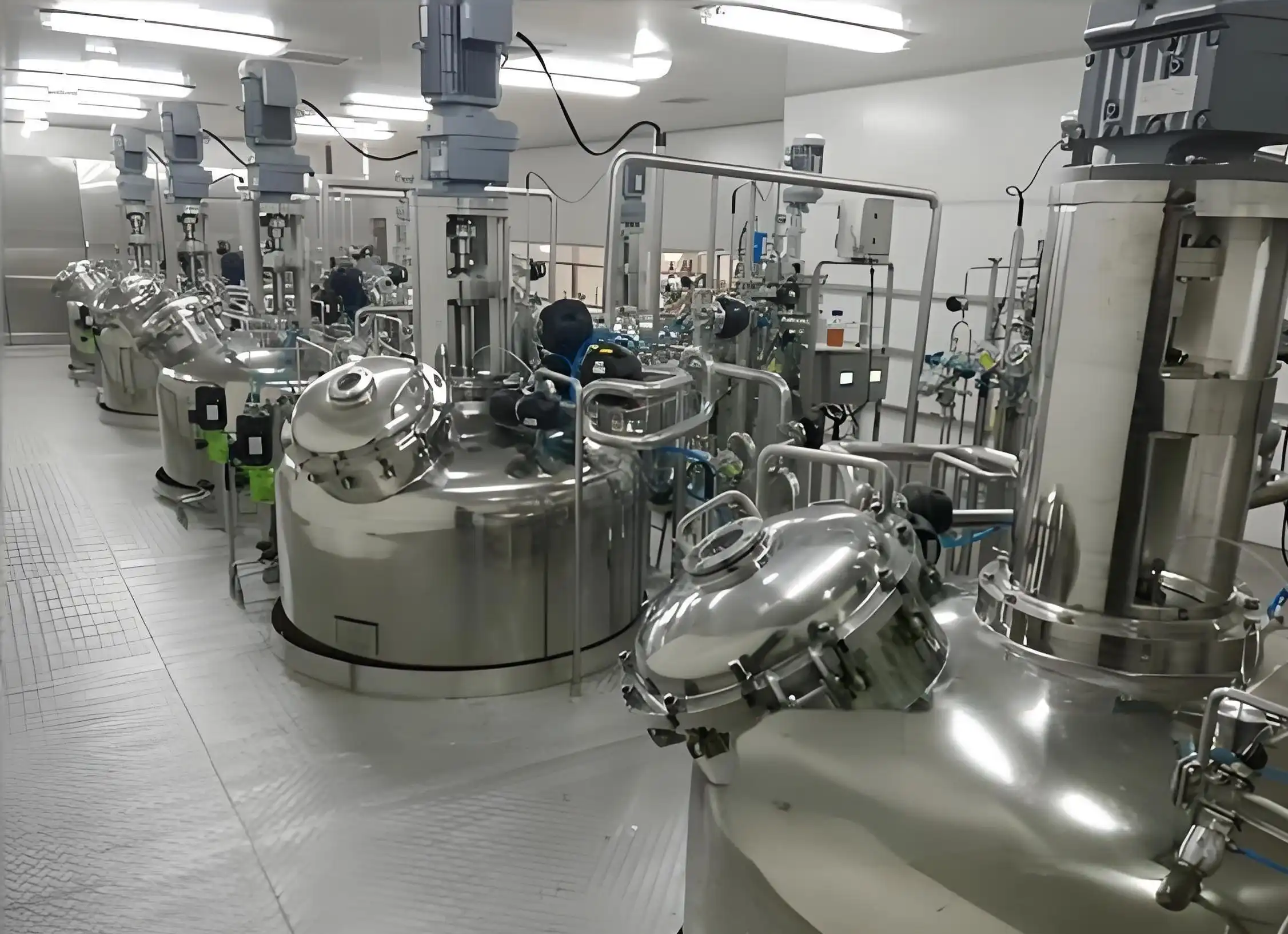
An important part of how Glutathione Production Technology is different from other methods is the downstream handling. Once the fermentation process is over, the cells are gathered and either broken down by enzymes or homogenized under high pressure. This breaks down the cell walls gently, without using strong alkaline or acidic treatments that could hurt the product. To keep things from oxidizing during processing, extraction takes place in reductive buffers that contain EDTA and ascorbic acid. The raw extract is cleaned in several steps: activated carbon decolorization gets rid of pigments and macromolecular impurities; ion exchange chromatography separates glutathione from other cell parts; ultrafiltration removes salt; and freeze-drying under controlled conditions makes the white powder. The whole process of cleaning happens in an atmosphere of inert gas, low temperature, and no light. This thorough method makes finished glutathione that is more than 98.5% pure (measured by HPLC), has an oxidized GSSG content below 1.0%, and endotoxin levels below 0.1 EU/mg. These levels meet all the standards for injection-grade pharmaceuticals.
Uses of Glutathione Production Technology in Pharmaceutical Applications
Hepatoprotective Therapeutics and Liver Health
A key ingredient in hepatoprotective drugs is pharmaceutical-grade glutathione. Glutathione Production Technology is made using advanced fermentation technology. The liver is where the body's glutathione levels are strongest. Glutathione is an important part of detoxification processes, especially in breaking down and getting rid of xenobiotics and reactive metabolites. Glutathione loss is a common sign of liver illnesses like alcoholic liver disease, non-alcoholic fatty liver disease, and drug-induced hepatotoxicity. Injectable glutathione products work directly to boost the liver's antioxidant capacity, help Phase II cleansing enzymes, and shield cells from oxidative damage. In these situations, the high purity that can be achieved with current production methods is very important, since impurities could make liver problems worse or cause bad immune reactions. When buying glutathione for hepatoprotective drugs, procurement specialists should focus on sellers who can consistently meet pharmaceutical-grade standards and provide a lot of paperwork to back up their regulatory entries.
Injectable Formulations and Stability Requirements
When given intravenously, glutathione must be of the best quality, as even small amounts of impurities can cause dangerous side effects. Through a number of processes, modern Glutathione Production Technology makes it possible to create safe injectable solutions with longer shelf lives. The very low levels of endotoxin stop pyrogenic reactions, and the very low levels of GSSG make sure that the active reduced form works as well as possible for therapy. Controlled freeze-drying creates a solid structure that makes it easier for injectable vehicles to dissolve quickly and spread out evenly. Pharmaceutical formulators like fermentation-derived glutathione because it is consistent, which makes stability testing methods and regulatory paperwork easier. Because the technology can give predictable particle size distribution, optical rotation values, and dissolution patterns, drugs work better every time. When hospital pharmacies make personalized glutathione infusions for urgent care units, where dosing accuracy and safety gaps don't leave any room for error, these quality traits become even more important.
Comparing Glutathione Production Technologies for Pharma Procurement
Fermentation Versus Chemical Synthesis: A Strategic Analysis
When purchasing managers look at glutathione sources, they have to consider the main changes in how the products are made. Fermentation-based Glutathione Production Technology is better than chemical production methods in a number of important ways. The biological route naturally creates the right gamma-glutamyl bond with natural L-configuration amino acids, which guarantees that the biological action is 100%. Chemical methods, on the other hand, often make alpha-isomers that don't work, which means that more steps need to be taken to separate them, which adds to the cost and lowers the total yield. Fermentation technology is strongly favored by environmentalists because it uses green feedstocks and makes 70% less chemical oxygen demand (COD) in wastewater than manufactured processes. Since fermentation doesn't use any harmful organic solvents, there aren't any legal hurdles for testing and getting rid of residual solvents. This makes it easier to keep track of compliance. Cost structures are very different. Fermentation requires a bigger starting investment, but it has lower continued costs because it uses less energy and treats waste better. A small amount of chemical synthesis may seem like a good way to make money, but it is hard to get approval from regulators, and worries about sustainability are becoming more important for pharmaceutical firms that are under a lot of scrutiny for how they treat the environment.
Supplier Evaluation Criteria and Quality Assurance
To find a good glutathione provider, you need to do Glutathione Production Technology more than just compare prices. Professionals in procurement should check who owns the strain and whether it is protected by intellectual property laws. This is because proprietary-designed strains often provide better performance and security. Approvals for manufacturing facilities, such as CGMP, FSSC22000, HALAL, KOSHER, and Organic approvals, when available, show that they can run their business well and get their products to market. The best providers stand out by their technical help, especially those that offer formulation advice, application testing, and custom specs made to meet the needs of a specific pharmaceutical product. Reliability in the supply chain includes ways of managing inventory, adaptable production capacity, and relationships in transportation that make sure products are always available and delivered quickly. Quality systems should have full batch records, stability studies that cover the product's planned shelf life, and prompt discussion about any changes to the process or deviations that happen. Risk-managed seller review can happen before signing large-volume buying contracts because small samples can be sent for qualification testing with minimum order quantities as low as 1 kg.
Overcoming Challenges in Glutathione Production for Pharma Use
Addressing Microbial Strain Stability and Contamination Risks
Making pharmaceutical-grade glutathione is hard because of ongoing technological issues that need constant solutions. Stability of microbial strains is a major issue because genetic changes can go back to their original state after long growing periods, which lowers output over time. Advanced production centers use strict strain banking methods and keep working cell banks and cryopreserved master cells under tight quality control. Genetic fingerprinting is used to check strains on a regular basis and make sure that manufacturing is consistent across campaigns. Contamination risks, including microbial and chemical ones, need protection methods with many layers. Aseptic processing areas with positive pressure HEPA filtering, approved cleaning routines, and real-time tracking of the environment keep the purity of the fermentation process safe. Because glutathione's thiol groups are sensitive, they need to be protected from oxidation during processing. This is done by covering them in nitrogen, keeping the temperature stable, and adding antioxidants to the buffers used for extraction. These safety steps make sure that the reduced GSH stays chemically active and doesn't change into the inactive oxidized GSSG while it's being made.
Quality Control Measures and GMP Compliance
For pharmaceutical uses, quality control must be strict throughout the whole process of making glutathione. Compliance with current Good Manufacturing Practice (CGMP) is the basis. It includes validated processes, qualified tools, trained staff, and thorough recording systems. Some important quality factors, like assay strength, optical rotation, heavy metals, leftover liquids, microbial limits, and endotoxins, need to be analyzed using methods that have been proven to be specific, accurate, precise, and sensitive. In-process controls at key stages of production allow decisions to be made in real time and trust in the release of a lot. Stability studies under ICH-compliant settings (accelerated, intermediate, and long-term) set shelf-life standards and help choose the right packing materials. Change control procedures make sure that any changes to a process are carefully evaluated for risks and approved before they are put into action. Pharmaceutical customers now routinely audit their suppliers, looking at not only their analytical skills but also their quality culture, how they handle deviations, how well they use corrective and preventative action (CAPA), and their efforts to keep improving. In competitive buying situations where price is only one of many factors used to make a choice, suppliers with strong quality systems stand out.
Future Trends and Innovations in Glutathione Production for Pharma
Synthetic Biology and CRISPR-Enabled Strain Development
The next version of Glutathione Production Technology will use state-of-the-art synthetic biology tools that will change the way microbial engineering is done. CRISPR-Cas9 genome editing lets yeast types be changed quickly and accurately, speeding up the design-build-test-learn processes that used to take years. Multiplex editing lets you change many genetic targets at once, which could lead to improved stress tolerance, stronger regulatory circuits, better precursor biosynthesis, and less waste formation in a single engineering effort. Combining computational models with machine learning lets us look at complicated metabolic networks, find genetic targets that aren't clear, and guess how changes will turn out before they are made in the lab. These methods offer gradual increases in yield that add up over time, which could double or triple the current output levels. In addition to Saccharomyces cerevisiae, scientists are also looking into other types of microbes, such as bacteria and filamentous fungi, which have different digestive skills and may have their own benefits. The coming together of genomes, metabolomics, and artificial intelligence has made rational strain design possible in ways that have never been seen before. This is a step beyond actual trial-and-error and toward predictive bioengineering.
Continuous Fermentation and Process Intensification
The way things are made is changing from batch processes to continuous bioprocessing modes, Glutathione Production Technology, which has big operational and cost benefits. Continuous fermentation keeps cells in an exponential growth phase all the time. This increases volumetric output and equipment usage while decreasing the time needed for breaks between batches. Perfusion cell culture methods keep large groups of cells alive while constantly harvesting media that is rich in products. This separates biomass production from product creation, which leads to higher outputs. These sped-up processes take up less space in the building and require less capital investment per unit of output. This gives manufacturers a better return on their investment and could lower costs for pharmaceutical customers. Integrated capture chromatography and continuous crystallization methods get rid of hold times that could cause the product to break down, which goes hand in hand with improvements in fermentation. Process analysis technology (PAT) monitors keep an eye on important quality factors in real time, which lets automated feedback control keep things running at their best even when the environment changes. The rules for continuous production have come a long way. The FDA has issued guidance papers to encourage its use, and several approved biologics are now being made using continuous methods. This opens the door for wider use of these methods for other pharmaceutical ingredients, such as glutathione.
Sustainability Initiatives and Circular Economy Integration
Sustainability in the environment has gone from being a minor issue to a key strategic goal that shapes the development of industrial technologies. In the future, more and more circular economy ideas will be used in glutathione production, turning trash streams into useful inputs. Fermentation waste that is high in protein and vitamins can be turned into feed products for animals instead of being thrown away. Carbon capture technologies might make it possible to use the waste gases from fermentation in other ways, such as raw materials for other bioprocesses or chemical synthesis. In places where resources are limited, water recycling devices with improved purification lower the amount of freshwater that is used. Using renewable energy, like solar panels on-site and biogas made from organic garbage, lowers the carbon footprint and running costs. Life cycle assessment (LCA) methods measure how things affect the environment along the whole value chain. This helps set goals for growth and supports drug companies' sustainability promises. Environmental performance is being taken into account more and more, along with traditional quality and cost factors, in purchasing choices. This gives makers who are leaders in green chemistry and sustainable operations a competitive edge. These projects make sure that production methods are in line with global climate goals. They also help businesses by saving resources and improving their image.
Conclusion
Advanced Glutathione Production Technology has completely changed how medicines are made. It now makes it possible to get highly pure active ingredients that meet the highest quality standards and are also more environmentally friendly and cost-effective. Metabolically designed yeast strains used in microbial fermentation platforms are the gold standard in the industry. They produce pharmaceutical-grade reduced glutathione with high structural correctness, low impurities, and full regulatory compliance. When purchasing glutathione sources, procurement workers should know the technical differences between production methods, the important quality factors that affect treatment performance, and the new technologies that are about to make manufacturing even better. As synthetic biology, continuous processing, and environmental efforts change the landscape, pharmaceutical firms can gain a long-term competitive edge by forming smart supply relationships with technology leaders.
FAQ
1. What distinguishes fermentation-based glutathione from chemically synthesized alternatives?
Fermentation naturally creates the biologically active gamma-glutamyl link with the right L-configuration amino acids, which means that the product works 100% of the time. Chemical synthesis often makes alpha-isomers that aren't useful, which need to be separated, and it also leaves behind solvents that fermentation doesn't have at all. Material that comes from fermentation is always pure enough for medicinal use with little harm to the environment.
2. How should pharmaceutical-grade glutathione be stored to maintain stability?
Pharmaceutical glutathione needs to be kept in cases that are tightly sealed and filled with nitrogen or an inert gas. It also needs to be kept cool and dry, away from direct light and water. If you store high-purity solid material the right way, it will last for 24 to 36 months. Refrigeration makes things even more stable, but different medicinal formulas may need different levels of stability depending on how the excipients interact with each other.
3. Can glutathione production technology deliver material compliant with multiple pharmacopeias simultaneously?
Glutathione is regularly made in advanced fermentation plants that meet the standards of the USP (United States Pharmacopeia), EP (European Pharmacopoeia), JP (Japanese Pharmacopoeia), and ChP (Chinese Pharmacopoeia). The production controls and analytical testing methods are made to meet the strictest requirements across all regulatory countries. This makes it easier to register a product in more than one market.
Partner with Asianbios for Pharmaceutical-Grade Glutathione Solutions
Asianbios provides glutathione made using cutting-edge microbial fermentation technology. Our CGMP-certified factories use metabolically modified Saccharomyces cerevisiae strains and approved purification methods to make sure that each batch is the same, which is important for controlled uses. We offer a range of order sizes, from 1 kg samples to multi-ton supply deals. Our products come with full scientific paperwork, such as Certificates of Analysis, stability data, and help with regulatory filing. As a reliable provider of Glutathione Production Technology, we offer customized specs for cosmetic, nutraceutical, and pharmaceutical uses. Our services are backed by FSSC22000, ISO9001, HALAL, and KOSHER certificates. Email our technical team at plantex@asianbios.com to talk about your unique needs and find out how our advanced fermentation platforms can improve the quality of your products while making your supply chain more reliable and saving you money.
References
1. Griffith OW, Mulcahy RT. "The enzymes of glutathione synthesis: gamma-glutamylcysteine synthetase." Advances in Enzymology and Related Areas of Molecular Biology, 1999; 73:209-267.
2. Pompella A, Visvikis A, Paolicchi A, De Tata V, Casini AF. "The changing faces of glutathione, a cellular protagonist." Biochemical Pharmacology, 2003; 66(8):1499-1503.
3. Li Y, Wei G, Chen J. "Glutathione: a review on biotechnological production." Applied Microbiology and Biotechnology, 2004; 66(3):233-242.
4. Penninckx MJ. "An overview on glutathione in Saccharomyces versus non-conventional yeasts." FEMS Yeast Research, 2002; 2(3):295-305.
5. Forman HJ, Zhang H, Rinna A. "Glutathione: overview of its protective roles, measurement, and biosynthesis." Molecular Aspects of Medicine, 2009; 30(1-2):1-12.
6. Meister A, Anderson ME. "Glutathione." Annual Review of Biochemistry, 1983; 52:711-760.

Send Inquiry


Related Industry Knowledge
- Why Freeze Dried Kiwi Powder Is Trending: Health Benefits and Best Ways to Use It
- What is Sleep Aid Capsule? Complete Beginner Guide
- Benefits of Advanced Vitamin C Production Technology
- What is apple green powder?
- Benefits of Glutathione Production Technology in Industry
- Benefits of Sleep Aid Capsule for Deep Sleep Support
- Uses of Sleep Aid Capsule for Insomnia Relief Routine
- Vitamin C Production Technology Uses in Food & Pharma
- Future Trends in Freeze Dried Strawberry Powder
- Best Grape Powder Benefits: Why You Should Add It Daily