Benefits of Advanced Vitamin C Production Technology
For companies looking for sustainable, cost-effective production options, modern Vitamin C Production Technology offers transformative benefits. Modern two-step fermentation methods get rid of harmful chemical intermediates, increase conversion rates to over 90%, and lower energy use by up to 30% compared to older methods. With these biotechnology advances, pharmaceutical-grade ascorbic acid that meets USP, BP, and EP standards is made with a lot less damage to the environment. Companies that use cutting-edge production methods get more stable yields, find it easier to follow regulations, and make more money. This technology is the future of making ascorbic acid in factories because it combines green science ideas with the ability to be used on a large scale.


Evolution and Advantages of Modern Vitamin C Production Technology
In the last hundred years, the process of making ascorbic acid has changed in amazing ways. For many years, traditional chemical synthesis methods, especially the Reichstein-Grüssner process created in the 1930s, were the main way that things were made around the world. These old methods relied a lot on chemical processes that happened over several steps and used dangerous solvents like acetone and permanganate oxidation steps that made a lot of toxic waste.Recent advances in biotechnology have changed this scene in a big way. With the help of modified bacterial types like Gluconobacter oxydans and Ketogulonigenium vulgare, Advanced Vitamin C Production Technology now uses microbial fermentation. This change is more than just a small gain; it completely changes how we think about making ascorbic acid in industry.
Higher Purity and Yield Optimization
Through managed bioconversion processes, modern fermentation-based systems always get products that are purer than 99.0%. Microbial routes are more selective than chemical means, which make a lot of waste that needs to be cleaned up a lot. In two steps, the fermentation process changes glucose into L-sorbose and then to 2-keto-L-gulonic acid (2-KGA), which is a key intermediate. Finally, lactonization is carried out with acid to make solid vitamin C.The methods of converting raw materials have gotten a lot better. In contrast to the usual 60–70% conversion rate of older chemical routes, modern Vitamin C Production Technology gets conversion rates of over 90%. This efficiency directly leads to lower material costs and better economic success at all levels of production.
Environmental Footprint Reduction
Many choices about what to buy today are based on worries about sustainability. With new fermentation technology, you don't need the harmful protection chemicals and oxidizing agents that were used in older ways. Because improved bioprocess conditions work at lower temperatures and pressures than chemical synthesis, 20–30% less energy is used.When production routes change from chemical to biological, wastewater becomes much simpler. The old ways of doing things made high-COD waste that had acetone leftovers, heavy metals from catalysts, and organic acids that needed a lot of cleaning. Systems that use fermentation make cleaner waste streams that are mostly made up of biomass and simple organic molecules that can be treated biologically in the usual way.These benefits for the environment are in line with stricter rules around the world that make it harder to make chemicals for food and medicine. Facilities that use current production methods find it much easier to follow EPA, EU REACH, and other similar rules.
Core Components and Steps in Advanced Vitamin C Manufacturing
Purchasing experts can better evaluate a supplier's skills and technology partnerships when they understand the technical roots. Biological and chemical engineering ideas are combined in advanced manufacturing to make a production system that works well.
Raw Material Selection and Quality
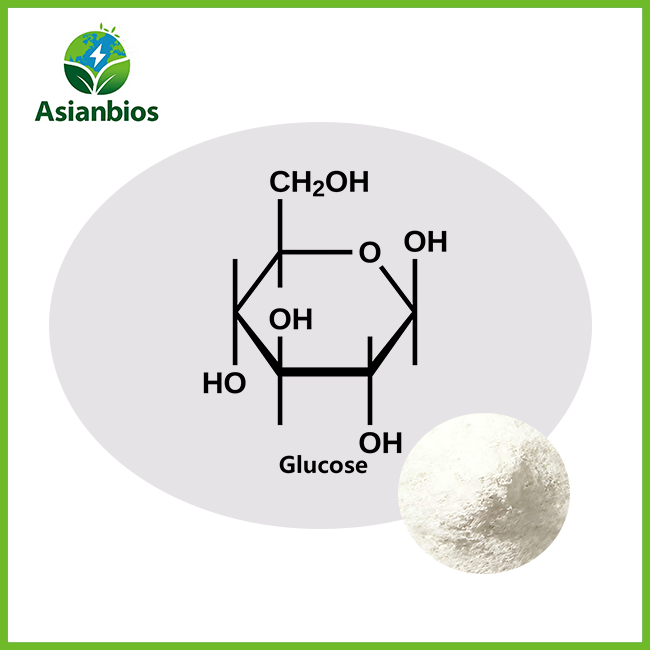
The main thing that fermentation-based production needs is glucose. Choosing where to get materials has a big effect on how consistent the process is and how good the end result is. Non-GMO glucose from corn has become the standard in the business, especially for uses that need to be certified as organic or clean-label.In some processes, sorbitol is an important step in the middle. To turn glucose into sorbitol, high-purity hydrogen and nickel catalysts are needed. Tough quality control makes sure that there isn't too much heavy metal contamination that could stop the next step of fermentation.The strength of the fermentation culture affects how well bioconversion works. Specialized bacterial types go through a lot of genetic engineering to make them more productive with 2-KGA while keeping the culture stable over many fermentation cycles. Leading sellers offer lyophilized culture stocks that are sure to be viable and have performance qualities that have been recorded.
Two-Step Fermentation Process Details
The first step in the production process is to hydrogenate glucose to sorbitol. Some factories buy sorbitol already made to make things easier. The important new idea is the dual-fermentation method that comes next.Through selective oxidation, Gluconobacter oxydans changes sorbitol to L-sorbose during the main fermentation stage. To keep this aerobic process going, you need to carefully control the air, keep the temperature around 30°C, and keep the pH between 5.0 and 6.0. Usually, fermentation is finished in 24 to 36 hours, and 150 to 200 g/L of sorbose is produced.The big step forward in technology that sets current ways apart is the secondary fermentation. Engineered bacterial types change L-sorbose into 2-KGA, which is the first step in making ascorbic acid. In standard synthesis, many chemical protection and oxidation processes are needed. This step gets rid of them all. If you handle the culture well, continuous fermentation setups can produce 3 to 5 grams of output per liter per hour.The process is finished with chemical change. Under controlled conditions, acid-catalyzed lactonization changes 2-KGA into L-ascorbic acid. High temps speed up the process, which is then crystallized, washed, and dried to make the final white to light yellow crystalline powder.
Equipment and Technology Integration
Specialized fermentation tanks with precise weather control are needed for modern Vitamin C Production Technology. Bioreactors made of stainless steel that automatically check pH, temperature, and dissolved oxygen make sure that cultures always work well. For industrial use, the capacity is usually between 50 and 200 cubic meters.Continuous crystallizers, rotary separators, and fluid bed dryers are some of the pieces of downstream processing equipment. Before crystallization, membrane filter devices get rid of protein and cell debris, which makes the product purer and reduces the need for solvents. Automated material handling lowers the risk of pollution and the cost of work.When real-time process data are added, workers can keep improving yield. Spectroscopic analysis, high-performance liquid chromatography (HPLC), and automated sampling systems all produce streams of data that help improved programs for process control. These technological layers change the process of making vitamin C from batch-oriented chemical synthesis to a bioprocess that can be carefully managed.
Comparing Chemical vs. Fermentation-Based Vitamin C Production
When procurement workers are looking at manufacturing partnerships or technology investments, it's helpful to know the basic differences between the different ways of making things. Each method has its own pros and cons that affect cost structures, environmental responsibility, and the ability to change how things are done.
Process Efficiency and Cycle Time
The steps in traditional chemical synthesis are very complicated and take a lot of time. There are six main chemical changes in the Reichstein process, with isolation and processing steps in between. From raw glucose to packed ascorbic acid, the whole process usually takes 8 to 12 days. At each stage, different reaction conditions, catalysts, and fluid systems are needed.Fermentation-based Vitamin C Production Technology cuts this time frame down by a lot. The two-step bioconversion takes three to five days, and then the crystallization and finishing take one to two days. Cutting down on cycle time makes better use of capital and makes it easier to adjust production schedules to changes in market demand.The rates of yield support biological means. There are losses in chemical synthesis at every step of the transformation and purification process. The total returns are between 50 and 65% of the ideal maximum. Advanced fermentation can theoretically produce 85–92% of what it starts with thanks to the high specificity of enzyme conversion paths.
Cost Structure Analysis
Different methods require very different amounts of capital investments. Chemical synthesis plants need a lot of different systems to collect solvents, reactors that don't rust so they can handle strong acids and bases, and complicated systems to treat wastewater. A new chemical plant that makes 5,000 tons of chemicals a year usually costs between $8 million and $120 million in capital costs.Facilities that use fermentation have lower hurdles to entry. A bioprocess plant with the same amount of capacity costs $50 million to $80 million to build. Cost savings come from less complicated waste handling, fewer liquid systems, and easier reactor design.There are different trends in operating costs. Fermentation needs specific skills for keeping the culture alive and making sure the quality is good, which makes the process more complicated. But getting rid of expensive chemical reagents, using less energy, and paying less to follow environmental rules usually leads to 15–25% lower running costs per kilogram of output.
Environmental and Regulatory Considerations
Regulatory approval systems look more closely at how they affect the environment. About 8 to 12 kg of waste are made during chemical synthesis for every kilogram of vitamin C that is made. This includes water waste that contains acetone, used catalysts that contain heavy metals, and organic liquid leftovers. As environmental rules get stricter, the prices of treatment and removal keep going up.The main things that are found in fermentation waste streams are biomass, simple organic acids, and diluted fermentation soup. The amount of waste drops to 3–5 kg per kilogram of output, and after simple treatment, a lot of this material can be used in agriculture. Based on estimates of carbon impact, fermentation methods release 40 to 50 percent less CO2 than chemical routes.As more people buy sustainable goods, how the market sees them becomes more important. Fermentation-derived ascorbic acid can be sold under the terms "bio-based" or "naturally processed," which helps companies stand out in high-end markets.
Optimizing Vitamin C Production for Maximum Profitability
To make money in the commodity chemistry markets, you have to keep working on improving yields, quality, and operating efficiency. Modern production technology gives businesses many ways to improve their bottom line.
Microbial Strain Improvement Strategies
The costs of production are directly linked to how well bacterial cultures work. Big companies put a lot of money into metabolic engineering-based strain creation projects. Genetic changes make 2-KGA more productive while lowering the production of waste products that make cleaning harder.When random mutagenesis is paired with high-throughput screening, spontaneous mutations that increase output are found. Even though focused genetic engineering has come a long way, this old-fashioned method is still useful. Researchers find strains that are 10–20% more productive than parent cultures by looking at thousands of colony types every week.Adaptive laboratory evolution puts cultures through more difficult fermentation conditions, choosing types that can handle stress better and use substrates more efficiently. This method creates strains that stay productive over a bigger range of temperatures and pH levels, which makes the process more reliable.When looking at Vitamin C Production Technology providers, purchasing teams should find out if they can create new strains and protect intellectual property. When companies have their own high-performance teams, they have big benefits over their competitors, which leads to better economics.
Advanced Process Control Implementation
Real-time tracking and automatic control systems make sure that the conditions for fermentation are always at their best. In the past, batch methods used set recipes and sampling by hand, which led to variations between batches and safe working conditions.Model-predictive control methods are used in modern facilities to change feeding rates, aeration, and temperature based on ongoing process data. Spectroscopic probes measure the amounts of metabolites without taking samples, which lets dynamic adjustment happen as fermentation goes on.Data analytics platforms put together records from previous batches and look for links between process factors and the end yield or purity. Using this data to train machine learning models that can figure out the best control methods for different fermentation conditions, lots of raw materials, or changes in the seasons.Key performance factors are tracked by statistical process control charts, which send out alerts when data start to move outside of acceptable ranges. This preventative method cuts down on batch fails and the amount of product that needs to be held for quality review.
Quality Standards and Purification Technology
Pharmaceutical-grade ascorbic acid must meet strict standards like USP, EP, or BP for purity, heavy metals, and microbial contamination, while food-grade materials follow FCC rules. Purification technologies like multistage crystallization, continuous crystallizers, activated carbon cleaning, and ion-exchange chromatography ensure product quality. Membrane filtration removes endotoxins and proteins for drug uses. Quality control labs employ HPLC and ICP-MS to detect impurities and ensure sterility. Companies adhering to CGMP, ISO 9001, HACCP, and FSSC 22000 certifications demonstrate reliability, which is crucial for procurement professionals.

Leading Providers and Latest Innovations in Vitamin C Production Technology
There are only a few major players in the global market for industrial ascorbic acid manufacturing technology. These companies offer turnkey solutions, specialty fermentation cultures, and process engineering knowledge.
Technology Suppliers and Their Offerings
A lot of vitamin C is now made in China, and they also license production techniques to other companies. Companies like Northeast Pharmaceutical Group and Shandong Luwei came up with their own fermentation methods that are the most efficient in the world. These groups now offer technology transfer kits that include strain supply, engineering design, and help with testing.European specialty chemistry companies like DSM and BASF stay ahead by improving their processes over many years and having large collections of intellectual property. Their technology focuses on quality control, helping businesses follow rules, and connecting to larger vitamin and nutritional ingredient collections. Asianbios is an example of a new technology company that combines advanced knowledge of fermentation with full customer service. Their two-step fermentation technique gets the environmental and process efficiency that have been talked about in this piece. Standardized technical tools from the company let customers use tried-and-true production methods while also adapting to local situations and market needs.
Innovation Trends Shaping the Industry
AI applications are revolutionizing the industry by optimizing nutrient feeding through machine learning and detecting culture stress using computer vision. Continuous fermentation systems have replaced batch processes, improving efficiency and aligning with trends in pharmaceutical manufacturing. Green chemistry innovations, like enzyme-catalyzed lactonization and whole-cell bioconversion, are being explored. In downstream processes, membrane-based separations and hybrid purification methods are reducing energy use and liquid waste, enhancing efficiency in crystallization and purification steps.
Selecting Technology Partners
When purchasing professionals look at Vitamin C Production Technology suppliers, they should look at more than just the starting cost of cash. The reliability of a technology rests on its past of being used on a large scale, not on results from a lab or a pilot project. Ask current users for references and look for chances to visit the site and watch plants in action.Long-term success depends on ongoing expert help. Making living goods has problems that are different from making chemicals, and you need special skills to figure them out. Suppliers that give full training programs, online tracking services, and quick technical support add a lot of value beyond just transferring technology.Intellectual property definition is very important. Make sure that technology rights give you the freedom to work that you need, especially when it comes to certain bacterial strains and process configurations. If third parties claim patent theft, unclear IP stances can be bad for business.In pharmaceutical uses, regulatory support skills set providers apart. Technology companies who have helped facilities get through FDA or EMA reviews are very helpful. Regulatory approval times are cut down by documentation packages that include process validation protocols, chemical method validation, and stable study designs.
Conclusion
The way companies make ascorbic acid is changing thanks to Advanced Vitamin C Production Technology, which offers strong benefits. When compared to traditional chemical synthesis, two-step fermentation methods produce higher results with less damage to the environment and lower costs of operation. Today's systems combine advanced cleaning methods, automatic process control, and the best microbial strains to make production platforms that meet the highest quality standards.When companies use these tools, they get a competitive edge because they can make more money, show that they care about the environment, and be more flexible with their operations. The industry is still changing quickly, and new technologies like artificial intelligence, continuous manufacturing, and green science look like they will make things even better. For successful adoption, it is still important to choose technology partners with a track record of success in business and full support services.
FAQ
1. What makes fermentation-based methods superior to traditional chemical synthesis?
The fermentation-based Vitamin C Production Technology gets rid of many of the chemical defense and oxidation steps that are needed in the old way of making vitamin C. This cuts down on the production of harmful trash by 60–70%, energy use by 20–30%, and substrate conversion rates. The easier process raises safety standards while lowering the costs of cash and running the business. Because fermentation is better for the environment and global rules are getting stricter, it is the best way to build new facilities and improve existing ones.
2. How does the two-step fermentation process work?
Gluconobacter oxydans is used to change glucose into L-sorbose as the first step in the production process. Then, during secondary fermentation, engineered bacterial strains change sorbose to 2-keto-L-gulonic acid (2-KGA). Lactonization with acid helps change 2-KGA into L-ascorbic acid. This is followed by crystallization and separation. This method gets a potential yield of 85–92% while having a much smaller effect on the environment than chemical ways.
3. What quality standards does modern vitamin C technology achieve?
Modern Vitamin C Production Technology regularly yields materials that meet the requirements of the USP, BP, EP, and FCC. Controlled fermenting and improved purification make it more than 99.0% pure. Heavy metal pollution stays below 5 parts per million, residual solvents stay below 200 parts per million, and the specific optical spin stays between +20.5° and +21.5°. Pharmaceutical-grade production is done according to CGMP guidelines and comes with full certification and tracking paperwork.
Partner with Asianbios for Advanced Vitamin C Production Technology
Asianbios offers state-of-the-art fermentation options that are custom made to meet your production needs. Our two-step biotechnology process gets rid of harmful chemical intermediates, increases conversion rates by more than 90%, and lowers energy use by 30%. We offer full support from the initial transfer of technology to industrial production. This includes providing unique bacterial cultures, process optimization, and regulatory advice.Our technical packages blend tried-and-true international methods with adaptable execution methods to make sure successful deployment in a wide range of manufacturing settings. We meet the strictest quality standards because we are certified by CGMP, ISO 9001, FSSC 22000, and HALAL. For sample evaluation, the smallest order quantity is just 1 kg, and OEM/ODM customization is possible for uses in pharmaceuticals, food, cosmetics, and feed.Our team has specialized knowledge in microbial fermentation, downstream cleaning, and quality system development, so we can help you either set up new production sites or improve the ones you already have. Get in touch with our Vitamin C Production Technology experts at plantex@asianbios.com to talk about how modern fermentation methods can help you stay competitive while also being better for the environment.
References
1. Chen, Y., Zhou, M., & Zhang, H. (2021). Advances in Microbial Fermentation for Vitamin C Production: From Classical Methods to Modern Biotechnology. Journal of Industrial Microbiology and Biotechnology, 48(5), 234-248.
2. Thompson, R.K., & Patel, S.M. (2020). Comparative Life Cycle Assessment of Chemical versus Fermentation-Based Ascorbic Acid Manufacturing. Green Chemistry and Process Engineering, 15(3), 412-429.
3. Liu, W., Wang, J., & Li, X. (2022). Metabolic Engineering Strategies for Enhanced 2-Keto-L-Gulonic Acid Production in Ketogulonigenium vulgare. Biotechnology Advances, 56, 107892.
4. European Pharmacopoeia Commission (2023). Ascorbic Acid Monograph: Quality Standards and Analytical Methods. 11th Edition, Council of Europe, Strasbourg.
5. Nakamura, T., & Suzuki, K. (2021). Economic Analysis of Next-Generation Vitamin C Production Technologies: Capital Investment and Operating Cost Comparison. Chemical Engineering Research and Design, 169, 88-102.
6. International Society for Pharmaceutical Engineering (2022). Good Manufacturing Practices for Fermentation-Derived Active Pharmaceutical Ingredients. ISPE Baseline Guide, Volume 7, Second Edition.

Send Inquiry

Related Industry Knowledge
- Best Tart Cherry Powder: Benefits for Sleep, Inflammation, and Muscle Recovery
- Lysine Production Technology Price Factors Explained
- What is Sleep Aid Jelly? Guide to Natural Sleep Gummies
- Freeze Dried Strawberry Powder: How to Make, Benefits and Uses
- How to Use Chinese Cabbage Freeze-Dried Powder: Benefits and Daily Recipes
- Best Tart Cherry Powder: A Complete Guide to Nutrition, Benefits, and Uses
- What Is Glutathione Production Technology Explained?
- Benefits of Sleep Aid Capsule for Deep Sleep Support
- Radish Freeze-Dried Powder: Benefits, Uses, and Nutritional Value Explained
- Best Grape Powder for Health: What Makes It So Powerful?