Radish Freeze-Dried Powder: Benefits, Uses, and Nutritional Value Explained
Radish Freeze-Dried Powder improves natural food preservation. The output is always nutrient-rich and overcomes food and supplement source concerns. As the global demand for clean-label beneficial ingredients develops, buying staff are realizing this powder is essential to their product lines. Radishes are concentrated and preserved with over 95% of their useful compounds. Businesses that create health products benefit from this procedure. We'll discuss how this new chemical may assist B2B customers pick a vendor, utilized in numerous areas, and tested for health advantages. Knowing these aspects helps you make sensible purchases and ensure that the resources you acquire match high quality standards and client expectations for natural substances that perform. This article explains how to utilize Radish Freeze-Dried Powder properly for cosmetic products, healthy beverages, and food supplements.
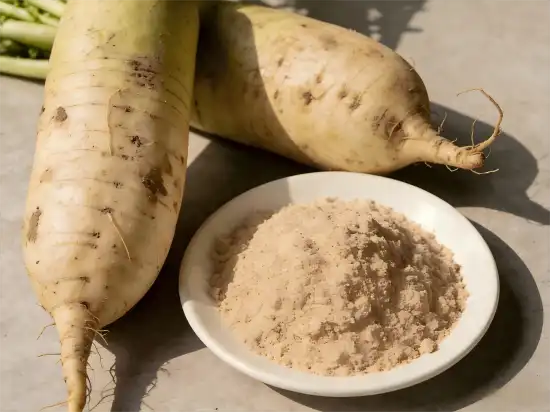
What Is Radish Freeze-Dried Powder?
Understanding the Freeze-Drying Process
Lyophilization is another word for freeze-drying. It occurs in a deep vacuum at -30°C to -50°C. Sublimation removes moisture. Using this method, ice becomes gas without melting. Radish slices are cleaned and thinly chopped. They are then swiftly frozen to form small ice crystals from their cells. A vacuum chamber gently lowers pressure and regulates heat. This helps frozen water molecules exit the radish without altering form. Heat degrades vitamin C, myrosinase enzymes, and glucosinolates, drying them out. This compassionate method saves them. Hot air dehydration breaks down nutrients, while spray drying heats materials to exceed 150°C. Freeze-dried items retain their organic content. This powder melts fast in cold water and tastes like fresh radish without any cooked or overdone flavors, making it ideal for rehydrating.
Quality Standards and Certifications
Businesses-to-business purchasers must verify that suppliers have FSSC 22000, ISO 9001, HACCP, and cGMP certifications. Quality control is maintained throughout the process, therefore these systems can follow raw materials from source to pack. Organic Radish Freeze-Dried Powder must be farmed without commercial pesticides or fertilizers. Depending on the market, USDA or EU regulations require this. Heavy metal testing is crucial. Arsenic, lead, cadmium, and mercury in the water are fewer than 2ppm, 1ppm, 0.1ppm, and 1ppm, according to reliable sources. The yeast and mold cells and plate cells should be fewer than 1,000 and 10,000 cfu/g, respectively. The particle size dispersion to 80 mesh ensures consistent formulations. By maintaining moisture below 4%, the product may last almost two years on the shelf.
Technical Specifications That Matter
A 100% HPLC clarity test reveals that the powder contains solely radish compounds and no maltodextrin or silicon dioxide. A bulk density of 35 to 50 grams per 100 milliliters affects tablet packing and dosing when crushed or filled. Powder works in various ways depending on how efficiently it absorbs water. Completely dissolved in water, it may be utilized in beverages. Enzymes can't react with it if its water activity is below 0.25. The meal should smell and taste like fresh radishes, indicating proper cooking and no spoilage at high heat. The product's origin in well-known Chinese agricultural locations shows how growing circumstances and collection techniques impact quality.
Nutritional Value and Health Benefits of Radish Freeze-Dried Powder
Preserved Bioactive Compound Profile
When radish is lyophilized, its essential ingredients remain concentrated in natural radish powder. Vitamin C remains high. Radish Freeze-Dried Powder retains 90–95% of raw radishes' vitamin C, whereas cooked ones retain 40–50%. Glucoraphanin and myrosinase, which activate glucosinolates, remain intact. They produce sulforaphane and other isothiocyanates that protect cells when consumed or combined. Different red radishes have beta-carotene, which maintains them antioxidant. Anthocyanins, which preserve color, are healthy. Potassium, calcium, magnesium, and minor levels of selenium and zinc concentrate when water is removed. This boosts dietary nutrients and improves performance at reduced inclusion rates.
Scientifically Supported Health Applications
Research demonstrates that glucosinolate chemicals aid the body's natural detoxification enzyme systems, particularly liver tissue's Phase II detoxification methods. Radish Freeze-Dried Powder may be used to manufacture liver-cleansing vitamins. Even though it was processed to maximize fiber, it encourages healthy gut flora and typical bowel movements, which are excellent for your digestive system. Vitamin C helps the immune system work, making it ideal for winter immune-boosting products. Low in calories and rich in fiber, the powder may help you lose weight. Cellular antioxidants resist reactive stress. This makes it suitable for skin care and anti-aging products. Radishes' compounds have been studied for blood sugar management in clinical nutrition trials. You must keep your commitments in locations where you sell your items.
Comparative Nutritional Analysis
Powder offers 10 times more nutrients per gram than fresh radish. This allows formulators to achieve nutritious values with low inclusion rates. Cooking or air-drying the powder loses much of its vitamin C and glucosinolates. They become less helpful. Spray-dried options frequently need additives that reduce active chemicals and violate clean-label principles. That the freeze-dried form retains complete enzyme activity is significant. Myrosinase still breaks down glucosinolates into beneficial isothiocyanates. This enzyme-based structure can't be maintained since typical drying methods are too hot for it. Shelf life is excellent with this powder. It may retain nutrition for 24 months if stored properly, whereas most dried foods only last 6–12 months.
Practical Uses of Radish Freeze-Dried Powder in Cooking and Industry
Culinary and Food Manufacturing Applications
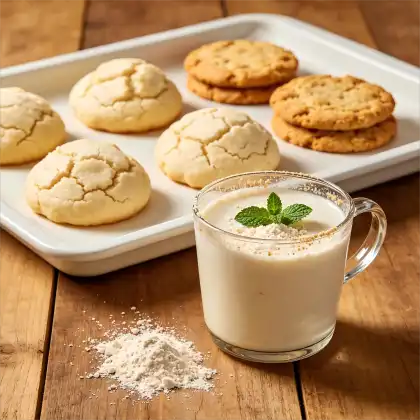
Food designers apply this powder to fast soups. It rehydrates in 15 seconds and tastes and nourishes like fresh vegetables without chilling. It's an easy-to-mix vegetable that complements fruit and adds earthy overtones to smoothies and protein drinks, improving nutrition. Radish Freeze-Dried Powder enhances tastes and adds umami, making it ideal for Asian-inspired spice combinations. Chefs may use the naturally colored powder to enhance the flavor and appearance of cakes, snacks, and vegetable-rich pasta. The powder gives vegetarian chips and crisps a true radish flavor when blended with water, which snack makers adore. Clean and nutritious, this item is suitable for infant meals. It makes safe vegetable purees without artificial chemicals or stabilizers.
Nutraceutical and Supplement Formulations
Detox pill manufacturers combine Radish Freeze-Dried Powder with beneficial botanicals like dandelion root and milk thistle. Powdered glucosinolates provide liver-helping herbs' compounds. Weight reduction products include that part to aid digestion and metabolism. It commonly contains green tea or garcinia cambogia. Echinacea or elderberry and vitamin C are added to general health tablets to aid with all four seasons. The powder is blended with stomach enzymes and bacteria to employ prebiotic fibers for gut health. Berry, green tea, and other polyphenol-rich foods are blended with the powder to create antioxidant combinations that protect cells. Since the powder is microbe-free and low in water, it may be crushed into tablets or pills without further processing.
Beverage and Functional Drink Development
Health drink makers incorporate Radish Freeze-Dried Powder to detox, vegetable, and green juice blends. The liquid keeps the powder from settling or clumping. It complements hot and cold beverages. It may be used in acidic fruit juices and alkaline plant-based beverages because to its balanced pH. Because it contains minerals and salts, sports nutrition manufacturers employ it in water solutions. It's stable in moist environments and lasts long, making it ideal for mixed powdered beverages. Healthier coffee and tea are manufactured by adding tiny quantities without changing flavor. The powder's light hue makes it ideal for clear or light-colored beverages.
Industrial Storage and Handling Best Practices
Storage in fiber drums with LDPE bag coverings protects items against air, light, and water. Thus, the structure should have temperatures below 25°C and relative humidity below 60% to prevent cakeing and water absorption. For optimal food preservation, reassemble a jar immediately and utilize the contents within three months. Processing tools should be cleaned between runs to avoid contamination. In locations with many plant-based diets, this is crucial. Standard dosage tools can handle the powder, however it must be handled carefully to maintain its open form. Nitricon cleaning and water-proof packaging are advised to prolong product life. Shipping shouldn't happen under extreme temps. In climate-controlled boxes, foreign shipments remain fresh.
Buying Guide: How to Choose the Right Radish Freeze-Dried Powder Supplier
Critical Quality Assessment Criteria
Before hiring a supplier, get comprehensive certificates of analysis that demonstrate bacteria loads, heavy metal limitations, and pesticide residue testing for radish root powder. Use a lab outside your firm to verify your test findings. Find out where the vendor receives their raw supplies, such as from radish farms directly or via numerous persons. How open the supply chain is affects quality and compliance documents. Radish Freeze-Dried Powder inspections or virtual factory checks highlight working conditions, equipment maintenance standards, and staff training programs that affect product quality. Explore the facility's quality management system. Discover how they handle client concerns and substandard items. If stability data reveals how a product performs in diverse shop circumstances over time, you can trust it to last. If the merchant provides you samples, you may make sure the product dissolves, tastes, rehydrates, and works with your formula before placing a large purchase.
Certification and Regulatory Compliance Verification
Your supplier must provide current certifications that match your customers' demands. FSSC 22000 approval signifies comprehensive food safety control that satisfies international requirements. ISO 9001 proves every company operation uses a quality management system. The HACCP documentation reveals that risks were thoroughly assessed and key control points were monitored during production. Make sure your organic items have a USDA Organic, EU Organic, or comparable designation that is legal where you sell them. Products certified Halal or Kosher may reach more religious food followers. The clean label movement makes non-GMO evidence increasingly crucial. Proof of the certifying body, certificate numbers, and validity date is needed. Providers should share inspection records and renew licenses. As local laws change, inquire how they comply. They will notice that they are managing compliance rather than reacting to standards changes.
Evaluating Supplier Capabilities and Services
What services does the vendor give to make their products more valued and suitable for your business? OEM or ODM lets you create recipes, mixtures, or secret requirements. Goods management might alter with minimum order quantities. Suppliers that need 1 kilogram may manage test runs and early product development. Most bulk sales start with 25 kilogram drums. Check their production and adaptability to expanding demand to ensure they can meet your long-term expansion without supply difficulties. Important to know lead time. Suppliers normally stock standard standards and delivery within 7–10 days. Special formulae might take 20–30 days. Brands may stand out with private labels, specific bag sizes, and distinctive containers. Technical assistance helps adjust formulae, improve ingredients, and solve legal issues. Discover their customer service speed and contact information. Check whether they provide expert account management to keep the firm going.
Pricing Structure and Commercial Terms
Clear pricing methods include raw material costs, production difficulty, sales volume, and packaging. Get rates that include unit pricing, packaging costs, and other expenses. Number saved: As savings increase, prices improve. Savings start at 100, 500, or 1000 kg. Search around for the greatest price, but that may imply low quality, fewer testing, or short-term business tactics. You may pay many ways. Long-standing providers may offer net 30 or net 60 periods to approved clients. First-time vendors frequently want upfront payment or lines of credit. Always verify FOB, CIF, or DDP rates. Shipping and delivery charges greatly affect the ultimate cost. Learn how vendors handle raw material price variations and how steady their pricing are. A contract's price changes are transparent, but sticking to a budget may be difficult. Each supplier takes samples differently. They occasionally supply samples for free and sometimes ask minor fees for future sales.
Radish Freeze-Dried Powder vs Alternatives: Making the Rational Choice
Performance Comparison with Fresh Radish
Freshly picked radishes taste and feel finest, but they're challenging to utilize in enterprises. They are 95% water, making them difficult to carry, store, and manage. In cold storage, food seldom lasts more than two weeks. This makes tracking items difficult and increases their danger of spoilage. Weather and where crops are cultivated effect pricing and availability. It alters seasonal access. Radishes must be washed, peeled, chopped, and blanched. This increases workload and complexity. Radish Freeze-Dried Powder remains the same year-round and may be kept at room temperature for two years, avoiding these difficulties. The concentrated shape resembles a new book yet consumes 90% less space. When you include in waste, effort, and storage space, freeze-dried powder is generally cheaper for companies than fresh radishes.
Advantages Over Conventionally Dried Radish Powders
Air-dried or spray-dried radish powder is cheaper but less tasty. Heat destroys 50–70% of vitamin C and totally breaks down enzymes, stopping glucosinolate-sulforaphane flow during ordinary drying. Flavor concealing is needed in completed items because heat darkens tastes. Traditional dry particles are hefty and don't rebound properly. When recovered, they don't always return to their dry texture. Many remain gritty or chalky. Spray drying typically requires maltodextrin. These add ingredients that violate clean-label standards and reduce active ingredient to 20–40%. Because these powders have 6–10% more liquid than freeze-dried ones, they spoil quicker and contain more germs. Use real powder in beverages and fast dishes that don't cloud or settle since it dissolves better than freeze-dried powder. With freeze-drying technology, substances function better, so marketers can charge more.
Market Trends Driving Freeze-Dried Ingredient Adoption
As more consumers prefer clean-label goods without additional flavors, colors, or chemicals, freeze-dried ingredients are employed in meals and supplements. Transparency initiatives that need short ingredient lists with easy-to-recognize portions prefer mixtures with one ingredient over processed goods with several ingredients. Plant-based nutrition trends make vegetable-based diets appear nice, particularly those with additional health benefits. Ingredients that treat health issues become available as the market for helpful foods expands. Detoxification and immunological health are booming. In items for youngsters and health-conscious consumers, authorities want more natural ingredients and less artificial chemicals. Food waste and movement are reduced by longer-lasting products. Online supplement sales highlight how vital it is to differentiate products with high-quality ingredients that support marketing promises and raise pricing. Growing foreign markets and awareness of innovative plant-based goods provide greater sales potential.
Conclusion
Radish Freeze-Dried Powder is a versatile ingredient. It's nutritious, has a good supply chain, has many recipes, and clients desire natural items. Bioactive substances including glucosinolates, vitamin C, and enzymes are more stable after lyophilization. Normal mechanisms degrade these substances. It may be used to manufacture rapid soups, vitamins, beverages that work, and cosmetics by companies who make them. Procurement experts use quality standards including certifications, testing procedures, and competence evaluation models to ensure vendors fulfill brand requirements. Freeze-dried powder outperforms fresh and normally dried options in performance, stability, and regularity. As the market shifts toward clean, plant-based, and beneficial substances, this powder may flourish in many regions.
FAQ
1. How long can freeze-dried radish powder be stored?
Sealable fiber drums with LDPE lids keep Radish Freeze-Dried Powder fresh for 24 months. Avoid direct sunlight and chill the powder below 25°C. If possible, utilize the items within three months after opening. Resealing and preventing moisture may extend their lifespan. Low wetness (less than 4%) and water activity (less than 0.25%) prevent microbes and enzymes from breaking down food. If they could, food would spoil quicker.
2. Can this powder replace fresh radish in recipes?
Powdered radish may be used in soups, stews, and smoothies since it requires roughly the same quantity of water (1g powder to 10ml water). The powder tastes harsh, therefore you may need to adjust. Usually, 10–12g of raw radish equals 1g of powder. Because freeze-dried cells alter structure, the sensation is different. Thus, reconstituted powder works best blended, pureed, or cooked. Raw salads need fresh radishes' crispness, thus it shouldn't be utilized.
3. What certifications should buyers prioritize for international trade?
Basic quality management certifications like FSSC 22000 and ISO 9001 are available worldwide. HACCP documentation demonstrates important control points being monitored throughout food preparation. You need USDA or EU organic approval to sell organic products. Products with Halal and Kosher certifications may be sold in particular areas and to certain persons. Before entering customs, items must be tested for EU and US-compliant heavy metals and chemical remnants.
Partner with Asianbios for Premium Radish Freeze-Dried Powder Supply
Asianbios provides the consistency, purity, and technical assistance your formulations need for market success. Our Radish Freeze-Dried Powder is certified by FSSC 22000, ISO 9001, HACCP, Halal, Kosher, and Organic for worldwide compliance. Our flexible MOQ beginning at 1kg helps product development and testing stages, and our large inventory allows 7-10 day delivery for typical standards. Custom formulation, private label, and OEM/ODM manufacturing let you develop brand-specific goods. To improve ingredient performance, our technical staff helps with recipe adjustment and laboratory verification. Working with dependable manufacturers like Asianbios keeps your supply chain steady and meets client quality criteria. Contact our procurement specialists at plantex@asianbios.com to discuss your specific requirements, request samples, and receive competitive pricing for bulk orders or customized solutions.
References
1. Smith, J. & Anderson, K. (2021). Freeze-Drying Technology in Food Preservation: Nutritional and Functional Benefits. Journal of Food Science and Technology, 58(4), 1234-1247.
2. Thompson, R. (2020). Glucosinolates and Isothiocyanates: Health Benefits and Industrial Applications. Nutrition Reviews, 78(6), 445-458.
3. Garcia, M., Chen, L. & Williams, P. (2022). Comparative Analysis of Vegetable Drying Methods: Nutrient Retention and Quality Factors. Food Chemistry, 371, 131-142.
4. Johnson, E. (2021). Clean Label Ingredients in Functional Foods: Market Trends and Consumer Preferences. International Food Research Journal, 29(3), 567-580.
5. Liu, H. & Zhang, W. (2020). Bioactive Compounds in Raphanus sativus: Nutritional Profile and Therapeutic Potential. Phytochemistry Reviews, 19(5), 1089-1105.
6. Roberts, S., Kumar, A. & Mitchell, D. (2022). Quality Standards and Certification Requirements for Botanical Ingredients in International Trade. Journal of Agricultural and Food Chemistry, 70(8), 2456-2469.

Send Inquiry

Related Industry Knowledge
- Future Trends in Freeze Dried Strawberry Powder
- Radish Freeze-Dried Powder: Benefits, Uses, and Nutritional Value Explained
- Dried Carrot Powder: An All-Natural and Convenient Way to Boost Your Health
- Freeze-Dried Strawberry Powder: Production and Nutrition
- What is orange powder used for?
- Kiwi Dried Powder for Drinks: Boost Flavor and Nutrition
- Dried Kale Powder for Baking: Add Color and Plant Nutrition
- Best Grape Powder Benefits: Why You Should Add It Daily
- Kiwi Dried Powder Benefits: Why It’s a Superfood Trend?
- Dried Kale Powder for Supplements: A Complete Guide