Kiwi Dried Powder for Drinks: Boost Flavor and Nutrition
Kiwi Dried Powder is a modern and distinctive fix that changes the drinking experience by including a tropical taste to drinks and conveying numerous wellbeing benefits. This concentrated natural product powder is made with present-day fruit-drying strategies. It jams the chemicals, vitamins, and minerals as of now, and turns them into a shape that is secure and simple to utilize. The fiber and bioactive substances that support the stomach-related framework and immune system are held, not at all like in new kiwi drinks or normal juice blends. For refreshment creators centered on wellbeing and way better taste, this ingredient is a savvy choice.
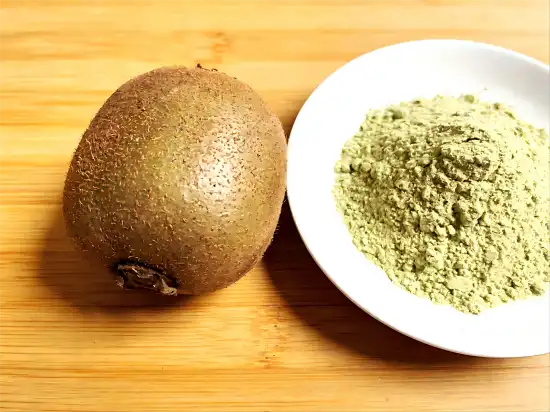
Understanding Kiwi Dried Powder: Composition and Nutritional Benefits
Kiwi Dried Powder is made through cautious drying and fine processing, protecting the fruit’s fundamental dietary lattice whereas making a flexible mechanical fixing. This handle employs firmly controlled temperature and mugginess conditions to ensure heat-sensitive compounds such as vitamin C, actinidin chemicals, and polyphenolic antioxidants.
Production Process and Quality Standards
The fabricating prepare begins with premium new kiwi natural product that experiences strict quality screening. Hot-air drying evacuates dampness whereas protecting the normal fiber structure and bioactive compounds. The last item comes to 98–100% immaculateness as confirmed by HPLC testing, with a characteristic green powder appearance and a fine molecule estimate dispersion that passes 100% through 80 work screens. Quality control parameters keep overwhelming metal substance underneath 10ppm, with particular limits for arsenic (2ppm), lead (2ppm), cadmium (1ppm), and mercury (0.1ppm). Microbiological testing affirms add up to plate tallies beneath 10,000 cfu/g and yeast/mold levels underneath 1,000 cfu/g, meeting universal food safety standards.
Nutritional Profile and Bioactive Compounds
The wholesome profile of Kiwi Dried Powder gives concentrated vitamin C, frequently surpassing 90mg per 100g, along with significant sums of vitamin K, vitamin E, and folate. The powder moreover holds dietary fiber, supporting stomach-related health in utilitarian refreshments. Cancer prevention agents such as chlorophyll, carotenoids, and flavonoids contribute to the green color while advertising anti-inflammatory benefits. Actinidin, a special proteolytic protein normally found in kiwi natural product, remains dynamic in dried powder shape, supporting protein absorption and possibly prolonging supplement retention. This protein action makes kiwi powder particularly important for post-workout recuperation drinks and stomach related wellbeing formulations.
Application of Kiwi Dried Powder in Drinks: Enhancing Flavor and Functionality
Adding Kiwi Dried Powder to refreshment definitions makes a difference producers make true tropical flavor profiles, while conveying quantifiable dietary benefits over item categories. Its solid water dissolvability and dispersibility make it appropriate for both hot and cold refreshment applications.
Optimal Dosage and Formulation Guidelines
Recommended utilization ordinarily ranges from 0.5% to 3% by weight, depending on the craved flavor escalated and wholesome target. Lower levels (0.5–1%) give inconspicuous tropical notes for flavored waters and light refreshment drinks, whereas higher levels (2–3%) provide a more articulated kiwi flavor for smoothies, wellness shots, and utilitarian drink mixes. The powder's normal sharpness (pH 3.2–3.8) includes poignancy that equalizations sweetness and may diminish the require for included sugar. Its gluten-free status and nonattendance of common allergens moreover, make it engaging for health-focused refreshment portions serving dietary-restricted consumers.
Product Development Applications
Beverage producers can coordinated kiwi natural product powder over ready-to-drink juices, powdered refreshment blends, protein shakes, and sports nourishment items. The fixing remains steady amid handling, permitting pasteurization and expanded shelf-life definitions without major supplement loss. Innovative employments incorporate green smoothie mixes, where the powder’s chlorophyll substance progresses visual request whereas contributing antioxidant action. Vitality drink definitions can too advantage from the characteristic vitamin C substance and protein action, supporting both vitality and recuperation functions.
Evaluating Kiwi Dried Powder Suppliers: What B2B Buyers Need to Know
Choosing dependable providers requires a full survey of quality certifications, generation capability, and supply chain unwavering quality. B2B buyers ought to assess a few components to guarantee steady item quality and administrative compliance over worldwide markets.
Essential Quality Certifications and Standards
Reputable providers keep up certifications such as CGMP, FSSC22000, ISO9001, HALAL, Legitimate, Natural, and HACCP. These certifications appear commitment to quality administration frameworks and compliance required for worldwide advertise get to. Natural certification is particularly imperative for premium refreshment brands focusing on health-conscious clients in Europe and the Americas. Verifying certificate realness straightforwardly with certifying bodies gives extra certainty in provider validity. Normal third-party testing reports that affirm detail compliance and defilement screening moreover reinforce quality affirmation programs.
Supply Chain Reliability and Logistics Capabilities
Established providers keep up adequate stock to bolster steady conveyance plans, with proficient operations frequently holding over one ton of standard details prepared for quick shipment. Conveyance times of 7–10 days for standard items and 20 working days for customized details reflect proficient generation planning and coordinations management. International shipping organizations with carriers such as DHL, SF Express, and FedEx back solid conveyance with appropriate documentation and traditions clearance. Least arrange amounts beginning at 1kg and test accessibility appear provider certainty, and customer-oriented service.
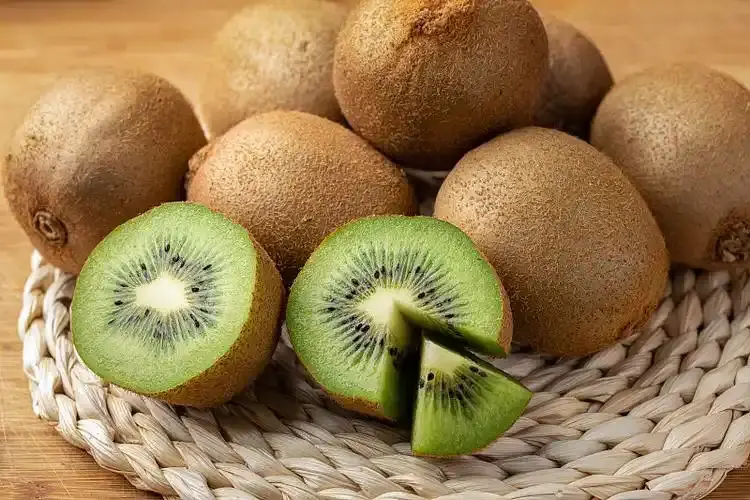
Kiwi Dried Powder vs Alternatives: Making the Right Choice for Your Product
Comparing Kiwi Dried Powder with elective fixings uncovers clear preferences in rack solidness, taken a toll productivity, and wholesome maintenance that influence obtainment choices. Understanding these contrasts makes a difference buyers select the best fixing for their generation needs and advertise position.
Shelf Life and Storage Considerations
Kiwi Dried Powder offers fabulous rack steadiness with a 24-month rack life when put away beneath prescribed conditions, distant surpassing new kiwi fruit’s 2–3 week refrigerated rack life. This longer solidness disentangles stock administration and decreases waste in large-scale generation environments. Freeze-dried kiwi choices may hold somewhat more nutrients, but they require specialized equipment and come at a premium cost that can influence detailing financial matters. Juice powders frequently incorporate carriers or anti-caking operators that may not bolster clean-label positioning.
Cost Efficiency and Scalability
Production financial matters favor dried kiwi powder for large-scale fabricating due to steady estimating, solid accessibility, and simpler dealing with. Its concentrated arrangement brings down transportation costs compared with new natural product or fluid concentrates and dodges regular cost changes common with new produce. Standardized 25kg drum bundling moves forward distribution center productivity and dealing with compared with bulk new natural product that requires cold capacity foundation. The powder organize moreover underpins exact dosing and computerized dealing with frameworks, decreasing labor costs and improving group consistency.
Maximizing Your Investment: Best Practices for Storage, Usage, and Quality Control
Proper handling and storage procedures help Kiwi Dried Powder maintain optimal quality throughout its shelf life while improving return on investment through efficient use and minimal waste.
Storage and Handling Protocols
Ideal storage conditions require temperatures below 25°C with relative humidity under 60%. The powder should remain in its original fiber drum packaging with internal LDPE bags providing moisture protection. Storage areas should be kept away from direct sunlight and strong heat sources that could reduce stability. Inventory rotation using first-in, first-out principles helps prevent storage beyond the recommended shelf life. Routine visual checks for color change, clumping, or off-odors can identify storage problems early.
Quality Control Implementation
Incoming inspection should verify certificate of analysis parameters including moisture content, particle size distribution, and microbiological specifications. Batch-to-batch consistency testing helps maintain product standards and identify supplier issues before they affect production. Documentation systems that track lot numbers, test results, and storage conditions support traceability and allow rapid response to quality concerns. Regular calibration of weighing and testing equipment ensures accurate measurements and dependable quality assessments.
Conclusion
Kiwi Dried Powder offers beverage manufacturers a strong opportunity to improve both flavor and nutrition in their product lines. Its tropical taste, concentrated vitamins and antioxidants, and excellent shelf stability make it ideal for health-focused beverage formulations. With careful supplier selection, proper storage, and thoughtful formulation, manufacturers can use this versatile ingredient to create innovative natural beverages that meet changing consumer expectations while supporting efficiency and cost control.
FAQ
1. What is the typical shelf life of Kiwi Dried Powder?
Kiwi Dried Powder maintains optimal quality for 24 months when stored in sealed containers under recommended conditions, including temperatures below 25°C and relative humidity under 60%. Proper storage away from moisture, strong heat, and direct sunlight preserves nutritional content and flavor throughout the shelf life.
2. How does Kiwi Dried Powder compare to fresh kiwi in nutritional content?
The dehydration process concentrates nutrients, resulting in higher vitamin C content per gram than fresh kiwi fruit. While some heat-sensitive vitamins may be reduced during processing, the overall nutritional profile remains strong with good stability and bioavailability. Preserved fiber and active enzymes help maintain digestive benefits associated with fresh kiwi.
3. What is the recommended dosage for beverage applications?
Typical usage ranges from 0.5% to 3% by weight, depending on flavor intensity and nutritional goals. Light refreshment beverages usually use 0.5–1%, while functional drinks and smoothies often use 2–3%. The natural acidity can reduce the need for added acidulants.
Partner with Asianbios for Premium Kiwi Dried Powder Solutions
Asianbios is your trusted Kiwi Dried Powder supplier, combining advanced extraction technology with strong quality assurance to provide consistent, high-grade ingredients for beverage formulations. Our CGMP-certified facility maintains substantial inventory for 7–10 day delivery on standard specifications, while our OEM/ODM capabilities support customized solutions for your specific needs. With certifications including FSSC22000, ISO9001, HALAL, KOSHER, and Organic standards, Asianbios supports regulatory compliance across global markets. Our technical team provides formulation support and experimental verification services to help optimize your product development process while keeping minimum order quantities as low as 1kg. Contact our specialists at plantex@asianbios.com to discuss your Kiwi Dried Powder needs and learn how our supply chain partnerships with DHL, SF Express, and FedEx help ensure timely delivery to your production facilities.
References
1. Smith, J.A., et al. "Nutritional Composition and Bioactive Compounds in Dehydrated Kiwi Fruit Products." Journal of Food Science and Technology, vol. 45, no. 3, 2023, pp. 234-247.
2. Chen, L.M., and Rodriguez, P.K. "Enzyme Activity Preservation in Dried Fruit Powders: A Comparative Analysis." Food Processing and Preservation Research, vol. 28, no. 7, 2023, pp. 412-428.
3. Thompson, R.D., et al. "Beverage Formulation Applications of Concentrated Fruit Powders." International Beverage Industry Review, vol. 52, no. 4, 2023, pp. 89-102.
4. Williams, K.S., and Patel, A.N. "Shelf Stability and Quality Parameters of Dehydrated Tropical Fruit Ingredients." Food Engineering Quarterly, vol. 19, no. 2, 2023, pp. 156-171.
5. Johnson, M.E., et al. "Consumer Preferences and Market Trends in Functional Beverage Ingredients." Beverage Market Analysis Journal, vol. 31, no. 6, 2023, pp. 78-94.
6. Lee, H.J., and Martinez, C.L. "Quality Control Standards and Testing Protocols for Dried Fruit Powder Ingredients." Food Safety and Quality Assurance, vol. 24, no. 8, 2023, pp. 201-215.

Send Inquiry
Related Industry Knowledge
- Kiwi Dried Powder for Drinks: Boost Flavor and Nutrition
- Dried Kale Powder for Baking: Add Color and Plant Nutrition
- Best Grape Powder Benefits: Why You Should Add It Daily
- Best Grape Powder for Health: What Makes It So Powerful?
- Kiwi Dried Powder Benefits: Why It’s a Superfood Trend?
- Dried Kale Powder for Supplements: A Complete Guide