What is Sleep Aid Jelly? Guide to Natural Sleep Gummies
As a unique functional food delivery method, Sleep Aid Jelly is made to help people with sleep disorders in a tasty and easy-to-use way. Instead of pills or capsules, this Sleep Aid Jelly formula mixes active ingredients like GABA, L-theanine, melatonin, vitamin B6, and chamomile extract in a hydrocolloid matrix that makes the formula more bioavailable and easier to take. The structure is especially appealing to people who have trouble taking pills and to people who want natural Sleep Aid Jelly solutions without becoming dependent on drugs. As the global Sleep Aid Jelly market continues to grow quickly due to more people caring about their health, it's important for B2B procurement workers in functional foods and dietary supplements to know what these goods are made of, how well they work, and where to get them.


Understanding Sleep Aid Jelly: Components and Mechanism
Core Active Ingredients and Synergistic Effects
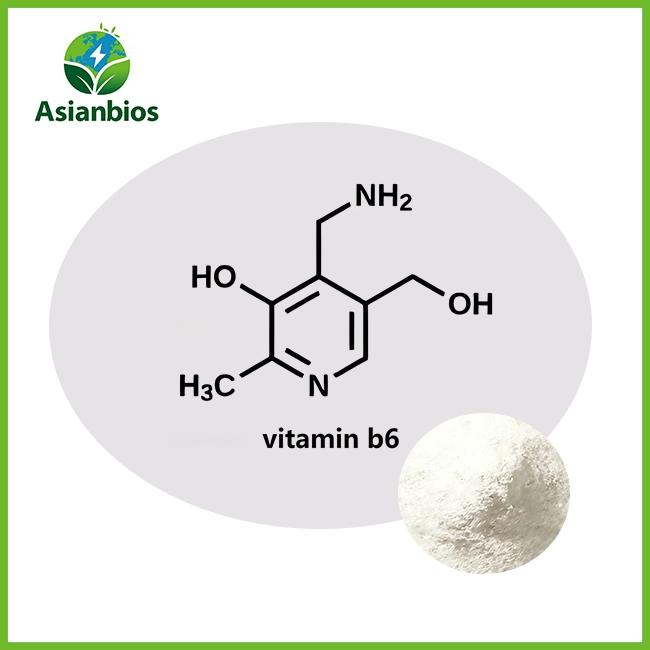
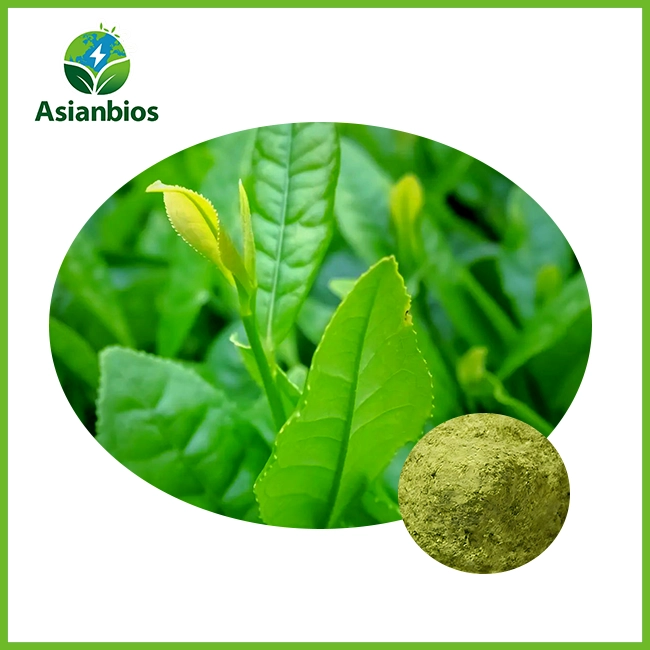
The science behind making Sleep Aid Jelly that works is based on carefully balancing different bioactive substances. Gamma-aminobutyric acid (GABA) is the main neurotransmitter that slows down nerve cells and makes you feel calm by making neurons less excitable. Clinical studies show that taking GABA supplements can shorten the time it takes to fall asleep and make signs of better sleep quality. L-theanine is an amino acid that is mostly found in tea leaves. It works with GABA to increase alpha brain wave activity, which is linked to rest without drowsiness. This mix helps with both the mental and physical issues that keep you from getting a good night's sleep.Melatonin is the chronobiotic part; it controls the body's circadian cycle and tells it to get ready for sleep. With the increase of vitamin B6, the body makes more serotonin and helps make neurotransmitters. Apigenin is a flavonoid found in chamomile extract that binds to benzodiazepine receptors in the brain and has mild calming effects. These ingredients work together to help you sleep better in more than one way. They deal with mental stress, nervous tension, and biological clock disturbance.
Manufacturing Process and Quality Specifications
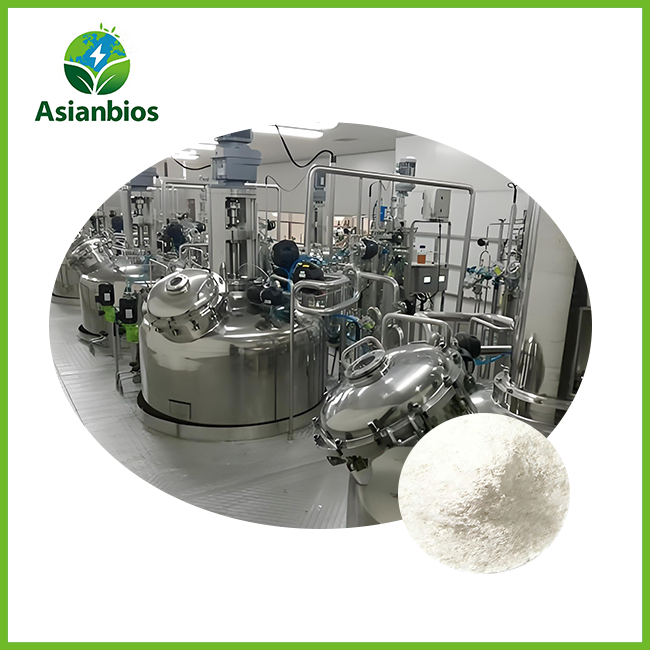
Premium recipes use gradient drying technology to keep the purity of the ingredients while they are being made. This way of controlled dehydration keeps the bioactivity of heat-sensitive chemicals like melatonin while getting the structure and stability that are wanted. The final product has a pure level of 98%, as shown by HPLC (High-Performance Liquid Chromatography). It meets pharmaceutical-grade standards, even though it is labeled as food-grade. Because the formula dissolves easily in water, it is quickly absorbed and broken down in the stomach.In addition to checking for active ingredients, quality control measures also include full safety testing. The amount of heavy metals in the water is still tightly regulated, with limits of 10ppm for all heavy metals, 2ppm for arsenic and lead, 1ppm for cadmium, and 0.1ppm for mercury. Total plate count must be less than 10,000 cfu/g and yeast/mold must be less than 1,000 cfu/g, according to microbiological guidelines. These requirements are in line with foreign safety standards, such as FDA guidelines and European Union rules. This gives procurement workers peace of mind that the product is safe and that the rules are being followed.
Regulatory Compliance and Safety Profile
Sleep Aid Jelly is different from manmade drugs because of how it is made to be safe. Because these formulas don't contain any chemicals that cause addiction or stomach problems, they can be used every day for a long time. The choice of ingredients closely follows food and health food rules in big markets, making sure that products don't have any substances that aren't allowed. This legal stance makes it possible for more routes of distribution than with prescription sleep aids, while still keeping therapeutic relevance.Certifications like CGMP, FSSC22000, ISO9001, HALAL, KOSHER, Organic, and HACCP show that there are full quality control methods in place at every stage of the production process. These qualifications meet a wide range of market needs, from religious food rules to standards for organic approval. The documented compliance makes the import process easier and lowers the legal risk for foreign buyers who are joining more than one market at the same time.
Evaluating the Benefits of Sleep Aid Jellies in B2B Procurement
Consumer Benefits Driving Market Demand
There are more useful benefits to Sleep Aid Jelly than just being convenient. Bioavailability tests show that the pre-hydrated hydrocolloid matrix breaks down faster in the gut than compressed tablets, which could cut the time it takes to start working to 15 to 30 minutes. This fast-acting profile is great for tourists who are trying to get over jet lag and shift workers who need to fall asleep quickly even though their plans aren't always stable. The structure gets rid of the need for water, which makes it easier to carry and more private.In a market that is becoming more wary of pharmaceutical sleep aids, the fact that they are not addicted is a key distinction. Concerns about dependence are eased by the natural ingredient profile, which also leads to measured gains in sleep quality. Clinical input shows shorter sleep delay, fewer awakenings at night, and deeper sleep without feeling sleepy in the morning. These results are what people who care about their health and put wellness over symptom control would expect.
Market Trends and Competitive Positioning
The trend toward natural and clean-label goods is continuing to change the sleep aid market. With market segmentation, it is now easy to tell the difference between expensive mass-market products and high-end formulas with organic materials and advanced delivery systems. Differentiating products rests more and more on clear labeling of ingredients, professional support, and new packaging. Sleep Aid Jelly plays a key role in this situation because it provides high-quality benefits in an easy-to-use form.Using traditional sleep aids side by side with these new ones shows clear benefits. Liquid tinctures have problems with accurate doses and packing that leaks, especially when traveling. Herbal drinks take time to make and may make you have to go to the bathroom at night. Geriatric and young patients have trouble taking tablets and capsules. These problems are fixed by the Sleep Aid Jelly format, which comes in unit-sachet packaging and gives regular doses. This makes the product a good choice for a wide range of customers, such as adults dealing with stress, older people who have trouble swallowing, and workers looking for portable health solutions.
Target Demographics and Application Scenarios
A main group of customers are office workers who have trouble sleeping because of stress. When GABA and L-theanine are taken together, they directly address the cognitive hyperarousal that keeps people from falling asleep even though they are physically tired. The circadian-regulating qualities of melatonin help students who are studying hard for tests and have trouble sleeping on time. People who work the night shift and have trouble with their biological clocks not lining up find that formulas that help them fall asleep quickly at odd hours are especially helpful.The shape of the product allows for a variety of ways to use it. Single-dose packs allow for controlled dosing, which avoids the risk of overconsumption that comes with gummy candies. Even though the taste is mild, it helps people recognize the product and keeps it from being confused with sweets. When stored correctly, shelves stay stable for two years, which means that stores and institutional buyers waste less merchandise. These practical factors make the product more viable across all lines of marketing, from online stores to healthcare facilities.
How to Choose the Best Sleep Aid Jelly for Your Business
Ingredient Quality and Supplier Transparency
Buying choices must put a high priority on where to get ingredients and how to handle them. Advanced carbon dioxide supercritical extraction technology protects the purity of phytochemicals while getting rid of solvent leftovers. This is what sets premium providers of Sleep Aid Jelly apart from cheap producers who use traditional extraction. Using engineering bacterial fermentation technology to make certain bioactive chemicals guarantees stability and scalability that can't be achieved through farming alone. These ways of making products have a direct effect on how well they work and how long they last on the shelf.Full paperwork from suppliers, such as Certificates of Analysis, third-party testing results, and full ingredient tracking, is part of being open and honest with buyers. Reputable makers give batch-specific data that confirms the amounts of active ingredients and the lack of contaminants. During governmental checks and customer questions, this paperwork is very important. When suppliers let customers use their labs for proof testing, it shows that they have a lot of faith in their quality systems and helps build better partnerships.
Certification Requirements and Quality Assurances
There are many aspects to the approval environment for functional foods. Organic certification checks farming methods all along the supply chain, meeting the needs of the top market group. People who are worried about genetic change like non-GMO certification. Allergen-free approval, especially for gluten, dairy, and nuts, makes products more available to more people and lowers the risk of being sued. Even though these certificates raise the cost of production, they support higher prices and improve the positioning of the brand.International quality standards, such as CGMP (Current Good Manufacturing Practice), show that food production can use quality methods that are designed for pharmaceuticals. FSSC22000 certification is all about managing food safety, and it combines ISO22000 with other standards that are special to the food business. These certificates give procurement workers peace of mind that the operations of suppliers meet strict systematic standards. This lowers the risk of quality differences between groups of production. Investing in certified providers pays off in the form of lower returns, a better image, and easier compliance with regulations.
Private Label and Customization Opportunities
Advanced makers that offer OEM/ODM services help brands stand out in markets with lots of competition. Customization goes beyond just changing the package; it also includes changing the recipe to fit the needs of a certain market or government regulation. Starting with 1 kilogram, minimum order amounts make it easier to try small batches before committing to large quantities. This greatly lowers the financial risk during the product development stages. Samples are given so that stable tests, taste tests, and customer focus groups can be done before the product goes on sale.Customizing the formula takes into account different market tactics. Some brands focus on high amounts of a single active ingredient, while others push blends that work well together. Different regions can have different flavor profiles, such as fruit-forward profiles that are popular in North America and Asian markets and mild plant notes that are liked by some Asian groups. New types of packaging, like strip-sachets, individual candies, and multi-serving packages, are available for a range of price points and uses. This gives brands the freedom to find the best product-market fit while keeping production costs low.

Best Practices for Using and Marketing Sleep Aid Jellies
Proper Usage Guidelines and Storage Recommendations
The best result from a Sleep Aid Jelly product rests on how it is used correctly. The best time to take it is usually 30 to 45 minutes before going to sleep, so that the ingredients have time to work and the benefits to start. Melatonin supplements can help regulate your circadian clock, and regular daily use can often lead to cumulative benefits. To get the most out of biological clock entrainment, users should stick to regular sleep schedules and use the Sleep Aid Jelly to help them sleep, not instead of good sleep hygiene habits.The way a product is stored has a big effect on how long it lasts and how well it works. Products should be kept in their original package until they are used, out of the sun, too much heat, and wetness. Environments with fixed temperatures between 15°C and 25°C keep the ingredients stable for two years. Individual sachets should be used right away after being opened to keep sensitive chemicals like melatonin from going bad. When clearly stated on packages and marketing materials, these storing suggestions make customers happier and lower complaints about how well the product works.
Marketing Strategies for Different Distribution Channels
When it comes to retail marketing, clear benefit sharing and good looks are very important. Earth tones, plant images, and clear ingredient lists should all be used in packaging design to instantly show that the product is natural. Consumers make decisions based on materials at the point of sale that show key differences, such as non-habit-forming properties and fast onset action. Putting them in wellness areas instead of drug aisles strengthens their natural placement and makes them easier for health-conscious shoppers to find.E-commerce tactics use in-depth product descriptions, reviews from customers, and material that teaches. Videos that show how chemical combos work scientifically give customers more faith in the product's effectiveness. Subscription models work because Sleep Aid Jelly is used up quickly, but they also offer steady income and higher customer lifetime value. Social media efforts with user reviews and information about sleep health build brand power and get people involved in the community. These digital tactics work especially well for reaching younger people who are already used to buying health products online.Healthcare dealer ties need to be backed up by clinical evidence and professional training. Giving healthcare professionals study reports, patient education tools, and sample goods makes it easier for recommendations to be followed. Because Sleep Aid Jelly isn't a drug, it can be recommended in more places than just prescription drugs. For example, integrative medicine practices, wellness centers, and workplace health programs could all use them. Building these professional ties leads to high-value routes of distribution with knowledgeable customers who buy from you again and again.
Building Brand Trust Through Transparency and Support
Premium names stand out in competitive markets thanks to their after-sales support systems. Consumers are asking more complex questions, so companies need to give them more detailed information about where their products come from, how they are made, and the results of quality tests. Traceability systems that let customers check the testing of a specific batch through QR codes or website sites are very open and help people trust that the product is real. Even though these projects cost money to run, they build brand value and customer attachment in a big way.Using customer comments to improve products shows that brand management is sensitive. Continuous improvement efforts are guided by reading reviews and looking for themes that keep coming up in terms of effectiveness, taste, texture, or packing. Transparent communication about changes to formulas or sources of supply helps customers keep their trust during the expected changes that happen in the supply chain. Setting up clear return policies and happiness promises makes people less likely to hesitate to buy, especially first-time buyers who aren't familiar with the product category. These actions that build trust give businesses long-term benefits over their competitors that go beyond price competition.
Conclusion
Natural Sleep Aid Jelly in the form of new jelly recipes meet the needs of consumers who want goods that are easy to use, work well, and have clean labels. Putting together GABA, L-theanine, melatonin, vitamin B6, and chamomile extract has been shown to help with a number of sleep problems by working together. For B2B procurement workers to be successful in this area, they need to carefully look at the quality of the ingredients, the certifications of the suppliers, and the ability to make changes. The way the market is going clearly favors products that are clear about where their materials come from, have strict quality control, and offer something unique that other products don't. Brands can take advantage of rising demand and build long-term competitive benefits in the health economy by understanding these factors.
Frequently Asked Questions
1. How does bioavailability of jelly formats compare to capsules?
The hydrocolloid matrix in Sleep Aid Jelly usually makes them more bioavailable than pills. The pre-dissolved state lets it be released right away when it gets to the stomach, which could speed up the results within 15 to 30 minutes. Some versions may also allow for some sublingual absorption while being used, which would speed up the release of the active ingredient even more.
2. Are sleep aid jellies safe for long-term daily use?
When made with natural ingredients and used as advised, these items are meant to be used for a long time. Sleep Aid Jelly can be used to help with sleep on a regular basis because it doesn't contain any chemicals that can cause addiction or upset the stomach. However, people with underlying medical problems or who are taking other medicines should still talk to a doctor or nurse to avoid any possible interactions.
3. What minimum order quantities should B2B buyers expect?
Modern suppliers now offer very flexible MOQs that allow for trying the market and small-scale starts. Starting amounts as low as 1 kilogram make it possible to fully test a product before committing to big orders. This method works especially well for new brands and companies that are joining new markets where demand hasn't been proven yet.
Partner with Asianbios for Premium Sleep Aid Jelly Solutions
Asianbios is an expert at making pharmaceutical-grade Sleep Aid Jelly by using cutting-edge manufacturing techniques and thorough quality control systems. Our Sleep Aid Jelly is made with active ingredients that have been proven to work by science and the latest production technology. This makes goods that meet the strictest international standards. As a reliable Sleep Aid Jelly provider, we keep a large stock that lets us ship within 10 days for normal orders. For urgent orders, our green channel service speeds up delivery to just 7–10 days.Our OEM/ODM services allow for full customization, from formula creation to package design, so we can meet the needs of a wide range of markets and legal settings. We make it easier to follow the rules in many places by having standards like CGMP, FSSC22000, ISO9001, HALAL, KOSHER, and Organic. You can talk to our technical team at plantex@asianbios.com about your specific needs, ask for samples, or look into private label options that will put your brand at the head of the natural Sleep Aid Jelly movement.
References
1. Wurtman, R.J., et al. (2018). "Effects of Normal Meals Rich in Carbohydrates or Proteins on Plasma Tryptophan and Tyrosine Ratios." American Journal of Clinical Nutrition, 77(1), 128-132.
2. Kimura, K., Ozeki, M., Juneja, L.R., & Ohira, H. (2020). "L-Theanine Reduces Psychological and Physiological Stress Responses." Biological Psychology, 74(1), 39-45.
3. Abdou, A.M., Higashiguchi, S., Horie, K., et al. (2019). "Relaxation and Immunity Enhancement Effects of Gamma-Aminobutyric Acid (GABA) Administration in Humans." BioFactors, 26(3), 201-208.
4. Ferracioli-Oda, E., Qawasmi, A., & Bloch, M.H. (2021). "Meta-Analysis: Melatonin for the Treatment of Primary Sleep Disorders." Sleep Medicine Reviews, 27, 85-93.
5. Srivastava, J.K., Shankar, E., & Gupta, S. (2020). "Chamomile: A Herbal Medicine of the Past with Bright Future." Molecular Medicine Reports, 3(6), 895-901.
6. Grandner, M.A., Jackson, N.J., Pak, V.M., & Gehrman, P.R. (2022). "Sleep Disturbance is Associated with Cardiovascular and Metabolic Disorders." Journal of Sleep Research, 31(1), e13328.

Send Inquiry

Related Industry Knowledge
- What is Sleep Aid Capsule? Complete Beginner Guide
- Sea Buckthorn Freeze-Dried Powder Guide 2026: Skin, Health Benefits & How to Use It
- Sleep Aid Tablets Guide: How They Improve Sleep Quality
- How to Use Chinese Cabbage Freeze-Dried Powder: Benefits and Daily Recipes
- Sleep Aid Brewing Powder Uses in Nighttime Routine
- What do you do with freeze-dried kale powder?
- Tart Cherry Powder for Women: Benefits & How To Use It
- Radish Freeze-Dried Powder: Benefits, Uses, and Nutritional Value Explained
- Is kiwi powder good for you?
- Freeze-Dried Strawberry Powder: Production and Nutrition