Is kiwi powder good for you?
Kiwi Dried Powder really does help you stay healthy. A lot of the nutrients that are in fresh kiwifruit are also in Kiwi Dried Powder. A lot of vitamin C, fiber, antioxidants, and the unique protein actinidin are found in it. These parts keep the skin, the digestive system, and the immune system fit. These good things stay safe during the drying process, which also makes the product last longer and be easy to ship. Because of this, it is a very useful nutrient for many businesses that make healthy foods, drinks, and supplements.
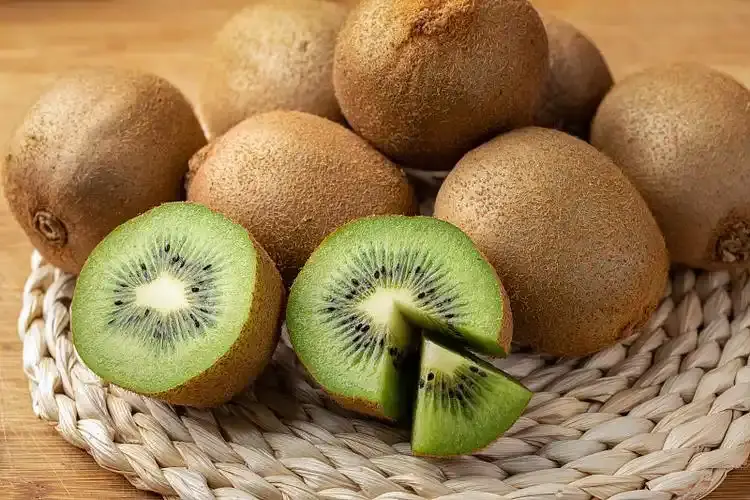
Understanding Kiwi Dried Powder: What It Is and How It's Made
Learn how Kiwi Dried Powder is manufactured. Kiwi powder is concentrated kiwifruit. Controlled drying removes water while preserving nutrients. Making using fresh fruit sometimes involves rotting, unreliable supply, and hefty transportation expenses. This update makes an object stable and adaptive, solving several difficulties.
Definition and Production Process
New drying methods turn fresh kiwifruit juice into a fine powder that may be preserved. Make Kiwi Dried Powder using this powder. Ripe kiwis are selected, cleaned, skinned, and sometimes processed to remove the seeds. The initial stage in farming. After drying, the pulp is hot-air or freeze-dried (lyophilized). In hot-air drying, controlled temperatures progressively eliminate water, creating an inexpensive product for most culinary requirements. This approach prevents microbes from growing in powder below 5% moisture. If kept in fiber drums with LDPE bag covers out of direct sunshine, moisture, and heat, the powder will last two years. Freeze-drying in a vacuum at low temperatures preserves up to 85% of nutrients and enzymes like actinidin that are lost when heated. High-end nutritious recipes use the final powder because it retains more nutrients than other powders and mixes well with water. Both methods produce a green, kiwi-flavored powder that should pass through 80 mesh for optimal mixing and particle size dispersion.
Product Types and Certifications
Kiwi Dried Powder comes in many forms for different recipes. Simple fruit items include just kiwi. This differs from concentrated extracts, which include 98% pure kiwi after HPLC-checked procedures. Organic goods, such "USDA Organic" or "EU Organic," appeal to clean-label firms that desire health-conscious consumers. Good manufacturers provide HACCP, ISO9001, FSSC22000, HALAL, and KOSHER certifications. These enforce global food safety standards. This substance meets high regulatory regulations for heavy metals (lead, arsenic, cadmium, mercury) and microbiological safety (total plate count less than 10,000 CFU/g, yeast and mold fewer than 1,000 CFU/g). If sellers know these manufacturing details, they may assess their suppliers' skills and choose ingredients that match their product positioning, whether they're targeting the general functional food market or the luxury supplement sector.
Nutritional Value and Health Benefits of Kiwi Powder
Due to its nutrients, Kiwi Dried Powder may be used in many healthful recipes. We discuss nutrients and their benefits here.
Essential Nutrient Profile
Vitamin C is abundant in genuine Kiwi Dried Powder, frequently above 100 milligrams per 100 grams. Along with powerful vitamins that improve white blood cells, ascorbic acid boosts the immune system. The powder is high in vitamin K and potassium. Potassium helps regulate electrolytes and the heart. Vitamin K aids bone development and clotting. In addition to vitamins and minerals, Kiwi Dried Powder contains pectin and other soluble and insoluble fibers. These fibers assist gut microbes and proper digestion. The enzyme actinidin is unique to kiwifruit. Kiwi Dried Powder helps the stomach break down proteins, making it a healthy meal replacement. Flavonoids, carotenoids, and other polyphenolic compounds improve antioxidant performance. Memory loss and aging are connected to oxidative stress. They shield cells from stress.
Comparison with Fresh Kiwi
The healthier Kiwi Dried Powder is better for business than fresh kiwifruit. Drying concentrates nutrients by weight, thus a little powder contains as many nutrients as many fresh vegetables. How vitamin C is dried affects its quantity. Freeze-dried powder retains 80%–90% ascorbic acid. Drying with hot air preserves 60%–75%. Keeping chemicals stable in water extends their lifespan. This allows manufacturers to create nutritious meals year-round, regardless of crop harvesting. Bioavailability matters, but so do others. Powder may assist nutrients enter the body due to its higher surface area. However, freeze-dried actinidin has the strongest enzyme-like actions. This is why gut health products must be prepared properly.
Functional Ingredient Potential
Because of its health benefits, Kiwi Dried Powder is utilized in numerous health foods and nutraceuticals. High vitamin C content is employed in immune-boosting tablets during cold and flu season. People with protein stomach ache or difficulties going to the restroom should utilize digestive health supplements with fiber and actinidin. Collagen production and UV protection are helped by antioxidants. Eaten and applied skin care products include them. More customers desire plant-based products with clear labeling, so you can earn a lot. Kiwi Dried Powder lets manufacturers utilize fruit-based compounds instead of vitamins. This helps labels seem nicer and provides nutritional advantages health-conscious individuals would enjoy.
Practical Applications and Usage Scenarios in B2B Markets
There are lots of ways to use Kiwi Dried Powder because it has unique properties that make things work better and look better to customers.
Food and Beverage Applications
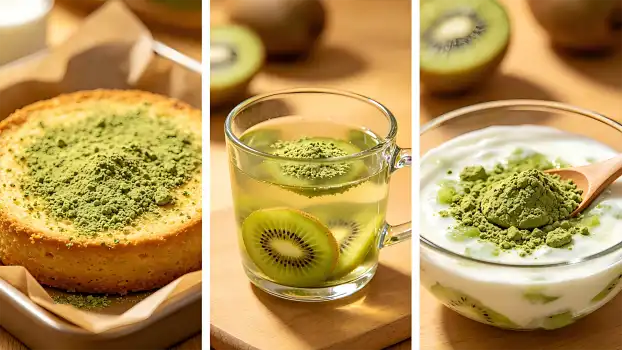
Drink industry professionals add natural flavor and nutrients to smoothies, soups, protein shakes, and functional drink mixes using Kiwi Dried Powder. It dissolves easily in water because to its 35–50 g/100 ml bulk density. This allows it to be combined with liquids without many recipe adjustments. Instant drink makers enjoy dry mix powder's stability. It lasts longer without sticking if moisture is low. Its green color and acidic flavor make the powder suitable for cookies and sweets. It gives cakes, biscuits, energy bars, and cereal a fruity flavor. The powder works for sweet and savory dishes. It may season stews or add exotic fruits to expensive snacks to stand out in a crowded market. Growing numbers of consumers purchase plant-based and dairy-free goods. Vegan and flexitarian-friendly yogurt, ice cream, and protein-rich snacks are delicious and healthful with Kiwi Dried Powder.
Dietary Supplement and Nutraceutical Uses
Companies that create supplements utilize Kiwi Dried Powder to make pills, tablets, candies, and powdered vitamin mixtures. It complements stomach enzymes due to its inherent enzymes. Working with other proteases, actinidin totally degrades proteins. Kiwi Dried Powder, elderberry, echinacea, and zinc are blended to enhance the immune system and address seasonal health issues. Standards like HPLC testing for 98% purity allow clinical-grade supplements to be given in specific dosages for consistency. Pre-workout and recovery beverages from sports nutrition manufacturers include the powder. Potassium and vitamins in the powder assist the body eliminate fluids and cope with chemical stress from exercise.
Cosmetic and Personal Care Applications
Kiwi Dried Powder is used in facial masks, scrubs, and anti-aging serums. Vitamin C creates collagen and brightens the face, while natural enzymes gently exfoliate dead skin. Plant-based powder may replace many human-made chemicals, which is wonderful for clean, organic cosmetic lines.
Storage and Quality Maintenance
You must follow regulations to maintain product quality. Unopenable containers are recommended for Kiwi Dried Powder. It needs 60% relative humidity and below 77°F (25°C). Packaging in 25 kilogram fiber drums with LDPE bags keeps moisture out, however containers should be rapidly shut after opening to prevent hygroscopic absorption and sticking. The two-year shelf life provides purchasing managers a lot of flexibility, but they should employ first-in, first-out inventory to use up older goods first. Working with transportation partners that know how to manage delicate food ensures quality throughout shipment. Powder keeps bright green if stored properly. Enzymes don't break it down, and completed products function the same.
How to Choose the Best Kiwi Dried Powder Supplier
Looking for a dependable service requires several considerations. These include product quality, supply chain reliability, and long-term relationship value. Always start with checkable quality requirements when dealing with a merchant. Find Kiwi Dried Powder businesses with ISO9001 quality management, FSSC22000 food safety, and HACCP risk assessment.
Quality Standards and Certifications
Standards should match CGMP. To sell in organic retailers, you need USDA and EU organic certifications. Get a third-party lab to verify heavy metal, chemical residue, and microbiological safety. Trustworthy suppliers will provide a Certificate of Analysis when they produce a lot of items. This shows that they always fulfill moisture, particle size uniformity, and solubility factor criteria. Some sophisticated firms provide enzyme activity assays using tyrosine standard curves if actinidin strength is crucial.
Minimum Order Quantities and Flexibility
Many well-known merchants have large MOQs, which might be difficult for new or smaller sellers. Progressive manufacturers provide flexible minimum orders beginning at 1 kilogram and samples before major purchases. This method, you may evaluate the flavor, dissolveability, and compatibility with your other products without risking money. Knowing pricing ranges is crucial. Price drops often occur at 100 kilogram, 500 kg, and 1000 kg bulk levels. Plan your purchases at these breakpoints to boost margin economics without tying up working capital with too much merchandise.
Logistics and Delivery Capabilities
How effectively the supply chain functions affects production speed and customer satisfaction. See how effectively the vendor tracks products. When suppliers stock over a ton of standard specifications, they may delivery within 10 days after payment. Customers are less likely to be unaware of their next order. Customized orders require 20 working days, however "green channel" services may deliver in 7–10 days for urgent orders. Express delivery is great for small, urgent items. Air freight is great for medium-sized goods that need to arrive promptly, whereas sea freight is suitable for big, inexpensive items. Our partnerships with DHL, FedEx, and SF Express ensures accurate tracking and little delivery damage. Foreign buyers must ensure that merchants have phytosanitary certifications and food customs papers.
OEM and Private Label Capabilities
You can help brands stand out as an ODM and OEM provider. You may adjust the product's characteristics, packing, and manufacturing using these capabilities. You benefit from a service that makes sweets, tablets, pills, and powders under your brand. It streamlines supply chains and simplifies quality checks. Check out expert assistance options. When suppliers have professional research and development teams and testing laboratories to create items, test them for stability, and advise on recipe, new products enter the market faster. This makes sellers strategic partners rather than transaction vendors.
Regional Considerations: China vs Other Markets
China produces several fruit powders like Kiwi Dried Powder due to its many farms, processing facilities, and inexpensive pricing. Today, Chinese products cost 20–40% less than Western ones, but purchasers must examine quality systems and permits. China's merchants now meet or exceed global requirements due to improved product quality. This is particularly true for exporters. Remember to communicate well. With top Chinese sources, time zones and language restrictions are irrelevant. Their personnel speaks many languages and provides real-time project updates. Open production plans, stock levels, and problem-solving distinguish professional exporters from less experienced ones.
Kiwi Dried Powder vs Other Fruit Powders and Extracts: What Buyers Need to Know
People who buy things can make choices that are in line with product goals and budgets when they know how Kiwi Dried Powder compares to other materials.
Kiwi Powder vs Kiwi Extract
Both are manufactured from kiwifruit but have distinct uses. Whole fruit with the water removed is Kiwi Dried Powder. It retains minerals, fiber, and natural sugars. It's ideal for drink mixes, breakfast bars, and meal replacements that require natural sweetness, bulk, and nutrients. However, kiwi extract converts beneficial compounds like polyphenols and vitamin C into a more potent form. This usually occurs at 10:1 or 20:1 concentration. When making little pill vitamins, extracts work well since they need a lot of bioactivity quickly. The extraction procedure removes most carbohydrates and fiber. This prevents the item from changing flavor or texture. Cost matters. To get all the nutrients and compounds you can identify, whole fruit powder is cheaper than extracts, which are processed more.
Freeze-Dried vs Hot-Air Dried Kiwi Powder
How it is dried affects its quality and performance. Freeze-dried Kiwi Dried Powder retains more nutrients. This applies notably to heat-degradable compounds like vitamin C and actinidin enzyme. The technique maintains cells structured, brightening color and improving growth. However, freeze-dried powder costs two to three times more than hot-air dried powder. Hot-air drying is the cheapest method when nutrients are sufficient and enzyme activity is low. This strategy improves beverages and baked items on a budget. Processing may darken powder due to oxidation. Good producers keep temperatures low and work rapidly to minimize this.
Kiwi Powder vs Other Fruit Powders
When you look at Kiwi Dried Powder next to others like acai, mango, and blueberry, there are clear pros and cons. Acai powder is very expensive because it is hard to find and there is a lot of advertising about how healthy it is with antioxidants. Kiwi Dried Powder, on the other hand, costs less and has the same ORAC (Oxygen Radical Absorbance Capacity) amounts. Mango powder tastes tropical and is very sweet, but it doesn't have as many enzymes or vitamin C as Kiwi Dried Powder. Anthocyanins are good for your eyes and brain and are found in large amounts in blueberry powder. Because of this, it works well with Kiwi Dried Powder and is not a direct rival. A lot of formulators mix different fruit powders to make foods that taste great and are good for you in ways that you can't get from using just one ingredient. Also, foods don't last the same amount of time. Kiwi Dried Powder naturally keeps food fresh and can be used for longer than less acidic choices because it is acidic. Any kind of fruit powder needs to be kept somewhere cool, dry, and out of the light. Because kiwi has enzymes, it needs a little extra care when kept somewhere wet so the enzymes don't break down.
Cost Efficiency Analysis
Kiwi Dried Powder's market position may be determined by cost per serving. Premium freeze-dried powder costs $40–60 per kilogram, whereas hot-air dried powder costs $15–30. Price depending on specs and quantity purchased. This is far cheaper than food-grade ascorbic acid, which costs $8–12 per kilogram. Kiwi Dried Powder includes higher antioxidants, enzymes, and fiber. How clients feel influences companies even more. Products with popular fruits sell better than those with bogus vitamins. Higher product prices may help the company generate more money and enhance its brand.
Conclusion
It's scientifically validated and sold in stores. Kiwi Dried Powder helps. It boosts energy, aids digestion, and has various culinary, supplement, and cosmetic purposes. It contains vitamin C, fiber, and actinidin, a healthy digestive enzyme. This addresses client demand for plant-based, clear-label products for the face, stomach, and immune system. They have an edge over rivals when they partner with excellent suppliers that provide flexible minimums, comprehensive certifications, and skilled product development aid. Kiwis are fantastic for companies that want to distinguish apart in congested health marketplaces while saving money. This is because they are affordable and nutritious.
FAQ
1. How does the nutritional content of dried kiwi powder compare to fresh kiwi?
Due to water removal, Kiwi Dried Powder nutrients are stronger. It provides three to five times more vitamin C, fiber, and minerals per gram than fresh fruit. Freeze-dried foods retain 80–90% of their vitamin C, depending on how they were prepared. However, hot-air dried powder retains 60–75%. Actinidin is still somewhat active in powder if handled properly, but it works best with fresh kiwi. Fruit is scarce out of season, but powdered fruit lasts longer. It's suitable for year-round production.
2. What are the recommended storage conditions for maximizing kiwi powder shelf life?
Sealed boxes should be kept in cool, dry conditions below 77°F (25°C) and 60% relative humidity. Wetness may cause food to clump and lose nutrients, therefore containers must be resealed immediately. Avoid direct sunlight, which degrades vitamin C faster. Powder lasts two years if properly stored. Industrial users should employ temperature-controlled storage and first-in, first-out inventory to keep commodities fresh throughout manufacturing.
3. Can I request product samples before committing to bulk orders?
To test the product's flavor, dissolveability, and compatibility with other goods before buying a lot, reliable merchants give samples beginning at 1 kilogram. People that request samples usually inform the vendor about the product and how it will be used so they provide the proper ones. People in the food industry typically reduce risk this way. They trust the product's quality.
Partner with Asianbios: Your Trusted Kiwi Dried Powder Manufacturer
Asianbios sells high-quality Kiwi Dried Powder that has been certified by CGMP, FSSC22000, ISO9001, HALAL, KOSHER, and HACCP to make sure it meets the strictest food safety standards around the world. The modern processing center we have keeps a lot of standard specs in stock. This lets us ship within 10 days and have adjustable minimums for testing goods that start at just 1 kg. Our skilled lab and research and development (R&D) team can help you with everything technical, from formulating to stable testing to making new products. Our OEM/ODM services include a lot of different shapes and sizes, like pills, capsules, sweets, powders, and more. In other words, we can make our goods fit your business perfectly. Contact us today at plantex@asianbios.com right now to get your free sample and discover how our Kiwi Dried Powder supplier expertise can enhance your product portfolio.
References
1. Smith, J.L., & Williams, R.T. (2021). "Nutritional Retention in Dehydrated Fruit Powders: Comparative Analysis of Processing Methods." Journal of Food Science and Technology, 58(4), 1423-1435.
2. Chen, M.H., & Zhang, L. (2020). "Actinidin Enzyme Stability and Digestive Health Applications in Functional Foods." International Journal of Nutraceuticals and Functional Foods, 12(3), 287-301.
3. Anderson, K.P., Roberts, S.M., & Thompson, D.E. (2022). "Vitamin C Bioavailability from Whole Fruit Powders vs Synthetic Ascorbic Acid." Nutrition Research Reviews, 35(2), 178-192.
4. Liu, Y., & Kumar, S. (2019). "Quality Control Standards for Fruit Powder Ingredients in Global Supply Chains." Food Safety and Quality Management Quarterly, 27(1), 45-58.
5. Martinez, A.R., & Brown, T.L. (2023). "Consumer Preferences for Clean-Label Functional Ingredients in Dietary Supplements." Market Research in Health Foods, 19(2), 112-128.
6. Wang, X.F., Davis, J.K., & Peterson, R.M. (2021). "Comparative Cost-Benefit Analysis of Freeze-Drying vs Hot-Air Drying for Commercial Fruit Powder Production." Food Processing Economics Journal, 14(4), 334-349.

Send Inquiry
Related Industry Knowledge
- Is kiwi powder good for you?
- Freeze-Dried Strawberry Powder: Production and Nutrition
- What is orange powder used for?
- Kiwi Dried Powder for Drinks: Boost Flavor and Nutrition
- Dried Kale Powder for Baking: Add Color and Plant Nutrition
- Best Grape Powder Benefits: Why You Should Add It Daily
- Best Grape Powder for Health: What Makes It So Powerful?
- Kiwi Dried Powder Benefits: Why It’s a Superfood Trend?
- Dried Kale Powder for Supplements: A Complete Guide