What do you do with freeze-dried kale powder?
Health beverages, vitamins, beauty items, and pet food use freeze dried kale powder. This concentrated superfood powder lets companies add the nutritional benefits of fresh kale to baked items that won't spoil and maintain quality. Freeze dried kale powder preserves heat-sensitive compounds, enzymes, and vitamins through lyophilization. It produces a thin green powder that mixes easily with water. Functional food companies employ this ingredient to improve their products, support their health claims, and address customer demand for plant-based ingredients with clean labels in ready-to-eat formats.
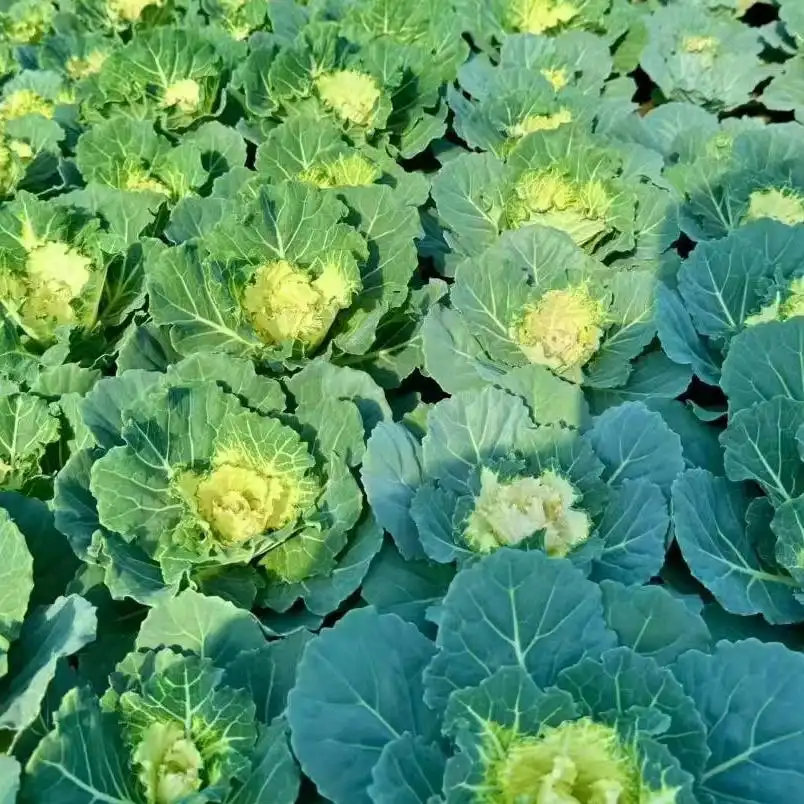
Understanding Freeze-Dried Kale Powder: Properties and Benefits
But lyophilized kale powder is different from other vegetable powders because of the way it is made. When people buy something, knowing these things helps them decide if it's right for their needs.
The Science Behind Freeze-Drying Technology
To freeze-dry something, the water inside it changes straight from solid ice to mist in a vacuum. This is called sublimation. When it gets below -25°C or -40°C, fresh kale freezes very quickly, forming ice crystals inside the cells. The things are then put in a room that doesn't have any air flow. On the inside, small amounts of controlled heat turn the stuff into ice without going through a liquid phase. This method is soft enough to protect nutrients that break down at high temperatures, which is what would happen with normal heat-drying methods. The powder that is made is thin and easily rehydrated, which makes it perfect for drinks where it needs to spread out quickly.
Nutritional Advantages Over Conventional Processing
When you freeze-dry food, more than 90% of the nutrients are kept. When you dry food in hot air, only 40% to 60% of the nutrients are kept. When vitamin C is frozen, it doesn't really change because it is a mineral that is very sensitive to heat. The powder has a lot of vitamin K1, which is good for your bones and helps your blood clot. It also has colors like lutein and beta-carotene that are good for your eyes. Glucosinolates are chemicals that contain sulfur and can only be found in brassica vegetables. They make it through the freeze-drying process and help make good things like sulforaphane. Because these nutrients are protected so well, companies that make finished things can make health claims that are backed up by science.
Physical and Chemical Characteristics
High-quality freeze-dried kale powder has a bright, deep green color that denotes chlorophyll retention and has a particle size standard of 80 mesh for maximum dispersibility. The powder keeps the water activity below 0.3 and the amount of water that is still there below 5%. Small living things and enzymes can't grow or break down because of this. There are about 35 to 50 grams of bulk density in every 100 milliliters. This makes it easier to store and move than whole dried leaves. It is easy to add to watery mixes because it dissolves in water. You don't need any extra carriers or spreading agents. Because of these features, the item has a clean name and meets high quality standards for use in food.
Practical Applications and Usage Scenarios in B2B Contexts
Freeze dried kale powder that has been frozen and packed can be used in many different fields. Each one uses its unique properties to solve its own production issues. Additionally, freeze dried kale powder offers nutritional benefits and versatility, making it a valuable ingredient across various industries.
Functional Beverages and Smoothie Blends
Companies that make health drinks add kale powder to protein shakes, green superfood mixes, and ready-to-drink health drinks. Because the powder is open, it mixes easily with cold liquids and doesn't make the texture gritty like heat-processed powders do. There could be 2 to 5 grams of kale powder in each serving of an everyday recipe. This is just as healthy as green kale without having to deal with food that goes bad quickly. Its mild flavor goes well with fruit-based drinks and doesn't make other ingredients taste weak. Manufacturers like the longer shelf life because it means they don't have to worry about food going bad and there is less waste in the supply chain.
Dietary Supplement Formulations
Supplement manufacturers use freeze-dried kale powder as a whole-food vitamin source in pills, tablets, and powder mixtures. People who make medicines can get enough vitamin K and antioxidants into standard serving sizes because the nutrients are compressed. It's important to remember that the powder quickly soaks up water when enclosing. Adding flow agents, such as silicon dioxide, to the powder keeps it from sticking together while it is being filled quickly into capsules. The powder works well with other plant extracts in full multivitamin recipes. This is good for brands that focus on using natural ingredients instead of man-made isolates. Tough standards in the supplement business make sure that the supplement doesn't have any heavy metals or bacteria in it. Quality control tests make sure of this.
Food Manufacturing Applications
There are a lot of different foods that use kale powder, like snacks, baked goods, energy bars, and spices. This part of the food can be used as a natural colorant, to make the food healthier, and to sell the food. Adding 1% to 3% kale powder to protein bars makes them claim more vegetable servings without changing the taste or appearance much. The umami in the powder improves the taste of salty foods like chips and biscuits and makes the flavor deeper overall. Water can't move around in mixed food structures because of the low moisture activity. This makes sure that foods that can be stored for a long time stay fresh.
Cosmetic and Personal Care Products
Kale powder is used in face masks, washes, and anti-aging drugs because it is high in vitamins. Vitamins C and E fight free radicals that age the skin. It gets rid of dark circles under the eyes and helps the face heal. Because the particles are small, they can have a smooth look and feel when used on the skin. A lot of the time, water is added to powder before it is mixed with emulsions. This makes it possible for the chlorophyll and pigments to spread out evenly in the food. Products that are offered as beauty treatments that are based on plants or gardens look nice because they are naturally green.
How to Select and Procure High-Quality Freeze-Dried Kale Powder
Where you get the things you need, such as freeze dried kale powder, has a direct effect on how well you follow the rules and make money. People who work in buying should rate sellers based on certain criteria so that they always get the same results. Ensuring a reliable source of freeze dried kale powder can enhance product quality and consistency in your offerings.
Essential Quality Certifications and Standards
Suppliers who have a good name keep papers that show how good their goods and items are. Check for labels like FSSC22000, ISO9001, and HACCP that show quality control is done in a planned way during the whole production process. Organic certification shows that no man-made chemicals were used and that organic growing methods were used, which is good for people who care about their health. It is now possible for shops to sell more foods that are HALAL and KOSHER-approved. Customers are less worried about genetic engineering in food crops when non-GMO crops are checked to make sure they are safe. Certificates of Analysis should be given by suppliers for each production lot. These certificates should list the nutritional content, bacterial numbers, heavy metal levels, and chemical leftovers. Providers can keep track of their supply lines and quickly answer questions from officials because everything is clear.
Evaluating Supplier Capabilities
Make sure to look at more than just a provider's credentials. Check their professional skills and service facilities as well. When a manufacturer has their own testing lab, they can check the raw materials' quality before they are used to make a product. They can also do stable tests to see how long the product will last in different store conditions. If you want to make more of a product, you need to make sure that your suppliers have enough standard specs and special recipes on hand. The smallest amount you can order from each service company is very different. Some need pledges of several tons, while others let you place trial orders as small as one kilogram. People who make things can try out different recipes before committing to making a lot of them because the minimum order quantity is flexible. How responsive a service is to your communication shows how much they want to work with you. Look for teams that can give you expert help, quickly answer your questions about recipe, and keep you up to date on progress as the production cycle goes on.
Logistics and Supply Chain Considerations
When you buy things from other countries, there are organizational problems that can change the price and the supply line. For small orders that need to be delivered quickly, express delivery services are used. For moderate amounts that need to be delivered quickly, air freight is used. And for large packages that can wait longer to get there, ocean freight is used. Things that are already packed and ready to go can be sent quickly by fast mail in seven days. Items that are made to order and sent by ocean can take twenty to thirty days. If you know what information you need for customs, you can escape waiting in line at the border. They can give you commercial bills, certificates of origin, and phytosanitary certificates when you need them if they have dealt with international trade before. How quickly freight moves depends on the type of packing used. Fiber drums that hold 25 kg and are covered with LDPE bags are standard in this business because they protect things the best while they're being shipped and make them easier to handle in the warehouse. Discover if your sellers work with well-known shipping firms like DHL, FedEx, and SF Express. These businesses promise that tracking and delivery will work.
Cost Structure and Value Analysis
A lot of things affect the price, such as the quality of the raw materials, the technology used to work with them, how well the providers keep their certifications up to date, and the level of service they offer. Always look at the bigger picture before going for the cheapest price. If the quality isn't constant, it could mean not following the rules or having production issues. To find the total cost of ownership, you need to add up how much the product makes in finished goods, how much it costs to redo because of quality issues, and how much damage contamination could do to the brand. Customers can try things out before they decide to buy when sellers give them samples. It's possible for samples to change color, particle size, stability, and taste in ways that affect how well the final product works. When you buy more than 100 to 500 kg, you usually get a deal. The price breaks get bigger when you buy by the ton. More than one provider is often qualified as part of a balanced sourcing strategy. This is done to make sure there is stability while keeping costs and service quality under pressure from competitors.
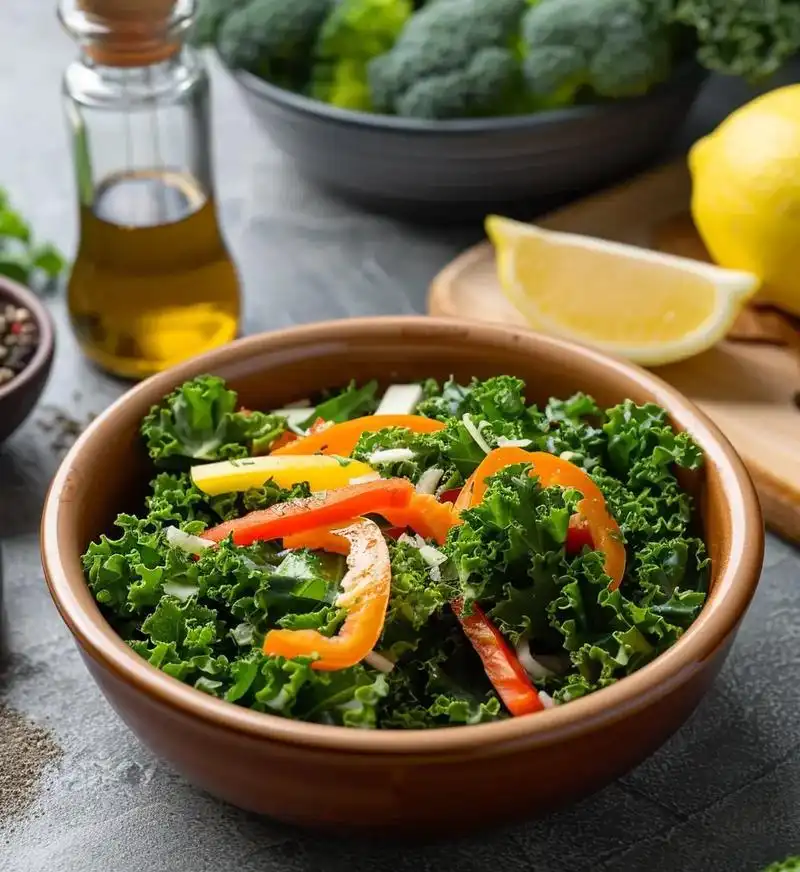
Addressing Common Concerns and Optimizing Usage
Problems need to be planned for and answers need to be put in place that keep quality high during production and the product's shelf life for progress to be made on a product.
Safety and Regulatory Compliance
FDA laws require freeze-dried kale powder to be used in food like other GRAS products. If the powder comes from reliable suppliers that cultivate and produce it properly, it's safe. Lead must be below 2 ppm, cadmium below 1 ppm, and mercury below 0.1 ppm. For ready-to-eat food to fulfill guidelines, yeast and mold counts must be less than 1,000 CFU per gram and total plate counts must be less than 10,000. Labeling depends on allergy. Kale is rarely allergenic, although cross-contamination during handling should be recognized if the product is prepared on shared equipment. Providers should provide allergen control instructions and frequent checks to protect customers from main allergies.
Formulation Optimization Techniques
To achieve the greatest results, you must know how kale powder works with different items. Add a little liquid to powdered drinks before adding them to the main blend to help them spread and not stick. Natural fiber in powder gives smoothies body. However, clear liquids may settle. Fillers like xanthan gum don't settle powder. Kale's earthy flavor can be balanced with sugar, lemon, or vanilla. Temperatures exceeding 60°C destroy heat-sensitive vitamins, making nutritional claims unreliable. Processes should employ minimal heat. Light-sensitive medications in lipid carriers or with antioxidants like vitamin E will be safe in brightly lit markets.
Storage and Shelf Life Management
Product quality is maintained throughout the supply chain by keeping them in the proper place. Freeze dried kale powder should be kept cool, dry, and out of the sun. It works best below 25°C and 60% relative humidity. The hygroscopic powder easily absorbs airborne water, which can lead to spoilage. Bacteria may multiply if conditions are not monitored. Open containers should be covered again. You might also relocate them to smaller containers with less airflow. Freeze dried kale powder stays fresh for 24 months if stored properly and in its original, unopened box. Manufacturers who want their products to be stable should monitor vitamin levels, color retention, and moisture content daily to estimate storage life. Move things from first-in, first-out to avoid using unhealthy old food.
Conclusion
Companies that want to make their goods healthier while still keeping their "clean label" image can use freeze-dried kale powder. Lyophilization is a way to dry things that keeps more of the nutrients than other methods. It keeps vitamins, antioxidants, and beneficial substances that people who care about their health that are sensitive to heat. It can be found in useful drinks, food, vitamins, and beauty products. It's adaptable, which helps with recipe issues, and it lives up to real health claims. To make sure the work gets done well, sellers need to be carefully picked based on their credentials, professional skills, and how reliable their supply lines are. When people make and sell products, they get the most out of their ingredients if they know how to handle, store, and mix them correctly. freeze-dried kale powder offers manufacturers a scientifically proven solution that meets both health and practical production needs as the demand for plant-based, lightly processed products rises.
FAQ
1. How should manufacturers store freeze dried kale powder to maximize shelf life?
It is best to keep freeze-dried kale powder in cool, dry places (below 25°C) with low humidity (below 60%). It should also be kept in packages that can't be opened. Because they block moisture, the LDPE bag covers inside the fiber drums keep the insides from getting too wet. As soon as you open it, close it again right away to keep air out. For long-term storage, think about nitrogen cleaning. If you store it right, the quality will stay the same for 24 months after the date it was made.
2. What nutritional advantages does freeze dried kale powder offer compared to fresh kale?
By getting rid of the water, lyophilization concentrates the nutrients while saving 90–95% of the vitamins that were originally present. In turn, this means that it has about seven to eight times more nutrients per gram than green kale. You don't have to worry about fresh food going bad because the product will keep giving you the same amount of nutrients for a longer time.
3. Which suppliers provide reliable bulk freeze dried kale powder for industrial applications?
Check to see if the business has its own testing labs and is certified by FSSC22000, ISO9001, HACCP, and organic standards. Reliable suppliers give clear records like Certificates of Analysis, let you change the minimum order amount for tests from one kilogram to more than one kilogram, and offer samples for trying formulas. Freight shipping between countries goes easily when there are already established transport links.
Partner with Asianbios for Premium Freeze Dried Kale Powder Supply
Asianbios specializes in providing pharmaceutical-grade freeze-dried kale powder that is manufactured to strict international standards. With our state-of-the-art vacuum freeze-drying method, all of the nutrients are kept, even vitamins and beneficial chemicals that break down when heated. These are some of the certificates we keep: FSSC22000, ISO9001, HACCP, HALAL, KOSHER, and Organic. They show that we follow the rules everywhere in the world. Our open method helps you come up with new products, and our low-minimum order sizes (as little as one kilogram) let you test your recipe well before starting to make a lot of them. Because we have a lot of stock, we can ship standard orders within 10 days. For pressing orders, our Green Channel can send them out in as little as seven days. Our expert team does more than just provide ingredients. They also help with preparation, test for stability, and provide full OEM/ODM services for pills, capsules, powders, and sweets. Whether you're making useful drinks, dietary supplements, or innovative food uses, our experience as a freeze dried kale powder supplier ensures consistent quality that meets strict scientific requirements. Talk to our team at plantex@asianbios.com about what you need for your project and ask for samples that show the high quality that makes Asianbios stand out in the herbal extract market.
References
1. Marfil, P.H.M., Santos, E.M., & Telis, V.R.N. (2018). Freeze-Drying of Vegetable Extracts: Process Optimization and Nutrient Retention. Journal of Food Science and Technology, 55(4), 1243-1252.
2. Rawson, A., Patras, A., Tiwari, B.K., Noci, F., Koutchma, T., & Brunton, N. (2011). Effect of Thermal and Non-Thermal Processing Technologies on the Bioactive Content of Exotic Fruits and Their Products. Food Research International, 44(7), 1875-1887.
3. Sikora, E., Cieślik, E., Leszczyńska, T., Filipiak-Florkiewicz, A., & Pisulewski, P.M. (2008). The Antioxidant Activity of Selected Cruciferous Vegetables Subjected to Aquathermal Processing. Food Chemistry, 107(1), 55-59.
4. Vega-Gálvez, A., Ah-Hen, K., Chacana, M., Vergara, J., Martínez-Monzó, J., García-Segovia, P., Lemus-Mondaca, R., & Di Scala, K. (2012). Effect of Temperature and Air Velocity on Drying Kinetics, Antioxidant Capacity, Total Phenolic Content and Color of Red Pepper. Food Science and Technology International, 18(5), 421-428.
5. Olsen, H., Grimmer, S., Aaby, K., Saha, S., & Borge, G.I.A. (2012). Antiproliferative Effects of Fresh and Thermal Processed Green and Red Cultivars of Curly Kale. Food Chemistry, 134(2), 1176-1183.
6. Ratti, C. (2001). Hot Air and Freeze-Drying of High-Value Foods: A Review. Journal of Food Engineering, 49(4), 311-319.

Send Inquiry
Related Industry Knowledge
- Uses of Sleep Aid Tablets for Night Insomnia Support
- Uses of Lysine Production Technology in Animal Nutrition
- Sea Buckthorn Powder: How to Use in Your Diet
- How to Incorporate Freeze Dried Kale Powder into Your Daily Meals for Optimal Health?
- Tart Cherry Powder for Women: Benefits & How To Use It
- What is orange powder used for?
- Dried Kale Powder for Baking: Add Color and Plant Nutrition
- Best Grape Powder Benefits: Why You Should Add It Daily
- Kiwi Dried Powder Benefits: Why It’s a Superfood Trend?
- Dried Kale Powder for Supplements: A Complete Guide