Uses of Lysine Production Technology in Animal Nutrition
How to maximize protein from feed while minimizing cost and environmental impact is a perennial challenge in contemporary animal management. Modern microbial fermentation provides an essential amino acid in Lysine Production Technology. This innovation converts green agricultural bases including molasses, wheat derivatives, and maize starch hydrolysates into high-purity L-lysine, the first amino acid most animals and birds require. Lysine fermentation produces 100% physiologically active L-isomers, whereas chemical synthesis produces less bioavailable racemic mixtures. A feed supplement is created to directly improve protein production, reduce nitrogen loss, and reduce the demand for costly protein sources like soybean meal. If you understand this technology and adopt the correct manufacturing techniques, you can modify how you feed animals.
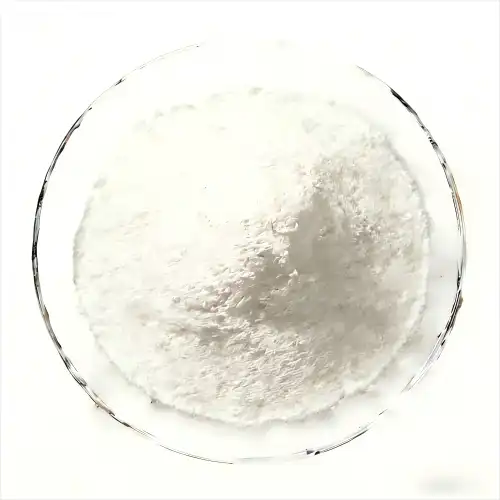
Understanding Lysine Production Technology and Its Relevance to Animal Nutrition
The Dominance of Microbial Fermentation in Modern Lysine Production
Today, most industrial lysine production uses microbial fermentation. Metabolically engineered bacterial strains, principally Escherichia coli and Corynebacterium glutamicum, have been enhanced over many years for this approach. Microorganisms synthesize lysine from simple carbohydrates via aspartate synthesis. They store amino acids outside cells for fast recovery. Under strict aerobic conditions, fermentation takes 48–60 hours. The pH is maintained between 6.8 and 7.2, and dissolved oxygen is monitored. Modern manufacturing units produce 200–240 grams of fermentation broth per liter, the most in the industry. The method employs renewable carbon sources including wheat-based sugars, sugarcane syrup, and hydrolyzed maize starch and nitrogen sources like ammonium sulfate, liquid ammonia, and gaseous ammonia. Biotin is surprise essential; modest levels modify bacterial cell membrane permeability, leaking lysine into the medium. This molecular knowledge has helped maximize production while preserving cells throughout protracted fermentation operations.
Key Raw Materials and Microbial Strains Driving Production Systems
Lysine fermentation relies on material quality and microorganism performance. Agricultural wastes like corn steep liquor include carbon and complex nutrients that boost bacteria growth. Microbe kind determines conversion rate. The best industrial strains convert sugar to lysine about 70%. To avoid feedback inhibition, a natural regulatory mechanism that prevents lysine buildup as cell numbers grow, these strains are continuously improving genetically. Developing strains involves making them better at managing huge volumes of product, keeping them safe from competing germs, stabilizing their metabolism during lengthy production runs, and reducing byproduct output. Modern manufacturers constantly test new strain libraries to find the best ones. This continual biological progress keeps lysine production competitive with alternative animal feed protein sources.
The Biological Lysine Biosynthesis Pathway and Critical Enzymes
The aspartate pathway produces lysine from aspartic acid. Aspartate kinase initiates phosphorylation, while dihydrodipicolinate synthase directs carbon flow to lysine instead of alternative pathways. Changes in industrial strain genes halt feedback suppression of rate-limiting enzymes, notably aspartate kinase. This enables lysine get high enough to terminate cell production. Understanding this biological architecture helps procurement personnel comprehend why fermentation-derived lysine is more stable. Chemical synthesis can't replicate L-lysine-only enzymes' stereospecific regulation. The biological route enables producers adjust fermentation variables including temperature, oxygen transfer rates, and nutrient loading to maximize lysine biosynthesis activity and minimize side reactions that waste substrate or complicate purification.
Optimizing Lysine Production Technology for Superior Animal Nutrition Outcomes
Strategies for Enhancing Lysine Yields Through Robust Microbial Strains
Finding and maintaining the optimal strain is the first step in yield optimization. Elite production strains produce huge volumes and are stable. This allows fermentation tanks to operate continuously. Strain enhancement efforts employ mutation, metabolic engineering, and increasingly CRISPR-based genome editing to fine-tune biosynthetic pathways. The objective is to reduce byproducts, notably amino acids and organic acids that compete with lysine synthesis for carbon. Production facilities strictly check functioning cell bank quality. They monitor strain identity and performance regularly. Genetic stability testing ensures strains retain designed features after several multiplication cycles. This prevents batch economics-harming production loss. Biological quality assurance procedures provide constant lysine quality for feed producers, who need correct amino acid profiles to meet nutritional needs.
State-of-the-Art Bioreactor Designs and Automation Integration
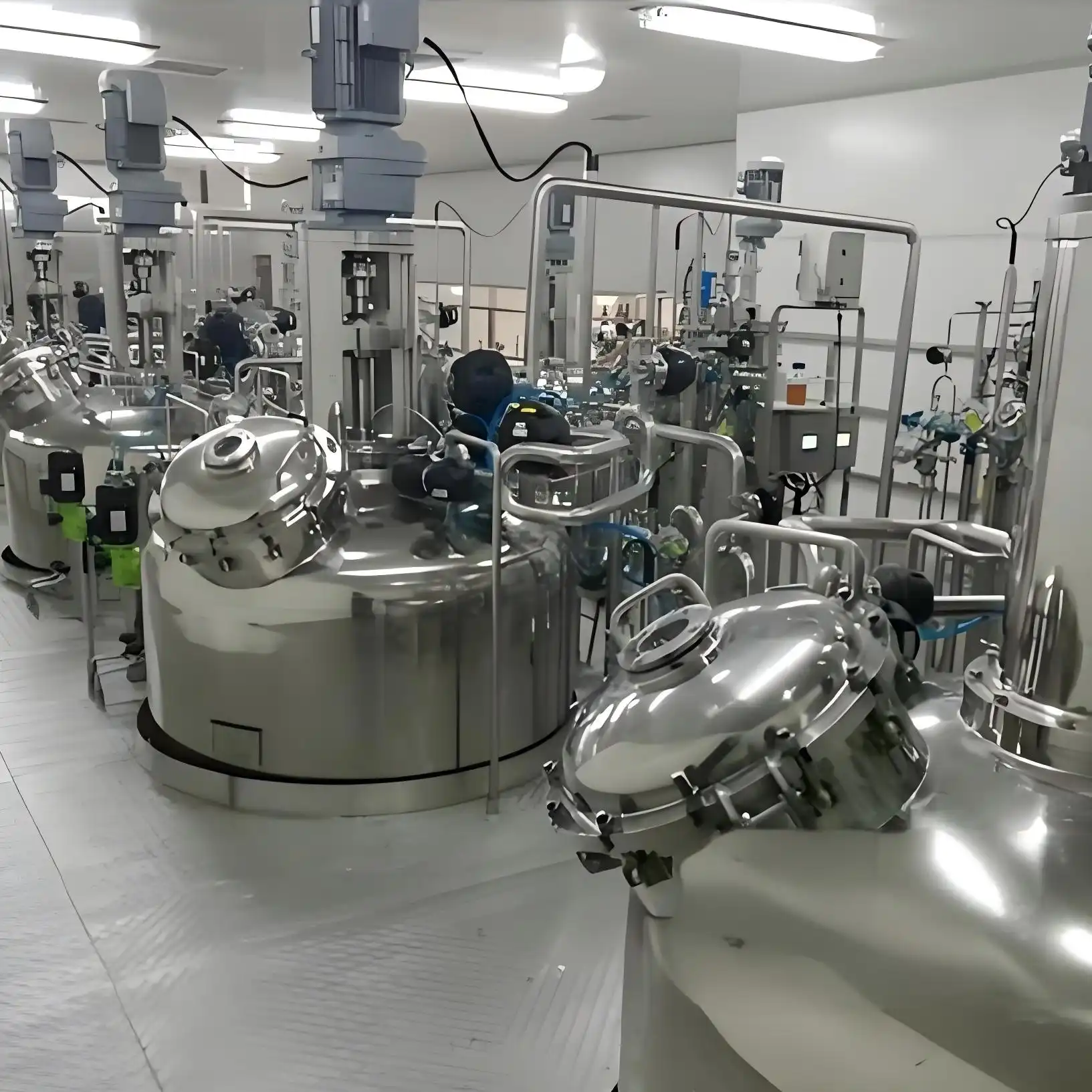
Modern lysine production uses Lysine Production Technology with complicated fermentation tanks with advanced process control. Monitoring dissolved oxygen, pH, temperature, and off-gas composition in real time allows you to adjust aeration, agitation, and nutrient delivery. Automated systems respond quickly to metabolic changes, optimizing fermentation conditions. This precise control maximizes cell density and lysine synthesis with little energy and food waste. Aerobic bacterial fermentation bioreactors have efficient oxygen transfer through optimal impeller configurations, built-in foam control systems to prevent broth overflow during active growth, and heat removal from metabolic processes. Keeping oxygen transfer rates and mixing qualities consistent is key to industrial production from lab. This makes strains operate the same in any tank size. Due to these engineering characteristics, well-known manufacturing technology delivers consistent outcomes across building sizes and locations.
Addressing Manufacturing Challenges: Raw Material Variability and Contamination Risks
Raw material composition depends on crop, growing season, and processing, which might alter fermentation. All substrates entering professional manufacturing facilities must meet quality criteria. They measure sugar, trace metals, and bacteria-blockers. Diversifying sources and retaining buffer supplies protects against supply disruptions and maintains fermentation outcomes. You need stringent hygiene guidelines to avoid contamination. Industrial fermenters employ positive pressure, sanitized air and media, and stringent cleaning-in-place between batches. Despite these precautions, contamination occurs sometimes. They're diagnosed by unexpected pH shifts, off-gas patterns, or production declines. Rapid detection and backup solutions minimize product loss and maintain supply chain stability when contamination occurs. Animal nutrition buyers must be aware of these practical realities since they affect product availability and price stability. Stable supply from suppliers with good quality and contamination control reduce the risk of formulation issues delaying feed manufacturing. Assessing lysine suppliers' quality management and process control might help you choose a long-term partner.
Comparative Insights: Choosing the Best Lysine Production Method for Your Animal Nutrition Needs
Fermentation Versus Chemical Synthesis: Cost, Purity, and Application Suitability
Fermentation beats chemical synthesis in lysine production. Chemistry creates racemic mixtures with L- and D-isomers. For physiologically active L-lysine, extra resolution stages are required. Extra preparation raises costs and lowers outputs. Fermentation produces solely L-lysine, eliminating stereochemical waste and simplifying cleanup. Economic study usually favors fermentation. Systems convert 70% of sugar into lysine at peak efficiency. This converts base cost into product value. Agricultural waste materials are key feedstocks, keeping supply lines stable despite petrochemical price changes. As technology has progressed, fermentation facilities are cheaper to establish because conventional manufacturing lines may last 15 years or more. China has 70% of the world's manufacturing capacity, proving the technology is viable and scalable. Environmental variables increasingly influence output method selection. Fermented bacterial biomass may be used as organic manure or protein-rich feed. The resource flow flows from agricultural inputs to lysine production to agricultural applications. This closed-loop system reduces garbage and generates fresh revenue, making it more cost-effective.
Performance Metrics Across Different Microbial Strains and Emerging Technologies
Apart from production, strain efficiency varies in other ways. High lysine tolerance enables cells keep creating things as they make more, extending fermentation's usefulness. Strains' ability to withstand temperature variations, oxygen shortages, and minor levels of impurities in raw materials determines their performance in industrial settings. New technologies improve outcomes. Synthetic biology allows for more comprehensive route rewiring, including novel biochemical pathways around metabolic bottlenecks. Enzyme engineering speeds up the lysine pathway without adding cells by enhancing rate-limiting step catalytic efficiency. Adaptive laboratory evolution selects strains that are more adapted to the real world by increasing their difficulty. Cutting-edge methods work with conventional strain development to speed up genetic alteration to industrial usage.
Sustainability Considerations: Carbon Footprint and Environmental Compliance
Animal feed manufacturers are under increasing pressure to reduce their environmental effect. Lysine production technology aids environmental aims in several ways. Adding synthetic lysine to feed reduces the demand for protein-rich soybean meal, reducing animal production farmland. This secondary land use advantage is amino acid supplementation's largest environmental benefit. Factory energy-saving and green energy use has reduced direct production emissions. Modern fermentation factories utilize sterilizing heat, enhance ventilation to save electricity, and recycle water to reduce freshwater demand. These operational adjustments comply with government regulations and company sustainability pledges. They are crucial for enterprises in demanding environmental permit or carbon price jurisdictions. Lysine products are tested and certified to FAMI-QS and regional feed safety legislation to fulfill the quality criteria of many markets. Suppliers that maintain these accreditation demonstrate systematic quality management. This offers procurement teams confidence in consistent product standards and monitoring papers for customer inspections and regulatory compliance.
Procurement Guide for Lysine Production Technology and Equipment
Criteria for Selecting Reliable Suppliers and Technology Partners
You must evaluate several skills while assessing lysine sellers. Production capacity and usage rates indicate whether a supplier can safely satisfy volume commitments during peak demand. Production location affects logistics pricing and supply chain risk. Redundancy prevents area issues with multi-site manufacturers. Lysine production requires long-term technical and maintenance expenses, therefore economic stability is crucial. Beyond basic creating, technical talents exist. Analytical laboratories that test for heavy metals, amino acids, and microbiological contamination ensure product consistency. Research and development projects demonstrate a company's commitment to constantly improving and meeting client needs. The customer service infrastructure, including technological support teams and specialist account management, simplifies application challenges. Certification portfolios demonstrate quality management. Check for CGMP, FSSC22000, ISO9001, HALAL, KOSHER, Organic, and HACCP certifications. These demonstrate structured quality control, food safety, and religious dietary needs. These certifications help feed manufacturers research since they serve several markets with various consumer and regulatory demands.
Essential Fermentation Equipment and Turnkey Project Management
Lysine-making companies must know what instruments they need to succeed. In the fermentation train, seed culture tanks cultivate bacteria, production fermenters with working quantities from tens to hundreds of cubic meters, and utilities compress air, make steam, move cooling water, and treat waste water. Downstream processing requires centrifuges or membrane filter systems to separate cells, ion exchange resin columns to clean, crystallization equipment, and drying systems to generate stable powders. Turnkey project services simplify execution by providing equipment, installation monitoring, process setup, and operator training. Unlike bespoke engineering, professional technology suppliers provide validated concepts to decrease project risk and expedite time-to-market. These comprehensive solutions minimize the learning curve and enable first-time lysine makers avoid expensive design errors that might lower production costs or product quality. We provide basic technical solutions with cutting-edge fermentation technology and comprehensive application assistance. The strategy balances basic process knowledge—such as the optimal strains for performance, accurate fermentation procedures, and efficient recovery methods—with local adaptation. Global best practices must be adapted to local raw material, labor, and regulatory environments for effective manufacturing. This 30% core technology, 70% localization concept has performed effectively in many regions and building sizes.
Financial Considerations: Investment, ROI, and Contract Manufacturing Options
Capacity targets increase lysine production facility capital requirements in Lysine Production Technology. Smaller enterprises must spend millions to tens of millions on global lysine factories. Return on investment projections depend on raw material costs, local energy costs, product prices, and capacity usage. In-depth viability studies should simulate how these elements influence the firm, discover break-even thresholds, and determine whether predicted earnings cover expenditures and risks. Contract manufacturing may help companies maintain lysine supplies without investing in direct production. Toll manufacturing turns client raw materials into completed lysine goods using well-known facilities' production capabilities. This technique reduces capital and enables firms concentrate on their strengths—making feed, growing client connections, and creating new brands—while outsourcing fermentation activities to specialist manufacturers. Procurement teams should compare total cost of ownership, not just costs. Consider the costs of transporting materials from production sites to formulation facilities, inventory costs, quality control testing new materials, and business continuity risks associated with relying on a single source. By simplifying the supply chain and making operations more predictable, somewhat higher unit costs from more dependable suppliers can provide superior overall value under a full cost model.
Leveraging Lysine Production Technology to Enhance Animal Nutrition Products
Critical Role in Feed Formulation: Growth Rates and Feed Conversion Efficiency
Lysine is the first amino acid lacking in cereal-based animal and avian meals. Even if the protein quantity is correct, animals can't synthesize enough body proteins without adequate lysine. This hinders development. Nutritionists may cut crude protein and increase productivity by adding crystalline lysine to animal feed. This "ideal protein" strategy balances amino acid availability with animal demands. This decreases additional protein broken down and excreted as nitrogen waste. All phases of creation exhibit performance increases. Producers benefit because lysine supplements boost broiler hen breast meat production and market weight in fewer days. Swine nutrition at various development stages requires varied lysine levels for starter, grower, and finisher feeds. Lysine in dairy cow diet helps create milk proteins, which is vital for component-paid farmers. Aquaculture feeds must have balanced amino acid profiles since fish consume protein better than terrestrial animals. Economically, amino acid accuracy matters.
Case Studies: Measurable Productivity and Quality Enhancements
A major U.S. integrator added solid lysine and less soybean meal to broiler finisher diets. The new formula maintained breast meat yield while reducing feed costs by $8 per metric ton. This saved the integrator millions without impacting bird performance or meat quality. A 12% reduction in nitrogen emissions per kilogram of beef helped the environment. This helps fulfill nutrition management standards in meat-producing areas. A European pig farmer employed precision lysine feeding throughout growth and finishing. Modern genetics and performance objectives altered supplementing quantities, not safety margins. The data-based strategy enhanced feed conversion ratio by 3%, slashed protein ingredient costs, and reduced waste nitrogen. All of these benefits helped farmers generate more money and obey fertilizer limitations. Modern fermentation technology that produces stable, high-purity lysine allows dietitians to utilize more sophisticated feeding programs than with a less reliable supply.
Cutting-Edge Trends: Synthetic Biology and Enzyme Engineering Innovations
Next-generation lysine production technique employs synthetic biology to modify metabolism. Researchers establish novel biosynthetic routes or import enzyme systems from other animals instead of employing mutation to improve present processes. These approaches may be able to circumvent biological constraints, enabling larger theoretical maximum rates than normal strains. In addition to pathway-level alterations, enzyme engineering enhances biochemical processes. Computing protein design discovers amino acid modifications that make enzymes more stable, better at binding substrates, or quicker at recycling. High-throughput screening finds unusual, superior pairings by screening tens of thousands of variations. These enhanced enzymes and stronger commercial strains' better metabolic pathways may transform the economics of manufacturing, making lysine inexpensive for previously unprofitable purposes. Animal feed buyers should worry about these technical advances since amino acid prices will keep falling. Nutritionists may fine-tune food standards more freely as manufacturing prices drop and quality stability grows. A few years ago, this would have been prohibitively expensive. Staying in contact with technology-ahead suppliers lets you obtain new ideas first, giving you a competitive advantage in feed production efficiency and cost structure before the improvements become industry standard.
Conclusion
Modern animal husbandry requires superior Lysine Production Technology, which is constantly evolving. Microbial fermentation produces pure, stable L-lysine from renewable feedstock. This aids feeding strategies that boost animal productivity and reduce environmental impact. Procurement personnel may pick suppliers that fulfill quality, affordability, and supply chain dependability by understanding production essentials including strain selection, fermentation control, and cleanup. Synthetic biology and enzyme engineering will improve lysine production efficiency and longevity. This will reinforce its vital role in feeding the world's rising population. Understanding these technologies and forming strategic collaborations with reliable providers can help companies succeed in increasingly competitive animal feeding markets.
FAQ
1. Why is bacteria fermentation a better way to make lysine than chemical synthesis?
The physiologically active isomer L-lysine is exclusively produced via fermentation. Chemical methods create racemic combinations that are expensive and difficult to separate. Fermentation employs renewable organic ingredients instead of petrochemicals, recycles waste, and is cheaper. Fermentation has become the standard worldwide due to its advantages.
2. How can I tell if a lysine provider is trustworthy?
Ensure the company's FAMI-QS and ISO9001 certifications satisfy norms. Check their analytical abilities to ensure consistent product testing and technical support. Request references from customers who have used comparable items and consider utilizing systems to monitor where materials originate from and how they are utilized to make the supply chain more transparent for audits.
3. What amount of purity should I give feed-grade lysine?
Usually 98.5% pure, feed-grade lysine hydrochloride fulfills or exceeds FAMI-QS heavy metal and microbial infection requirements. All large marketplaces obtain the same nutritious output and obey the guidelines with this quality level. Better purity kinds for medicine don't offer nutritional value and are more costly for feed.
Partner with Asianbios for Advanced Lysine Production Technology Solutions
Asianbios is a renowned Lysine Production Technology supplier to animal nutrition. They have decades of biotech expertise. Our microbial fermentation technology yields ≥98.5% pure feed-grade lysine hydrochloride that fulfills FAMI-QS and USP requirements. This is feasible because of thorough quality control from raw material selection to product testing. We maintain CGMP, FSSC22000, ISO9001, HALAL, KOSHER, Organic, and HACCP certifications to comply with many regulatory requirements. Our flexible minimum order quantities start at 1 kg, and samples are simple to procure, so we can facilitate large-scale buying and product development. Our experts can assist with all parts of development and give OEM/ODM solutions tailored to your market. DHL, SF Express, and FedEx global operating partnerships provide dependable delivery. Standard-spec goods come in 10 days, bespoke ones in 20. Get in touch with our team at plantex@asianbios.com to talk about how our lysine extraction technology can help your animal nutrition goods and make you more competitive. You can look at our whole biotechnology collection that helps the feed, supplement, and functional food businesses at asianbios.com.
References
1. Wendisch, V.F., Bott, M., and Eikmanns, B.J. (2006). Metabolic engineering of Corynebacterium glutamicum for biotechnological amino acid production. Advances in Biochemical Engineering/Biotechnology, 104, 119-157.
2. Leuchtenberger, W., Huthmacher, K., and Drauz, K. (2005). Biotechnological production of amino acids and derivatives: current status and prospects. Applied Microbiology and Biotechnology, 69(1), 1-8.
3. National Research Council. (2012). Nutrient Requirements of Swine: Eleventh Revised Edition. Washington, DC: The National Academies Press.
4. Baker, D.H. (2009). Advances in protein-amino acid nutrition of poultry. Amino Acids, 37(1), 29-41.
5. Ikeda, M. and Takeno, S. (2013). Amino acid production by Corynebacterium glutamicum. In Corynebacterium glutamicum: Biology and Biotechnology (Yukawa, H. and Inui, M., eds.), pp. 107-147. Berlin: Springer-Verlag.
6. Brosnan, J.T. and Brosnan, M.E. (2006). The sulfur-containing amino acids: an overview. Journal of Nutrition, 136(6 Suppl), 1636S-1640S.

Send Inquiry

Related Industry Knowledge
- Sea Buckthorn Powder: How to Use in Your Diet
- Tart Cherry Powder for Women: Benefits & How To Use It
- Future Trends in Freeze Dried Strawberry Powder
- Dried Carrot Powder: An All-Natural and Convenient Way to Boost Your Health
- Is kiwi powder good for you?
- Freeze-Dried Strawberry Powder: Production and Nutrition
- What is orange powder used for?
- Best Grape Powder Benefits: Why You Should Add It Daily
- Kiwi Dried Powder Benefits: Why It’s a Superfood Trend?
- Dried Kale Powder for Supplements: A Complete Guide