Why Freeze Dried Kiwi Powder Is Trending: Health Benefits and Best Ways to Use It
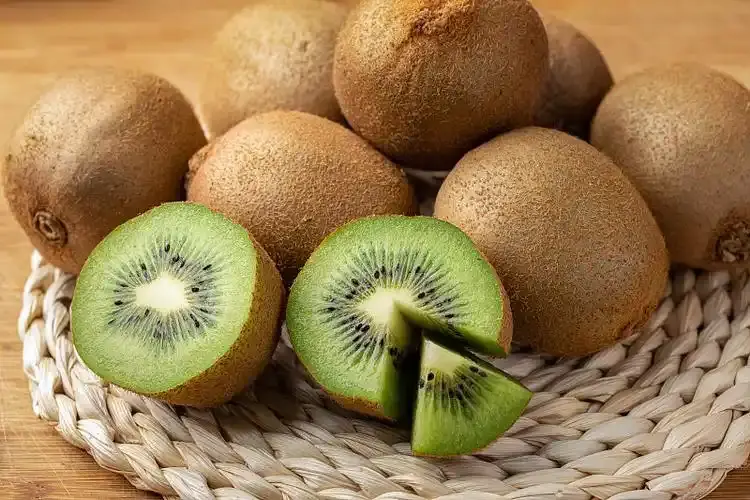
The rise in demand for freeze dried kiwi powder can be attributed to its unrivaled ability to retain the full nutritional profile of fresh kiwifruit while providing an extended shelf life, quick solubility, and clean packaging. Through a process called cold lyophilization, which takes place below -40°C in a vacuum, this bright green powder keeps more than 95% of its vitamin C, active enzymes like actinidin, flavonoids, and dietary fiber. Heat-based drying methods destroy heat-sensitive nutrients and change the natural color to brown. Freeze dried kiwi powder maintains the natural color and tart-sweet taste that health-conscious customers expect.
Understanding Freeze Dried Kiwi Powder
The process of making quality lyophilized kiwi powder is a complex mix of food science and technology for preserving food. At our facility, we put ripe Actinidia deliciosa fruit through a multi-step process that starts with fast pre-freezing and ends with a nutrient-dense powder that can be stored for a long time and used in a variety of ways.
The Freeze Drying Process Explained
Picking out and preparing ripe kiwis is the first step in the lyophilization process. The fruit is washed and treated with enzymes to make the texture better. It is then concentrated in a low-temperature vacuum to get a solid content of 20 to 40 percent. Then, this thick paste is spread out evenly on freeze-drying trays at a fixed width (usually 5–15 mm) to make sure that the heat moves evenly. When the trays are full, they are put into the freeze dryer, where temperatures drop quickly to -25°C to -40°C, turning all the water into solid ice. This step before freezing is very important because it affects the quality of the finished product. When it freezes faster, smaller ice crystals form that better protect the structure of cells.
Primary and Secondary Drying Phases
The chamber pressure drops to 10–100 Pa once the ice is completely frozen, and the shelf temps slowly rise to between -10°C and +10°C. In these conditions, ice particles go straight from being solid to mist without going through a liquid phase. This keeps nutrients from breaking down. This first drying process gets rid of about 95% of the wetness. The end moisture level is then lowered to below 4% by raising the temperature a little while keeping the pressure. This is called secondary drying. The whole process takes 18 to 30 hours, based on the size of the batch and the properties of the material.
Superior Nutritional Retention Compared to Alternatives
Compared to spray drying, drum drying, or air dehydration, freeze-dried kiwi powder retains beneficial compounds better. At temperatures above 150°C, most heat-based procedures break down the actinidin proteolytic enzyme, oxidize vitamin C by 70%, and start Maillard browning, which removes the natural green color. Our lyophilization technique preserves over 90% of fresh fruit enzyme activity. It contains 400–600 mg of vitamin C per 100g of powder and all polyphenolic antioxidants like quercetin and chlorogenic acid. The porous microstructure created during sublimation promotes recovery and improves nutrient absorption. This improves supplement compositions. These technological advantages affect product performance. The powder's 60–80 mesh particles mix easily into drink combinations without sticking. When stored at 20°C with less than 45% relative humidity, its water activity stays below 0.2, preventing microbial growth and keeping it fresh for 18–24 months. The natural pH of 3.2 to 3.8 preserves and enhances fruity flavors when reconstituted.
Why Freeze Dried Kiwi Powder Is Gaining Popularity in B2B Procurement
There has been a big change in the global natural ingredients market toward clean-label, barely processed ingredients that are both useful and appealing to consumers. Because of this trend, freeze dried kiwi powder and other freeze-dried fruit powders are now necessary parts in many industrial fields.
Market Drivers and Consumer Demand
Healthy consumers examine ingredient lists more carefully than ever to avoid false colors, additives, and preservatives. Freeze-dried kiwi powder meets these demands because it only needs one ingredient to offer color, taste, and nutrients. Market research shows that 73% of consumers will pay more for full, identifiable ingredients. Because of this, functional food, dietary supplement, and beverage firms have developed new products using freeze-dried fruit powders. Kiwi powder is good for digestive health because it has enzymes. By freeze drying, proteolytic enzyme actinidin can last. People who create digestion products love it because it breaks down proteins in the digestive system. The powder's strong vitamin C and antioxidant levels and functional advantage make it a multi-benefit component that supports immunity, digestion, and cell health claims.
Quality and Pricing Considerations
Procurement workers must consider more than unit price when comparing freeze-dried kiwi powder to spray- or air-dried fruit powders. Freeze-dried powder usually costs 30–40% more than heat-dried. Freeze-dried powder preserves nutrients, tastes, and product appearance. Saying "100% pure kiwifruit" without carriers, maltodextrin, or flow agents gives enough business value to justify more expensive ingredients. Established producers save a lot with bulk purchases. Our warehouse has over a ton of standard specification inventory, allowing us to fulfill orders in 10 days after payment. Tiered price systems can reduce kilogram costs by 15–25% for orders over 500 kg. We offer flexible minimum order quantities starting at 1 kg. Product creators can test concepts on a small scale before mass-producing.
Supplier Reliability and Certification Standards
Recent global supply chain issues have proven the importance of reputable suppliers and consistent quality. CGMP, FSSC22000, ISO9001, HALAL, KOSHER, Organic, and HACCP certifications distinguish top freeze-dried kiwi powder enterprises. These certificates demonstrate that production sites strictly monitor quality from raw materials to completed goods. Watch for organic accreditation because it boosts market pricing and enables you sell in specialist stores. Certified organic freeze-dried kiwi powder requires fruit grown without pesticides or fertilizers. The powder must be traceable and handled in separate facilities to avoid contamination. We maintain organic certifications with well-known agencies that ensure we follow USDA NOP, EU, and JAS requirements.
Best Uses of Freeze Dried Kiwi Powder in Product Development
Because lyophilized kiwi powder is so flexible, it can be used in a wide range of creative ways to make different kinds of products. Each type of product can benefit from different parts of its functional profile.
Beverage and Smoothie Applications
High-volume uses where freeze-dried kiwi powder performs admirably include ready-to-drink drinks and smoothie premixes. The powder's open microstructure lets it mix quickly with cold liquids without sticking, so you don't need any special mixing tools. Its naturally acidic (pH 3.2–3.8) balances out other fruit tastes and keeps microbes from growing, so you don't have to use artificial preservatives like sodium benzoate or potassium sorbate. Formulators of drinks like that the powder adds a bright green color without using chemical dyes. This meets clean-label standards and looks good at the same time. To offer recognizable fruit pieces upon rehydration, fresh flavor notes, and a practical vitamin C boost, a normal smoothie premix might contain 3-5% freeze-dried kiwi powder. The powder stays solid in dry premix forms for more than 18 months, so it doesn't lose its taste or color like liquid or paste concentrates do.
Dietary Supplement and Nutraceutical Formulations
The group of digestive health supplements is made possible by the kept enzymatic activity in freeze-dried kiwi powder. Actinidin works well in capsules or tablets, and it helps the body digest protein when taken with food. Supplement companies make unique mixtures of kiwi powder with other digestive enzymes, such as papain and bromelain, to make all-around stomach support products. The powder has a lot of vitamin C (400–600 mg per 100g), which is good for your defense system. Freeze dried kiwi powder contains this vitamin C, along with fiber, trace minerals, and polyphenolic antioxidants. One 500mg tablet has about 2 to 3 mg of vitamin C. People often respond better to this whole-food nutrition mix than to ascorbic acid alone, which helps support higher prices and brand differentiation.
Bakery and Confectionery Applications
Understanding the moisture sensitivity and pH properties of freeze-dried kiwi powder is necessary before using it in baked goods and sweets. The powder doesn't react with water at all (below 0.2), which makes it perfect for uses that need to keep moisture in, like chocolate matrices, cream fillings, and yogurt coatings, where moisture movement could ruin the texture or help microbes grow. The powder's natural green color and sour taste make it useful in baking because they go well with sweet bases and add nutrition. We suggest adding 1% to 3% of the item to cookie dough, muffin batter, and cake mixes to get taste and color that stand out without overpowering other ingredients. As long as it's covered by a fat or protein matrix, the powder stays safe at normal baking temperatures (175–190°C), though some vitamin C will break down.
Storage and Handling Best Practices
Paying attention to storage conditions and handling methods is needed to keep a product's identity from the time it is received until it is produced. Our freeze-dried kiwi powder comes in 25 kg fiber drums that are approved for food storage and have plastic liners inside to keep dampness out. When drums are delivered, they should be kept in climate-controlled spaces where the temperature stays below 20°C and the relative humidity stays below 45%. These conditions stop the reabsorption of wetness, which can cause clumps, color change, and microbe activity. Once opened, drums should be sealed again right away with the original liner and lid after material is taken out. Being out in the air for a long time lets it take in wetness and break down through oxidation. For daily production use, we suggest putting smaller amounts into airtight cases and keeping the large inventory in its original sealed package. Material that is kept properly will stay up to standard for 18 to 24 months, but to make sure it stays as fresh as possible, we recommend using first-in, first-out inventory rotation.
How to Choose the Right Freeze Dried Kiwi Powder Supplier
When looking for a partner to make freeze-dried kiwi products, you need to look at their skills, dependability, and service quality, among other things.
Certification and Quality Assurance Systems
Seller evaluation begins with approval verification. We maintain good quality utilizing several well established standards. The Global Food Safety Initiative acknowledges our FSSC22000 certificate as proof of food safety management system compliance. According to international standards, ISO9001 certification proves our quality control systems are consistent and improving. CGMP accreditation proves our manufacturing procedures reflect the latest good manufacturing practices for pharmaceutical and dietary supplement ingredients. Specialized certificates satisfy specific markets. We sell to religious dietary followers with HALAL and KOSHER certifications. Our organic accreditation lets us sell to luxury natural goods stores. An accredited third party must inspect each license annually. This ensures continual compliance rather than one-time compliance. We offer all certification documents, including analysis certificates that validate product specs, with every shipment.
Production Capabilities and Customization Options
Modern B2B relationships increasingly necessitate adaptations beyond basic criteria. Flexible manufacturing strategies at our facility allow us to satisfy several clients. OEM and ODM services include private label packaging, custom formulas, and unique blends. Customers can specify particle sizes, wetness, and how to mix freeze-dried kiwi powder with other ingredients to generate custom products. Our skilled staff advises clients on product formulation based on intended usage throughout the creation process. Stability, microorganisms, and nutritional assays are tested in our professional labs. This functionality enables you quickly update prototypes and ensure completed goods satisfy specifications and target market standards.
Logistics and Delivery Reliability
Supply chain efficiency affects production planning and stockpile management. We partner with DHL, FedEx, and SF Express to ensure global delivery success. Standard items in stock ship within 10 days of payment proof. However, custom recipes take 20 working days to make and test. For immediate assistance, our fast service channel can supply minor things in 7–10 days. Fast courier is good for samples and short orders, air freight for urgent items, and ocean freight for cheap huge deliveries. Our shipping staff handles commercial bills, packing lists, certificates of origin, and phytosanitary certificates required by the destination nations. This one-stop service streamlines customs clearance and eliminates paperwork.
Evaluating Value Beyond Price
While competitive pricing is vital, the least price per kilogram isn't necessarily the greatest value when buying ingredients like freeze dried kiwi powder. The entire cost of ownership includes supply stability, professional support, and product consistency, which we advise our customers to consider. We emphasize partnerships above transactional connections and provide long-term assistance. Before placing significant orders, you can try the product with samples and a changeable minimum order of 1 kilogram. This strategy reduces risk by letting product creators test taste compatibility, processing characteristics, and finished product performance with real production material instead of specs. We've observed that early-stage support builds lasting partnerships and reduces reformulating expenses when switching providers with inconsistent quality.
Conclusion
Kiwi freeze-dried ingredients are becoming more common in functional food, supplements, and drinks. Nutrient-dense, clean-label ingredients are a growing industry trend. Vitamin C, active enzymes, and antioxidants are better retained by cryogenic processing. Health-conscious shoppers gain from this and ingredient lists are easy to understand. You must choose suppliers based on certifications, production capabilities, and logistical reliability, not just unit pricing, to integrate well. Freeze-dried fruit powders will gain specification share in new product production and reformulations as governments and customers scrutinize artificial ingredients and demand more information.
Frequently Asked Questions About Freeze Dried Kiwi Powder
1. How does freeze dried kiwi powder compare nutritionally to fresh kiwifruit?
Lyophilized kiwi powder keeps 90–95% of the nutrients from fresh fruit, such as vitamin C, actinidin enzyme, flavonoids, and dietary fiber. Due to the concentration factor, 100 grams of powder are equal to 800 to 1000 grams of fresh fruit, which means that each gram of powder has a lot more nutrients than a fresh fruit. Even though processing doesn't change the vitamin C much, the powder's longer shelf life and lack of seasonal supply make it easier to use for uniform formulation.
2. Can freeze dried kiwi powder be used in hot beverage applications?
The powder mixes well with hot drinks, but temps above 70°C break down the actinidin enzyme and vitamin C content over time. When enzymatic action and keeping as many nutrients as possible are important, like in plant teas, we suggest adding powder after brewing. At high temps, the powder's natural acidity and taste profile don't change.
3. What storage conditions maximize shelf life?
For best keeping, keep temperatures below 20°C and relative humidity below 45% in cases that are sealed and out of the light. Under these conditions, the powder stays in full compliance with the specifications for 18 to 24 months. Exposure to moisture causes clumps and color to darken, and high temperatures speed up the breakdown of vitamin C. For best quality, containers should be resealed right away after being opened and the contents should be used within 6 months.
Partner with Asianbios for Premium Freeze Dried Kiwi Powder Supply
With certified, regularly high-quality freeze-dried kiwi powder, thorough technical support, and dependable logistics, Asianbios is ready to assist you with your product innovation efforts. We have CGMP, FSSC22000, ISO9001, HALAL, KOSHER, Organic, and HACCP certifications for our plant, which means we follow the strictest international quality standards. Because we keep a lot of stock on hand, we can supply standard specs quickly (10 days), and our flexible 1 kg minimum order amount and free sampling program remove the risk of buying during the development phase. As a top freeze dried kiwi powder supplier, our technical team provides specialized solutions backed by thorough regulatory paperwork, whether you need large quantities of freeze-dried kiwi powder for mass production or OEM/ODM customization services to develop unique recipes. To discuss your specific needs, get detailed product specs, or set up sample orders that show why top makers choose Asianbios as their freeze-dried kiwi powder provider, please contact our sourcing experts at plantex@asianbios.com.
References
1. Barrett, D.M., & Lloyd, B. (2012). Advanced preservation methods and nutrient retention in fruit and vegetable processing. Journal of Food Science, 77(8), R154-R159.
2. Chen, B.H., & Peng, H.Y. (2018). Freeze-drying technology: principles, applications and advances. Food Engineering Reviews, 10(2), 78-95.
3. Drummond, L., & Gormley, R. (2013). Enzyme activity and quality parameters of freeze-dried kiwifruit powder during extended storage. International Journal of Food Science & Technology, 48(4), 734-741.
4. Richardson, D.P., Ansell, J., & Drummond, L.N. (2018). The nutritional and health attributes of kiwifruit: a review. European Journal of Nutrition, 57(8), 2659-2676.
5. Shofian, N.M., Hamid, A.A., Osman, A., et al. (2011). Effect of freeze-drying on the antioxidant compounds and antioxidant activity of selected tropical fruits. International Journal of Molecular Sciences, 12(7), 4678-4692.
6. Zhang, M., Tang, J., Mujumdar, A.S., & Wang, S. (2017). Trends in microwave-related drying of fruits and vegetables. Trends in Food Science & Technology, 57(B), 145-154.

Send Inquiry
Related Industry Knowledge
- Lysine Production Technology Price Factors Explained
- Sleep Aid Tablets Guide: How They Improve Sleep Quality
- What Is Glutathione Production Technology Explained?
- What is apple green powder?
- Benefits of Lysine Production Technology in Feed Industry
- Uses of Lysine Production Technology in Animal Nutrition
- Dried Carrot Powder: An All-Natural and Convenient Way to Boost Your Health
- Freeze-Dried Strawberry Powder: Production and Nutrition
- Best Grape Powder Benefits: Why You Should Add It Daily
- Best Grape Powder for Health: What Makes It So Powerful?