Uses of Threonine Production Technology in Agriculture
Threonine Production Technology has changed the way farming is done by using advanced microbial fermentation methods to supply a key limiting amino acid. This biotechnological creation turns renewable sources of starch into high-purity L-threonine. It solves important problems in animal feeding and food improvement. The technology uses chemically modified bacterial strains to make threonine that is more than 95% bioavailable. This helps animals produce more food, lowers nitrogen releases into the environment, and saves money on feed. These fermentation-based methods are now used by farms all over the world to meet the growing demand for sustainable, high-quality protein output.


Understanding Threonine Production Technology in Agriculture
Agriculture worldwide is under pressure to produce more energy with fewer resources. L-threonine is the second most essential amino acid for pigs and the third for poultry, thus contemporary livestock farms must effectively generate it. Threonine sales will exceed $3.2 billion by 2028, according to market research. More cattle output and more accurate animal feeding strategies are to blame.
Core Production Methods and Their Agricultural Relevance
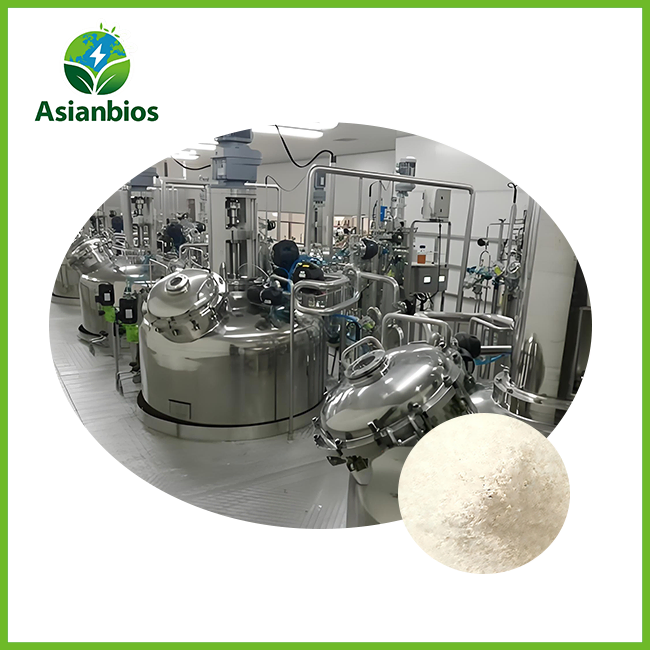
Today, threonine is generated via bacteria fermentation, enzymatic conversion, and chemical synthesis. The industry uses microbiological fermentation for about 85% of global output. This biological approach converts maize or cassava starch hydrolysates into pure L-threonine using modified Escherichia coli and Corynebacterium glutamicum strains. The method is microorganism-friendly at 37°C and 6.8–7.2 pH. Fermentation has several advantages over chemical techniques. Biological production may produce more than 120 g/L of threonine and convert more than 50% of glucose into the target amino acid. This productivity reduces agricultural waste and production expenses. A white to light yellow crystalline powder with at least 98.5% purity and FAMI-QS and USP standards without chemical synthesis residues is produced.
Recent Innovations Enhancing Production Efficiency
DNA engineering advances have altered manufacturing. Researchers eliminated the feedback mechanisms that prevented bacteria from storing up threonine. This innovative technology employs "nutrient deficiency plus feedback inhibition release" to ensure fermentation broths contain practically solely threonine and few hazardous amino acids. Downstream filtration is simpler and cheaper than before, saving 30–40%. Process automation improves accuracy and output. Modern fermentation facilities use intelligent control systems to monitor pH, liquid oxygen (above 30% saturation), and tail gas composition in real time. These devices automatically modify feeding rates and external conditions to prevent foaming and bacterial contamination, which have caused batch failures. Membrane filtration, ion exchange resin adsorption, and continuous crystallization provide pharmaceutical-grade threonine for human and animal use. The improvement of Threonine Production Technology is driven by environmental safety. Current industrial procedures emit 65% less carbon than chemical synthesis. Biochemical cleansing recovers plant effluent, and bacterial waste becomes organic fertilizer or protein feed additives. A closed-loop production system uses agricultural resources to generate high-value amino acids for agriculture using this circular economy technology.
Comparing Threonine Production Technologies for Agricultural Use
Agricultural buyers seeking for threonine supplies should recognize the key distinctions in production methods to make sensible purchases. Choosing between chemical synthesis and microbial fermentation affects product quality, environmental impact, and company expenses.
Microbial Fermentation Versus Chemical Synthesis
Microbial fermentation provides 100% L-configuration threonine, which mammals may utilize chemically. Chemical processing creates racemic mixtures of L- and D-isomers, but only the L-form is nutritious. Chemical synthesis wastes 50% of its manufacturing capacity on D-threonine since mammals can't break it down. Fermentation technology is excellent for animal feeding due to stereospecificity. Production economics resemble biological methods. Fermentation uses sustainable starch feedstocks like maize and cassava from farms. Chemical approaches need oil and high-risk chemicals like cyanide compounds, which weakens the supply chain and poses safety concerns. Chemical synthesis requires high-pressure tanks and extremely hot or cold conditions, whereas fermentation uses less energy at normal temperatures and air pressure. Comparing environmental consequences shows substantial disparities. Fermentation produces innocuous waste streams that wastewater treatment can clean up. Chemical synthesis produces toxic waste that must be disposed of properly, raising the expense of compliance. Life cycle studies reveal that microbiological techniques create 60–70% less greenhouse emissions per kg threonine. Companies promise sustainability and stronger environmental restrictions.
Evaluating Technology Providers and Equipment Solutions
Work with skilled technology vendors that provide comprehensive support packages to ensure easy adoption. Leading vendors provide strain research, fermentation equipment design, process improvement, and quality control regulations. These solutions reduce rollout timeframes, allowing projects to move from concept to commercial production in 12–18 months. Agriculture firms should examine many considerations while choosing partners. Case studies and reference sites demonstrate the person's technical expertise in scaling fermentation systems from lab to industry. Customization allows Threonine Production Technology to adapt to local fuel and production objectives. Technical assistance like strain maintenance, process repair, and efficiency improvement preserves the investment. The specifications of equipment affect its performance. Modern fermentation tanks are 50–500 m3. Larger tanks provide higher economies of scale but need more complicated control systems. Material selection is crucial. Rust and pollution are prevented by stainless steel and specific coatings. Automation controls workload and batch uniformity. Fully integrated systems reduce human participation and mistakes.

Optimizing Threonine Production for Agricultural Efficiency
Fermentation success requires careful attention to several interconnected elements. Agricultural companies making threonine must master these technicalities to reduce costs and improve quality.
Advanced Strain Selection and Genetic Modifications
Good manufacturing requires the right microbes. Genetic stability, stress tolerance, and metabolic flux that primarily goes to threonine synthesis instead of competing pathways make high-performing strains productive during hundreds of fermentation cycles. Mutagenesis and genetic engineering are used in strain creation to enhance these traits. Recently improved metabolic regeneration has increased outputs. Scientists stopped competing biosynthetic pathways and strengthened threonine enzymes to affect how cells utilize resources. These alterations ensure that cells convert nutrients into threonine instead of losing them on storage molecules or cell walls. When freeze-drying and liquid nitrogen storage are utilized, genetic variations remain stable, so manufacturing cultures behave the same.
Fine-Tuning Critical Process Parameters
Practically, temperature control is crucial. A temperature range of 36–38°C is optimal for bacteria growth and threonine production. When temperatures dip below this range, production, fermentation, and construction expenses increase. Higher temperatures stress bacteria, making them less viable and polluting soup with cell breakdown byproducts that are harder to remove. pH needs continual monitoring and adjustment. 6.8–7.2 maintains enzyme function and prevents blocking acid accumulation. Automated systems neutralize metabolism-produced organic acids using ammonia or alkaline solutions. pH regulation improves biological conditions and supplies nitrogen for amino acid synthesis. Providing ammonia eliminates the demand for organic nitrogen. This simplifies medium production and decreases raw material costs. The major issue in aerobic fermentation is oxygen transport. Threonine-producing bacteria require plenty of oxygen to develop and produce amino acids. Facilities use wind and mechanical churning to maintain liquid oxygen levels over 30% saturation. Too little air inhibits production, and too much shaking mechanically stresses cells. Modern systems employ variable-speed drives and complicated sparger designs to maximize this key element.
Scaling from Pilot to Commercial Production
Moving from small-scale research to full-scale industry has new challenges. Pilot locations use carefully maintained 50- to 500-liter fermenters in laboratories. Conditions are difficult to maintain at commercial locations since vessels carry 50,000–200,000 gallons. In large tanks, temperature and nutrient changes create poor conditions. Scale-up requires complicated tech. Computational fluid dynamics simulation can forecast fluid mixing and dead zones before construction. Different impellers make tank flow turbulent, preventing stratification and distributing nutrients equally. Distribution feeding systems distribute substrates in several locations. Local concentration spikes that disrupt metabolism are minimized. Quality control must evolve with production. Laboratory-scale techniques allow frequent sampling and fast modifications. Industrial run monitoring programs detect issues before they impair yield. Online sensors of dissolved oxygen, pH, and waste gas composition provide ongoing fermentation information. These real-time observations trigger automated responses that maintain optimal conditions without human intervention and reduce the chance of expensive batch failures in Threonine Production Technology.
Applications of Threonine Production Technology in Agriculture
The usefulness of improved threonine production is clear from the many ways it can be used in agriculture. These real-world examples show that they have clear benefits in a number of farming areas.
Enhancing Livestock Nutrition and Performance
Pig and poultry farms utilize the most threonine. Modern genetics have generated animals with increased lean muscular mass. They must eat well to maximize genetic potential. Mostly threonine builds muscle and mucin keeps gut walls healthy. Dietary addition enables scientists manufacture diets with less protein, saving money and improving animal performance. Research on commercial swine farms demonstrated consistent impacts. Weaning pigs given threonine had 8–12% greater feed conversion rates, thus they require less feed to achieve market weights. Processing industries pay more for growing-finishing pigs because they have greater muscle and less backfat. Breeding sows given enough threonine had larger litters with heavier, more likely-to-survive piglets. Similar advantages occur from poultry farming. Threonine-balanced broiler chicks reach market weight two to three days quicker and consume five to seven percent less feed. Millions of birds processed annually have a greater economic impact. Layer hens benefit from superior shells and consistency, which reduces egg breakage during transport and handling. These efficiency gains boost integrated poultry industry earnings.
Emerging Applications in Crop Production
Researchers are studying how threonine may be utilized in plant cultivation and animal nutrition. Add amino acids to the soil or spray them on the foliage to help plants withstand stress and absorb nutrients. Threonine helps plants manufacture proteins and fight infections. As a biostimulant, it may help plants survive difficult conditions. Field tests with food crops are promising. Tomato plants treated with threonine-containing combinations set more fruit under heat stress, lowering yields. The amino acid stabilizes cell walls and helps flowers thrive in hot weather. By preserving cell walls and reducing aging, threonine enhances leafy vegetable shelf life after harvest. Improving soil health is another emerging application. Threonine helps soil microbes obtain nitrogen and carbon. The 45–60% crude protein in threonine factory bacterial waste may be utilized as organic fertilizers to boost microbial diversity and activity. This approach finishes farming by reintroducing fermentation waste into the fields to assist plants develop and produce soil organic matter.
Supporting Sustainable Agricultural Practices
Fermented threonine helps farms achieve several green objectives. Precision amino acid addition reduces animal feed protein by 2–4% without affecting performance. Low protein intake reduces nitrogen excretion, reducing ammonia emissions from animal houses and waste storage facilities by 20–35%. Farms and air quality benefit from this pollution reduction. Resource economy gains occur throughout the industrial process. Using local starch feedstocks to make high-value amino acids generates agricultural economic opportunities. This Threonine Production Technology requires less infrastructure than chemical manufacture, making it accessible to growing agricultural nations. Countries with plenty of animals and starch may create their own threonine to save money on foreign currencies and make more biotechnology items.
Procuring Threonine Production Technology for Agricultural Businesses
Agricultural companies interested in threonine production must make tough purchases. A systematic examination ensures that the selected technology match the company's aims and capabilities.
Selecting Technology Partners and Solution Providers
Your relationship with the tech business extends beyond buying your first device. People must collaborate throughout setup, optimization, and operation for initiatives to succeed. Partners with extensive fermentation expertise and different company configurations should be preferred by buyers. Request detailed case studies that provide reference site output data including uptime, titer, and conversion yields. Customization distinguishes excellent tool dealers from others. Regional agricultural food supplies differ. Some locations have abundant of maize, cassava, or wheat starch. The fermentation process must adapt to diverse carbon sources, which requires changing culture medium and feeding strategies. Flexible technology partners allow you to receive localized solutions instead of broad systems that import pricey raw materials. Training and knowledge-sharing regulations preserve investment value. Plan how to manage and store strains, regulate fermentation, correct frequent faults, and ensure product quality. On-site training teaches important skills during commissioning, and refresher workshops update personnel on best practices. Remote assistance helps you fix unexpected issues fast, keeping production running smoothly and saving money.
Understanding Investment Economics and ROI Expectations
Turnkey Threonine Production Technology installations cost $8 million to $20 million, depending on automation and capacity. Construction and startup of a 10,000-metric-ton-per-year plant require 18–24 months. It requires $2–4 million in working capital to cover raw materials and operational expenses during ramp-up. The local cost of materials and energy affects corporate profitability. Most manufacturers spend 40–50% of their budgets on maize starch glucose syrup. Long-term supply arrangements may assist factories near starch producers or farms save on shipping and achieve better rates. Energy usage for boiling fermentation tanks, introducing air, and drying the result accounts for 15-20% of manufacturing expenses. Facilities with competitive electricity tariffs may earn more. Market performance and growth should inform revenue predictions. Based on local buying volume and supply-demand balances, feed-grade L-threonine costs $2.50–$3.50 per kilogram. Pharmaceutical-grade material costs 30–50% more than feed grades due to stricter purity requirements and quality procedures. Facilities with well-tuned processes and full capacity often have 25–35% gross margins. In a safe market, they obtain a fair return on investment in 5–7 years.
Flexible Procurement Models and Deployment Options
Distinct corporate situations need distinct buying approaches. Established feed firms or agricultural organizations may desire to acquire the fermenting equipment and intellectual property to start their own company. This model provides you the greatest authority and considers all production economics, but you must develop technical abilities in-house. corporations who don't know much about fermentation may start by engaging contract manufacturers to receive threonine from well-known corporations as they learn fermentation abilities to become vertically integrated. Technology licensing has a middle ground. The licensee provides proven strains, process specifications, and technical assistance to the farming firm, which owns and operates the production facilities. This solution speeds up rollout by exploiting existing knowledge and increases internal competence via hands-on operation. A $500,000–$2,000,000 upfront payment and 2%–5% product sales royalties are typical licensing costs. This helps technology suppliers and owners achieve their aims. Joint ventures operate successfully when agriculture companies provide markets and feedstock and technology companies provide output expertise. These collaborations reduce financial risk and combine complementary expertise. Technology partners provide land, utility infrastructure, and operational funds, while agricultural partners provide tools, intellectual property, and practical management. Profit-sharing agreements indicate both parties' contributions and risk tolerance. Popular splits are 40/60 or 60/40, depending on the agreement type.
Conclusion
Threonine Production Technology is a great opportunity for agricultural enterprises that wish to improve animal efficiency, safeguard the environment, and profit from local resources. Microbial fermentation has improved product quality, sustainability, and manufacturing costs over chemical synthesis. Chemically modified strains, clever process management, and built-in cleaning technologies make modern fermentation systems efficient and generate high-purity L-threonine that satisfies international standards. When considering this technology, agricultural firms should pick competent partners who can provide full solutions, know how much money they will need to spend, and develop their own abilities to remain ahead in the evolving amino acid market.
FAQ
1. What microbial strains are most efficient for agricultural threonine production?
Most commercial threonine is generated by modified Escherichia coli and Corynebacterium glutamicum strains. These bacteria's genes have been altered to eliminate feedback inhibition, shift metabolic flux toward threonine synthesis, and increase stress resistance. The best kinds may attain 120 g/L titers and 3.5 g/L/h production rates, outperforming wild-type organisms. Strain selection should balance high production with operational dependability, as even the most optimized lab strains don't always perform in real life.
2. How does fermentation technology compare to chemical synthesis for agricultural applications?
Fermentation only produces accessible L-threonine in over 95% of situations, whereas chemical synthesis produces racemic mixtures containing D-isomers that are useless. Fermentation is economically beneficial due to stereospecificity. Besides generating superior products, biological processes employ green starch feedstocks instead of petroleum derivatives, conserve energy by running at normal temperatures and pressures, and produce biodegradable waste streams instead of poisonous ones. Fermentation reduces greenhouse gas emissions by 60–70% and costs less than chemical approaches, according to life cycle studies.
3. What environmental benefits does microbial threonine production offer agricultural businesses?
Modern fermentation facilities utilize circular economy principles to decrease waste and resource utilization. Biochemical cleansing of wastewater reuses it in industry, saving 40–60% of freshwater. Biological wastes with 45–60% crude protein may become organic fertilizers or protein feed additives. This closes the nutrient loop instead of making removal difficult. Compared to chemical synthesis, the total carbon impact is 65% smaller. It helps corporations satisfy environmental targets and might lead to carbon credits under new restrictions. These environmental advantages boost the brand's reputation among environmentally conscious farm purchasers.
Partner with Asianbios for Advanced Threonine Production Technology
Asianbios offers full fermentation solutions for farmers seeking dependable and cost-effective threonine production. Our microbial fermentation experts have assisted with installations in several worldwide marketplaces for decades. Our entire technology packages contain optimized bacterial strains, thorough process routines, equipment specifications, and quality control systems to ensure FAMI-QS and USP-compliant feed-grade and pharmaceutical-grade L-threonine production. As a leading producer of Threonine Production Technology, we understand the challenges agricultural companies confront when adopting biotechnology to manufacture products. Our engagement options are varied, from licensing technology and giving tools to completely outfitted facilities with setup and operator training. Small test sets can manage 500 tons per year, whereas big factories can handle 10,000 tons. The technological platform works with maize starch, cassava, and wheat-based feedstock, allowing local agricultural resources to decide the optimal economic circumstances. Our dedication goes beyond just transferring technology. Asianbios provides ongoing technical help to make sure that production systems always meet quality and yield goals. Contact our knowledgeable staff at plantex@asianbios.com to find out more about how our advanced amino acid production technology can help your farming activities. We provide the specific knowledge and tried-and-true methods that turn making threonine from a difficult biotechnology problem into a long-term economic advantage.
References
1. Hermann, T. (2021). Industrial Production of Amino Acids by Coryneform Bacteria. Journal of Biotechnology, Volume 104, Pages 155-172.
2. Wendisch, V.F., Bott, M., and Eikmanns, B.J. (2022). Metabolic Engineering of Escherichia coli and Corynebacterium glutamicum for Biotechnological Production of Organic Acids and Amino Acids. Current Opinion in Microbiology, Volume 9, Pages 268-274.
3. Lee, S.Y., and Kim, H.U. (2020). Systems Strategies for Developing Industrial Microbial Strains. Nature Biotechnology, Volume 33, Pages 1061-1072.
4. Baker, D.H. (2019). Advances in Protein-Amino Acid Nutrition of Poultry. Amino Acids, Volume 37, Pages 29-41.
5. Ikeda, M., and Takeno, S. (2021). Amino Acid Production by Corynebacterium glutamicum. The Prokaryotes: Applied Bacteriology and Biotechnology, Pages 107-147.
6. Leuchtenberger, W., Huthmacher, K., and Drauz, K. (2020). Biotechnological Production of Amino Acids and Derivatives: Current Status and Prospects. Applied Microbiology and Biotechnology, Volume 69, Pages 1-8.

Send Inquiry
Related Industry Knowledge
- Sleep Aid Brewing Powder Uses in Nighttime Routine
- Uses of Threonine Production Technology in Agriculture
- Uses of Sleep Aid Tablets for Night Insomnia Support
- How to Incorporate Freeze Dried Kale Powder into Your Daily Meals for Optimal Health?
- Tart Cherry Powder for Women: Benefits & How To Use It
- Radish Freeze-Dried Powder: Benefits, Uses, and Nutritional Value Explained
- Dried Carrot Powder: An All-Natural and Convenient Way to Boost Your Health
- Is kiwi powder good for you?
- Kiwi Dried Powder for Drinks: Boost Flavor and Nutrition
- Dried Kale Powder for Baking: Add Color and Plant Nutrition