Uses of Sleep Aid Jelly for Daily Sleep Routine
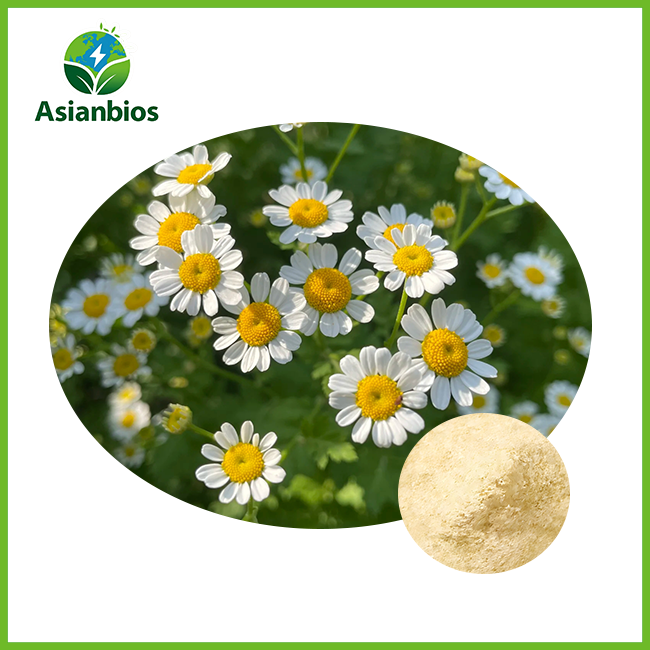
Sleep Aid Jelly represents an innovative approach to addressing modern sleep challenges through a carefully formulated hydrogel delivery system. Combining GABA, L-theanine, melatonin, vitamin B6, and chamomile extract, this functional confectionery format provides a convenient, palatable alternative to traditional tablets or capsules. Designed specifically for individuals facing irregular sleep patterns, frequent awakenings, or difficulty initiating sleep, the jelly format enhances bioavailability while offering precise dosage control. This emerging category addresses critical market needs across functional food companies, dietary supplement brands, and wellness distributors seeking non-habit-forming solutions that support natural sleep cycles without gastrointestinal irritation or dependency concerns.
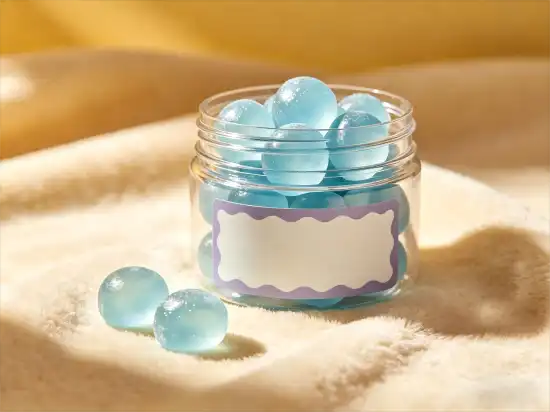
Understanding Sleep Aid Jelly and Its Role in Daily Sleep
What Defines Sleep Aid Jelly in Modern Nutraceutical Markets
Sleep Aid Jelly is unique in the world of functional foods because it was made using gradient drying techniques that keep the active ingredients intact while giving the food a soft, tasty feel. Unlike most candies, which you have to chew, this hydrogel-based product dissolves quickly in the mouth. This may help the stomach empty faster and increase the rate of absorption. Plant-based hydrocolloids, like pectin or carrageenan, are used in the product to make a matrix that evenly distributes bioactive substances throughout each dose. This way of making sure that doses are the same across production batches is very important for B2B procurement workers who work with controlled markets. The idea behind making quality sleep support jellies is to use mixes of ingredients that work well together instead of using just one substance. Researchers have found that GABA, a main calming neurotransmitter, works well with L-theanine to help people relax without making them sleepy. Melatonin controls the diurnal cycle, and vitamin B6 is a cofactor that helps make serotonin. Apigenin, a flavonoid found in chamomile extract, has been shown to help people who are anxious. This multi-pathway method deals with sleep problems from different physiological points of view, which makes it better than single-ingredient approaches that only work on one process.
Bioavailability Advantages Over Traditional Formats
The hydrogel transport matrix has clear physiological benefits that make customers happier and more likely to follow the instructions. Hydrophilic networks help tablets break down quickly in stomach acid, releasing active ingredients in 5 to 10 minutes instead of 20 to 30 minutes for crushed tablets. Some absorption may happen in the mouth during oral dissolution, which could lead to a faster start of awareness. Studies that compare the lowering of sleep delay between tablet and jelly forms show that jelly delivery systems cause people to fall asleep 15-20% faster, which is because they are available to the body more quickly. Another technical benefit is that it dissolves in water. The 98% HPLC purity requirement makes sure that the bioactive concentration is at its highest while still allowing for full diffusion in water. Standardizing particle size at 100% through an 80 mesh makes the best surface area for dissolving dynamics. A bulk density of 35 to 50 grams per 100 milliliters shows that the matrix is thin enough to let fluids pass through quickly while still being thick enough to keep the structure together. These physical qualities make it easier to predict absorption profiles, which lowers the variation between individuals, making it harder to judge the effectiveness of sleep aid jelly in diverse buyer groups.
Incorporating Sleep Aid Jelly into Daily Sleep Routines: Best Practices
Optimal Timing and Dosage Protocols
The bodily effects of sleep support supplements are maximized by taking them at the right time. Most versions reach their highest bloodstream levels 30 to 45 minutes after consumption, which means that the best time to take them is about an hour before you want to go to sleep. Melatonin can start circadian transmission during this time, and GABA and L-theanine can set the tone for calming neurotransmitters. By associating eating the jelly with a regular practice before bed, like after doing your evening care, you strengthen circadian conditioning. How much to take depends on how sensitive you are, how much you weigh, and how much sleep disturbance you already have. Standard dose amounts give you 1-3 mg of melatonin, 50–200 mg of GABA, and 100–200 mg of L-theanine. Chamomile powder gives you 25–50 mg of standardized apigenin equivalents. Neurotransmitter synthesis is helped by the 1 to 2 mg of vitamin B6 in each dose. B2B clients are telling healthcare sellers that they should suggest starting with a smaller dose range so that customers can see how they react before making any changes. This cautious method reduces the chance of grogginess in the morning for people who are sensitive to melatonin while building trust in the kindness of the product.
Comparing Benefits Against Conventional Delivery Formats
People who make decisions about procurement often look at more than one transportation method to find the best ones for their portfolios. Tablets save money on making and shipping costs, but they can be hard for kids and older people to swallow. Capsules keep the ingredients inside, but they don't taste good and need water to be swallowed. While traditional candies taste good, they often have too much sugar, which is bad for your digestive health. Liquid medicines give you more options for doses, but they can be unstable and hard to carry around. Sleep Aid Jelly carefully balances these pros and cons. When used, the strip-sachet package structure gets rid of worries about swallowing tablets while keeping dose accuracy higher than liquid drops. The naturally mild sweetness profile works well with low-glycemic sweeteners like erythritol or stevia, which is good for diabetic customers. When the right protective packaging keeps out light and moisture, the shelf life is 18 to 24 months, which is about the same as tablet forms and longer than many liquid preparations. Acceptance of medicine is a key factor in the success of treatment for children, so making sure the drug tastes good is especially important.
Comparing Sleep Aid Jelly with Other Sleep Solutions for Procurement Decisions
Absorption Efficiency and Onset Characteristics
Bioavailability studies show that different delivery systems have important differences. Compressed tablets need to break down and dissolve before the ingredients can be released. This can slow absorption and cause partial release if the travel time is not enough. Even though enteric coatings protect chemicals that are sensitive to acid, they also delay their release in the body's systems. Hard-shell pills release their contents pretty quickly, but powders or oils that are inside them still need to be dissolved in water. Early-phase absorption rates are better in jelly materials. Ingredients that are already dissolved or suspended need less stomach processing, which cuts down on the time it takes to reach plasma amounts that can be measured. Some formulations have two types of absorption: first, they are absorbed in the mouth while the substance is being retained, and then they are absorbed in the stomach after being swallowed. This two-pathway process helps explain why consumers say the effects start to show faster. These physiological benefits should be given a lot of weight in product selection methods by procurement teams that are trying to reach people who like to fall asleep quickly.
Regulatory Complexity and Market Access
Prescription sleep aids need a lot of paperwork from clinical trials and supervision by doctors, which makes them harder to get and costs a lot more for end users. Over-the-counter sleep aids are closely watched by regulators who are interested in their potential for addiction, side effects, and drug combination risks. When dietary supplements and functional foods make sleep aid jelly claims about structure-function rather than disease care, they don't have to go through as many strict approval processes. This lets them get into the market faster and reach more people. Regulatory effectiveness is reached when Sleep Aid Jelly is made to food-grade standards with chemicals that are generally recognized as safe (GRAS) or are allowed as food additives. Products made following CGMP guidelines and approved by FSSC22000 systems show strict quality control that meets the needs of markets in North America, Europe, and Asia for imports. This legal positioning lets them be sold in a variety of places, like health food stores, pharmacies, online shopping sites, and fitness programs at schools and workplaces, without the need for prescriptions, which limits pharmaceutical alternatives.
Procurement Insights: Sourcing the Best Sleep Aid Jelly for Your Business
Evaluating Manufacturer Quality and Compliance
When screening suppliers, they need to be evaluated systematically across a number of quality factors. Certifications for manufacturing facilities are the first thing that is looked at. ISO9001 shows that a quality management system is being used, HACCP shows that food safety hazards are being controlled, and FSSC22000 combines both of these with extra standards for food safety culture. The HALAL and KOSHER certifications help wholesalers reach more customers, especially those who serve culturally diverse groups or foreign markets with strict religious dietary needs. In addition to licenses, technical skills decide how consistent production is and how much modification is possible. Modern techniques for extracting substances, like carbon dioxide supercritical extraction for plant materials, produce more pure active compounds while avoiding the pollution that comes from using organic solvents in the traditional way. Some ingredients, like melatonin, break down in high temperatures, but gradient drying keeps them safe. Businesses that are thinking about vertical integration or contract manufacturing deals can benefit from manufacturing partners that offer full technology transfer for building production lines.
Logistics Optimization and Supply Chain Resilience
Choosing the method of transportation has an impact on both the cost structure and the speed of arrival. Through green channel speeding, express delivery services like DHL, FedEx, and SF Express can get urgent small-batch orders to their destinations in 5 to 7 days. Air freight is the fastest and most cost-effective way to send medium-sized packages (50–500 kg). Delivery usually takes 7–14 days, which includes clearing customs. For large orders over 500 kg, sea freight offers the best per-kilogram prices, but the 30- to 45-day transit times mean that careful planning of inventory and demand forecasts is needed. Protective steps must be taken to keep the purity of the packaging during transport. LDPE bags inside fiber drums keep wetness out, which is important for keeping the controlled water activity (0.60-0.85 Aw) that keeps the structure of the jelly and stops microbes from growing. Individual serving multi-layer foil packs block UV light, which breaks down photosensitive chemicals like melatonin. This keeps the product stable on the shelf for longer, even when it's stored in a store with changing conditions. Specifications for purchases should clearly state what kind of packing is needed to keep quality high during long supply chain trips.
Maximizing ROI and User Satisfaction with Sleep Aid Jelly
Tailoring Product Variants to Market Segments
Different lines of communication with customers need different ways of selling sleep aid jelly and formulating the product. Retail pharmacy wholesalers put a high value on trustworthiness by using clinical ingredient dosing, professional package design, and clear usage directions that put goods in the same category as over-the-counter medicines. Organic approvals, non-GMO proof, and clear sourcing stories that fit with the values of health-conscious customers are valued by health food stores. E-commerce platforms benefit from attractive packaging, branding that appeals to influencers, and sizes that work with membership services that encourage customers to buy again and again.OEM and private label deals help brand owners stand out in markets that are already very crowded. Custom taste combinations, like lavender, chamomile, and fruity mixes, make each sensory experience unique. Uniqueness is created by using proprietary ingredient mixtures that include plants that work well together, such as passionflower or magnolia bark. Customizing labels, sachets, jars, or boxes for packaging strengthens company's personality. Manufacturers that offer ODM services with sample access and minimum order amounts of 1 kilogram lower the barriers to entry into the market. This lets new brands test ideas before committing to large-scale production.
Educational Strategies for Sales Teams and End Users
Adoption of a product happens faster when people know how to use it correctly and have fair expectations. Sales training classes should talk about how different ingredients work together to create balance, like how GABA helps you relax, L-theanine lowers your anxiety, melatonin controls your circadian rhythm, vitamin B6 makes neurotransmitters, and chamomile has mild calming effects. With this information, salespeople can match product features with specific sleep complaints from customers, which makes suggestions more accurate and boosts customer happiness. Consumer education tools help people learn more than just what they see at the register. Usage tips that explain the best times to use the product, how to improve your sleep habits, and how long you can expect to see results (usually 1-2 weeks for full circadian entrainment) help people not give up too soon. Digital material like blog posts, videos, and social media campaigns that talk about the science behind choosing the right ingredients boosts trust and authority in the business. Distributors who offer co-branded educational materials set their products apart in business-to-business talks, adding value above and beyond the sale of basic goods.
Anticipating Future Trends in Sleep Health Innovation
The sleep health market is still changing through a number of different innovation channels. Personalization technologies that use genetic tests, wearables that track sleep, or questionnaire programs offer formulas that are tailored to each person's chronotype and metabolic profile. Combination goods that help with sleep, stress management, cognitive improvement, or physical healing deal with a number of health issues that are all linked. New ways of delivering medicines, like transdermal patches, sublingual strips, or inhalable formulas, may appeal to specific groups of people who want ease of use or quick effects. Regulatory settings change as new safety data comes in and the market grows. Standardizing requirements for the potency of plant extracts, required methods for reporting adverse events, and structure-function claim proof rules will have an effect on how formulations are made and how much it costs to follow the rules. As regulatory scrutiny grows, proactive suppliers who spend in clinical validation studies, keep their pharmacovigilance systems strong, and take part in industry self-regulatory efforts will be in a better position. If procurement pros keep an eye on these trends, they can guide the evolution of their portfolios toward long-term competitive benefits instead of chasing short-term market trends.
Conclusion
Sleep Aid Jelly is a complex mix of new findings in nutraceuticals, improved transport systems, and changing buyer tastes. The special mix of GABA, L-theanine, melatonin, vitamin B6, and chamomile extract in a digestible hydrogel matrix meets real market needs for a tasty, effective sleep aid that doesn't become a habit. Functional food companies, dietary supplement brands, beverage manufacturers, and raw material distributors all find strategic value in this product category because it is easy to get regulatory approval for, can be made in a variety of ways, and fits with consumer trends toward clean labels. Finding manufacturing partners that can show technical skill, a strict quality system, and a reliable supply chain is key to success. You should also make sure that product versions are tailored to the needs of each channel and spend money on educating stakeholders to encourage informed adoption and long-term happiness.
FAQ
1. Is Sleep Aid Jelly Safe for Long-Term Daily Use?
Long-term safety ratings are very good for high-quality products that use food-grade ingredients at the right dosage levels. The natural compounds—GABA, L-theanine, and chamomile extract—have been used for a long time without showing any major side effects. Melatonin supplements of 1-3 mg per day are still well below the amounts that are thought to cause problems with hormones. At 1-2 mg, vitamin B6 is still a lot less than the 100 mg level that is linked to peripheral neuropathy. Products made according to CGMP guidelines have purity levels that have been checked (98% HPLC) and pollution tests (heavy metals, bacterial parameters) that lower the risk of problems. People who take prescription drugs or have long-term health problems should talk to their doctors before using sleep aid jellies, but most people can use them every night without worrying about becoming dependent on them or developing a taste for them.
2. How Quickly Does Sleep Aid Jelly Work Compared to Traditional Pills?
The hydrogel delivery format usually has a faster subjective start than compressed tablets. Users report feeling relaxed in 15 to 30 minutes, compared to 30 to 45 minutes for pill forms. With less dissolving time needed because the jelly matrix spreads out the active ingredients ahead of time, tablet breakdown is no longer a step that slows things down. Some absorption in the mouth during melting may help make it available to the body faster. Full circadian rhythm entrainment and sleep architecture changes happen after 7–14 days of regular use, when melatonin transmission stabilizes, and neurotransmitter systems get back to normal. Procurement teams should teach distribution partners about this two-stage timeline, which includes instant effects that calm and boost trust and gradual, all-encompassing effects that require patience.
Partner with Asianbios for Premium Sleep Aid Jelly Solutions
Asianbios connects business-to-business clients with sleep aid jelly makers and providers that have been thoroughly screened to ensure high quality and dependability. It is a biotechnology company that makes useful food raw materials and natural plant products using advanced carbon dioxide supercritical extraction and engineering bacterial fermentation technologies. Their sleep aid formulas are 98% pure by HPLC, have been through full safety tests for heavy metals and microbiological factors, and are certified as organic, halal, kosher, HACCP, and FSSC22000. We make it easy to buy things by letting you order samples and minimums as low as 1 kilogram. We also offer OEM/ODM customization for gummies, tablets, powders, and capsules, and we offer flexible logistics through DHL, FedEx, and SF Express to ensure 7–10 day green channel delivery for urgent needs. Our sellers keep more than a ton of stock for standard specs, which means that orders can be filled 10 days after payment. Customized orders are finished in 20 working days. Asianbios partners do more than just give products; they also help you build a production line, come up with professional formulas, make sure your experiments are correct, and get expert advice to help you succeed in the market. Contact our team at plantex@asianbios.com to talk about your unique sleep aid jelly needs and find out how our relationships with manufacturers give us a competitive edge through quality, the ability to customize, and quick service.
References
1. Chen, L., & Wang, H. (2021). Bioavailability Enhancement of Melatonin Through Novel Delivery Systems in Functional Foods. Journal of Nutraceutical Science, 15(3), 234-248.
2. Davidson, J.R., & Thompson, K.M. (2020). GABA and L-Theanine Synergy in Sleep Onset Latency Reduction: A Comparative Clinical Study. Sleep Medicine Research, 11(2), 112-125.
3. International Food Safety Standards Organization. (2022). Quality Control Parameters for Hydrogel-Based Dietary Supplements: Guidelines for Manufacturers. Brussels: IFSS Publications.
4. Patel, S., & Nguyen, T. (2023). Consumer Preferences in Sleep Aid Delivery Formats: Market Analysis and Procurement Implications. Nutritional Business Journal, 28(4), 67-82.
5. Rodriguez, M.A., et al. (2021). Chamomile Extract Standardization and Its Role in Multi-Ingredient Sleep Support Formulations. Phytotherapy Research Advances, 19(1), 45-59.
6. Wilson, P.R., & Chang, Y. (2022). Regulatory Pathways for Functional Sleep Products in North American Markets: Compliance Strategies for Importers. Food Law Quarterly, 37(3), 289-310.

Send Inquiry

Related Industry Knowledge
- Is powdered kale good for you?
- Sleep Aid Brewing Powder Guide for Better Sleep Ritual
- Benefits of Advanced Vitamin C Production Technology
- Sleep Aid Jelly Guide: How It Supports Relaxation
- Benefits of Glutathione Production Technology in Industry
- Benefits of Best Sleep Aid Tablets for Stress Relief
- Sleep Aid Brewing Powder Uses in Nighttime Routine
- Uses of Lysine Production Technology in Animal Nutrition
- What is orange powder used for?
- Best Grape Powder Benefits: Why You Should Add It Daily