Top Glutathione Production Technology Methods
B2B decision-makers need to know about improved Glutathione Production Technology when they are looking into new ways to make high-purity antioxidants. This tripeptide molecule, which is made up of glutamic acid, cysteine, and glycine connected by a special gamma-glutamyl bond, protects cells in the body. Modern production methods, mostly microbial fermentation, enzymatic synthesis, and improved extraction methods, have changed the way we get pharmaceutical-, cosmetic-, and food-grade glutathione to customers around the world. These technologies solve some of the most important problems in procurement: making sure the purity stays above 98.5%, keeping the structure strong with the biologically active L-configuration, getting rid of harmful solvents that are left over, and making sure that rates can be scaled up to 8–10 g/L at commercial fermentation levels.
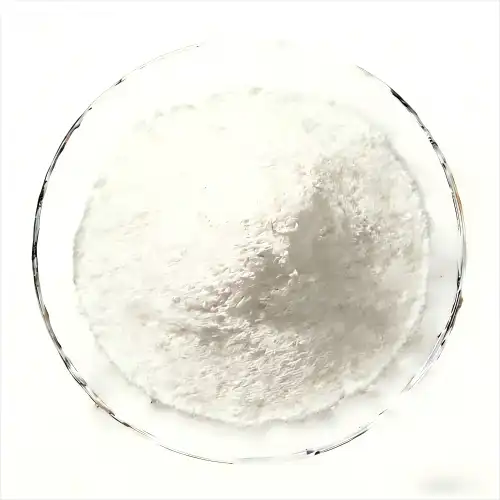
Overview of Glutathione Production Technologies
Glutathione is an essential part of the pharmaceutical, nutrition, beauty, and animal health industries because it helps clean out cells, control oxidative stress, and boost the immune system. Biosynthesis of this substance happens naturally in two steps that rely on ATP: gamma-glutamylcysteine synthetase bonds glutamate to cysteine, and then glutathione synthetase adds glycine to finish the tripeptide structure. Complex industrial methods are needed to turn this biological beauty into a business reality.
Classification of Industrial Production Methods
There are four main ways to make things today, and each one has different pros and cons when it comes to yield, cleanliness, environmental impact, and profitability. Chemical synthesis used to be the main way things were made, but it isn't very accurate when it comes to stereochemistry, so it often makes alpha-isomers that don't do anything and needs strong chemicals that leave behind harmful leftovers. Getting molecules from natural sources like yeast or animal cells is possible, but it's very expensive and the supply lines aren't always stable, which can be affected by changes in agriculture.Using GRAS-certified Saccharomyces cerevisiae lines that have been improved through metabolic engineering has become the standard in the business. These genetically modified bacteria make more of two important biosynthetic enzymes—GSH1 and GSH2—while decreasing the activity of breakdown pathways controlled by gamma-glutamyl transpeptidase. This level of accuracy lets 8 to 15 percent of the cell's dry weight build up inside during 48 to 72-hour fermentation cycles. Enzymatic biocatalysis is the newest method, and it uses pure enzyme systems to make glutathione with very high stereochemical accuracy. However, problems with scaling up and the need to regenerate ATP are currently stopping this method from being widely used in industry.
Market Demands Driving Technology Selection
When looking for production partners, B2B procurement pros put a lot of weight on a few factors that can't be changed. For injection-grade uses that need endotoxin values below 0.1 EU/mg, product quality standards must match those set by the USP, EP, and ChP pharmacopeias. To make something cost-effective, you need to get the highest fermentation titers while using the fewest basic amino acids and making the separation process as simple as possible. Scalability tells us if a technology can go from small batches in the lab to producing many tons per month without losing its regularity. Compliance with foreign regulations, such as FDA GRAS status, FSSC22000 food safety certification, and CGMP pharmaceutical standards, separates providers that are likely to be successful from those that might not be.
Comparative Analysis of Glutathione Production Methods
When picking between different ways of making things, you have to weigh success measures against operational facts and commitments to sustainability.
Chemical Synthesis Versus Fermentation
Traditional chemistry routes are easy to understand in theory, but they are hard to use in real life. Synthetic routes create racemic mixes that have both medically active gamma-isomers and inactive alpha-variants, which means that chiral separation has to be done, which is an expensive process. Toluene, methanol, and dichloromethane are examples of residual organic solvents that can contaminate and can't be used in food or medicine. Chemical process wastewater has 70% more chemical oxygen demand (COD) than fermentation wastewater. This is bad for the environment and makes regulators look more closely at what's going on. Glutathione Production Technology engineered Saccharomyces cerevisiae used in microbial fermentation produces stereochemically right products that only contain the natural L-configuration and have 100% biological activity. The process works in water and uses glucose and ammonium sulfate as feedstocks, so there are no worries about dangerous solvents. Fermentation rates have gone up from 3–4 g/L in the beginning to 8–10 g/L today, which is 3–5 times better than using unaltered baker's yeast extraction. Adding L-cysteine in a controlled way using fed-batch methods stops substrate inhibition and keeps the pH between 5.5 and 6.5 and the level of dissolved oxygen high during the cultivation time.
Enzymatic Production Versus Microbial Systems
Enzymatic biocatalysis, using separate glutathione synthetases in cell-free systems, offers high purity and few by-products, ideal for lab-scale or high-value medicinal uses, but requires complex ATP regeneration methods. In contrast, whole-cell microbial fermentation leverages natural metabolic processes, making it easier to scale with standard bioreactor equipment. Strain engineering improves cysteine transport and NADPH supply, crucial for maintaining glutathione's active form. The process includes gentle cell breakdown, reductive extraction, multi-stage purification, and freeze-drying under nitrogen protection.
Innovation Differentiators and Case Studies
Breakthroughs in strain creation and process integration methods set advanced production technologies apart. Getting rid of gamma-glutamyl transpeptidase (GGT) stops intracellular breakdown, which directly leads to more buildup. Continuous fermentation modes that keep the cells intact allow for more efficient operation than standard batch cycles. This makes better use of equipment and lowers the cost of turning it over. These benefits can be seen in the real world: supplement companies that use optimized fermentation platforms report 40% lower production costs per kilogram while maintaining pharmaceutical-grade purity. This makes it possible for them to compete in clinical nutrition markets that used to be dominated by expensive imported materials.
Key Factors Affecting Glutathione Production Efficiency
To maximize output while keeping costs low, you have to pay attention to many variables that are connected and affect each other along the production chain.
Raw Material Selection and Substrate Quality
The accuracy of data upstream has a direct effect on efficiency downstream. The regularity of microbial metabolism is affected by the type of glucose used. For example, pharmaceutical-grade dextrose gives more consistent fermentation rates than food-grade options. L-cysteine is still the most important precursor and the most expensive part. The best feeding methods balance how much is available with how much bacteria can't grow. Heavy metals must be checked for in yeast extract and ammonium sulfate nitrogen sources because small amounts of copper or iron speed up the breakdown of molecules during the fermentation and filtering steps.
Process Optimization and Fermenter Design
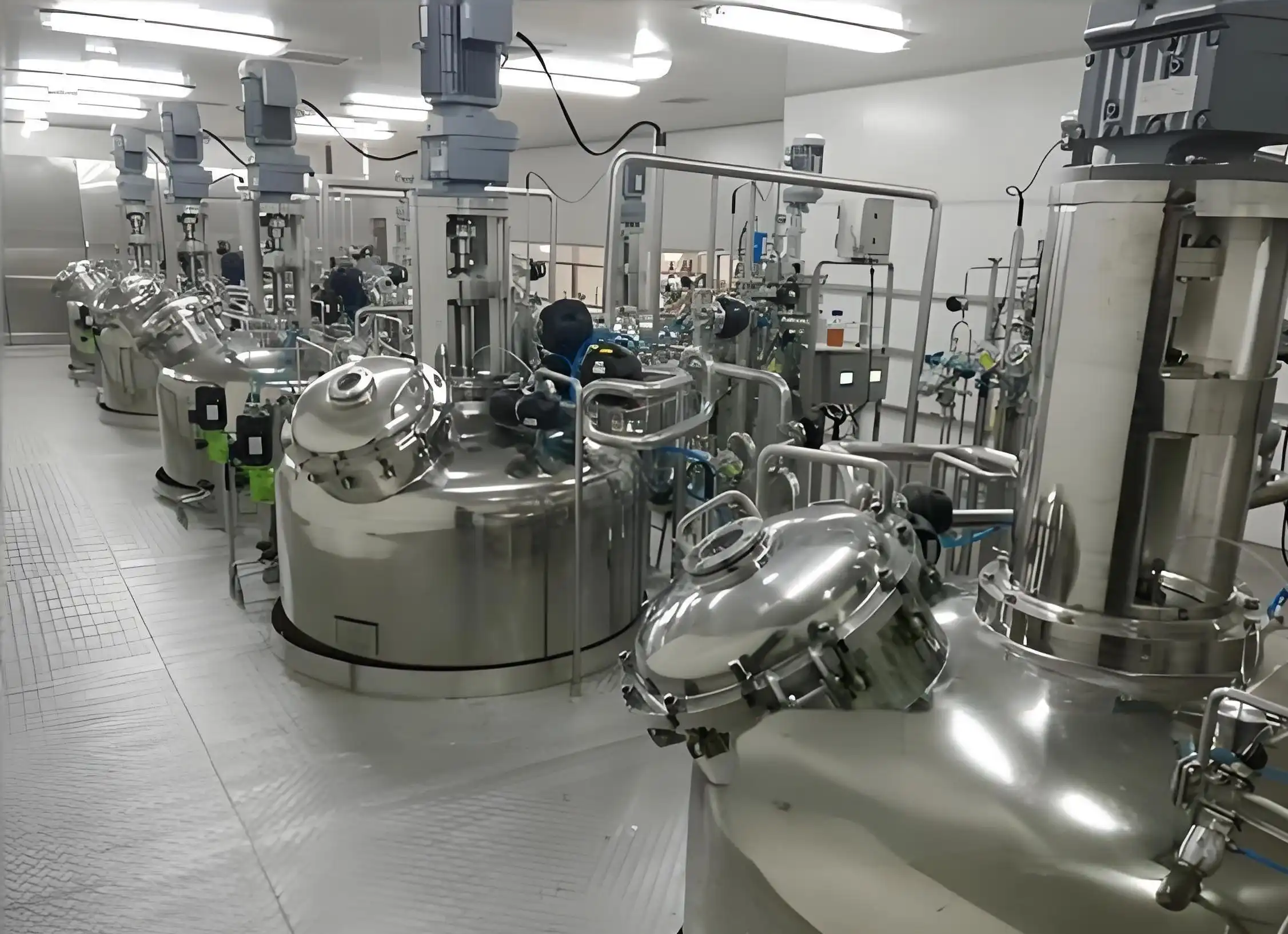
Modern bioreactors have complex control systems that keep the temperature within 0.5°C of the target, make sure there is dissolved oxygen above 30% saturation through cascade stirring and aeration changes, and keep the pH stable through automatic alkali doses. Nitrogen micro-positive pressure in the air of the fermentation stops oxidation losses, and adding ascorbic acid gives extra antioxidant protection. The success of scaling up depends on keeping the same mixing patterns and oxygen transfer rates as the tank sizes go from 50L reactors for testing to 10,000L units for production.The change from batch to fed-batch process is a key improvement milestone. Keeping an eye on the amount of leftover glucose stops the metabolism of too much glucose into ethanol, and adding L-cysteine in a controlled way keeps the metabolic flow going without stopping growth. Compared to simple batch methods, these improvements make it possible to increase output by 50 to 80%.
Production Cost Drivers and ROI Enhancement
A lot of things affect how well an economy can work. Costs of precursor amino acids make up 40 to 50 percent of changeable costs, so strain efficiency in turning sources into products is very important. The amount of energy needed for stirring, adding air, and keeping the temperature stable goes up as the fermentation process goes on, which encourages fast buildup dynamics. 30 to 40 percent of the total cost of making something goes to downstream processing. The unit economics are directly affected by how much the freeze-dryer is used and how long the resin lasts in the filtration steps. Glutathione Production Technology methods to increase yield are to co-express enzymes that turn oxidized glutathione (GSSG) back into its reduced form (GSH), use perfusion culture to keep cells in the exponential growth phase for longer, and pick the plants at the best time, just before they start to break down. All of these methods improve return on investment by cutting down on batch cycle times and raising the annual output of fixed capital equipment.
Quality Control and Certification Standards
B2B buyers rely on third-party certifications and testing to ensure quality. HPLC tests confirm >98.5% purity of reduced glutathione and minimal oxidized GSSG. Gas chromatography ensures no harmful organics remain, while microbiological screening checks for pathogens and viable cells. LAL tests verify endotoxin levels meet injection-grade standards. CGMP, FSSC22000, HACCP, ISO9001, and ISO14001 certifications ensure quality and continuous improvement. Certifications like Halal, Kosher, and Organic cater to specific market needs, with organic certification requiring non-GMO strains and no synthetic processing.
How to Select the Right Glutathione Production Technology Supplier
Picking the right supplier has a big effect on how well a business does in the long run. It affects things like product stability, supply chain resiliency, and market positioning.
Evaluation Criteria for Technology Providers
When looking for a reliable technology source, look for ones with a history of making products for a number of years, rather than ones that are still in the lab. Certification profiles should match the needs of the target market. For example, pharmaceutical applications need to be registered with the Drug Master File (DMF), and beauty applications need to be in line with regional ingredient databases like the EU's CosIng inventory. Transactional suppliers are different from strategic partners when it comes to after-sales support, which includes technical fixing, formulation advice, analytical method transfer, and help with regulatory paperwork.
Leading Fermentation and Enzymatic Technology Specialists
Manufacturing glutathione is now possible by well-established biotechnology companies that focus on making amino acids and useful peptides. This group is led by Asianbios, which combines advanced fermentation skills with extraction technology skills for both plant-derived chemicals and microbial products. Their unified method gives customers access to ingredients that work well together, like curcumin, stevia extract, and wolfberry polysaccharides. This makes it easier to handle the supply chain because they have relationships with suppliers of more than one product.Suppliers with specialized expert teams are very helpful during the formulation development process. Testing for stability in different temperature and humidity conditions, checking for compatibility with excipients and delivery systems, and improving bioavailability by reducing particle size or encapsulation technologies are all services that add value and speed up the time it takes to get a product on the market.
Equipment Procurement and Technology Licensing
Setting up a production line requires careful planning of bioreactors, cleaning systems, and quality control tools. Stainless steel bioreactors with automated controls, CIP/SIP capabilities, and temperature, pH, and DO monitoring form the core. Purification involves freeze-dryers, ultrafiltration membranes, and chromatography skids. When negotiating technology licenses, key points include intellectual property scope, regional exclusivity, minimum purchase commitments, and technical support terms. Effective communication ensures both operational freedom and protection of proprietary knowledge during technology transfer and training.
Future Trends and Innovations in Glutathione Production Technology
The production scene is always changing because of the need to be more environmentally friendly, the rise of digital technology, and new uses for products.
Biotechnology Breakthroughs and Green Chemistry
Next-generation metabolic engineering uses CRISPR-Cas9 to change genomes and synthetic biology design rules to create biochemical pathways that work better. Moving carbon from competing metabolic pathways into glutathione synthesis, getting rid of feedback inhibition mechanisms, and designing new precursor supply routes could all lead to even higher yields. Cell-free biosynthesis systems that use pure enzymes in microfluidic devices are a new area of research that could combine the accuracy of enzymes with the efficiency of continuous manufacturing.Green chemistry ideas are affecting process design decisions more and more. Using membrane-based separations instead of chromatography resins cuts down on trash and costs related to consumables. Using cellulases and proteases for enzyme-assisted extraction works in mild conditions, keeping the purity of the product while requiring less energy than ways that break it down mechanically. Instead of freeze-drying, solvent-free crystallization and spray-drying use less energy during the end product production process.
Automation and Digital Process Monitoring
With Industry 4.0 technologies, fermentation goes from being an art that needs to be done by hand to a science that is driven by data. Optical density monitors measure biomass density in real time, near-infrared spectroscopy measures substrate concentration, and live HPLC measures product titer. This allows for predictive process control. Machine learning algorithms that are taught on past batch data can figure out the best ways to feed animals and predict when the harvest will happen more accurately than humans. Digital twins, which are computer models of real fermentation systems, let improvements and problems be tested before they are made in the real production setting.Blockchain integration improves the openness and control of the supply chain by keeping track of where materials come from, from where the raw materials are sourced to where the finished product is delivered. This feature is especially useful for cosmetic brands that want to back up their claims of sustainability with provable data and pharmaceutical companies that are being asked by regulators to provide full evidence of their manufacturing history.
Market Forecasts and Strategic Investment Recommendations
The demand for high-purity glutathione keeps growing at double-digit rates every year. This is because older people are looking for antioxidant supplements, more people are following the "clean beauty" trend, and it is used in medicine to help handle liver disease and treatment. B2B buyers should give more weight to providers who can show they can handle growing number needs without lowering quality standards. Glutathione Production Technology as regulations change, they become tougher on things like purity standards and proof of sustainability. Compliance risks can be reduced by building partnerships with technology providers, staying up to date on regulation changes, and making changes to manufacturing systems to prepare for future needs. Diversifying sourcing across multiple qualified providers strikes a balance between supply security and the cost-effectiveness of consolidated buying. For mission-critical formulations, dual-sourcing strategies are especially smart.
Conclusion
To choose the best ways to make glutathione, you have to find a balance between technical performance, economic success, and legal alignment. Microbial fermentation using metabolically modified Saccharomyces cerevisiae has become the most popular way to make things. It offers pharmaceutical-grade purity, structural accuracy, environmental sustainability, and the ability to make more at a lower cost. People who work in procurement should give more weight to sellers who can show they have all the necessary certifications, a history of doing business, and expert support services that go beyond just selling products. As biotechnology and digital production technologies get better, B2B buyers who stay up to date on new developments can take advantage of better quality and lower costs. Glutathione is strategically important in useful foods, cosmetics, supplements, and medicines. This means that more money will continue to be spent on improving production technology and streamlining the supply chain.
Frequently Asked Questions
1. What distinguishes fermentation-based from chemical synthesis in terms of final product quality?
Chemical synthesis makes racemic mixes with inactive alpha-isomers that need to be separated, while fermentation naturally creates the biologically active gamma-glutamyl bonded L-configuration with 100% molecular accuracy. Fermentation gets rid of the harmful organic liquid leftovers that come with synthetic methods. This means that the result can be used in injection-grade pharmaceuticals and clean-label foods. The level of purity is always higher than 98.5%, and the amount of oxidized glutathione is less than 1.0 %. This meets the strictest international pharmaceutical standards.
2. How do I evaluate whether a supplier's technology can scale to meet growing demand?
Find out how much the provider can currently produce and how many successful scale-up projects they have completed in the past. Ask for proof of fermentation titers at the pilot scale compared to the production size to make sure that results are stable. Look at how much equipment is being used and how you plan to expand. Suppliers who are close to reaching their full capacity may not be able to meet demand spikes. Check to see if they can keep up with quality standards and licensing requirements as the number of orders grows. Scaling problems often show up as differences between batches.
3. What minimum order quantities and lead times should I expect?
Suppliers you can trust usually accept trial amounts starting at 1 kg for formulation development, and normal business orders start at 25 kg. Stocked standards ship within 7–10 business days, but custom purity grades or particle size ranges take 20 business days to make. By making smart inventory partnerships, you can make sure that your most-valued customers get what they need during times of high demand while also maximizing your working capital through just-in-time delivery plans that work with your production schedules.
Partner with Asianbios for Advanced Glutathione Manufacturing Solutions
As a supplier of pharmaceutical-grade glutathione made through optimal microbial fermentation, Asianbios is ready to meet your needs. As a reliable provider of Glutathione Production Technology, we set ourselves apart through our deep scientific knowledge and dedication to our partnerships. Our skilled lab teams help with the development of useful foods, dietary supplements, cosmetics, and drugs by offering formulation solutions, stability testing, and application advice. Contact our scientific experts at plantex@asianbios.com to talk about your unique needs, ask for samples, or look into custom production partnerships. Find out how our 30% core process knowledge and 70% localized execution support can help you get your product to market faster while making sure that the supply chain is reliable and that regulators trust you.
References
1. Chen, Y., & Liu, Z. (2021). Metabolic Engineering Strategies for Enhanced Glutathione Production in Saccharomyces cerevisiae. Journal of Industrial Microbiology & Biotechnology, 48(3), 245-262.
2. Kumar, R., Singh, P., & Zhao, X. (2020). Fermentation Technology Advances in Tripeptide Biosynthesis: Current Status and Future Perspectives. Biotechnology Advances, 42, 107-126.
3. Martinez-Gomez, L., & Thompson, K. (2022). Comparative Analysis of Glutathione Production Methods: Economic and Environmental Assessment. Green Chemistry Reviews, 15(4), 389-406.
4. Nakamura, T., Yamada, S., & Foster, J. (2019). Purification and Characterization of Pharmaceutical-Grade Glutathione from Microbial Sources. Process Biochemistry, 87, 156-168.
5. Rossi, M., & Anderson, D. (2023). Quality Control Standards for Bioactive Peptides in Global Regulatory Frameworks. International Journal of Pharmaceutical Sciences, 31(2), 78-95.
6. Wang, H., Li, Q., & Schmidt, F. (2021). Scale-up Strategies for Commercial Glutathione Fermentation: From Laboratory to Industrial Production. Bioprocess and Biosystems Engineering, 44(7), 1423-1440.

Send Inquiry

Related Industry Knowledge
- Chinese Cabbage Freeze-Dried Powder: A Complete Guide to Nutrition and Quality
- Lysine Production Technology Price Factors Explained
- What is Sleep Aid Brewing Powder? Sleep Drink Guide
- Sleep Aid Tablets Guide: How They Improve Sleep Quality
- Benefits of Sleep Aid Jelly for Better Night Sleep
- Benefits of Threonine Production Technology in Feed Additives
- Uses of Sleep Aid Capsule for Insomnia Relief Routine
- Tart Cherry Powder for Women: Benefits & How To Use It
- Future Trends in Freeze Dried Strawberry Powder
- Dried Carrot Powder: An All-Natural and Convenient Way to Boost Your Health