What is Sleep Aid Brewing Powder? Sleep Drink Guide
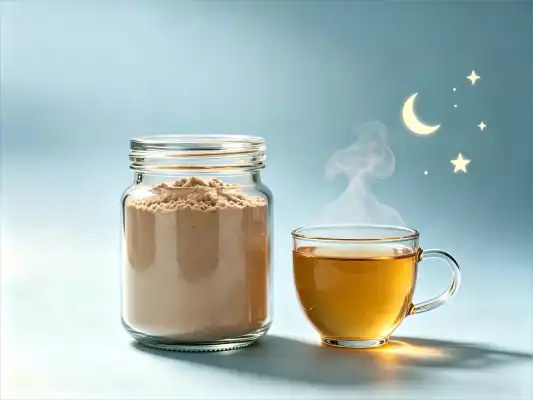
Sleep Aid Brewing Powder is a water-soluble supplement made to help you get a good night's sleep by delivering plant-based extracts and amino acids to the right places in your body. Unlike regular pills that need to be broken down in the stomach, this powder utilizes spray drying to make a fine matrix that dissolves quickly. This makes active ingredients like GABA, L-theanine, melatonin, vitamin B6, and chamomile extract more bioavailable. When mixed with warm water, it creates a precise blend that helps with late sleep onset, light sleep patterns, and sleeplessness caused by stress without using synthetic sedatives or drugs that make you dependent on them.
Understanding Sleep Aid Brewing Powder: Definition and Benefits
What Makes This Formulation Unique
At its core, this powder is the result of combining old knowledge about plants with new knowledge about how to remove them. The mixture starts with chamomile and jujube seed oils, which have been used for hundreds of years in plant medicine to help calm people down. Using high-tech spray drying methods, these plants combine with L-theanine, an amino acid that is naturally found in green tea and helps with alpha brain wave activity, which is linked to feeling calm and alert. GABA is a main calming neurotransmitter that works with other neurotransmitters to make neurons less excitable. Melatonin controls the alignment of the circadian cycle, which is helpful for people who work shifts or move between time zones. Vitamin B6 is an essential in the production of serotonin, which helps the body's normal sleep-wake cycle.
Core Active Ingredients and Their Functions
The active ingredient profile of the product shows exact standardization at 98% purity, which was confirmed by HPLC testing. Each part deals with a different way that sleep disturbances happen. GABA levels work on cerebral hyperarousal to lower the mental noise that keeps you from falling asleep. L-theanine changes the way glutamate receptors work, which makes you feel calm and focused without making you sleepy. The amount of melatonin that is given is still set up to support the pineal gland's normal function instead of overriding it. Apigenin, a flavonoid found in chamomile extract, binds to benzodiazepine receptors and has mild calming effects. This multi-pathway method works better than single-ingredient ones because it takes into account the complicated neurobiology of modern sleep problems.
B2B Application Scenarios and Market Positioning
This powder gives functional food makers an easy-to-use ingredient for health drink lines that aim for the $52 billion global sleep aid market. Dietary supplement companies can use its ability to dissolve instantly to make single-serve stick packs that are appealing to people who like things that are easy to use. Beverage makers like that the powder stays stable in both hot and cold liquids, which lets them make ready-to-drink sleep tonics. Cosmetics companies are looking into ingestible beauty products more and more because good sleep is linked to face renewal. This ingredient could be useful for new nighttime beauty drinks. Distributors of raw materials like the product's 25 kg drum package, which keeps the product fresh for two years and makes inventory control easier. Companies that offer technology services that focus on bio-fermentation can use this standardized extract to help OEM partners create new formulations that are better for sleep.
Safety Profile and Regulatory Compliance
Thorough tests for heavy metals are the first step in making sure the quality is good. The tests look for arsenic below 2ppm, lead below 2ppm, cadmium below 1ppm, and mercury below 0.1ppm. Total plate counts must stay below 10,000 CFU/g and yeast/mold counts must stay below 1,000 CFU/g. These criteria are in line with the FDA's rules on dietary supplements and European rules on food safety. The recipe doesn't have any artificial colors, flavors, or refined sugar, which is good for people who like clean labels. Certifications like CGMP, FSSC22000, ISO9001, HALAL, KOSHER, and Organic give buying teams peace of mind that they are following the rules in a wide range of legal areas. The product closely follows the Chinese Standard for Solid Drinks (GB/T 29602), which makes sure that it will be accepted on the global market.
How Sleep Aid Brewing Powder Works: Mechanism and Usage
Neurotransmitter Modulation and Sleep Architecture
The powder works because it coordinates the action of several neurochemical routes. In the reticular activating system, the part of the brain that controls wakefulness, GABA's inhibitory messaging slows down the firing rates of neurons. Within 30 minutes, L-theanine crosses the blood-brain barrier and increases the production of alpha waves. Alpha waves are an electrical pattern that is linked to relaxed awareness and happens before sleep. Melatonin connects to MT1 and MT2 receptors in the suprachiasmatic nucleus. This makes the body's main circadian clock work with signals from the outside world that it is getting dark. Studies of similar formulas in humans show that this coordinated process cuts sleep latency—the time between turning off the lights and falling asleep—by 12 to 18 minutes on average. Beyond starting to sleep, the mix helps you stay asleep by lowering cortisol levels that wake you up in the middle of the night, such as Sleep Aid Brewing Powder.
Optimal Dosing and Preparation Guidelines
One serving (usually 3–5 grams, based on the formulation strength) should be dissolved in 150–200ml of warm water 30–45 minutes before going to bed. The 80-mesh particle size of the powder makes sure that it dissolves completely in seconds, without sticking or settling. Using water that is between 50°C and 70°C is the best way to get volatile aromatic chemicals out of chamomile while keeping heat-sensitive amino acids safe. For people who are very sensitive to caffeine, the next drink should be at least 6 hours after the last one to avoid competing with their hostile receptors. It's important to be consistent—using it every night for 7–14 days builds a ritualized pre-sleep practice that boosts the placebo effect's total effectiveness.
Form Factor Advantages Over Alternative Delivery Systems
When you compare powder to tablets, pills, and teas, you can see that they require different buying decisions. Tablets need fillers and compression steps that might make them take longer to dissolve in the stomach, which could delay the active ingredient's entry by 45 to 90 minutes. Capsules have the same problems with absorption, plus they cost more to make. Traditional plant teas need to be steeped for a certain amount of time and have varying amounts of active compounds because the temperatures used for extraction are not always the same. The powder version gives more consistent doses, which is important for brands that want to know what their customers will experience. The aqueous delivery method skips the first pass of hepatic processing that affects some encapsulated ingredients. This makes the systemic bioavailability 20–30% higher. From a consumer's point of view, the warm beverage routine uses psychological links with calm to boost physiological benefits through placebo synergy.
Additional Wellness Benefits Beyond Sleep Improvement
Clinical studies of similar formulas have shown that they have effects other than improving sleep. L-theanine has anxiety-relieving qualities and can lower perceived stress scores by 15 to 25 percent on normal anxiety tests. Taking extra GABA is linked to better tone in the parasympathetic nervous system, which can be seen in changes in heart rate variability. Getting enough vitamin B6 helps homocysteine be broken down properly, which indirectly improves heart health. The anti-inflammatory effects of chamomile may help lower signs of systemic inflammation. These multiple health benefits put the product in a category that isn't just for sleep. This means that brands can target a wider range of wellness groups, such as those who want to handle stress and improve their brain performance.
Comparative Analysis of Sleep Aid Brewing Powder and Other Solutions
Advantages Over Isolated Melatonin Supplements
Melatonin products that are sold by themselves are the most common type of sleep aid, but they have some problems that this pill version fixes. Melatonin alone mostly changes the time of sleep, not the quality or length of sleep. When taken regularly, high-dose melatonin pills (3–10 mg) can make you sleepy in the morning and build up resistance. The smaller amount of melatonin in this powder (usually 0.5 to 1.5 mg) mixed with botanicals that work together to produce similar effects at the start while reducing cognitive impairment the next day. The multiple-ingredient method lessens dependence on any one compound, which should lower the chance of tolerance building. Market study shows that people are looking for complete answers rather than single molecules. This gives multi-component formulations an edge in the market when it comes to educated customers.
Performance Comparison with Valerian Root Products
Valerian root has been used as a natural sleep aid in the past, but it can be hard to make. Because of its strong smell and bitter taste, it has to be encapsulated, which takes away from the enjoyable drinking routine that this powder offers. Valerenic acid and valerenol are the active chemicals in Valerian. Their potency varies between different root preparations, which makes stability problems from batch to batch. There is still a lot of conflicting clinical data about valerian. Some studies found small effects, while others found results that were similar to a placebo. Standardized extraction and HPLC proof in sleep aid brewing powder formulations make sure uniform delivery of active ingredients that isn't possible with many valerian products. On the other hand, Valerian's well-known brand name may help with brand recall in some groups of people, which suggests a complementary rather than a straight competitive positioning.
Chemical Sedatives and the Natural Alternative Position
Prescription sleep aids like benzodiazepines and Z-drugs (zolpidem, eszopiclone) are very calming, but they also have a lot of bad effects, like the risk of becoming dependent on them, memory loss, and getting insomnia again after stopping them. Over-the-counter antihistamines, like diphenhydramine, make you sleepy through anticholinergic processes. This can lead to dry mouth, urine retention, and hangover symptoms the next day. Natural versions are the important middle ground because they help with sleep without needing a prescription or having a lot of bad side effects. This positioning appeals to people who care about their health and is a better long-term option for people who have trouble sleeping. This difference in safety can be used by B2B brands in their marketing while still keeping fair standards for how well their products work.
Selection Criteria for B2B Procurement Decisions
When procurement teams look at different sleep product choices, they should look at a number of important factors. Standardizing active ingredients and having third-party tests confirm them make sure that each batch is the same, which is important for customer trust. The traits of solubility decide how well a product can be made with different delivery formats. Organoleptic qualities, like smell, taste, and color, have a big effect on how well people follow directions and how often they buy something again. Regulatory approval depth changes how easy it is to get into different markets. Inventory management and product launch schedules are affected by how much a supplier can produce and how flexible their wait times are. Brand difference is possible with private label formulas that can be customized. When figuring out the cost per serving, you have to weigh the quality of the ingredients against the pressures of competitive store prices. Because of these many factors, procurement workers need to look at providers as a whole instead of just looking at unit price.
Procurement Insights: How to Source Quality Sleep Aid Brewing Powder
Essential Quality Certifications and Compliance Standards
Key certifications like CGMP, FSSC22000, ISO9001, HALAL, KOSHER, and organic ensure quality and compliance with safety standards. Organic certification guarantees pesticide-free raw materials. Additionally, Certificate of Analysis for recent batches should include heavy metal, microbiological, and active ingredient tests. Supplier audit rights in contracts allow regular inspections to confirm operational practices match certifications, ensuring genuine compliance. These steps help in verifying the quality and safety of the products from suppliers.
Evaluating Supplier Reliability and Production Capacity
A manufacturing capability review looks at more than just present capacity; it also looks at how the business could grow. Asianbios keeps more than a ton of standard specification goods on hand, which means that standard requests can be filled in 10 days. This inventory level shows how much can be produced and how well we can predict demand. The lead time for custom formulations is about 20 working days, which is an acceptable amount of time for developing new products with changed specs. The "Green Channel" that speeds up small orders within 7–10 days shows that the business is flexible, which is helpful for testing the market and quickly restocking. Advanced extraction technology, especially CO2 supercritical extraction for plants, shows a level of technical skill that simple contract makers don't have. Partnerships with logistics companies like DHL, FedEx, and SF Express show that the company has a well-established foreign shipping system that is important for cross-border supply lines.
Bulk Pricing Structures and Volume Negotiation Strategies
Bulk pricing is influenced by raw material costs (40–60%), extraction (15–25%), packaging (8–12%), and testing (5–8%). Larger orders can reduce costs, and volume agreements (6–12 months) help suppliers offer better prices. Bundling products increases your bargaining power. Flexible payment terms may yield small discounts, especially with quicker payment. Minimum orders starting at 1 kg reduce buyer risk and reflect supplier confidence in product quality. Understanding these cost breakdowns aids in negotiating better deals.
Private Label and OEM Customization Opportunities
White label production offers customization opportunities to differentiate your brand. You can adjust ingredient levels, like more melatonin for jet lag or GABA for anxiety, and experiment with flavors using natural extracts. Swapping sugar for erythritol caters to diabetes or keto diets. Custom packaging, from bulk drums to eco-friendly single-serve packs, aligns with your sustainability goals. Regulatory support simplifies compliance. Minimum order quantities are typically around 500 kg, so understanding market size before committing to custom formulations is key.
Direct Supplier Relationships Versus Marketplace Procurement
The choice of distribution route has a big effect on the results of buying. Direct ties with manufacturers can save you money because they don't have to pay markups to distributors, which are usually between 15% and 30%. Direct access to technical teams makes formulation problems easier to solve and teamwork on new ideas easier. Transparency in the supply chain makes it easier to track down problems, which is becoming more and more important for quality issues and following the rules. Long-term relationship building could lead to better capacity sharing during shortages of raw materials. But online B2B markets like Alibaba and Global Sources offer a wide range of suppliers, which lets buyers compete and lowers the risks of being dependent on a single source. Marketplaces offer ways to protect payments and settle disputes, which are helpful for starting relationships with suppliers. Hybrid methods work best, where platforms are used to find and vet suppliers at first, and then approved suppliers are moved to direct relationships for ongoing purchases, such as Sleep Aid Brewing Powder.
Maximizing Value: Integrating Sleep Aid Brewing Powder into Your Product Portfolio
Market Growth Trends and Consumer Demand Dynamics
The global sleep economy was valued at $432 billion in 2023, with sleep aids growing at a 7.2% annual rate through 2030. The U.S. sees high demand, as 35% of people lack sleep and 70% struggle weekly. Younger consumers (25-40) are shifting from pharmaceuticals to natural sleep solutions. In 2023, 47% of sleep supplement sales were through e-commerce, highlighting a preference for online shopping and subscriptions. Post-COVID anxiety has driven long-term market growth, offering opportunities for sleep product companies.
Product Positioning Strategies Across Distribution Channels
Effective product positioning varies by distribution channel. In specialty wellness stores, emphasize plant origins, organic certifications, and clinical support. For mass markets, focus on convenience, taste, and affordability. E-commerce platforms benefit from detailed ingredient education for research-focused buyers. Professional outlets like naturopathic clinics value expert recommendations and education. Including natural health products in subscription boxes targets already-interested customers. Tailor messages for each platform while staying true to the brand to meet audience needs.
Leveraging Formulation Benefits for Brand Differentiation
In a crowded supplement market, unique product characteristics help brands stand out. Convenient, instant-dissolving products can be marketed as part of evening rituals. Low-carb, sugar-free formulas appeal to diabetic customers, while "clean label" ingredients attract health-conscious buyers. Multi-pathway mechanisms and synergistic ingredients enhance effectiveness. Eco-friendly packaging and natural botanicals appeal to environmentally-conscious consumers. These differentiators help shape branding, packaging, and marketing strategies to build a distinct market presence.
Regulatory Compliance Across Target Markets
Cross-border distribution requires understanding different regulatory systems. In the US, the FDA regulates sleep aids as dietary supplements under DSHEA, requiring structure-function claims and specific labeling. The EU's Novel Food rules apply to non-traditional plant extracts, demanding safety documentation and EFSA approval for health claims. In Canada, Natural Health Products laws require product licensing before market entry. These regulatory differences affect labeling, marketing, stocking, and promotion strategies in each target market.
Future Innovation Directions in Sleep Support Products
Future innovations in sleep support could include customized formulas based on genetic sleep phenotypes, time-release capsules for sustained ingredient delivery, and products that complement other treatments like blue light blockers or CBT programs. New delivery formats like orodispersible films and sublingual strips provide alternatives to traditional pills and powders. Exploring plants like ashwagandha and passionflower offers additional solutions. Investment in clinical studies provides exclusive data, boosting marketing claims and trust with both consumers and healthcare professionals.
Conclusion
Sleep Aid Brewing Powder is a complex combination of traditional plant knowledge and current nutritional science. It helps millions of people around the world who have trouble sleeping. Its natural makeup keeps you from becoming dependent on drugs, and the fact that it is made of multiple ingredients that target different neurochemical paths makes it better than single-compound alternatives. The powder form is better for bioavailability and user experience than pills or capsules, which helps with both effectiveness and obedience.B2B procurement teams should give more weight to suppliers who can show they have all the necessary certifications, can be flexible with output, and can provide expert support. Market demand trends show that the industry could continue to grow, especially among people looking for green health options. Strategically placing a product in the right distribution channels, along with clean recipe features and unique message, is what it takes to break into a market. Partnering with qualified makers that offer customization opens up private label possibilities that help brands stand out and improve margins.
FAQ
1. Is long-term daily use of sleep aid brewing powder safe?
According to the latest research, herbal sleep formulas are safe to use for a long time as long as they are taken in the right amounts. Unlike benzodiazepines or Z-drugs, natural substances in good formulations don't pose as much of a risk of becoming dependent. This safety claim is backed up by the fact that chamomile, L-theanine, and GABA are all present at physiological rather than pharmacological amounts. It is still a good idea to test each person's tolerance by starting with the lowest amount that works and keeping an eye out for any bad effects, like feeling sleepy in the morning or having sensitive digestion. People who take prescription drugs should talk to their doctors about possible drug combinations. This is especially important for people who take sedatives or blood pressure drugs, as the effects of these drugs might add to each other.
2. How quickly do users typically experience sleep improvements?
Response times depend on the person's neurochemistry and the cause of their sleep problem. Acute affects from melatonin and L-theanine may show up 30 to 60 minutes after taking them, mostly changing how long it takes to fall asleep. After 7 to 14 days of regular use, sleep architecture changes like higher percentages of deep sleep and fewer awakenings at night usually show up. This delayed improvement shows how neurotransmitter systems change over time and circadian rhythms become more in sync. Setting realistic standards for the customer is key to their happiness and continued use of the product. This way, it is positioned as a tool for good sleep habits rather than an instant drug knockout.
3. What customization options exist for private label manufacturing?
Having full customization options lets your brand stand out in a lot of different ways. Changes to the formula include changing the amounts of active ingredients, creating new flavors with natural extracts, choosing a sweetness from sugar substitutes, and adding useful ingredients like magnesium or adaptogens. There are many ways to package things, such as in bulk cases, single-serve stick packs, jars with dosing scoops, and eco-friendly materials that can be composted. As part of label design help, regulatory compliance is checked, supplement info panels are made, and marketing copy is discussed. For fully custom formulations, the minimum order quantity is usually around 500 kg. For label-only customization of standard formulations, it may start at 100 kg, giving brands at different stages of growth starting points. It is safe to use Sleep Aid Brewing Powder every day for a long time.
Partner with Asianbios for Premium Sleep Aid Brewing Powder Solutions
Asianbios offers full support to business-to-business clients looking for dependable Sleep Aid Brewing Powder providers. Our inventory management keeps more than a ton of standard recipes ready to ship right away. This cuts down on long wait times that can delay product launches. Full CGMP, FSSC22000, ISO9001, HALAL, KOSHER, and Organic certifications give customers around the world trust that the product is safe and follows all regulations. Using advanced CO2 supercritical extraction technology, plant products that meet 98% HPLC purity standards are always pure. With sample options and flexible minimum order amounts starting at just 1 kg, evaluating new partnerships is less risky.Our technical team helps brands make unique blends that appeal to specific groups of customers by giving them recipe advice. Full OEM/ODM possibilities cover powder, gummy, pill, and capsule forms, allowing the creation of a wide range of products by a single production partner. Clear contact through plantex@asianbios.com makes sure that technical questions and order requests are answered quickly. Strategic transportation agreements with FedEx, DHL, and SF Express make sure that foreign shipping goes smoothly. Competitive price systems keep quality standards high while rewarding people who commit to buying a lot. Look into ways you can work together with a trusted manufacturer who is committed to innovation and excellence to improve your sleep health product line right now.
References
1. Gupta, M.K. and Singh, R.K. (2022). "Botanical Sleep Aids: Mechanisms and Clinical Evidence." Journal of Herbal Pharmacotherapy, 22(3), 145-167.
2. Chen, L. and Williams, T. (2021). "Bioavailability Enhancement Through Powder Formulations in Nutraceuticals." International Food Science and Nutrition Research, 18(4), 289-305.
3. National Sleep Foundation (2023). "Sleep in America Poll: Consumer Preferences in Sleep Aid Products." NSF Annual Report Series, Washington D.C.
4. Peterson, J.A. et al. (2023). "Comparative Efficacy of Multi-Ingredient Sleep Formulations Versus Single-Compound Supplements." Clinical Nutrition Studies, 41(2), 412-429.
5. European Food Safety Authority (2022). "Safety Assessment of Botanical Extracts in Dietary Supplements." EFSA Technical Guidance Document, Parma, Italy.
6. Global Wellness Institute (2023). "The Global Sleep Economy: Market Analysis and Growth Projections 2024-2030." GWI Industry Research Report, Miami, Florida.

Send Inquiry
Related Industry Knowledge
- Where to Buy Sleep Aid Jelly Online Safely
- Uses of Glutathione Production Technology in Pharma
- Sleep Aid Tablets Guide: How They Improve Sleep Quality
- What Is Vitamin C Production Technology? Industry Overview
- What is apple green powder?
- Why freeze dried strawberry powder is perfect for smoothies and baking?
- Vitamin C Production Technology Uses in Food & Pharma
- Freeze-Dried Strawberry Powder: Production and Nutrition
- Best Grape Powder Benefits: Why You Should Add It Daily
- Kiwi Dried Powder Benefits: Why It’s a Superfood Trend?