Best Isoleucine Production Technology for Industrial Use
Commercial Isoleucine Production Technology is best achieved by microbial fermentation with genetically engineered Corynebacterium glutamicum or Escherichia coli. To avoid feedback inhibition, attain titers over 30–40 g/L, and ensure 99.9% L-enantiomer purity, modern synthesis involves metabolic engineering. This process is cheaper, greener, and simpler to scale up than chemical synthesis or protein breakdown. Advanced strain optimization and carefully regulated fermentation settings may consistently produce significant volumes of pharmaceutical-grade, feed-grade, and food-grade L-isoleucine for the worldwide market.


Introduction
Medical, animal, and food supplement sectors use isoleucine. One of nine essential branched-chain amino acids that humans can't produce is L-isoleucine. It regulates energy, protein, and muscle metabolism. The amino acid industry is booming worldwide. This is because functional food, supplement, and feed industries want greater nutrition. Choose the finest Isoleucine Production Technology to reduce costs, boost productivity, and fulfill sustainability objectives. Procurement managers must consider technology, laws, and company costs today. This resource examines the latest manufacturing methods, technologies, purchase considerations, and study trends. It helps North American and European business-to-business buyers and engineers make wise decisions that support their company's long-term objectives.
Overview of Isoleucine Production Technologies
Industrial Significance and Production Challenges
L-isoleucine is essential to several high-value businesses. Total parenteral feeding formulae treat hepatic encephalopathy and aid surgical recovery with isoleucine. Animal nutritionists add it as the fourth or fifth limiting amino acid to low-protein pig and chicken feeds. This reduces nitrogen waste and boosts feed conversion. Sports nutrition manufacturers employ it to activate the mTOR pathway for muscle protein creation during recovery. Due to their coordinated synthesis pathway, valine and leucine manufacturing quality and scale are poor. Due to their comparable physical and chemical properties, branched-chain amino acids are difficult to separate and process. Advanced Isoleucine Production Technology requires significant process engineering to achieve pharmaceutical-grade purity with endotoxin control < 0.5 EU/mg.
Chemical Synthesis vs. Microbial Fermentation
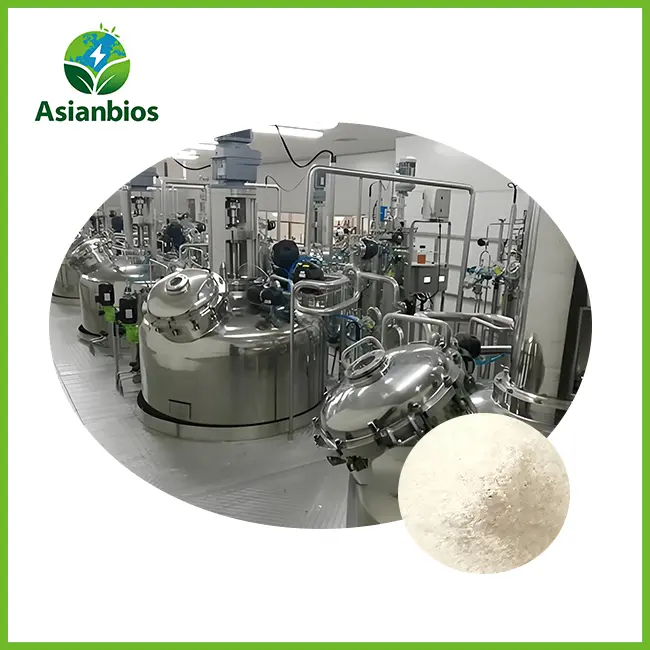
There are two main ways to make things, and each one has its own unique qualities. Chemical synthesis used to make isoleucine through several steps of organic processes, but now it makes racemic mixes that need expensive chiral resolution to separate them. The method makes a lot of solvent waste and has trouble meeting the 100% L-isomer requirements that medicinal and high-end food uses require. Microbial fermentation has become the best way to do things in industry for Isoleucine Production Technology. Using sugars from plants that grow back, like glucose syrup and corn steep liquor, as substrates, biofermentation naturally creates only the beneficial L-form. Compared to chemical methods, the environmental impact is much smaller, which is in line with stricter global sustainability rules. These days, fermentation can get return rates above 20% from carbon sources, which means better economics on a large scale.
Microbial Biosynthesis and Key Organisms
Pyruvate and threonine are common building blocks in the main biochemical route for microbial production. The enzymes threonine deaminase, acetohydroxy acid synthase, dihydroxy acid dehydratase, and branched-chain amino acid transaminase work together to make L-isoleucine. This happens in several steps. The main types used for production are Corynebacterium glutamicum and Escherichia coli. A lot of metabolic engineering has been done on these organisms to remove feedback blocking mechanisms from biosynthesis pathways and make them less controlled. Changes to genes stop competing metabolic pathways toward valine and leucine while increasing threonine deaminase activity. This directs carbon flow toward isoleucine buildup and release into the fermentation broth from outside cells.
Comparative Analysis of Leading Isoleucine Production Technologies
Production Efficiency and Yield Metrics
The latest strain engineering approaches boost production by changing genes. Highly efficient industrial strains can ferment 30–40 g/L in fed-batch cultures, five times better than wild-type organisms. Advanced screening techniques prevent strain loss between generations, preventing yield loss during continuous production cycles in Isoleucine Production Technology. Process optimization involves adjusting strain, fermentation conditions, and contaminants. High-yield strains with released feedback inhibition must be checked routinely to prevent microbial breakdown. On-the-fly pH changes between 6.3 and 7.3 and fermentation temperatures between 30 and 36°C maximize enzyme activity. Control the breathing rate, stirring speed, and carbon-nitrogen ratio to let bacteria utilize their energy and resources to generate the product you choose.
Cost Factors and Economic Perspective
Raw materials contribute for 40–50% of operational expenses, and Isoleucine Production Technology affects this. Sugar converted into maize starch is the major carbon source. Price changes directly affect production costs. Nitrogen sources including ammonia, urea, and soybean meal hydrolysates add 15–20% to variable prices. Strategic farmed seller connections give price stability for long-term financial planning. Based on revenue, capital expenditure fluctuates greatly. Building, buying equipment, and installing quality control systems for an all-in-one brewing facility that produces 5,000 tons of alcohol per year costs $8–12 million. Business expenses including electricity, labor, and maintenance add $2,000 to $3,000 per ton of finished products. When a company handles over 3,000 tons of products annually, economies of scale become apparent.
Environmental Impact and Sustainability
Sustainable bioprocessing takes many natural factors into account. Today, fermentation uses 60% less energy than chemical manufacturing methods and doesn't use any harmful organic liquids. Fermentation waste is now used as organic soil or added to animal feed as part of waste management strategies. This helps top sites reach nearly zero discharge. Using renewable resources goes beyond using carbon sources. When compared to traditional methods, water recycling devices use 70% less water. The carbon dioxide that is made during fermentation is stored for use in industry instead of being released into the air. Because of these steps, biofermentation is seen as the environmentally friendly option for business-to-business clients who have to meet sustainability standards and are being closely watched by regulators.
Choosing the Best Isoleucine Production Technology for Your Business
Key Selection Criteria
Scalability is extremely crucial. Technology businesses should demonstrate that they turned pilot concepts into industrial production of over 2,000 tons per year. Modular designs that allow capacity addition in phases allow you to respond to changing market circumstances without huge upfront costs. Isoleucine Production Technology maturity determines implementation risk. Production tools used in industry for five years are more dependable than experiments. Different market restrictions apply. Pharmaceutical applications need Current Good Manufacturing Practice certification, whereas food-grade uses require FSSC22000, ISO9001, HACCP, HALAL, and KOSHER.
Evaluating Suppliers and Partnership Potential
Licensors provide intellectual property rights to typefaces and process designs. This configuration is ideal for companies with brewing equipment that wish to introduce new products. Turnkey plant suppliers manage manufacturing facilities, including equipment installation, startup, and operator training. This option accelerates market access but costs more. In material transfer arrangements, microbial strain suppliers provide corporations improved production organisms. When evaluating sources, look at Isoleucine Production Technology and scientific records that demonstrate how effectively the fermentation worked, how stable the genes were over generations, and how contamination-resistant they were. Beyond product quality, suppliers must be trusted in professional support and working together to develop.
Real-World Implementation Success
A European company that makes feed additives just recently started using new fermenting technology. They were able to get 35 g/L titers with 99.5% purity that are good for low-protein meals for pigs. The implementation took six months, from setting up the tools to starting business output. During that time, there was a lot of technical training. When compared to their old protein breakdown process, the new one cut costs by 28% while still passing strict EU regulations. An Asian drug company teamed up with a technology business that specializes in amino acids for injection. The customized plant makes L-isoleucine with endotoxin levels below 0.3 EU/mg and serves the Southeast Asian intravenous nutrition market as a whole. After the purchase, services like process checks every three months and tracking of strain performance made sure that quality stayed high for the first two years of operation.
Innovations and Research Trends in Isoleucine Production
Genetic Engineering Breakthroughs
CRISPR strain enhancements are the latest manufacturing method. Gene editing provides precise alterations that improve biosynthesis without altering metabolic. Eliminating genes that block competing pathways and increasing isoleucine-synthesizing enzymes are recent advances. Systems biology verification uses computer models and real-world investigations. Full metabolic networks let researchers uncover genetic targets for crop development that aren't obvious. Eliminating a previously identified threonine supply barrier doubled precursor availability. Advanced analytics may greatly accelerate Isoleucine Production Technology.
Novel Biocatalysts and Process Optimization
Using enzyme engineering, biocatalysts may be made more thermostable and substrate selective. Changes to threonine deaminases preserve 90% of their activity at 8°C higher temperatures than wild-type enzymes. Intensifying fermentation reduces cycle time by 15%. Improvement makes acetohydroxy acid synthase less susceptible to valine feedback inhibition. It eliminates competitive inhibition in high-density farming. In Isoleucine Production Technology, real-time tracking and adaptive control optimize fermentation parameters. Sensors that detect dissolved oxygen, glucose, and ammonia enable dynamic modifications to optimize growth conditions. Machine learning systems detect and prevent mistakes from affecting product quality or yield by analyzing historical batch data.
Scale-Up Challenges and Quality Assurance
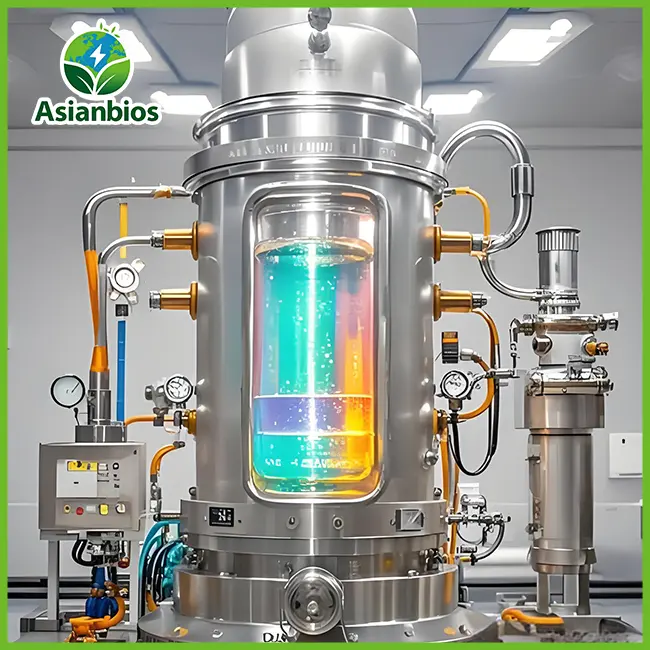
Moving from test projects to industrial production is difficult. Large fermenters have mass transfer issues, thus they require elaborate fans and air systems to maintain conditions. Temperature fluctuations in 100,000-liter tanks may reduce enzyme activity without contemporary heat exchange devices. Quality assurance solutions are essential for corporate process control. Statistical process control finds differences before they grow. Validation tests are performed regularly to verify the analytical technique, instruments, and strain performance. These quality standards ensure product consistency, which is crucial in medicine and food where batch deviations are unacceptable.

Procurement and Implementation Considerations for Industrial Clients
Licensing and Intellectual Property
Buying Isoleucine Production Technology frequently requires intricate licensing agreements for intellectual rights, proprietary strain usage, and process know-how. Exclusive rights give you an advantage, but they're expensive. Non-exclusive agreements let partners to compete, lowering costs. Intellectual property management goes beyond licensing. It covers growth rights and confidentiality obligations. Contracts should specify who owns production process improvements and secure shared technical knowledge. A scientific deal lawyer is crucial for these complex agreements.
Turnkey Solutions vs. Custom Plant Builds
Turnkey systems use established designs to standardize tools, plans, and procedures. This technique cuts technical risk and speeds up the project by 12–18 months from contract signing to industrial production. Standardization may make location or expansion changes harder. Custom plant construction may optimize equipment for quality, volume, or location-constrained businesses. Isoleucine Production Technology takes 18–24 months to create, produce, and execute projects, but their solutions match long-term strategic goals. Custom designs aid firms with quality, volume, or location issues. Custom project design, manufacturing, and completion take 18–24 months but fulfill strategic objectives.
Post-Purchase Services and Technical Support
You can't praise after-sales services enough. Full technical support includes 24/7 problem-solving, performance assessments, and operator training refreshers. Technology businesses that provide these services develop partnerships instead of corporate relationships, sharing operational success. Continuous improvement programs increase production efficiency throughout a technology's lifespan. Every three months, key performance criteria are examined for improvements. Genetic engineering improves, thus strain update programs provide individuals next-generation organisms. These continuing collaborations maximize ROI by adapting manufacturing capabilities to market requirements and competition.
Conclusion
To pick the best Isoleucine Production Technology, examine various linked criteria. Metabolically modified strains are better for microbial fermentation in purity, viability, and cost. Technology-savvy suppliers that follow the rules and cooperate with them after the sale should be preferred by procurement decision-makers. Process technology, translation, teamwork, supply chain development, and regulatory knowledge determine implementation success. Innovative fermentation platforms help organizations compete in the growing pharmaceutical, animal nutrition, and functional food sectors. Genetic engineering and process optimization evolve quickly. Development collaborations are necessary for long-term operational excellence.
FAQ
1. Which production method offers better cost-effectiveness?
Chemical synthesis is more costly than microbiological Isoleucine manufacturing Technology for large-scale manufacturing. Capital investment is greater at initially, but yield factors increase and costly chiral resolution procedures are eliminated, lowering operating expenses by 25–30%. For cost-effective animal feeding, feed-grade manufacturing may cost below $15/kg. Pharmaceutical-grade material costs $35–$50 per kilogram, depending on purity and certifications.
2. What environmental trade-offs exist between fermentation and chemical synthesis?
Fermentation has a hugely positive effect on the world in many ways. Compared to chemical processes that need high-temperature reactions and separation, this method uses 60% less energy. Since aqueous fermentation gets rid of organic chemicals, solvent waste drops to almost nothing. Bioprocessing makes 70% less greenhouse gas emissions per kilogram of output, according to a study of carbon footprints. Fermentation waste streams can be used as fertilizer in farming, which opens up possibilities in the cycle economy that aren't possible with chemical synthesis waste streams.
3. What are the main problems that come up during scale-up?
Maintaining bacteria activity and product quality in large-volume fermenters is difficult when scaling up. As tanks become larger, oxygen movement becomes tougher, requiring more complicated aeration equipment. Reactors above 50,000 liters create more heat than they can dissipate, making temperature control difficult. Longer fermentation and more intricate equipment increase contamination risk. To solve these issues, you need knowledgeable bioprocess engineers, reliable equipment, and rigorous validation methodologies to ensure commercial performance matches pilot performance.
Partner with Asianbios for Advanced Isoleucine Production Technology
Asianbios offers complete options for companies that want to find dependable Isoleucine Production Technology providers. Our microbial fermentation platform makes L-isoleucine that is suitable for medicinal, food, and animal feed use. It meets world standards set by the CE, FDA, ISO, CGMP, FSSC22000, HALAL, and KOSHER. We keep more than a ton of standard-grade goods on hand, so we can ship within 10 days of receiving payment. For urgent small-batch orders, our green channel service speeds things up to 7–10 days.
Asianbios not only provides high-quality raw materials, but also professional formula solutions, experimental verification services, and ongoing technical advice. Our modern extraction facilities and fully-equipped labs back these up. Because we work with DHL, SF Express, and FedEx, we can reliably send packages around the world by mail, air, or sea. Get in touch with our team at plantex@asianbios.com to talk about how our knowledge of natural plant extracts and bio-fermentation technology can help you find the best sources of amino acids and grow your business faster.
References
1. Leuchtenberger, W., Huthmacher, K., & Drauz, K. (2005). Biotechnological production of amino acids and derivatives: current status and prospects. Applied Microbiology and Biotechnology, 69(1), 1-8.
2. Ikeda, M. (2003). Amino acid production processes. Advances in Biochemical Engineering/Biotechnology, 79, 1-35.
3. Becker, J., & Wittmann, C. (2012). Bio-based production of chemicals, materials and fuels: Corynebacterium glutamicum as versatile cell factory. Current Opinion in Biotechnology, 23(4), 631-640.
4. Wendisch, V. F., Bott, M., & Eikmanns, B. J. (2006). Metabolic engineering of Escherichia coli and Corynebacterium glutamicum for biotechnological production of organic acids and amino acids. Current Opinion in Microbiology, 9(3), 268-274.
5. Park, J. H., & Lee, S. Y. (2008). Towards systems metabolic engineering of microorganisms for amino acid production. Current Opinion in Biotechnology, 19(5), 454-460.
6. Eggeling, L., & Bott, M. (2005). Handbook of Corynebacterium glutamicum. CRC Press, Boca Raton, Florida, USA.

Send Inquiry
Related Industry Knowledge
- Chinese Cabbage Freeze-Dried Powder for Health: Benefits, Uses & Expert Tips
- Where can i buy freeze dried strawberry powder?
- Where to Buy Sleep Aid Jelly Online Safely
- Sleep Aid Brewing Powder Guide for Better Sleep Ritual
- Uses of Glutathione Production Technology in Pharma
- Sea Buckthorn Freeze-Dried Powder Guide 2026: Skin, Health Benefits & How to Use It
- Uses of Sleep Aid Capsule for Insomnia Relief Routine
- Health Benefits and Uses of Kiwifruit Powder
- Sea Buckthorn Powder: How to Use in Your Diet
- Is kiwi powder good for you?