Production Technology of Amylase: A Game-Changer in Industrial Processes
Amylase Production Technology has transformed the way enterprises across the globe convert starch into useful sugars, fuels, and functional substances. Huge bioethanol facilities or small artisanal bakeries, the capacity to efficiently and economically produce high-activity amylase enzymes is what determines competitiveness in dozens of industry categories. This book is a comprehensive resource to Amylase Production Technology including everything from microbial strain selection and fermentation optimisation to downstream purification, quality certification and commercial implementation, giving you the knowledge to evaluate, implement or scale this transformative bioprocess in your own operations.


Why Amylase Production Technology Is Transforming Modern Industry
The Global Demand Driving Amylase Production Technology Innovation
The global enzyme market has seen phenomenal growth over the last decade, and Amylase Production Technology is at the heart of this growth trajectory. The starch processing, brewing, textile desizing and biofuel manufacturing industries require millions of tonnes of amylase each year, putting relentless pressure on producers to supply greater enzyme activity at lower unit costs. The Modern Amylase Production Technology meets this demand by utilising modern microbial fermentation platforms that offer a significantly higher yield and consistency than classic extraction methods. The significance of mastering Amylase Production Technology will only grow as developing nations industrialise and consumer demand for processed foods and renewable fuels rises.
Key Industrial Sectors Benefiting from Amylase Production Technology
Amylase Production Technology is employed in an incredibly wide range of end-use sectors with specific performance criteria and regulatory structures. In starch liquefaction plants thermostable α-amylase is used to hydrolyze complicated polysaccharides to dextrins and glucose syrup makers need the combined action of α-amylase and glucoamylase to obtain high dextrose equivalents. In brewing facilities, Amylase Production Technology is used to maximise mash conversion and enhance fermentability. Textile mills employ amylase-based desizing agents to remove starch coats from woven fabrics without hurting sensitive fibres. Amylase Production Technology is one of the most widely used biotechnologies in the industrial sector, with baking operations, animal feed makers and bio-alcohol producers rounding out the list of key application categories.
Economic and Environmental Advantages of Modern Amylase Production Technology
In addition to performance, Amylase Production Technology has strong economic and environmental benefits for sustainability-oriented businesses. Biological fermentation processes use much less energy than other chemical hydrolysis methods, generate less hazardous waste and can be carried out in softer temperature and pH conditions which minimise equipment corrosion and maintenance expenses. The light yellow powder is created by the latest Amylase Production Technology, and the shelf life is more than one year, so it may reduce the waste and inventory losses in the supply chain. The technology’s ability to function with renewable carbon substrates such as maize starch and cassava, makes it a key player in the burgeoning bio-based economy, in which circular production models are fast supplanting linear, petroleum-dependent processes.
Microbial Foundations and Strain Engineering Behind Amylase Production Technology
Selecting High-Yield Strains for Amylase Production Technology
The microbial strain producing and secreting the desired enzyme forms the biological engine of any platform for Amylase Production Technology. Bacillus subtilis remains the industrial workhorse for α-amylase production because to its robust growth features, GRAS status and outstanding capacity for extracellular protein release. Conversely, the manufacture of glucoamylase is usually carried out by Aspergillus niger, a filamentous fungus which is valued for its capacity to produce high titres of the enzyme in submerged fermentation systems. In Amylase Production Technology, screening involves the selection of hundreds of candidate isolates for enzyme activity, thermal stability, pH tolerance, and resistance to proteolytic degradation, so that only the most productive and resilient strains go on to commercial-scale cultivation.
Genetic Optimization and Engineering Bacterial Technology
The technique for the production of modern amylases has progressively made use of sophisticated engineering bacterial technology to increase yields of the enzyme beyond the natural limits of the wild-type organisms. Researchers may optimise the gene expression levels and secretion efficiency in production strains by techniques including as directed evolution, promoter engineering, and signal peptide optimisation. The top biotechnology platforms in China have developed exclusive engineering bacterial methods to greatly improve the productivity of amylase while ensuring the genetic stability required for continuous big scale manufacture. The advancements are a significant differentiator in Amylase Production Technology, enabling manufacturers to reach enzyme titers that were unthinkable just a decade ago and to customise enzyme attributes such as thermostability and substrate selectivity to meet demanding industrial specifications.
| Strain Type | Primary Enzyme | Key Advantage | Typical Application |
|---|---|---|---|
| Bacillus subtilis | α-Amylase | High thermostability | Starch liquefaction, textile desizing |
| Aspergillus niger | Glucoamylase | High glucose yield | Glucose syrup, brewing |
| Engineered Bacillus spp. | Modified α-Amylase | Enhanced pH tolerance | Detergent, feed processing |
Strain Stability and Long-Term Performance in Amylase Production Technology
One of the major challenges in Amylase Production Technology is to maintain the strain integrity after hundreds of fermentation cycles which directly effects on the product consistency and economics of manufacturing. If not carefully maintained, high-performing strains can eventually lose productivity due to genetic drift, plasmid instability, or accumulation of harmful mutations. The risk is managed using advanced amylase production technology by the use of strict master cell banking techniques, periodic re-isolation from cryopreserved stocks and ongoing performance monitoring by enzymatic activity testing and genetic fingerprinting. With a good strain management infrastructure in place, companies can ensure that their Amylase Production Technology provides the same enzyme quality, batch after batch, year after year, independent of the size of production or the availability of raw materials from season to season.
Fermentation Optimization and Process Control in Amylase Production Technology
Deep Liquid Fermentation as the Core of Amylase Production Technology
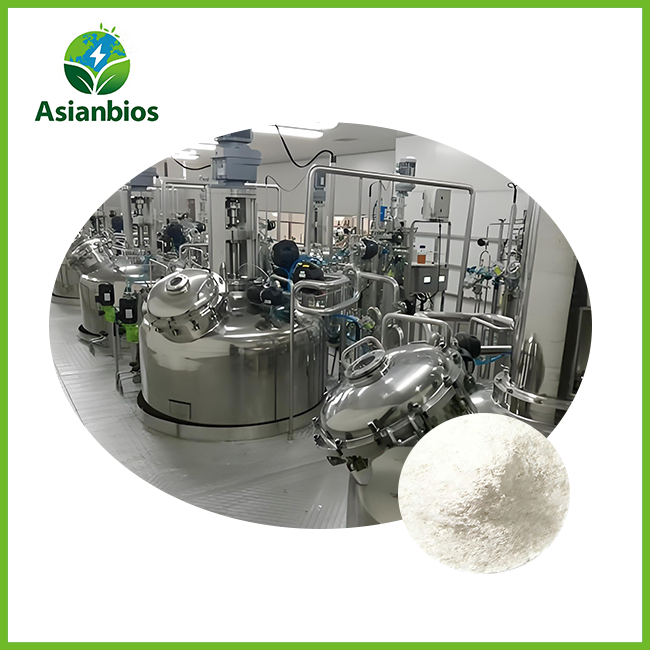
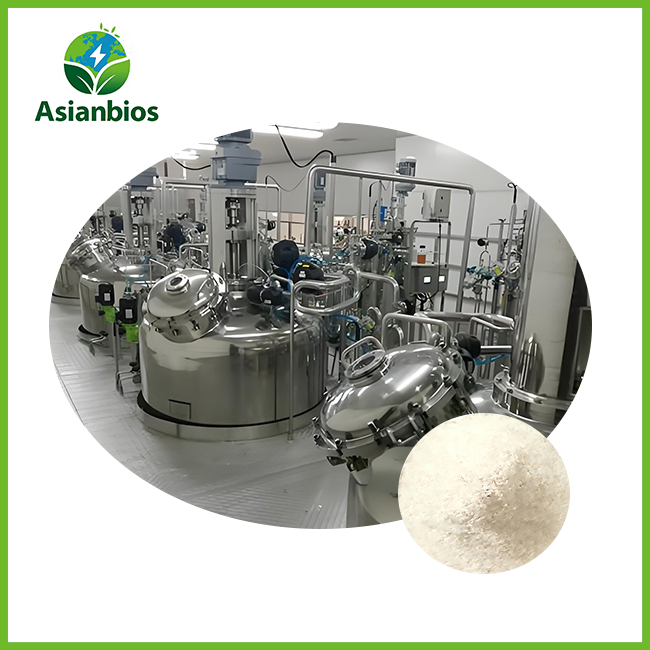
Industrial Amylase Production Technology is based on deep liquid fermentation, which enables the high density culture of amylase generating microbes in massive, completely regulated bioreactors. In submerged fermentation all the environmental variables affecting enzyme synthesis including temperature, pH, dissolved oxygen and agitation intensity may be accurately controlled unlike solid-state fermentation which is constrained by heat and mass transfer limitations. One of the major advantages of Amylase Production Technology is that this approach is scalable. Processes verified in 50 litre laboratory fermentors may be reliably transferred to 100,000 litre production vessels with no loss of productivity. This ease of scale-up makes deep liquid fermentation the method of choice for firms wishing to produce large quantities of food grade and industrial grade amylase for the world market.
Real-Time Monitoring and Automated Feedback Systems
The advanced real-time monitoring and automated process control infrastructure is a prerequisite for precision required by the current Amylase Production Technology. Inline sensors continually monitor the important parameters such as dissolved oxygen concentration, carbon dioxide evolution rate, biomass density and residual sugar concentrations and send the data to programmable logic controllers that manage aeration, agitation and nutrient dosing in real time. These closed-loop feedback systems are critical to amylase production technology, since little variations from optimum conditions can produce metabolic changes that diminish enzyme yields or alter the ratio of α-amylase to glucoamylase in the fermentation broth. “The next frontier is integrating machine learning algorithms into process control platforms to make predictive adjustments that anticipate and prevent productivity losses before they occur.”
Nutrient Management and Substrate Feeding Strategies
The economic viability of Amylase Production Technology is critically dependent on effective nutrient management, as carbon and nitrogen sources are a major part of the total production cost. Main carbon substrates include corn starch, molasses and other agricultural byproducts. Main sources of nitrogen for microbial growth and protein synthesis are soybean meal, yeast extract and ammonium salts. Modern Amylase Production Technology uses fed-batch feeding systems to keep substrate concentrations in narrow optimum ranges, avoiding catabolite repression at high sugar levels and nutrient deprivation at low concentrations. By matching feeding profiles to the metabolic needs of the production strain at each phase of growth, manufacturers may both maximise enzyme titers and minimise raw material waste and downstream processing loads.
Downstream Recovery and Product Formulation in Amylase Production Technology
Filtration and Concentration Techniques in Amylase Production Technology
After the fermentation cycle is over, Amylase Production Technology enters the key downstream recovery step, where the target enzyme must be efficiently extracted from the complicated fermentation broth. Primary solid-liquid separation is usually done by centrifugation or microfiltration, which enables removal of microbial cells and insoluble particles, resulting in a cleared supernatant which is rich in amylase activity. This is followed by ultrafiltration utilising membranes with precisely adjusted molecular weight cut-offs which concentrate the enzyme while removing low molecular weight contaminants such as salts, residual sugars and metabolic by-products. The efficiency of these separation phases directly affects the overall product recovery rates and final purity levels in Amylase Production Technology. Downstream processing is an area of ongoing innovation and cost optimisation.
Standardization and Quality Calibration Processes
Amylase Production Technology calls for careful standardisation of the enzyme preparation after concentration so that each batch of enzyme preparation conforms to the set activity parameters. Amylase activity is commonly determined using enzymatic assays based on the hydrolysis of soluble starch followed by colorimetric detection of reducing sugars, in controlled circumstances, in standardised units. Blending techniques then alter the concentrated enzyme to desired potency levels with appropriate diluents and stabilisers. This standardisation stage is critical to the Amylase Production Technology as downstream clients in brewing, baking and starch processing depend on constant enzyme activity to maintain their own process parameters and product quality. Variability from batch to batch can violate tight tolerance limits and shut down entire production lines, highlighting the need for strict calibration procedures.
Final Formulation: From Liquid Concentrates to Powder Products
The final step in Amylase Production Technology is the conversion of the standardised enzyme into economically useful forms of products. Liquid preparations are stabilised with glycerol, sorbitol or calcium chloride to maintain activity during storage and are packaged into intermediate bulk containers for industrial users. The typical light yellow powder is produced by spray drying or fluidised bed granulation, which allows for wider distribution and a longer shelf life. The powder is then packed in 25 kg barrels for worldwide transportation. Both formats are engineered to maintain high enzymatic activity for over one year under recommended storage conditions, offering clients the flexibility to incorporate amylase into their operations based on their preferred handling and production schedules.
| Product Format | Appearance | Packaging | Shelf Life | Primary Market |
|---|---|---|---|---|
| Liquid Concentrate | Clear to amber liquid | IBC totes, drums | 6–12 months | Large-scale starch, brewing |
| Spray-Dried Powder | Light yellow powder | 25 kg barrels | 12+ months | Baking, feed, export |
| Granulated Preparation | Free-flowing granules | 25 kg barrels | 12+ months | Detergent, textile |
Scaling Up: From Pilot to Full-Scale Amylase Production Technology Deployment
Technology Transfer and Localization Implementation
The commercialisation of Amylase Production Technology is not just a matter of scale-up of laboratory methods to larger equipment. It is well known in industry circles that the successful application of production technology is about 30% process knowledge and 70% localisation implementation. That is to say, the adaptation of the core science of fermentation to local regulatory environments, raw material supply chains, workforce capabilities, and infrastructure constraints is the true determinant of project success. Asianbios simplifies this complexity with standardised technical packages with continuous on-site assistance, helping customers from the pilot-scale phase to full production ramp-up. Amylase Production Technology Enterprises should pay attention to developing strong supply chain networks, training skilled fermentation operators and putting in place quality management systems according to local and international legal norms.
Certification Compliance and Global Market Readiness
To access foreign markets with amylase products, a complete portfolio of certifications demonstrating compliance with the most demanding global standards in food safety and quality management is necessary. Amylase Production Technology providers are required to obtain certifications such as CGMP, FSSC22000, ISO9001, HALAL, KOSHER, Organic, and HACCP to meet the various regulatory needs of customers operating in functional food, nutritional supplement, beverage, and cosmetic industries. These certifications are not simply administrative checkboxes; they reflect quality methods entrenched in every step of Amylase Production Technology, from raw material screening, in-process testing and finished product release to post-market surveillance. By investing early in multi-standard compliance, manufacturers can tap into premium market niches and establish long-term collaborations with global clients.
If you are evaluating how Amylase Production Technology can be integrated into your existing operations or a greenfield facility, our technical specialists are prepared to deliver a tailored feasibility assessment and implementation roadmap—simply connect with us at plantex@asianbios.com to begin your project consultation.
Logistics, Customization, and Supply Chain Excellence
The commercial success of Amylase Production Technology is equally dependent on the ability to deliver the appropriate product, in the right format, to the right location at the right time. Best vendors partner with DHL, SF Express, FedEx, and other global logistics networks to provide reliable delivery via express, air, or sea. There is a regular inventory of more than one tonne available for shipping within ten days after payment. Customised Amylase Production Technology orders have a production cycle of about twenty working days. For urgent small-batch orders, expedited “Green Channel” services are available with delivery times of as short as seven to ten days. Amylase Production Technology customers can enjoy seamless, responsive service regardless of order size or destination, thanks to flexible OEM/ODM capabilities to support many product forms and country-specific regulatory needs, along with supply chain agility.

Conclusion
Amylase Production Technology has emerged as an indispensable driver of efficiency, sustainability, and innovation across the starch processing, brewing, biofuel, textile, and food manufacturing industries. By combining high-yield microbial strains, precision fermentation control, advanced downstream purification, and comprehensive quality certification, this technology enables producers to deliver consistent, high-activity enzyme preparations at competitive costs. With flexible customization, rapid delivery, and full technology transfer support available through experienced partners like Asianbios, enterprises of all sizes can harness the transformative power of Amylase Production Technology to strengthen their market position and accelerate growth.
FAQ
Q1: What microbial strains are most commonly used in Amylase Production Technology?
A: Amylase Production Technology primarily utilizes Bacillus subtilis for α-amylase production and Aspergillus niger for glucoamylase production. These strains are selected for their high enzyme yields, genetic stability, and GRAS safety status. Advanced engineering bacterial technology further enhances their productivity and allows customization of enzyme properties such as thermostability and pH tolerance to match specific industrial applications.
Q2: How long does it take to receive amylase products after placing an order?
A: Delivery timelines depend on order specifications. Standard Amylase Production Technology products are stocked in quantities exceeding one ton and can ship within ten days of payment. Customized formulations require approximately twenty working days for production and delivery. For urgent requirements, expedited "Green Channel" services can fulfill small-batch orders in as few as seven to ten days, with global shipping via DHL, FedEx, or SF Express.
Q3: Can Amylase Production Technology support both food-grade and industrial-grade enzyme production?
A: Absolutely. Amylase Production Technology is designed to produce both food-grade and industrial-grade amylase preparations. The downstream purification, formulation, and quality control processes are adjusted to meet the specific purity, activity, and regulatory requirements of each grade. Comprehensive certifications including CGMP, FSSC22000, HALAL, KOSHER, and HACCP ensure compliance with the most demanding international food safety and quality standards.
Unlock Industrial Growth with Asianbios Amylase Technology
Ready to revolutionize your enzyme production capabilities? Asianbios offers turnkey Amylase Production Technology solutions encompassing strain engineering, fermentation process design, production line construction, and global OEM/ODM manufacturing. Our professional technicians and certified laboratories ensure every product meets your exact specifications and international quality benchmarks. With a minimum order of just 1 kg, competitive pricing, and delivery as fast as seven days, getting started has never been easier. Reach out to our team today at plantex@asianbios.com for a free consultation and discover how our technology can power your next breakthrough.
References
1. Gupta, R., Gigras, P., Mohapatra, H., Goswami, V. K., and Chauhan, B. (2003). Microbial α-amylases: a biotechnological perspective. Process Biochemistry, 38(11), 1599–1616.
2. van der Maarel, M. J. E. C., van der Veen, B., Uitdehaag, J. C. M., Leemhuis, H., and Dijkhuizen, L. (2002). Properties and applications of starch-converting enzymes of the α-amylase family. Journal of Biotechnology, 94(2), 137–155.
3. Pandey, A., Nigam, P., Soccol, C. R., Soccol, V. T., Singh, D., and Mohan, R. (2000). Advances in microbial amylases. Biotechnology and Applied Biochemistry, 31(2), 135–152.
4. Souza, P. M. de, and Magalhães, P. O. (2010). Application of microbial α-amylase in industry: a review. Brazilian Journal of Microbiology, 41(4), 850–861.
5. Sivaramakrishnan, S., Gangadharan, D., Nampoothiri, K. M., Soccol, C. R., and Pandey, A. (2006). α-Amylases from microbial sources: an overview on recent developments. Food Technology and Biotechnology, 44(2), 173–184.
6. Norouzian, D., Akbarzadeh, A., Scharer, J. M., and Moo Young, M. (2006). Fungal glucoamylases. Biotechnology Advances, 24(1), 80–85.
About the Author

Asianbios
Our purpose is to forge a legacy of stewardship, advancing initiatives that honor and preserve the ecological integrity of our planet.

Send Inquiry
Related Industry Knowledge
- How Trehalose Production Technology Works: Industrial Process Guide
- What are the health benefits of L-glutamine
- The Potential Benefits of Berberine Hydrochloride Extract You Should Know About
- Are Multi-effect eye peptides Effective for Under-Eye Bags?
- Chinese Cabbage Freeze-Dried Powder for Health: Benefits, Uses & Expert Tips
- Best Sleep Aid Jelly for Adults in 2026
- What is apple green powder?
- Uses of Lysine Production Technology in Animal Nutrition
- How to Incorporate Freeze Dried Kale Powder into Your Daily Meals for Optimal Health?
- Best Grape Powder for Health: What Makes It So Powerful?