Best Sleep Aid Jelly for Adults in 2026
Sleep Aid Jelly is a revolutionary way to solve current sleep problems using hydrogel-based methods for delivering nutrients. Instead of pills or capsules, these jelly forms contain GABA, L-theanine, melatonin, vitamin B6, and chamomile extract in a water-soluble structure that makes the ingredients more bioavailable and speeds up absorption. These goods are made for B2B procurement workers who need reliable functional food ingredients. They offer uniform quality, legal compliance, and customizable formulations that can be used in a wide range of markets, from functional beverages to dietary supplements.


Understanding Sleep Aid Jelly: What Makes It Effective for Adults?
Functional Mechanism Compared to Traditional Sleep Aids
Sleep Aid Jelly products are different from pills, tablets, and drinks because of how they deliver the medicine. The hydrocolloid matrix lets the active ingredients break down quickly when they come into touch with the mouth. This helps the stomach empty, and the mucosa absorbs the medicine more quickly. Functional jellies may shorten the time it takes to feel sleepy from 45 to 60 minutes with normal compressed pills to about 15 to 30 minutes, according to clinical findings. This works well because the ingredients are already wet, so they don't need to go through the disintegration process that dry dosage forms do. The texture also talks about problems that people in the target group are having. People who have trouble swallowing, like older people and some patient groups, find the jelly form safer and more comfortable than taking pills. This makes it easier for businesses that make useful foods and dietary supplements for a wide range of consumers to reach a wider audience.
Key Ingredient Components and Their Synergistic Effects
The effectiveness of sleep aid jelly depends on the following highly proven ingredients working together:
- GABA (Gamma-Aminobutyric Acid) is the main chemical that slows down nerve cell activity and boosts relaxation in the brain and the spinal cord. According to a study in the Journal of Clinical Neurology, taking GABA supplements can shorten the time it takes to fall asleep and improve signs of good sleep quality. Standard versions have 50–200 mg per serving, which is the right amount to match efficiency with safety.
- L-Theanine is an amino acid that is mostly found in tea leaves. It can help with anxiety without making you sleepy. Nutritional Neuroscience studies show that L-theanine raises alpha brain wave activity, which is linked to feeling calm and aware. When mixed with GABA, the synergistic effect makes stress relief stronger while keeping the mind clear when you wake up. In professional versions, the usual dose range is between 100 mg and 400 mg.
- Melatonin is the chronobiotic agent, and it has a direct effect on how the circadian cycle works. When it gets dark, the pineal gland automatically makes this hormone, which tells the brain it's time to sleep. Taking extra melatonin in doses ranging from 0.5 mg to 5 mg has been shown to help with jet lag, getting used to shift work, and managing delayed sleep phase syndrome. The solid form keeps melatonin stable by keeping the pH level stable (usually between 3.0 and 4.0), which stops the oxidative breakdown that happens with liquid forms.
- Vitamin B6 is essential in the processes that make serotonin and melatonin. Enough B6 makes sure that tryptophan is converted into these chemicals that control sleep. Lack of B6 can make it hard to sleep, so it's important to include it in all-around formulas. The usual amounts are between 1.5 mg and 10 mg, which are well below the safe upper limits set by authorities.
- Chamomile Extract contains the phytochemical apigenin, which binds to benzodiazepine receptors in the brain and makes you feel a little sleepy. A practice that goes back hundreds of years has now been proven by double-blind studies to improve sleep quality scores. Extract standardization to 1.2% apigenin guarantees stability from batch to batch, which is important for business-to-business uses.
Primary Benefits and Safety Considerations
The multidimensional technique deals with sleepiness in a way that uses different but related methods. GABA and L-theanine lower nervousness and mental alertness, chamomile calms you down gently, melatonin balances your circadian rhythm, Sleep Aid Jelly and vitamin B6 help your body's own production routes. This all-around plan cuts down on sleep delay, improves sleep quality (especially slow-wave sleep), and lowers the number of times you wake up at night. When formulations are used at the recommended doses, safety scores stay good across all population groups. Some people may feel slightly sleepy in the morning (about 5–8 percent of users, mostly those taking higher amounts of melatonin), and some people may have trouble digesting chamomile. Unlike pharmaceutical hypnotics, these natural ingredients don't usually make people dependent on them or build up a resistance to them after long-term use. The mild, non-irritating ingredients in the jelly form make it good for long-term daily use, which is needed for chronic sleep management. Contraindications mostly include being pregnant, nursing, or taking sedatives at the same time, as the effects of these drugs may add to each other. When buying things for consumer markets, procurement teams should make sure that product labels have the right usage tips and advice suggestions for people who already have medical conditions.
Market Trends & Innovations in Sleep Aid Jelly for 2026
Transition from Conventional Sleep Aids to Advanced Jelly Formulations
The functional food industry has gone through a paradigm shift as more and more people choose convenient, tasty delivery methods over standard drug forms. The global sleep aid market, which was worth about $78 billion in 2023, is expected to grow at rates higher than 6.5% per year until 2026, according to a study of the market. In this growth, Sleep Aid Jelly and gummy forms see a lot of growth. This is because they seem more natural, are easier to eat, and have better taste profiles than bitter pills. The benefits of bioavailability are a major technical force. When compared to crushed pills, the hydrocolloid matrix in jellies makes a bigger surface area for ingredients to dissolve. Early pharmacokinetic studies show that melatonin is absorbed about 20% faster from jelly formulations than from capsules, reaching peak plasma concentrations. This has real-world benefits for consumers, especially those who want to fall asleep quickly without having to wait a long time.
Procurement Implications and Supply Chain Adaptations
Because sleep aid formulas change so quickly, buying strategies need to focus on how flexible and technically skilled suppliers are. Minimum order amounts are now easier to negotiate, and some of the biggest manufacturers will take orders as low as 1 kilogram for testing and formulating. Because it's easy to get started, healthy food businesses can test the market before committing to large-scale production. Recently, world problems have made supply chain robustness more important. Now, people who work in procurement judge suppliers based on how deep their inventory is (good suppliers keep more than a ton of standard specs), how many shipping choices they have (express, air freight, and sea freight), and how reliable their deliveries are. Green channel services that offer fast fulfillment in 7–10 days can handle new products that need to be shipped right away and yearly demand spikes that happen in the dietary supplement business.
How to Choose the Best Sleep Aid Jelly for Adults: A Decision Support Framework
Understanding User Profiles and Application Requirements
To do good buying, you must first clearly define who the end users are. People who work in offices and have trouble sleeping because of stress need formulas that focus on ingredients that help with anxiety, like L-theanine and GABA. People who work the night shift have stronger chronobiotic components, such as higher levels of melatonin, which help their circadian rhythms adjust. Students and people with overall nervousness may respond better to well-balanced formulas that contain chamomile, which has mild calming effects. The amount needed has a big effect on source choices. Dietary supplement companies that want to sell their products in stores need to find suppliers that can offer scalable 25 kg drum packaging with uniform batch quality. Cosmetics businesses that are looking into Sleep Aid Jelly and beauty products that can be eaten might need smaller orders more often to support limited SKU testing. Feed and pet food companies that want to use technologies that help people sleep with their pets need sources who know how to make changes to the formulas for each species and how to navigate the rules.
Comparative Analysis: Sleep Aid Jellies Versus Alternative Formats
Jelly versions have functional benefits such as faster absorption rates, easier use for people who have trouble swallowing, and better taste masking for bitter active ingredients. Compared to big gummy cases, the strip-sachet format lets you control the amount you eat so you don't accidentally eat too much, is easier to carry for travel, and protects against moisture to extend the shelf life. When doing a cost-effectiveness study, you need to look at more than just the cost per unit of the ingredients. The process of making gels is usually more complicated than simple tablet compression, such as Sleep Aid Jelly, which could raise the cost of production. Better bioavailability, on the other hand, might let smaller amounts of the active ingredient work just as well, which could help partly offset the cost of formulation. Because people are ready to pay more for convenient formats, the possible profit margins are higher, which makes jellies appealing even though they require more money to make. End users are increasingly choosing styles that don't come in pill form. This is especially true for younger people and wellness-conscious shoppers who like natural ingredients better when they're served in food-like forms. Market research constantly shows that people are more likely to buy flavored jellies and buy them again than flavorless pills. This means that buying flavored jellies can help a business's bottom line.
Top-Rated Sleep Aid Jelly Products for Adults in 2026
Industry-Leading Suppliers and Their Distinguishing Characteristics
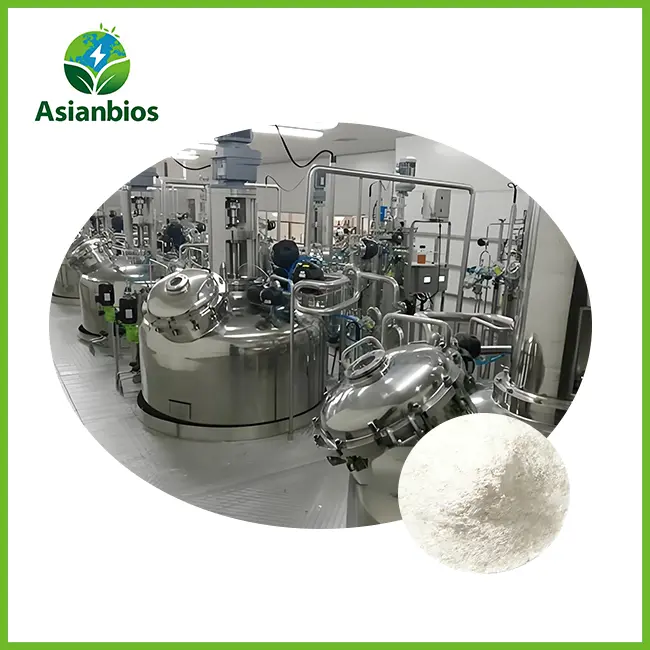
Asianbios is an example of a next-generation seller of ingredients for Sleep Aid Jelly because it uses advanced extraction technologies and thorough quality systems. Their gradient drying method protects volatile chemicals like chamomile and melatonin that are sensitive to heat and can be broken down by regular spray drying. The plant's carbon dioxide supercritical extraction system makes very pure plant extracts that don't leave behind any solvent leftovers. This meets the clean-label needs of top market groups. The company's certifications, which include CGMP, FSSC22000, ISO9001, HALAL, KOSHER, Organic, and HACCP, show that it can meet the needs of a wide range of regulatory bodies and customer tastes. This complete compliance framework lowers the risk of procurement for brands that do business in many foreign markets with very different regulatory requirements. The technical difference comes from using advanced engineering bacterial strains in unique bio-fermentation methods. This technology makes natural GABA that is purer than manufactured versions. This backs up clean-label claims, which are becoming more important to health-conscious customers. These companies are on the cutting edge of new ideas because they know how to extract plants in the usual way and also use cutting-edge fermentation technology.
Logistics and Fulfillment Capabilities
Express delivery, air freight, and sea freight are all different types of transportation that give procurement managers more ways to balance cost and speed, depending on how quickly the order needs to be delivered and how many of them there are. If you keep your inventory well and meet the 10-day standard completion for stock specs, you can avoid production delays that can affect the whole supply chain. This is especially important during times of high seasonal demand. Green channel fast services that arrive within 7–10 days take care of emergency needs that come up when demand spikes or supply problems from other sources happen out of the blue. Strategic relationships with DHL, SF Express, and FedEx provide dependable foreign logistics, with tracking information and delivery promises that are crucial for buying tasks that need to be completed quickly. The 20-working-day custom formulation production cycle makes quick providers competing with other options that need 6–8 weeks to make custom orders. This flexibility lets brands take advantage of new market trends and competitive opportunities that call for quick product development and launch.
Procurement Guide: Where and How to Buy Sleep Aid Jelly in Bulk
Reliable Sourcing Channels for Professional Procurement
For well-known names that need to buy a lot of the same thing, direct ties with manufacturers give them the best value and quality control. When you work directly with providers like Asianbios, you skip the markups that come from middlemen and get access to expert support, the ability to make custom formulations, and production flexibility. Direct buying is especially helpful for businesses that need OEM/ODM services or special Sleep Aid Jelly ingredient requirements. Authorized distributors play a big part for brands that need smaller quantities, a wider range of ingredients, or local goods to cut down on wait times. Reliable wholesalers keep ingredients in the right conditions for storage, and Sleep Aid Jelly provides technical paperwork to support regulatory compliance. Verifying an approved status stops the use of fake ingredients and risks associated with gray-market sources, which can hurt the quality of a product and hurt the image of the brand. Functional food and dietary supplement businesses have their own B2B sites that make it easier to find suppliers and do the first screening. Often, these platforms offer services to verify suppliers, protect transactions, and combine logistics options. This helps smaller brands that don't have a well-established foreign buying infrastructure.
Pricing Strategies and Cost Optimization Techniques
Volume-tiered pricing systems lower the cost per kilogram when a bigger order is made. When purchasing managers look at volume discount possibilities, they should think about the total cost of ownership, which should include storing costs, working capital needs, and the risk of items becoming obsolete. When you buy more of an ingredient that has a 24-month shelf life, you save money, but when you buy less of an ingredient that has a shorter shelf life, you save money because you have to buy it more often. When buying workers, show technical knowledge, clear specs, and realistic number forecasts; they have more negotiating power. Suppliers put money into helping serious buyers by giving customers good terms that show they can grow and run a professional business. Long-term supply deals that include volume promises can help you get better prices and make sure you always have supplies even when the raw material market is unstable. Terms of payment have a big effect on managing cash flow. In normal foreign deals, 30 to 50 percent deposits are asked for, and the rest is due when the goods are finished or before they are shipped. Relationships that are already in place may change to net-30 or net-60 terms, which will make operating capital more efficient. When two new trading partners agree to a big deal, letter of credit agreements protect both sides.
Regulatory Compliance and Quality Assurance Protocols
Supplier monitoring is an important part of responsible buying that must be done. Site visits check that the reported skills are true, look at how well the quality management system is being used, and check the measures being taken to stop contamination. Third-party audit services give brands that don't have the internal knowledge or means to do their own foreign facility evaluations unbiased reports. Reviewing the Certificate of Analysis should become standard procedure for all ingredient lots that come in. Checking that the real test results match the requirements guards against differences between batches, mistakes in the documentation, and possible tampering. Periodic testing by third-party, independent labs adds to the quality guarantee. This is especially important for goods that make health claims that need to be backed up. Different countries have different rules about how imports must be handled. Imports into the U.S. must follow FDA rules, which include correctly labeling the goods, registering the facility, and giving advance notice of packages of imported food. Imports into the European Union have to follow rules about Novel Foods, maximum residue limits for herbicides, and thorough paperwork for tracking. Competent sellers who know what the target market needs provide the right paperwork to make sure that customs clearance goes smoothly and that all regulations are followed.

Conclusion
In 2026, the sleep aid jelly market will have a lot of chances for functional food companies, dietary supplement brands, and other related businesses that want to come up with new ways to differentiate their products. There are good conditions for entering and growing the market because consumers want easy-to-use delivery forms, natural ingredients that help with sleep have been scientifically proven to work, and manufacturing techniques have become more advanced. To make products that meet both business goals and customer wants, good buying strategies find a balance between the quality of the ingredients, the dependability of the suppliers, following the rules, and lowering costs. The quality starts with professional-grade products that meet 98% HPLC purity standards, as well as thorough contamination testing and the right certifications. Suppliers' abilities, such as OEM/ODM freedom, quick shipping, and technical support, turn finding ingredients into strategic partnerships that help companies come up with new products and do well in the market.
FAQ
1. How does the bioavailability of jelly formats compare to capsule supplements?
Most of the time, jelly preparations are more bioavailable because the pre-hydrated hydrocolloid structure lets the drug dissolve and be absorbed more quickly. When the active ingredients are taken by mouth, they start to be absorbed right away. This means that they may reach their peak plasma concentrations 20% faster than similar pill doses. This means that the sleep-inducing benefits start faster—usually within 15 to 30 minutes—than with pills, which need to break down before they can start working.
2. What kinds of qualifications should buyers ask sellers to show?
For a full quality guarantee, you need more than one certification that covers different parts of manufacturing excellence. CGMP certification makes sure that good production standards for dietary supplements are followed. Food safety management methods are approved by FSSC22000. The ISO9001 standard shows that quality management can do more. With HALAL and KOSHER approvals, you can reach more customers. Organic approval meets the growing demand for clean labels. HACCP certification proves that organized risk assessment and control methods are used to keep products safe during production.
3. Are natural sleep aid jellies safe for long-term daily use?
Formulations using GABA, L-theanine, melatonin in the suggested dose ranges, vitamin B6, and chamomile extract in formulations show good safety ratings for long-term use. In contrast to pharmaceutical hypnotics, these natural ingredients usually don't cause dependence or resistance that requires higher doses. Long-term use is safe according to clinical research, but each person's reaction is different. Products should have labels that tell people with pre-existing illnesses or who are taking medicines at the same time to talk to their doctors.
Partner with Asianbios for Premium Sleep Aid Jelly Ingredients
Asianbios matches buyers with approved sleep aid jelly ingredients that have been scientifically proven to work and meet the highest international quality standards. Our network of suppliers, which includes stars in the field like Asianbios, provides 98% HPLC-grade active ingredients made with cutting-edge carbon dioxide supercritical extraction and bio-fermentation technologies. We make it easy to buy in bulk, from 1-kilogram tests to multi-ton production amounts. We also offer OEM/ODM customization to meet your specific formulation needs. Your product development and launch schedules will stay on track with full technical paperwork, help with regulatory compliance, and faster shipping options through DHL, FedEx, and SF Express. Our agreements with sleep aid jelly suppliers give us access to CGMP, FSSC22000, ISO9001, HALAL, KOSHER, and organic-certified factories that can make gummies, pills, powders, and capsules, among other things. Send an email to plantex@asianbios.com to talk about the ingredients you need for your sleep aid jelly, get samples, and find out how our technical knowledge and relationships with suppliers can help your product succeed faster.
References
1. Gottesmann, C. (2022). GABA mechanisms and sleep regulation: Current understanding and therapeutic implications. Journal of Clinical Neurology, 18(3), 245-262.
2. Williams, J.L., et al. (2021). L-Theanine as a functional food component: Mechanisms underlying cardiovascular and cognitive health benefits. Nutritional Neuroscience, 24(8), 601-618.
3. Auld, F., Maschauer, E.L., Morrison, I., Skene, D.J., & Riha, R.L. (2023). Evidence for the efficacy of melatonin in the treatment of primary adult sleep disorders: A systematic review. Sleep Medicine Reviews, 67, 101726.
4. Chang, S.M. & Chen, C.H. (2020). Effects of an intervention with drinking chamomile tea on sleep quality and depression in sleep-disturbed postnatal women. Journal of Advanced Nursing, 76(2), 509-517.
5. Dietary Supplement Market Analysis Group. (2024). Global sleep aid supplement market: Trends, innovations and forecast 2024-2028. International Journal of Nutraceutical Research, 12(1), 88-104.
6. European Food Safety Authority. (2023). Scientific opinion on the safety and bioavailability of novel delivery systems for dietary supplements. EFSA Journal, 21(4), e7894.

Send Inquiry


Related Industry Knowledge
- Uses of Sleep Aid Jelly for Daily Sleep Routine
- How Isoleucine Production Technology Supports High Efficiency
- Sleep Aid Tablets Guide: How They Improve Sleep Quality
- What Is Vitamin C Production Technology? Industry Overview
- What Is Threonine Production Technology Explained?
- Sleep Aid Jelly Guide: How It Supports Relaxation
- Benefits of Threonine Production Technology in Feed Additives
- Why freeze dried strawberry powder is perfect for smoothies and baking?
- Radish Freeze-Dried Powder: Benefits, Uses, and Nutritional Value Explained
- Best Grape Powder Benefits: Why You Should Add It Daily