How Isoleucine Production Technology Supports High Efficiency
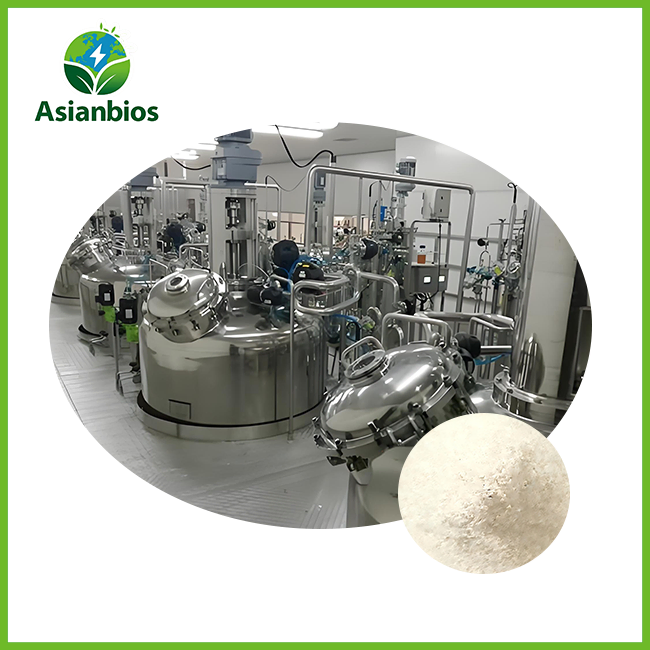
Isoleucine Production Technology uses modern microbial fermentation to make a lot of L-isoleucine, which is an important branched-chain amino acid. This approach eliminates feedback suppression and increases fermentation rates over 30 to 40 g/L using genetically enhanced Corynebacterium glutamicum or Escherichia coli strains. This produces a consistent supply of pharmaceutical- and feed-grade products with high purity (>99.9% L-enantiomer) and cheap cost. This precise-controlled fermentation technology overcomes commercial issues including poor natural protein extraction rates and bioactive stereoisomer specificity. This facilitates sustainable, scalable manufacturing that meets global market demands.


Understanding Isoleucine Production: From Basics to Industrial Scale
The Core Production Methods
Chemical production and microbial fermentation are the major amino acid production methods. Racemic mixtures need expensive separation since chemical synthesis is fast but poor at chiral purity. Only fermentation biotechnology, especially metabolically modified bacteria, yields bioactive L-form naturally. This makes Isoleucine Production Technology the best for medicine and nutrition. Modified Corynebacterium glutamicum bacteria that generate too much L-isoleucine start fermentation. These strains convert glucose or maize sugar via sophisticated enzyme pathways such threonine deaminase, acetohydroxy acid synthase, and branched-chain amino acid transaminase. We must balance isoleucine, valine, and leucine biosynthesis since they share pathways. Correct metabolic engineering avoids production-slowing feedback inhibition.
Key Challenges in Industrial Scale Production
Scaling up is tough for Isoleucine Production Technology. Yield limits remain a problem, with many strains struggling above 20 g/L in batch cultures. That forces fed-batch or continuous methods, adding operational complexity. In large fermenters, keeping temperature and pH stable is much harder than at lab scale. Microbes also face oxygen depletion and shear stress, so mixing and aeration must be carefully managed. Raw material dependency hits both costs and environmental goals. Corn-based glucose remains the main carbon source, making production vulnerable to farm commodity prices. Nitrogen sources like soy hydrolysates add more variability—quality issues can ripple through the process. Downstream, separating isoleucine from leucine and valine is difficult, requiring expensive ion exchange chromatography. For pharmaceutical use, >99.9% chiral purity demands extra quality checks.
Environmental and Economic Considerations
Technology selection now prioritises sustainability. Fermentation-based biosynthesis employs renewable plant-based carbohydrates and produces natural waste streams, making it superior than animal protein extraction. Energy-efficient chemical synthesis processes with heat recovery and improved aeration reduce carbon emissions by 30–45%. Cost-cutting strategies increase glucose product production. This yields carbon source returns over 20% for the top strains. Metabolic engineering reduces fermentation cycle duration from 72 to 48 hours, increasing reactor productivity. By-product formation—especially undesirable amino acids and organic acids—must be minimised to save garbage disposal costs and cleanup time.
Breaking Bottlenecks in Isoleucine Production for Higher Efficiency
Identifying Production Inefficiencies
Inefficient bacteria kinds are the major reason you can't maximise Isoleucine Production Technology. Wild animals have developed feedback control mechanisms to prevent overproduction of any chemical. When isoleucine levels rise, threonine deaminase ceases operating. This halts metabolism. Previous random mutagenesis procedures improved, but systematic metabolic engineering is more reliable. Slower production due to enzyme activity constraints. Enzymes must be present and function within temperature and pH parameters for each step in branched-chain amino acid production. Even temporarily poor process conditions reduce catalytic efficiency. Temperature changes of 2 to 3°C may reduce enzyme efficiency by 15 to 20%, affecting production. Outside the 6.3–7.3 pH range, enzyme stability and cellular respiration suffer.
Advanced Technological Solutions
By allowing specific genetic changes, metabolic engineering has changed the way amino acids are made in a big way. Modern techniques utilize CRISPR-based gene editing to precisely delete genes encoding enzymes that divert metabolic flux toward competing pathways. By stopping the production of valine and leucine, the precursor molecules can only be used to make isoleucine. Adding more than one copy of a gene that controls a rate-limiting enzyme increases the amount of work that can be done at route bottlenecks. Systems biology uses genomic, proteomic, and metabolomic data together to find limits that aren't clear. Isoleucine Production Technology new research shows that in high-producing strains, the supply of cofactors, especially NADPH, can become limited. Improving the activity of glucose-6-phosphate dehydrogenase through engineering raises NADPH levels, which supports more metabolic flow.
Practical Implementation Strategies
Automation of the process changes the uniformity of fermentation. Modern bioreactor control systems keep an eye on the amounts of dissolved oxygen, pH, temperature, and nutrients all the time. They make changes in real time using automated feedback loops. This gets rid of the differences between people and makes sure that things are perfect for the whole culture time.
The following tried-and-true methods have been shown to improve performance:
- Strain optimization through adaptive laboratory evolution: exposing engineered strains to growing amounts of isoleucine finds variants with better tolerance and output, leading to 10-15% increases in yield over 6-month evolution periods.
- Fed-batch fermentation protocols: Controlled substrate feeding stops glucose repression and keeps growth rates at their best, which extends the time a culture can be active and boosts volumetric output by 25–35% compared to simple batch processes.
- High-cell-density cultivation: Specialized media formulas and oxygen transfer improvements make it possible for cell densities to go above 100 g/L of dry cell weight. This leads to higher levels of isoleucine when combined with production phases that don't depend on growth.
These changes in technology have a direct effect on the economy. A recent industry case study showed that metabolic engineering and process optimization together raised the titer from 28 g/L to 42 g/L. This cut the cost of production by $1.80 per kilogram and the time it took to ferment by 18 hours. These confirmed results show the real value of making regular changes to efficiency.
Comparing Isoleucine Production Technologies: Fermentation vs. Chemical Synthesis
Production Cost Analysis
Fermentation-based Isoleucine Production Technology requires expensive fermentation apparatus, while the feedstocks employed are cheap and reusable. A typical 50,000-liter fermentation unit requires $8–12 million in infrastructure. Production costs per kilogram for feed-grade material are $12–18 and $22–30 for pharmaceutical-grade product after cleaning. Chemical synthesis requires more chiral resolution stages and costs more for synthetic compounds than fermentation. Stereochemical sensitivity causes racemic combinations that need expensive chromatographic or enzyme resolution, making processing more complex. Making pure L-enantiomer costs $25–35 per kilogram.
Purity and Quality Considerations
For pharmaceutical uses, very high quality standards are needed. Parental nutrition goods must have heavy metal content that is well below strict pharmacopeial limits and endotoxin amounts that are less than 0.5 EU/mg. When done under the right GMP conditions, fermentation naturally creates material that is free of endotoxins. However, further processing is needed to get rid of any leftover proteins and cell waste. Synthetic solvents and catalysts may introduce trace pollutants during chemical synthesis. More than 99.9% enantiomeric excess requires several purification steps, increasing processing costs. Isoleucine Production Technology fermentation naturally makes just the L-isomer without D-isoleucine, eliminating this issue.
Environmental Impact Assessment
Sustainability measures are becoming more and more important in buying choices. Using glucose from corn for fermentation creates about 2.1 kg of CO2 equivalent for every kilogram of isoleucine made. This is mostly because of the energy used for cleaning and air. Chemical synthesis usually makes between 3.5 and 4.2 kg CO2 equivalent per kilogram because it needs more energy and starts with materials that come from petrochemicals. The waste stream is made up of very different things. When you ferment food, you make recyclable organic waste like used cells and leftover media components. This waste can be treated with normal biological systems or even turned into fertilizer for plants. Chemical synthesis leaves behind halogenated solvents and metal catalysts that need to be handled in a special way because they are dangerous.

Innovations and Sustainable Practices in Isoleucine Production Technology
Breakthrough Advancements in Strain Engineering
Synthetic biology methods have shortened Isoleucine Production Technology strain growth from years to months. Multiplexed autonomous genome engineering improves metabolic networks by changing hundreds of genetic targets simultaneously. Recent improvements include chassis types with reduced genomes, which remove unnecessary genetic material to employ all cell resources for isoleucine production. Next-generation computer metabolic modeling can accurately predict where bottlenecks will occur. Machine learning algorithms taught on multi-omics datasets can predict the metabolic effects of suggested genetic changes before they are put into action in the lab. This cuts down on the need for 60–70% of the time needed for trial-and-error experiments.
Green Fermentation Methodologies
Diversifying renewable feedstocks makes glucose production less reliant on glucose made from corn. Second-generation carbon sources made from farming waste like sugarcane bagasse, wheat straw hydrolysates, and cassava processing waste are cheaper and better for the environment. It takes more metabolic engineering to get production strains to use these different substrates effectively, but it has big environmental benefits. Strategies for waste valorization in Isoleucine Production Technology turn by-products of fermentation into useful materials. The material that is left over after isoleucine extraction has a lot of protein that can be used to make animal feed. Using integrated biorefinery ideas to get back nucleotides, vitamins, and other parts of cells for use in nutraceuticals makes the process cheaper overall and makes less trash.
Regulatory Compliance and Certification
Set up a quality system in advance to meet changing legal criteria. Modern fermentation facilities contain real-time monitoring systems that record batches quickly. This ensures tracking from raw ingredients to finished product. Food and medication buyers want greater transparency, and blockchain-based supply chain monitoring provides it. ISO 14001 and eco-label criteria distinguish sustainable suppliers. A third-party life cycle analysis verifies the carbon footprint, which promotes premium pricing by confirming environmental commitments. USDA Organic and Non-GMO Project licenses expand natural products markets, but they need non-engineered strains that are less productive.
Navigating Procurement and Partnering with Isoleucine Production Technology Providers
Supplier Evaluation Framework
To find good Isoleucine Production Technology partners, you need to do a thorough evaluation of many factors. Differentiation is based on intellectual property portfolios. For example, special high-yield strains created through lengthy research programs give businesses benefits over generic strains that they can't match. By weighing the strength of patent security against the freedom to act, future legal problems can be avoided. Manufacturing history can help you figure out how reliable something is in the real world. Supply chain breakdowns are less likely to happen when suppliers have a history of consistently delivering high-quality goods and providing quick technical support. Ask for specific stability data that shows how the product works across multiple production runs and long storage times in a range of situations.
Supply Chain Resilience Strategies
Geographic diversification lowers the risk of regional chaos. By qualifying several suppliers from different countries, you can be sure that business will continue even if there are problems with shipping, natural disasters, or changes to the rules that affect certain areas. Dual-sourcing methods find a mix between the need to cut costs and the need to be reliable. Approaches to managing inventory must take into account how stable a product is. L-isoleucine is very stable on the shelf if it is kept correctly; it can stay in the right range of temperatures and humidity for 24 months or more. Isoleucine Production Technology, keeping strategic stocks equal to two to three months' worth of usage protects against sudden supply interruptions without costing too much.
Technology Transfer Opportunities
Companies that already have biotechnology manufacturing facilities can make their own products by licensing unique fermentation technology. Usually, technology packages come with improved strains for production, thorough process routines, analytical methods, and beginning technical help. At scale, this method gives you the most control over the supply chain and the best cost savings, but it needs a lot of money and specialized knowledge. The 30% process plus 70% translation implementation theory is the key to successfully using licensed production technology. The core fermentation technology and optimized strains make up 30% of the work. The other 70% includes adapting to local regulatory requirements, setting up production facilities that are in line with the rules, creating reliable supply chains, hiring and training skilled workers, and creating effective sales channels. Technology providers offering comprehensive ongoing support substantially increase implementation success rates.
Conclusion
Modern fermentation technology, environmentally friendly production processes, and solid supply agreements are needed for isoleucine biosynthesis to succeed. Metabolically engineered strains for microbial fermentation are better for the environment, economics, and product quality than alternative chemical synthesis processes. Innovations in strain growth, process optimisation, and green manufacturing keep efficiency up. To remain competitive, companies should consider production technologies' long-term sustainability, supply chain resilience, and relationship quality as well as their present costs. The 30% technology plus 70% implementation guideline emphasises that deployment requires technical expertise and practical execution abilities.
FAQ
1. What makes fermentation-based isoleucine production more efficient than chemical synthesis?
Natural fermentation produces >99.9% stereochemically pure beneficial L-enantiomer. This eliminates the need for costly chiral separation procedures in racemic mix synthesis. Modern designed strains can attain 40 g/L titers and 20% glucose-to-product conversion. They use green plant feedstocks to reduce manufacturing costs and environmental impact. Natural selection makes downstream purification simpler and quicker in the biosynthetic process. This reduces manufacturing costs by 25–40% and improves sustainability compared to chemical approaches.
2. How do I evaluate isoleucine technology suppliers for B2B procurement?
Check the company's history, intellectual property, and competent service. Request reliable data, regulatory compliance certificates, and confirmation that the strain performs consistently across batches for your application. Ask whether they give personalised grading and technical support during product development. Strong supply chains, including regional diversity and capacity expansion, assure long-term access. Best partners provide complete solutions beyond products. They may assist with formulation and regulatory filings.
Partner with Asianbios for Advanced Isoleucine Production Technology Solutions
Asianbios provides high-efficiency amino acid production solutions to functional food, nutritional supplement, and pharmaceutical firms seeking dependable Isoleucine Production Technology sources. Using microbial fermentation, we produce pharmaceutical-grade L-isoleucine that fulfils CE, FDA, and ISO requirements. It may be customised for feed-grade to USP-grade purity. We have over a tonne of standard inventory to deliver in 10 days. Through green channel services, we can fulfil quick requests due to our flexible manufacturing expertise. Our ODM/OEM manufacture includes powders, tablets, and capsules. CGMP, FSSC22000, ISO9001, HALAL, KOSHER, and Organic certifications are among our many. In addition to providing high-quality base materials, we also offer full technology transfer packages and recipe consulting services to help you succeed in the market. Get in touch with our expert team at plantex@asianbios.com to talk about your needs and find out how our Isoleucine Production Technology for sale can help your business.
References
1. Leuchtenberger, W., Huthmacher, K., & Drauz, K. (2005). Biotechnological production of amino acids and derivatives: current status and prospects. Applied Microbiology and Biotechnology, 69(1), 1-8.
2. Becker, J., & Wittmann, C. (2012). Bio-based production of chemicals, materials and fuels—Corynebacterium glutamicum as versatile cell factory. Current Opinion in Biotechnology, 23(4), 631-640.
3. Ikeda, M., & Nakagawa, S. (2003). The Corynebacterium glutamicum genome: features and impacts on biotechnological processes. Applied Microbiology and Biotechnology, 62(2-3), 99-109.
4. Park, J. H., & Lee, S. Y. (2008). Towards systems metabolic engineering of microorganisms for amino acid production. Current Opinion in Biotechnology, 19(5), 454-460.
5. Wendisch, V. F., Bott, M., & Eikmanns, B. J. (2006). Metabolic engineering of Escherichia coli and Corynebacterium glutamicum for biotechnological production of organic acids and amino acids. Current Opinion in Microbiology, 9(3), 268-274.
6. Krömer, J. O., Heinzle, E., & Wittmann, C. (2004). Metabolic pathway analysis for rational design of L-methionine production by Escherichia coli and Corynebacterium glutamicum. Metabolic Engineering, 6(4), 353-366.

Send Inquiry

Related Industry Knowledge
- Where to Buy Sleep Aid Jelly Online Safely
- Sleep Aid Brewing Powder Guide for Better Sleep Ritual
- What is Sleep Aid Jelly? Guide to Natural Sleep Gummies
- What Is Vitamin C Production Technology? Industry Overview
- Benefits of Glutathione Production Technology in Industry
- Uses of Sleep Aid Tablets for Night Insomnia Support
- Uses of Lysine Production Technology in Animal Nutrition
- Freeze-Dried Strawberry Powder: Production and Nutrition
- Kiwi Dried Powder Benefits: Why It’s a Superfood Trend?
- Dried Kale Powder for Supplements: A Complete Guide