What Drives Hyaluronic Acid Production Plant Cost Up?
The cost of a hyaluronic acid production facility increases dramatically with an increase in capacity, product grade, fermentation and purification equipment, cleanroom and utility requirements, installation scope, location, and operating costs. Validation and testing are aims of the pharmaceuticals. Insufficient yield or recovery increases the cost per kilogram even after construction is complete. I see that the hyaluronic acid production plant cost is an investment in an entire project, not price of one equipment. I cover each driver, show you where budgets tend to grow and list the questions you need to ask before you sign.
This manual is meant for general managers, chief engineers and finance leads that are seeking to create their own fermentation line and for purchasers that sell into the United States. Each segment concludes with something you may compare to a supplier quote.
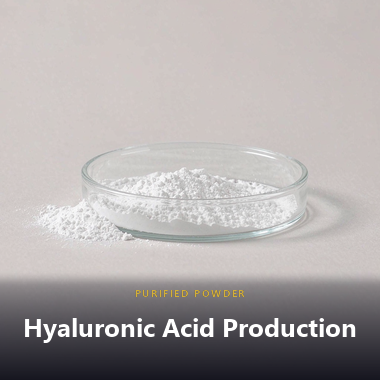
Capacity, Grade, and Process Choices That Set Hyaluronic Acid Production Plant Cost
The budget is largely determined by three early choices: What you earn, the grade you sell, and the procedure you run. Table 1 shows the impacts of them.
| Decision | What it changes | Budget effect |
|---|---|---|
| Capacity | Tank volume, utilities, building size | Higher capital, lower cost per ton at scale |
| Product grade | Validation, testing, cleanroom class | Pharmaceutical grade costs more than cosmetic or food grade |
| Strain and yield | Fermenter volume per ton | Higher titer reduces equipment size |
Production Capacity and Factory Scale
Capacity dictates the size of the fermenter, the number of tanks, the throughput of purification, the speed of drying and packaging, the load on utilities and the size of the structure. Bigger operations can spread the expense of automation, laboratories and utilities over a bigger output and hence have a cheaper cost per tonne. Facilities that are smaller have a cheaper initial cost, but may have a higher unit cost per. I tell buyers to price capacity on the basis of salable output, not nameplate volume. Real output depends on cycle duration, yield, recovery, cleaning downtime and rejected batches. Asianbios offers technical packages ranging from 50L pilot scale to 100 tonnes manufacturing units. With the measured data of the pilot you may estimate the cost of your hyaluronic acid production facility.
Product Grade and Regulatory Requirements
Grade puts the duty of documentation, testing and cleanliness on. Cosmetic and food grades need less validation than injectable grade, which needs IQ, OQ, PQ, cleaning validation and stronger environmental monitoring. In the U.S. dietary supplements are covered under FDA's cGMP rules in 21 CFR Part 111 and drug grade material is covered under 21 CFR Parts 210 and 211. A novel dietary component might need an NDI notification. Sodium hyaluronate was approved as a new food raw material by the National Health Commission in China in 2021 (Announcement No. 9), with a maximum of 200 mg/day or fewer. This is in EU on a Novel Food track. 1. Determine your target market. Redesigns substantially increase the cost of a hyaluronic acid production facility once building starts.
Strain, Fermentation Route, and Yield
Modern manufacture uses fermentation instead of extracting animal tissue such as rooster combs. Asianbios' approach is based on a genetically altered non-pathogenic strain of Bacillus subtilis. Aerobic fermentation is carried out at 30-37 °C, pH 6.8-7.2 for 48-72 hours. The cells release hyaluronic acid outside the cell which facilitates the extraction. We get 8–12 g/L in our technique, while extraction yields only 0.1–0.5% of the content of the raw material. Higher titer means reduced tank volume per tonne. So strain performance directly moulds hyaluronic acid production facility cost. I also advise customers to have strain authorisation and stability data in writing. Asianbios says effective application is 30% procedure and 70% local execution.
Send an email to producttech@asianbios.com or visit asianbios.com to start your inquiry.
Equipment and Facility Items That Raise Hyaluronic Acid Production Plant Cost
Most of the capital is tied up in plant and structures. Table 2 illustrates the position of the important variables.
| Area | Main variables | Typical risk |
|---|---|---|
| Fermentation | Tank volume, steel grade, CIP/SIP, sensors | Undersized or mismatched tanks |
| Downstream | Filtration, ethanol precipitation, drying | Purity and molecular weight misses |
| Cleanroom and utilities | Class, HVAC, purified water, steam | Overbuilt or underbuilt spaces |
| Packaging and QC | Filling level, lab instruments | Hidden automation and test costs |
Fermentation, Extraction, and Purification Equipment
The cost of a fermenter will depend on the amount of the tank, the grade of stainless steel, the surface finish, the pressure rating, agitation, temperature control, pH and dissolved oxygen probes, sterile air and CIP/SIP functionality. ASME BPE is a common standard for sanitary bioprocess design. The price of a hyaluronic acid production plant is sometimes significantly more determined by the downstream equipment (which determines purity and molecular weight). Membrane filtration, enzymatic proteolysis, activated carbon decolourisation, ethanol precipitation, graded ultrafiltration (500,000-20 million Da) and freeze drying are employed in the production technology of hyaluronic acid. Endotoxin level is ≤ 0.05 EU/mg. Ethanol precipitation has expenditures associated with solvent storage, recovery and explosion protection that are not often considered in early budgets.
Cleanroom, Utilities, and Factory Construction
The price of a cleanroom is determined by its class, size, HVAC capacity and air change rates, and pressure differentials, temperature and humidity control and monitoring. Utilities include purified water, water for injection (as per grade), clean steam, compressed air, chilled water, heating, wastewater treatment and standby energy. Separate streams must be kept for workers, material, product and rubbish. I would have cleaning levels in every room. Prioritize cleanroom spending in areas where the product is exposed. Don't choose the tightest class for storage or utility rooms. The selected cleanroom class sets the required environmental controls and can significantly affect the cost of the hyaluronic acid production plant, while allowing room for further development.
Filling, Packaging, and Quality Control Equipment
Hyaluronic acid is transported in powder form, or as liquid sodium hyaluronate, or as a bulk intermediate. Asianbios puts white powder in 25kg drums. Manual, semi-automatic and fully automatic filling lines have different labour, accuracy, traceability and capital costs, so don't choose the choice based on the greatest advertized speed, but rather on your expected use rate. You may need instruments for molecular weight by GPC, endotoxin by LAL, microbiological limits, moisture, pH, viscosity and residual protein in the quality control lab. Budget these instruments and competent analysts as a package. A plant that can't send batches out the door quickly kills its cash flow.
Installation, Location, and Equipment Choices That Move Hyaluronic Acid Production Plant Cost
Once the tanks are in place, the budget will continue to be affected by local conditions and the choice of new versus used equipment.
Installation, Engineering, and Commissioning
Installation, Engineering and Commissioning purchase prices rarely cover the full task. Installation includes equipment setup, process piping, electrical, instrumentation, HVAC and utility connections, and control integration. Your chief engineer will review P&IDs created by the engineering, plant layout, equipment list, process parameters, utility calculations and energy and consumption tables. The scope of commissioning covers FAT, SAT, trial runs, operator and maintenance training and spare parts preparation. Asianbios provides technological solutions and ongoing assistance. Our professionals and labs can give you experimental verification before you commit. Clear scope shortens ramp up, shows who owns what work and keeps hyaluronic acid production facility cost from wandering.
Regional Differences: China, Europe, and the United States
Labour, construction, stainless steel, engineering, energy, products, duties and certification vary by place. A plant in China bypasses the ocean freight and import requirements. The budget must cover costs of commodities, insurance, customs clearance, taxes, installation manpower and technical travel for equipment shipped to the United States. Local pressure-vessel, fire and environmental requirements may need design changes. US sites are 60 Hz power versus 50 Hz in China. You can compare quotations on total delivered and running cost, but if you include compliance and integration a cheap factory price can be for naught. This is the negative side of the cost of a hyaluronic acid production factory for foreign projects.
New Versus Used Production Equipment
Used equipment can be suitable for trial work or low volume and reduces upfront spending. Before you buy, check the refurbishment cost, maintenance history, condition of the control system, supply of spare parts, warranty and validation records. Older tanks and dryers may be less energy efficient and outdated controls may not interface with new systems or fulfil GMP requirements. New equipment will usually have solid support, the right specs for pharmaceutical grade, long high-volume runs, verified automation, full traceability and growth plans. Don't pick the first price you see, pick by risk tolerance, product grade and compliance goals.
Operating Cost, ROI, and Ways to Control Hyaluronic Acid Production Plant Cost
The first bill is only construction. The next three topics concern the plant's return on investment.
Operating Costs and Yield Effects
Fermentation media. Operating cost starts with raw materials and utilities. In our procedure glucose and yeast extract powder are used, based on maize starch derivatives as sustainable raw materials. Utilities, labour, maintenance, filters, consumables, testing, packaging, waste treatment, regulatory fees and depreciation are next. Cost per kilogram is more influenced by yield, purification recovery, drying efficiency, uptime and batch rejection rates than most buyers realise. If you increase the recovery by one point, you reduce the consumption of raw materials and utilities per sellable kilogram, therefore ask for data on recovery per purification stage and get suppliers to write down quotas for energy and consumption.
Building a Practical ROI Model
Compare the overall investment of the project to the annual net operational profit. Include selling price by grade & molecular weight, plant load, maintenance, finance cost and ramp up assumptions. Make three scenarios: cautious, expected and high demand. The conservative case is one that finance teams should focus on the most, as early batches tend to underperform design output. Include working capital for raw materials, completed goods inventory, and receivables. This is a real financial need, even if it is not equipment. A model with these items produces a more credible payback estimate than a model based on equipment price alone.
Practical Strategies to Control Spending
Start with market and product definitions, then discuss price. Verify if you will offer cosmetic, food, medicinal or pharmaceutical grade. Specify molecular weight, purity, certificates, capacity and packaging. Use modular design to establish a viable beginning capacity and to reserve floor space and utilities capacity for growth. Let us process the data to establish equipment size, batch plan and drying selection. Add the energy, labour, maintenance, consumables, downtime, validation and service life to the purchase price to determine the lowest lifetime cost. Asianbios also provides samples and a minimum purchase of 1 kilogram, so you may verify the cost assumptions of your hyaluronic acid production facility and production technology of hyaluronic acid before deciding on the line size.
Send an email to producttech@asianbios.com or visit asianbios.com to start your inquiry.
How to Compare Quotations and Run Procurement
Quotations only help if they are in the same scope. The lines I look at first are listed in Table 3.
| Quotation line | What to confirm | Risk if missing |
|---|---|---|
| Capacity basis | Saleable output per year | Hidden shortfall |
| Steel and components | Grade, brand, finish | Unplanned upgrades |
| Purification scope | Every unit operation listed | Bottlenecks |
| Installation and validation | Included or excluded | Surprise charges |
| Training and spares | Hours and parts list | Slow ramp-up |
| Warranty and payment | Milestones tied to acceptance | Cash exposure |
Reading Quotations Line by Line
A sound quotation must clearly define equipment, engineering, cleanroom and utility scope, installation, commissioning, validation, training, spare parts, warranty, delivery, payment conditions, exclusions and buyer duties. Send the identical technical specification to each supplier so you are comparing apples to apples. Beware of inexpensive pricing that do not include purifying units, grades of steel, automation or installation. Ask for reference projects where similar fermentation work has been done and check example paperwork (P&IDs, layouts, etc.) before ranking the bids. The discipline brings the price of the real hyaluronic acid production plant to the fore.
Checking Strain Rights and Process Maturity
The equipment carries as much risk as the process maturity and strain rights. Request pilot data. Confirm that outcomes scale up from 50L work to commercial size. Request formal strain approval, scope of use and stability data across several batches as a licensing disagreement can halt a finished plant. Check range of molecular weight, endotoxin findings and yield under stated parameters. The technique allows adjustment of the molecular weight from 500,000 to 20 million Da. As it is microbial, it also reduces animal-derived disease issues such viruses and prions.
A Step-by-Step Procurement Sequence
The framework makes decisions clear. Test the procedure, do minor tests, then launch a pilot. If you are within your target, sign the process package contract and get on with equipment manufacture, commissioning and acceptance. Establish product type, grade, annual capacity, batch size, molecular weight, purity, packaging and delivery schedule before signing. Pay for specific and verifiable goals (FAT, SAT, performance testing, documentation, etc.). Give each phase the time it requires; a thorough assessment may take many months.
Conclusion
The hyaluronic acid production plant cost depends on a chain of related decisions, not on a single equipment price. Capacity, product grade, strain yield determine the base. It is the basis for fermentation, purification, cleanroom, utility, packaging and laboratory systems, with additional expense coming from installation, commissioning, regional freight and compliance and the new or used choice. Cost per kilogram is driven by yield, recovery and uptime. Operating cost and ROI then dictate if the facility pays back. Risk is reduced by comparing quotes with an equivalent scope, validating the strain rights and process maturity and buying in stages. So the cheapest quote on equipment doesn’t always mean the cheapest lifetime cost.
FAQ
1. What is the biggest driver of hyaluronic acid production plant cost?
The biggest impact is capacity and product grade. Next are purification equipment, cleanroom class, and validation scope.
2. Is pharmaceutical grade much more expensive than cosmetic grade?
Yes, in general. Injectable grade requires more stringent testing, documentation, qualification and control of contamination which increase both capital and operating expenses.
3. Should I buy a turnkey package or source from several suppliers?
One technical package eases integration, commissioning and training. Multi-supplier sourcing is a good fit if you have a strong engineering staff. In any case ask for a project quote.
4. How can I reduce investment risk?
Don’t overbuild capacity, select the right automation, design for modular growth, compare total cost of ownership, and validate pilot data before you invest.
Request a Customized Hyaluronic Acid Production Plant Cost Quotation from Asianbios
Asianbios may evaluate your capacity, grade and target market and then define a technical package and discuss your cost of hyaluronic acid production plant. We are hyaluronic acid production plant cost provider with CGMP, FSSC22000, ISO9001, HALAL, KOSHER, Organic, HACCP certifications and provide OEM/ODM service with samples. Send an email to producttech@asianbios.com or visit asianbios.com to start your inquiry.
References
-
Biotechnology Letters, 2007: "Hyaluronic acid: a natural biopolymer with a broad range of biomedical and industrial applications."
-
Microbial Cell Factories, 2011: "Microbial production of hyaluronic acid: current state, challenges, and perspectives."
-
Metabolic Engineering, 2018: "Metabolic engineering to enhance heterologous production of hyaluronic acid in Bacillus subtilis."
-
U.S. Food and Drug Administration, Code of Federal Regulations Title 21 Part 111, 2007: "Current Good Manufacturing Practice in Manufacturing, Packaging, Labeling, or Holding Operations for Dietary Supplements."
-
American Society of Mechanical Engineers, ASME BPE, 2022: "Bioprocessing Equipment."
-
National Health Commission of China, 2021: "Announcement No. 9 on New Food Raw Materials."
About the Author

Asianbios
Our purpose is to forge a legacy of stewardship, advancing initiatives that honor and preserve the ecological integrity of our planet.

Send Inquiry
Related Industry Knowledge
- The Power Of Peptides In Anti-Wrinkle Skincare
- Peptides for Wrinkles: Best Anti-Wrinkle Peptides Guide
- Flash Dryer Device: How It Works in Industrial Processing
- How does a low temperature evaporator improve product yield?
- Freeze Dried Kale Best Recipes & Guides from Experts
- Sea Buckthorn Powder Benefits, Nutrition & Wellness Uses
- Orange Powder: Nutrition, Benefits and Uses
- Where to Buy Sleep Aid Jelly Online Safely
- Benefits of Best Sleep Aid Tablets for Stress Relief
- Dried Kale Powder for Supplements: A Complete Guide