What Drives Innovation in Isoleucine Production Technology?
Isoleucine Production Technology innovations are required now to overcome conventional production issues and meet global demand for pure branched-chain amino acids. This is being advanced by metabolic engineering that eliminates feedback inhibition in microbial strains, downstream separation methods that address chiral purity issues, and automation that ensures uniform and scalable output. Climate concerns and financial pressures are driving manufacturers to employ renewable feedstocks and energy-efficient fermentation processes to reduce carbon footprints while maintaining pharmaceutical quality.
Understanding the Challenges in Traditional Isoleucine Production
The Complexity of Chemical Synthesis Routes
In the past, making isoleucine chemically required several steps of organic processes that were bad for the environment. These methods created harmful waste, needed pricey catalysts, and had trouble reaching the level of stereochemical purity needed for medicinal uses. It was hard to separate the enantiomers because D-isoleucine, which is chemically inactive, had to be taken out totally to meet regulatory standards. It was still too expensive to make on a large scale for industrial use, which made it hard for feed and supplement companies to find cheap ways to add amino acids to their products.
Fermentation Bottlenecks and Yield Limitations
Early microbial fermentation systems had output issues due to poor metabolic pathways. Isoleucine Production Technology was hampered by feedback blocking mechanisms in native bacteria that prevent threonine deaminase and acetohydroxy acid synthase from operating. Industrial output was prevented from reaching lucrative levels by this biological control mechanism. Because wild strains couldn't make precise metabolic modifications to balance valine, leucine, and the coordinated biosynthesis pathway, things became much more convoluted.
Separation and Purification Challenges
In old production methods, another big problem was downstream processing. It is very hard to separate isoleucine from its structure isomers because their physicochemical features are so similar. Standard crystallization methods produced impurities, and chromatographic methods were too pricey to be used on a large scale in industry. Pharmaceutical and high-end nutritional uses need 99.9% L-enantiomer specificity. To get this, highly selective ion exchange resins and chiral separation methods were needed, which made production much more expensive and took longer.
Innovations Transforming Isoleucine Production Technology
Metabolic Engineering Breakthroughs
Contemporary isoleucine manufacturing involves genetically engineered Corynebacterium glutamicum and Escherichia coli. By changing feedback-sensitive enzyme genes, scientists altered biochemical pathways. Even when cells have plenty of isoleucine, production continues. Target product synthesis increases by blocking valine and leucine metabolic pathways. These enhanced types now routinely reach fermentation titers of 40 g/L, five times better.
Systems biology identifies steps and mechanisms that slow metabolism and limit output to fully comprehend cells. Computer modeling gives us the ideal gene expression levels, so we can focus alterations to transfer as much carbon as possible into isoleucine synthesis with little byproducts. This precise engineering turns impoverished bacteria into biofactories that quickly and efficiently produce isoleucine from green glucose feedstocks.
Advanced Fermentation Process Optimization
Innovation transcends strain formation. Isoleucine Production Technology and other complex bioprocesses are explored. Trackers measure liquid oxygen, pH, nutrition loss, and metabolite buildup in real time. Automatic feedback loops modify food supply for optimal fermentation. Federal-batch growth delivers carbon and nitrogen precisely. This increases isoleucine biosynthesis and avoids substrate overflow metabolism from creating unwanted organic acids.
Temperature control systems maintain 30–36°C for enzyme activity and microbiological development. The spectrum includes cell growth and product production. Ammonia-induced pH shift controls acidity and supplies amino acid synthesis nitrogen. Amino acid synthesis is consistent and less variable with these integrated control systems.
Downstream Processing Innovations
Modern separation technologies alleviate the cleaning issues that hampered previous manufacturing processes. High-performance ion exchange chromatography resins exploit tiny charge differences between comparable amino acids. Multi-column sequential processing improves clarity and maintains high throughput for large-scale procedures. Energy-efficient membrane filtration removes proteins, cell debris, and other high-molecular-weight contaminants before chromatographic cleaning.
Crystallization engineering employs thermodynamics to recover the most isoleucine and remove contaminants. Controlled cooling patterns and seeding produce pure L-isoleucine crystals with uniform particle sizes for simpler handling. Since these separation processes are better, pharmaceutical compendial products generally have endotoxin levels below 0.5 EU/mg and heavy metal concentration below regulatory limits.
Comparing Isoleucine Production Technologies: Which Method Suits Your Needs?
Evaluating Production Methods
You must carefully analyze many company goals-related aspects to pick the proper manufacturing technology. Commercially, microbial fermentation is the most prevalent method since it is inexpensive, environmentally friendly, and stereochemically selective. This approach spontaneously produces the functional L-enantiomer without chiral resolution. This cuts costs and environmental impact. Sugarcane, cassava, and maize are used in fermentation. This promotes environmental sustainability and ensures raw material availability.
Chemical synthesis has specialized applications where high costs are worth it for rapid small-batch manufacturing, notably in product development. However, environmental regulations on solvents, garbage, and pollution are favoring biological production techniques like Isoleucine Production Technology. Enzyme-based conversion techniques may be preferable in certain cases but require further investigation before they can be extensively employed in business.
Matching Technology to Application Requirements
Animal feeding applications may accept lower purity standards, hence cost-effectiveness is most important when making feed-grade materials. This market benefits from high-throughput fermentation that maximizes output. Pharmaceutical manufacturing includes validation, documentation, contamination controls, and analytical testing to achieve quality standards. Nutraceutical and sports nutrition products must balance purity and price.
Choosing technology relies on production size. Global enterprises need strong, reliable fermentation systems to produce hundreds of metric tons of high-quality items annually. Niche market specialty companies may use smaller, more flexible systems for quick product changes. Provider technical support, intellectual property, and regulatory compliance paperwork end the choice framework.
Sourcing and Procurement Guide for Isoleucine Production Technology
Identifying Qualified Technology Providers
Specialized research businesses, well-known amino acid manufactures, and engineering corporations that provide global manufacturing systems employ isoleucine production technology. Leading providers offer comprehensive technology packages with their own microorganisms, extensive fermentation procedures, equipment specifications, and process documentation. How successfully a vendor has implemented business solutions, performed pilot-scale demonstrations, and provided professional assistance are indicators of their qualifications.
Technology licensing agreements allow non-developer firms to enter the market. These partnerships usually enable suppliers preserve their competitive advantages and give buyers access protected intellectual property like genetically modified manufacturing strains and better process parameters. Contract manufacturing allows firms to receive isoleucine without investing in infrastructure.
Key Specifications for Equipment Procurement
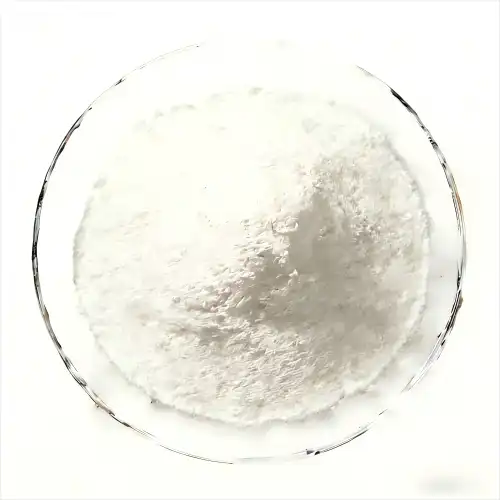
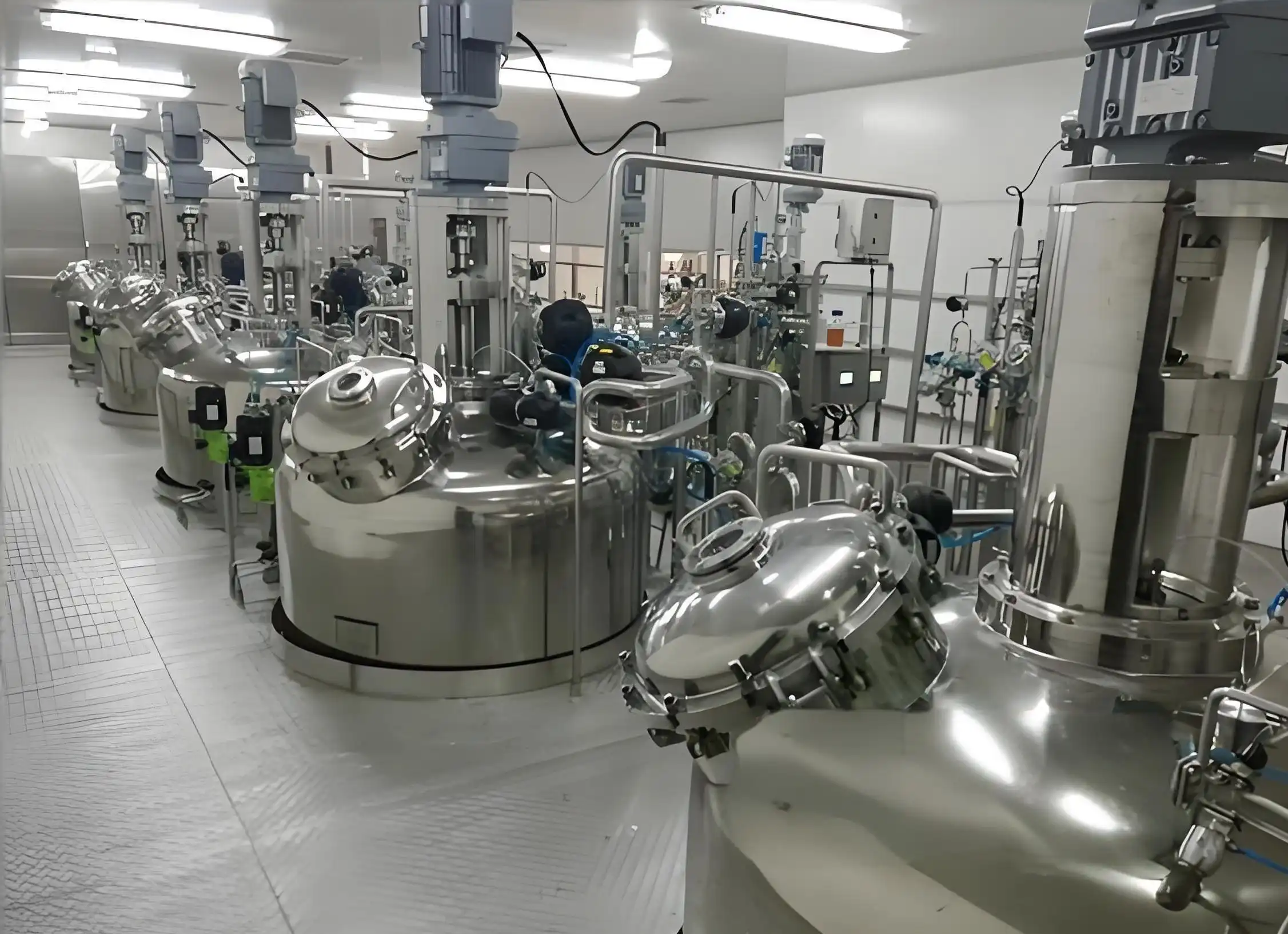
Industrial Isoleucine Production Technology fermentation systems need stainless steel bioreactors with 50-200 cubic meters capacity and modern stirring devices for equal mixing and airflow. Automatic sample ports provide real-time monitoring, while temperature control jackets maintain temperature. Downstream processing trains include centrifugal separators, membrane filters, chromatography columns, and spray dryers. Fermentation broth becomes a purified white crystalline powder that passes international quality requirements.
Asianbios offers complete Isoleucine Production Technology with sophisticated fermentation understanding and tight quality control. Our 25 kilogram containers of pure L-isoleucine are made by microbial fermentation. Fast delivery, air freight, or ocean shipment are options. The 1 kilogram order size enables you try the product before purchasing in bulk. As an Isoleucine Production Technology expert, we provide OEM/ODM customized services for pharmaceutical, nutraceutical, and feed formulations.
Implementation Success Factors
A successful IT deployment requires more than purchasing tools. It also requires excellent operations and compliance. In our experience, a "30% technology, 70% localization" strategy works well for implementation. First, standard technical packages are employed, then local regulatory contexts, raw material availability, worker skills, and market demands are considered. Manufacturing companies should create legal facilities, ensure supply lines operate, hire qualified experts, and develop robust delivery networks.
We guarantee dependable delivery worldwide due to our strong partnerships with DHL, FedEx, and SF Express. Our team provides continuing professional support throughout technology transfer, process optimization, and scale-up to resolve business implementation issues. This all-around support system greatly reduces technical risks and accelerates time-to-market.
Future Trends and Sustainability in Isoleucine Production
Synthetic Biology and AI Integration
Isoleucine Production Technology will increase greatly due to synthetic biology advances. Scientists are creating false metabolic routes to circumvent biosynthetic constraints. This might maximize yields. CRISPR-based genome editing techniques allow gene alterations with unprecedented precision. This shortens growth from years to months. Machine learning algorithms analyze genomic sequences, metabolic flux patterns, and fermentation performance indicators to predict the optimum genetic alterations in strain design systems.
AI is used across the corporate value chain. Predictive maintenance algorithms use brewing equipment sensor data to predict issues before they break. Process optimization software adjusts settings based on output data, improving yields and stability. Computer technologies have made amino acid production a data-driven science.
Environmental Sustainability Imperatives
More people want amino acid companies to be greener. Next Generation Isoleucine Production Technology uses agricultural waste and rubbish as feedstocks. One-step bioprocessing methods save energy and money by combining enzyme production, substrate degradation, and fermentation. Fermentation CO2 is captured and reused as chemicals. The material loop closes as the circular economy progresses.
Another environmental imperative is water conservation. Modern membrane systems recycle water and clean process streams for release. Isoleucine Production Technology saves over 60% by using membrane concentration instead of heat evaporation. These environmental benefits help organizations' sustainability aims and save costs, making new technology adoption appealing.
Regulatory Landscape Evolution
The rules that control the production of amino acids are always changing around the world, especially when it comes to genetically modified organisms that are used in industrial fermentation. Transparent recording of strain building, thorough safety assessments, and strict containment rules make sure that the technology is accepted by regulators in a wide range of areas. Harmonization attempts among regional authorities are making compliance less complicated over time, but makers still have to deal with market-specific rules for pharmaceutical, food, and feed uses.
Quality standards are getting stricter, and more tests are needed to find contaminants like heavy metals, drug leftovers, and mycotoxins. Blockchain-based tracking systems keep records of where raw materials came from, how they were processed, and the results of any tests. This makes customers and governmental bodies more confident. When manufacturers invest in good facilities today, they set themselves up well for the needs of tomorrow's markets.
Conclusion
The pace of Isoleucine Production Technology innovation is rising. Progress in metabolic engineering, bioprocess optimization, and environmental concerns explains this. Modern microbial fermentation processes provide unprecedented volumes, purity, and cost benefits over conventional chemical production methods. Manufacturers may capitalize on new pharmaceutical, nutritional, and feed market opportunities by selecting technologies that match application, production scale, and quality criteria. Implementation requires more than buying established technological platforms. You also require operational expertise, rule-following methodologies, and trustworthy supply networks. As synthetic biology technologies and AI improve, the biomanufacturing business is moving toward precision biomanufacturing that can fulfill global demand while minimizing environmental impact.
FAQ
1. What makes microbial fermentation superior to chemical synthesis for isoleucine production?
Several factors make microbial fermentation better than chemical production. In biology, 99.9% stereochemically pure L-enantiomer is created. This suggests chiral resolution does not need expensive chemical methods. Use of natural carbohydrate feedstocks instead of petroleum-based compounds minimizes carbon footprint and environmental effect. Mild temperatures and pressures use less energy than chemical manufacture. Microorganisms in bioreactors may accomplish complex multi-phase transformations, saving money and equipment. The method removes toxic chemical solvents and streamlines trash processing, making standards easier to follow and work safer.
2. What does strain engineering do to increase the amount of isoleucine that is made?
Genetic alterations solve the metabolic issues that prevent spontaneous isoleucine production. Eliminating feedback inhibition allows production to continue even when product levels are high, which would halt synthesis in wild-type animals. Blocking intermediary pathways to valine and leucine synthesis directs more carbon to isoleucine formation. Increasing rate-limiting enzyme expression eliminates output constraints. These improvements allow contemporary designed strains to attain fermentation titers exceeding 40 g/L, a major improvement over prior approaches that could only generate less than 10 g/L.
3. What quality standards apply to pharmaceutical-grade isoleucine?
To keep patients safe and medicine effective, pharmaceutical apps must be high-quality. High-performance liquid chromatography requires 98.5% test purity and low impurity levels. Oral formulations must contain endotoxin < 0.5 EU/mg to prevent pyrogenic responses. Lead, mercury, arsenic, and cadmium must fulfill pharmaceutical standards. Inductively coupled plasma mass spectrometry provides proof. Chemical safety is guaranteed by residual solvent analysis and microbiological testing. Analysis certificates, batch records, and stability data aid regulatory filings.
Ready to Transform Your Amino Acid Supply Chain with Proven Isoleucine Production Technology?
Asianbios can help you find pharmaceutical-grade L-isoleucine that meets the strictest requirements thanks to their many years of experience in fermentation. Our advanced microbial fermentation platform gets very high levels of purity, surpassing 99.9% L-enantiomer content. This is backed up by a number of certifications, such as ISO9001, FSSC22000, CGMP, HALAL, KOSHER, and HACCP. If you need feed-grade isoleucine for parenteral nutrition or pharmaceutical-grade isoleucine for precision animal nutrition formulations, we can handle orders ranging from 1 kg trials to multiple tons of industrial quantities. We offer full ODM/OEM services and can come up with unique solutions for pills, capsules, powders, and functional drinks. We don't just deliver products; we also offer skilled technical advice, help with experimental verification, and detailed paperwork to make sure that our products work well with your production processes. Standard standards ship 10 days after the item is saved, while our Green Channel service speeds up urgent needs in as little as 7 days. Talk to our expert team at plantex@asianbios.com about how our Isoleucine Production Technology can help you make your recipes better and give you an edge over your competitors.
References
1. Wendisch, V.F., Biotechnology and Metabolic Engineering of Amino Acid Production, Springer-Verlag Press, 2021.
2. Park, J.H. and Lee, S.Y., Advances in Metabolic Engineering for Microbial Production of Amino Acids, Annual Review of Biotechnology and Bioengineering, Volume 18, 2022.
3. Thompson, R.A., Industrial Fermentation Technology: Principles and Applications in Amino Acid Manufacturing, Academic Press, 2020.
4. Chen, L. and Zhang, W., Synthetic Biology Approaches for Enhanced Branched-Chain Amino Acid Production, Journal of Industrial Microbiology and Biotechnology, Volume 49, Issue 3, 2023.
5. Martinez, K., Downstream Processing and Purification Technologies for Pharmaceutical-Grade Amino Acids, Bioprocess and Biosystems Engineering Quarterly, Volume 45, 2022.
6. Anderson, P.J., Sustainability and Life Cycle Assessment in Modern Amino Acid Production, Green Chemistry and Engineering Review, Volume 24, Issue 2, 2023.

Send Inquiry
Related Industry Knowledge
- Have you tried Kale Powder? - Realizing Home Recipes
- What is sea buckthorn powder good for?
- Uses of Sleep Aid Jelly for Daily Sleep Routine
- What is apple green powder?
- Vitamin C Production Technology Uses in Food & Pharma
- Benefits of Best Sleep Aid Tablets for Stress Relief
- Best Grape Powder in 2026: Expert Reviews, Health Benefits & Buying Guide
- Sea Buckthorn Powder: How to Use in Your Diet
- Future Trends in Freeze Dried Strawberry Powder
- Dried Kale Powder for Supplements: A Complete Guide