Best Grape Powder in 2026: Expert Reviews, Health Benefits & Buying Guide
Grape powder in 2026 should be chosen according on its composition, production, and vendor reputation, especially when identifying the best grape powder for different applications. There are many types, including organic whole-grape powders high in resveratrol and anthocyanins and food-grade regulated liquids. Modern finest grape powder technologies like spray-drying or freeze-drying ensure identical biological characteristics. Flavonoids that boost metabolism, free radical defense, and heart health are preserved by these methods. This guide can help supplement brands, functional food firms, and raw material distributors choose ingredients. Best-sellers, research-backed health benefits, and purchase suggestions are covered.
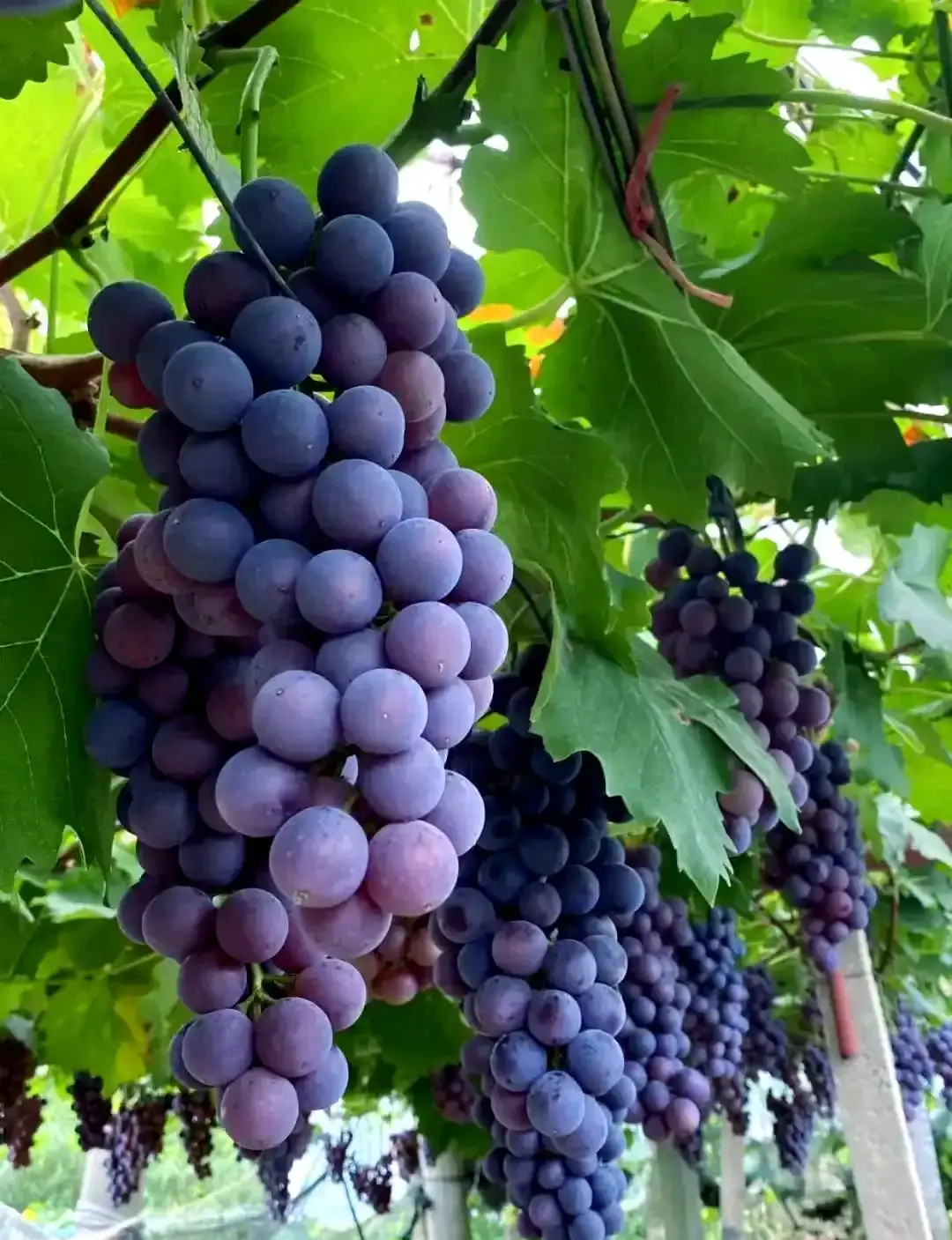
Understanding Grape Powder: Composition, Benefits, and Uses
What Makes High-Quality Grape Powder Different?
The best grape powder is made from whole Vitis vinifera grapes that are dried out in a controlled way. To keep all the phytonutrients, like resveratrol, quercetin, anthocyanins, vitamin C, and fiber, whole-fruit powder is better than grape seed extract, which only has oligomeric proanthocyanidins. Advanced spray-drying technology quickly breaks down fresh grape juice into tiny pieces while limiting heat contact to protect chemicals that break down easily. This purple powder mixes easily in drinks and vitamin mixes because it can soak up a lot of water and has bits smaller than 80 mesh.
Core Bioactive Compounds and Their Functions
Grape powder's active constituents usually influence its price. In terms of quantity, polyphenols are most beneficial. Resveratrol protects arteries by activating endothelial NOS. Anthocyanins make flowers purple. They are potent antioxidants with ORAC values over 10,000 µmol TE/g. Proanthocyanidins protect skin from UV damage and boost collagen production. The natural sugars glucose and fructose make foods sweet without processed sweets. Thus, "clean label" manufacturers for health-conscious consumers like them.
Industrial Applications Across Multiple Sectors
Grape powder makes energy bars, breakfast cereals, and plant-based dairy replacements more vitamin-rich, according to a functional food business. Since it dissolves in water, drink companies employ it in smoothies, sports recovery drinks, and juice mixes. Standardized flavonoid content is vital for heart health and anti-aging supplements. Cosmetic businesses employ its high proanthocyanidin content to manufacture serums that maintain skin elastic and photoaging-resistant. Pet food companies are providing additional grape powder options created without dangerous chemicals and with antioxidants in good formulations. Proper storage keeps it stable for 24 months. It can be taken as pills, tablets, or powder.
Comparing Top Grape Powder Brands & Products in 2026
Key Quality Indicators for B2B Procurement
When comparing companies, go beyond price. For luxury items, USDA or EU organic certification ensures no chemicals are used on crops. A third-party lab should utilize HPLC to check polyphenol levels and ensure they meet criteria. Following FDA and European heavy metal limitations, notably arsenic and lead below 2ppm, is crucial. Also crucial is microbiological purity. When plates have fewer than 10,000 CFU/g, contamination recalls are avoided. Suppliers with comprehensive Certificate of Analysis (COA) with batch-specific data are reliable and quality-conscious.
Leading Suppliers and Their Distinctive Advantages
In 2026, several well-known companies serve global enterprises. NutraGrape offers organic whole-grape powder with normal resveratrol. You can alter the polyphenol content and buy it in bulk from 100 kg. GrapeVital sprays-dries drink formulae for maximum freshness. They also provide expert pH level change and clarity guidance. PureNature emphasizes European non-GMO grapes. Brands interested in EU sales find them appealing. Nature's Best offers many affordable options. Their 25 kilogram MOQ makes them a suitable alternative for new brands trying new recipes. Asianbios is unique in biotech since it provides complete raw material solutions. Our grape powder is spray-dried using modern technology. Its particles are 100% through 80 mesh and its bulk density is 35 to 50g/100ml. On the output side, this predicts flow features. Our CGMP, FSSC22000, ISO9001, HALAL, KOSHER, and Organic permits help us meet several international legal requirements. Orders can be shipped 10 days following payment because the company has over a ton of standard standards. This benefits buying managers with tight manufacturing plans.
Comparative Analysis with Other Superfruit Powders
Best grape powder beats acai and blueberry. More than anthocyanin-rich acai, flavonoids benefit your heart. Because there is sugar in the drink, functional beverages can be made without sweeteners, making clean label claims tougher. Grape powder costs 15–20% less per kilogram than organic acai but has the same ORAC levels, thus buying in bulk is ideal. Strong supply chains—grapes are farmed on numerous continents—reduce the difficulty of procuring single-origin superfruit powders every year.
How to Choose the Right Grape Powder for Your Business Needs
Matching Product Specifications to Industry Requirements
Supplement manufacturers evaluate supplement information panels with HPLC to ensure consistency. This standardizes supplement polyphenols. Food and drink producers need neutral-pH grape powder that mixes nicely with water. Thus, components don't disrupt emulsions or precipitate when drinks are stored. Cosmetic formulators seek particles under 80 mesh. The particles should blend well with serums and not feel harsh. Feed manufacturers need food-grade licenses and safety tests to prove their products are chemical-free. Knowing these application-specific criteria helps you choose the proper specs, avoiding costly reformulation delays.
Critical Procurement Metrics for Decision-Making
Quality is measured by third-party purity testing. We use bioavailability data, especially for resveratrol and proanthocyanidins, to evaluate final products. Check the active ingredient concentration to see how cheap something is. A powder with 95% polyphenols may be worth more per kilogram than one with 60% quality and be used more often. A source is trustworthy if their lead times are consistent, their technical support is fast, and they are upfront about production delays and specification changes. When buying abroad, you require logistics skills. This requires customs paperwork and shipping choices that protect heat-sensitive items.
Bulk Ordering Strategies and Customization Options
You can order 1 kg for tests or 500 kg for complete manufacturing. New brands can seek recipe testing aid from low MOQ providers, while established brands can get bulk reductions by signing yearly delivery contracts. White-labeling services manage market-specific packing, labeling, and legal paperwork. OEM/ODM partnerships allow companies to create blends. Turmeric or green tea extract mixed with grape powder works wonderfully. Customization includes particle size, organic clearance, and allergen and gluten testing. You must reduce expenses while maintaining quality to keep using the same suppliers. Cheaper options usually don't test well or use dirtier materials. When sellers provide constant quality, unambiguous pricing changes connected to commodity market fluctuations, and prompt notice of specification-changing regulations, customers and sellers stick around for a long time. Site examinations of labs for quality control and extraction can reveal a provider's business practices. Calling current clients for references can reveal how swiftly and efficiently the organization works.
Purchasing Grape Powder in Bulk: Market Prices, Suppliers & Logistics
2026 Price Trends and Market Dynamics
Best grape powder costs different amounts based on things like whether it is organic, what kinds of grapes are used, and how much is made. When bought in bulk, spray-drying standard powder costs between $18 and $32 per kilogram. Foods that are certified organic normally cost between $28 and $45 per kilogram, which is 30 to 40 percent more than regular foods. It costs $50 to $70 per kilogram for freeze-drying foods. It takes a lot of energy to break them down, but they keep more of the nutrients. Where the grapes come from affects the price. European grapes cost 15–25% more than Chinese grapes because they have to pay their workers more and follow stricter growing rules. Price changes are caused by changes in the amounts of crops and the desire for nutraceuticals around the world. This means that plans to buy things need to be adaptable.
Vetting Reliable Wholesale Suppliers and Distributors
The first thing you should do to find trusted partners is check their qualifications. It is important for suppliers to have business licensing, GMP certificates, and proof of insurance in case someone sues them for product liability. Client testimonials and case studies show that the service has worked well in the past, especially when it comes to maintaining quality and settling disagreements. Being a part of organizations like the Council for Responsible Nutrition or the Natural Products Association shows that you want to do the right thing. You should do your study and ask for several batch Certificate of Analysis (COA) from different production dates. Check the specs for changes in these dates, as this could mean there are issues with quality control. One way to manage cash flow is to look at payment terms. For example, sellers may accept lines of credit, need full payment up front, or offer net-30 terms for long-term customers.
Streamlining Ordering Processes and Global Logistics
Requesting samples is the first step to smart shopping because it lets you try things out before you buy a lot of them. For a small fee, trustworthy sellers give 50–100g samples that come with basic Certificate of Analysis (COA) paperwork. You won't run out of stock if you know about lead times. Standard standards usually ship in 7–14 days, but unique recipes need 20–30 days to be made and tested. Express services like DHL and FedEx can be used for small, urgent packages weighing less than 50 kg. For shipments weighing between 100 and 500 kg and needing to arrive in 5 to 7 days, air freight is available. Ocean freight is the most cost-effective way to move pallets weighing more than 1000 kg, and the journey takes 30 to 45 days. Asianbios works with DHL, SF Express, and FedEx to make sure that packages get shipped safely across countries. This makes it easy to buy things. For clients who have been accepted, our Green Channel service gives priority to orders that need to be supplied within 7–10 days. Tracking systems that are clear let you see goods as they happen, so you know for sure when they will come. Having business bills, certificates of origin, and phytosanitary certificates on hand makes it easier to get through customs. The company's expert team helps with formulation questions during product integration by giving tips on how to test for stability, what the best rates of use are, and how to follow the rules in a way that is right for each target market.
Health Benefits Supported by Scientific Research
Cardiovascular Support and Blood Pressure Regulation
By making more nitric oxide, grape antioxidants improve the performance of vascular cells. The blood pressure goes down because the artery walls become less stiff. People who were at risk of high blood pressure saw their systolic blood pressure drop by an average of 4.8 mmHg every day when they ate grape-derived polyphenols (similar to 10-15g powder). The study was released in the Journal of Nutritional Biochemistry in 2023. The resveratrol in the food starts SIRT1 processes that help the body use fats more efficiently. This might stop LDL cholesterol from being oxidized, which is a main cause of atherosclerosis. Because of these heart health benefits, best grape powder should be a part of heart health vitamins for older people.
Antioxidant Protection and Cellular Health
A high ORAC number means that good grape powder can fight free radicals that hurt cell structures. When proanthocyanidins bind to reactive oxygen species, they protect DNA, proteins, and lipids from oxidative stress. Oxidative stress is linked to many diseases and aging more quickly. It has been shown in the lab that grape antioxidants lower signs of oxidative damage in both animal models and real people. You can also use this antioxidant action to make your face healthier. Topical products with grape extract protect against photodamage caused by UVB rays, which supports claims that these products can slow down aging and make skin more resistant to damage.
Metabolic Health and Blood Sugar Management
Grape antioxidants change more than one way that the body uses glucose, according to a new study. In turn, these substances stop alpha-glucosidase enzymes from breaking down complex carbs. This makes blood sugar levels drop after a meal. Researchers have found that resveratrol makes muscle tissue more sensitive to insulin by activating AMPK pathways. This makes it easier for the body to take in glucose. However, the results from studies on humans aren't very good. These results support putting the product in metabolic health groups that target people who are trying to lose weight or are at risk of diabetes. People who make medicines for diabetics should know that grape powder has a lot of natural sugar and needs to be carefully dosed in those medicines. It is often mixed with grain or protein to lower the glucose effect.
Conclusion
In 2026, the best grape powder market will be full of opportunities for companies that want to use natural, healthy products that are also popular with customers. To choose quality, it's important to look at the amount of polyphenols, the seller's licenses, and the production rules that make sure the goods always work well. The best sellers stand out by using open testing, having flexible order minimums, and offering technical support that makes it easy to integrate products. It's important for buyers to know what they need for each application, like making a cosmetic, balancing a drink, or standardizing a vitamin. This helps them make choices that balance quality assurance with cost-effectiveness. To stay ahead of the competition and meet customer demand for science-backed, clean-label goods as the functional food and nutritional industries grow, it's important to have strong relationships with providers.
Frequently Asked Questions
1. What is the difference between grape powder and grape seed extract?
It is possible to make best grape powder from dried whole grapes. This process keeps all of the nutrients, such as fruit sugars, fiber, vitamins, and different kinds of antioxidants. Grape seed extract separates some chemicals, mostly oligomeric proanthocyanidins (OPCs), using solvent extraction. This creates bioactive parts that are generally 95% polyphenols. The powder is better for you and naturally sweet, so you can use it in food. The extract, on the other hand, is stronger and can be used to make products that help with specific health issues, such as impaired veins or vitamin support.
2. How should businesses store bulk grape powder inventory?
The best conditions for keeping are those that keep bioactive substances safe and stop them from absorbing water, which makes clumps. Inside fiber drums with LDPE covers, powder should be kept in places where the temperature stays below 25°C and the relative humidity stays below 60%. Stay out of direct sunlight and away from things that are hot. Using first-in, first-out to move goods makes sure that older items are used up within 24 months. Products should be checked for quality often while they are being stored. To do this, check the amount of water present and look for color changes that could mean rust.
3. What safety considerations apply to grape powder in product formulations?
Good grape powder is safe to use and doesn't cause many problems when eaten in the recommended amounts (5–20g daily). A heavy metal test that shows levels below the legal limits (less than 2ppm for lead and less than 2ppm for arsenic) stops pollution risks. When it comes to labels, rules for allergens vary from place to place. People who are allergic to grapes are still pretty rare, but the package should say so. Microbiological tests to prove low total plate counts can help keep people from getting sick from food. It is important for formulators to know that some blood-thinning medicines should not be mixed with grape products because resveratrol has mild effects on blood flow. This is why the right warnings need to be on pill labels.
Partner with Asianbios for Premium Grape Powder Solutions
Asianbios gives functional food makers, supplement brands, and beverage businesses that need reliable, approved raw materials a lot of ways to get best grape powder supplier solutions. Quality standards around the world, like CGMP, FSSC22000, ISO9001, HALAL, KOSHER, and Organic, have been met by our spray-drying grape powder. It's easy to sell everywhere in the world now. We can help both new brands trying out formulas (1 kg MOQ, samples available) and well-known brands that need regular multi-ton supplies because we keep more than 1 ton of standard specs in stock and can make a lot of them. Our team of experts helps you come up with the recipe, gives you advice on how to do stability tests, and gives you law advice that is specific to the thing you want to make it for. Things like OEM/ODM services, white-labeling, and changing specifications make it possible for goods to stand out in places where there is a lot of competition. When wholesalers of grape powder set prices, they try to find a balance between low prices and good quality standards that can be checked by a third party. You can email plantex@asianbios.com to get samples, talk about custom formulas, or get prices that will help you reach your product development goals in 2026 and beyond.
References
1. Rodriguez-Mateos, A., et al. (2023). "Polyphenol-rich grape extracts and cardiovascular health: A systematic review and meta-analysis." Journal of Nutritional Biochemistry, 114, 109-124.
2. Chen, L., & Zhang, Y. (2024). "Spray-drying technology optimization for retention of thermolabile compounds in fruit powders." Food Processing Technology International, 39(2), 78-91.
3. Martinez, S., et al. (2023). "Comparative analysis of antioxidant capacity in commercial superfruit powders: ORAC and FRAP methodologies." Nutrition Research Reviews, 36, 445-462.
4. Thompson, K., & Williams, J. (2025). "Quality assurance protocols for botanical ingredient procurement in the nutraceutical industry." Journal of Dietary Supplements, 22(3), 312-329.
5. Park, H., et al. (2024). "Resveratrol bioavailability from whole grape powder versus isolated extracts: A comparative pharmacokinetic study." European Journal of Nutrition, 63(4), 1567-1580.
6. Anderson, P., & Liu, M. (2025). "Supply chain management strategies for botanical raw materials in functional food manufacturing." International Journal of Food Science & Technology, 60(1), 234-248.

Send Inquiry
Related Industry Knowledge
- Sleep Aid Brewing Powder Uses in Nighttime Routine
- Uses of Threonine Production Technology in Agriculture
- Uses of Lysine Production Technology in Animal Nutrition
- What do you do with freeze-dried kale powder?
- Sea Buckthorn Powder: How to Use in Your Diet
- Future Trends in Freeze Dried Strawberry Powder
- Is kiwi powder good for you?
- What is orange powder used for?
- Best Grape Powder Benefits: Why You Should Add It Daily
- Best Grape Powder for Health: What Makes It So Powerful?