Benefits of Fermentation Production Technology Of Hyaluronic Acid
The Production Technology Of Hyaluronic Acid through bacteria fermentation has changed the way that businesses get this important biopolymer. Instead of getting hyaluronic acid from rooster combs like they used to, current fermentation methods use genetically improved bacterial strains to make high-purity hyaluronic acid with molecular weights that can be changed. This breakthrough in biotechnology increases yields, gets rid of the risk of pathogens that come from animals, makes sure that batches are all the same, and supports sustainable production. Over 80% of the world's production capacity is now made up of fermentation-derived HA. This makes it the first choice for cosmetic brands, drug companies, and functional food businesses looking for stable, low-cost raw materials.
Understanding Hyaluronic Acid Production Methods
Traditional Extraction from Animal Sources
To get hyaluronic acid out of rooster combs or other soft tissues made from animal tissue, you have to go through a lot of complicated steps. The amount of raw materials usually only varies between 0.1% and 0.5%, which leads to very low results. The cost of production goes up a lot because of this waste. Animal-derived HA comes with risks that go beyond just being expensive. These risks include virus infection, prion transfer, and allergic reactions from leftover avian proteins. Regulatory organizations are looking more closely at these goods because they need to be able to track them and because animal welfare is an important issue.
Chemical Synthesis Limitations
Chemical synthesis is another way to make HA, but it is still mostly just an experiment for making HA for sale. Production technology of hyaluronic acid faces challenges because the exact alternating polymer structure of natural hyaluronic acid is hard to copy using only manufactured chemistry, which creates big technical problems. It is hard to make chemically synthesized HA have a uniform molecular weight distribution and keep its biological function. The method is also limited by the damage that harsh chemical solutions do to the environment and the difficulty of getting rid of leftover catalysts.
Microbial Fermentation as an Innovation
Microbial fermentation came about as a revolutionary option that fixed the major problems with traditional ways. Fermentation technology uses the natural biosynthetic abilities of certain bacterial types to make HA production predictable, scalable, and long-lasting. This way of making things biologically has become the norm, especially among B2B buyers who care about supply chain security, following the rules, and being good to the environment. The move toward fermentation is in line with larger trends in biomanufacturing, where green science and natural feedstocks are used in ways that make business sense.
Advantages of Fermentation Technology in Hyaluronic Acid Production
Exceptional Yield Optimization and Cost Efficiency
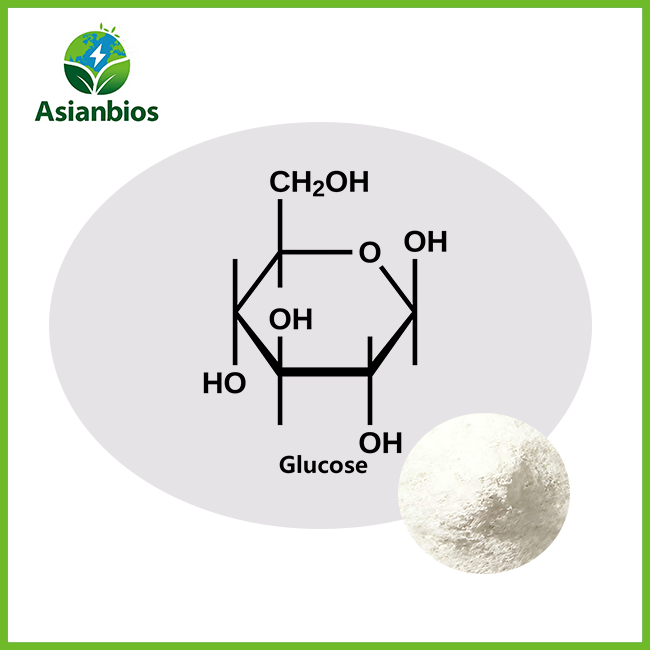
Today's fermentation methods get amounts of 8 to 12 grams per liter of culture medium, which is a huge improvement over older extraction methods. This rise in efficiency directly leads to lower production costs and more affordable prices for people who buy in bulk. As production rates rise, economies of scale become even more advantageous. For example, compared to animal extraction, the costs of large-scale fermentation facilities drop by more than 60%. The main ingredients are glucose made from corn starch, yeast extracts, and vitamin supplements, which are all easy to get and don't change in price. This strong supply chain saves manufacturers from the unstable nature of getting animal tissue, since access changes with the seasons and location.
Precision Molecular Weight Control
One of the best technical benefits of Production Technology Of Hyaluronic Acid is being able to exactly control the spread of molecular weights during fermentation and processing that comes after. Manufacturers can make HA that ranges from very small molecules (3 kDa) to very large molecules (over 3.0 MDa) by carefully choosing the bacterial types they use and tweaking the conditions of fermentation. This ability to be customized is very useful for specific uses. For example, high molecular weight HA (1.5–2.0 MDa) works better for orthopedic injections because it has better viscoelastic qualities, while low molecular weight versions (10–100 kDa) work better for beauty formulas because they can pass skin barriers better. Using advanced ultrafiltration methods during purification makes it possible to separate molecules by their exact molecular weights with polydispersity values below 1.5. This makes sure that all production batches work the same way.
Superior Purity and Safety Profile
With fermentation technology, you don't have to worry about viruses, prions, and other pathogens that come from animals, which are common problems with extraction methods. Bacillus subtilis types that have been genetically modified and used in current production are generally recognized as safe (GRAS) and are not pathogenic by nature. With strict purification methods and a controlled fermenting environment, pharmaceutical-grade purity is reached with protein residues below 0.05%, heavy metals below 10 ppm, and endotoxin levels at or below 0.05 IU/mg. These standards meet or go beyond what is needed by Ph. Eur., USP, and Chinese Pharmacopoeia for injectable-grade sodium hyaluronate. Such strict quality standards make it easier for regulators to approve products on global markets and give downstream producers less reason to worry about responsibility.
The Fermentation Production Process Explained
Strain Selection and Genetic Optimization
Carefully designed bacterial types are the building blocks of high-performance fermentation. Streptococcus zooepidemicus used to be the main bacteria used to make HA, but these days, more and more labs use recombinant Bacillus subtilis because it is safer and easier to modify genetically. Certain metabolic processes are targeted by genetic changes. For example, knocking out the protease and hyaluronidase genes stops the breakdown of HA by enzymes during fermentation, while overexpressing the hyaluronic acid synthase (hasA gene) gene increases the ability to synthesize. These engineered strains go through a lot of tests to make sure that the genetic changes stay fixed over many generations of growth. As part of strain maintenance routines, master cell banks are frozen and checked on a regular basis for any genetic drift that could hurt output.
Controlled Fermentation Operations
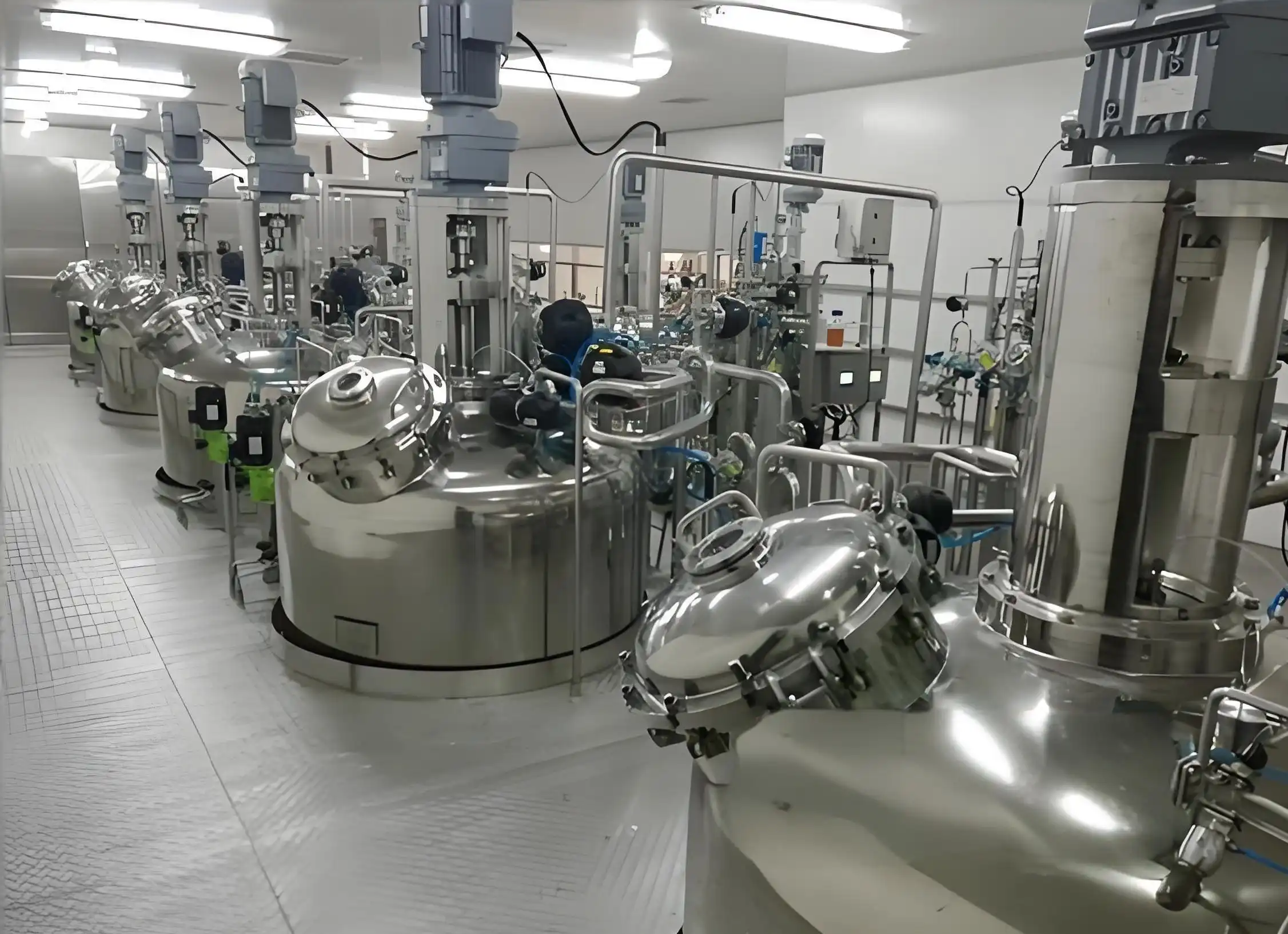
The fermentation process for Production Technology Of Hyaluronic Acid starts with preparing the seed culture. In this step, preserved strains are triggered by growing them in bigger and larger amounts one after the other. Once the right cell density is reached, seed cultures are put into the main output fermenters that are filled with germ-free growth medium. Glucose is usually the main source of carbon in the medium. Yeast extract or corn steep liquor provides nitrogen and growth factors, and mineral salts are carefully balanced. During the 48–72-hour fermentation cycle, automated control systems keep the ideal conditions: the temperature stays stable within ±0.5°C, the pH is controlled by adding bases automatically, and the level of dissolved oxygen is kept high through aeration and stirring rates. Modern labs use fed-batch methods, which involve adding concentrated nutrient solutions at set times to help cells work as efficiently as possible without starting an overflow metabolism that makes waste products. Key factors are tracked in real time, such as the number of cells, the amount of glucose, and the buildup of HA in the extracellular soup.
Advanced Downstream Purification
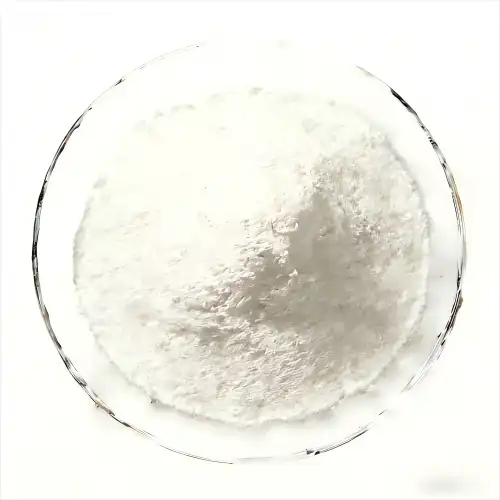
Once the fermentation process is over, the soup goes through several stages of cleaning to meet pharmaceutical-grade standards. Microfiltration gets rid of the bacteria cells, and then enzymes break down the proteins that are left over from the cells. Activated carbon cleaning gets rid of colors and small amounts of organic impurities. The HA solution is then cleared up and goes through ethanol precipitation, which selectively precipitates high-molecular-weight polymers while leaving low-molecular-weight toxins in solution. Graded ultrafiltration separates molecules based on their exact molecular weight, and the membrane cutoff can be changed to meet specific needs. For medical uses, this range is usually between 500 kDa and 2.0 MDa. Final clean sifting through 0.22-micron membranes makes sure that the solution is free of microbes, and freeze-drying turns it into a stable white powder. As the product is being made, quality control labs test it in real time to make sure it meets purity standards, has the right molecular weight distribution, and doesn't contain any endotoxins or nucleic acid contaminants.
Comparing Fermentation with Other Production Technologies
Performance Metrics Analysis
When compared to chemical production, fermentation is clearly the better way to get the complex polymer structure of natural hyaluronic acid. Chemically made HA has trouble copying the carefully alternate disaccharide units and even distribution of molecular weight that are typical of biologically created material. Testing for biocompatibility repeatedly shows that HA produced from fermentation has lower inflammatory reactions and better tissue integration compared to synthetic versions. Environmental studies prefer fermentation because it uses green feedstocks and makes less harmful waste. Chemical synthesis, on the other hand, uses reagents that come from petroleum and makes dangerous waste that needs to be thrown away in a specific way.
Customization for OEM and Bulk Applications
Hyaluronic acid made through fermentation gives industry partnerships a lot of freedom to make changes as needed. OEM buyers can ask for molecular weight ranges that are specific to their formulation needs, and providers will change the fermentation conditions and purification methods to fit those needs, including the Production Technology Of Hyaluronic Acid. For skin fillers, changes to the cross-linking can be added to the processing that comes after. Small study quantities of 1 kg are available, as well as large drums of 25 kg for industrial clients. Because it can be scaled up or down and changed to fit specific needs, fermentation is perfect for companies working on their own formulas and needing constant, high-quality raw materials. Technical support from experienced fermentation suppliers usually goes beyond just providing materials. It can also include help with preparation, working together on stable tests, and help with regulatory paperwork.
Procurement Considerations for Bulk Hyaluronic Acid
Supplier Credentials and Quality Certifications
Reputable makers keep a full range of certifications that show they meet international quality standards. Some important certificates are ISO 9001 for quality management systems, FSSC 22000 or HACCP for food-grade uses, CGMP for pharmacy compliance, and HALAL/KOSHER for certain market needs. When buying materials that were made from organically approved feedstocks, organic labels become important. Procurement teams should ask for proof of these certifications and check directly with the authorities that issued them to make sure they are still valid. Check the supplier's scientific skills as well as their certificates. Having access to high-performance liquid chromatography (HPLC), nuclear magnetic resonance (NMR) spectroscopy, and endotoxin testing is a good way to make sure the quality is checked thoroughly.
Technical Help and Working Together on R&D
Leading providers set themselves apart by offering professional services that add value. This includes helping to make new formulations, checking their stability in different storage situations, and making sure they are biocompatible. Suppliers with their own research and development (R&D) departments can change production factors, including Production Technology Of Hyaluronic Acid, to meet changing customer needs and help solve formulation problems. This model of full support is shown by companies like Asianbios, which give not only standard materials but also full technology packages to customers who want to start their own production or need a lot of expert help.
Logistics Efficiency and Supply Chain Reliability
For global supply chains to work, they need transportation partners they can trust. Leading sellers work with well-known companies like DHL, FedEx, and SF Express to make sure that shipping at the right temperature and quick customs clearing go smoothly. For normal requirements, keeping inventory reserves of 1+ tons lets orders be filled quickly, within 10 days of being placed. Customized production runs usually take 20 working days, but for pressing needs, "green channel" services can cut that time down to 7–10 days. Express messenger for small amounts, air freight for medium-sized orders, and sea freight for large shipments—all of these types of transportation choices give you the freedom to find the best price. Transparent communication about production plans, tracking shipments, and early warnings of possible delays builds trust and helps buyers keep their own promises.
Conclusion
The fermentation-based Production Technology Of Hyaluronic Acid brings together new biotechnology, cost-effectiveness, and environmental concerns. Because fermentation is better than traditional extraction methods in terms of output, molecular weight control, animal-derived risks, and being environmentally friendly, it has become the standard in the business. Business-to-business buyers can rely on dependable supply lines, strict quality control, and a wide range of customization options that can be used in cosmetics, medicines, and functional foods. As markets expect more openness, traceability, and environmentally friendly sources, fermentation-derived HA, which meets all of these needs, keeps getting stronger in the market.
FAQ
1. Why is fermentation thought to be the best way to make hyaluronic acid?
With fermentation technology, there are no more risks of pathogen pollution that come with using animals for extraction, and the outputs are 80–120 times higher. The controlled bioprocess setting makes sure that the molecular weight and purity are the same from batch to batch, meeting pharmaceutical-grade standards that are hard to meet with traditional methods. Environmental worries are becoming more and more important to business sustainability standards. Renewable feedstocks and green purification methods help with this. Regulatory agencies like fermentation-derived materials because they can be fully tracked and don't pose any risks of cross-species virus spread.
2. How can buyers be sure that fermentation-derived HA is real and pure?
Ask for full certificates of analysis (CoA) that show the molecular weight distribution using gel permeation chromatography, the protein content using Bradford or BCA tests, the endotoxin levels using LAL testing, and the heavy metal screening using ICP-MS. Suppliers with a good reputation give batch-specific paperwork that can be linked to production records. Testing by an independent third party in accredited laboratories is another way to be sure. A visual check should ensure that the powder is white, odorless, and has the right amount of wetness, usually 8–10%.
3. What benefits does fermentation have for the atmosphere compared to chemical synthesis?
Fermentation cuts carbon pollution by about 60% and uses renewable agriculture feedstocks instead of chemicals made from fuel. Without heavy metal catalysts or harmful organic acids, treating wastewater is a lot easier. Modern fermentation facilities use enzymatic cleaning methods that work at neutral pH and room temperature. These use a lot less energy than hard chemical processes that need high temperatures and corrosive chemicals.
Partner with Asianbios for Premium Fermentation-Derived Hyaluronic Acid
As a Production Technology Of Hyaluronic Acid supplier, Asianbios is at the cutting edge of bioengineering innovation. They use advanced microbial fermentation methods to make pharmaceutical-grade hyaluronic acid. Our factories use genetically improved Bacillus subtilis strains and carefully planned fermentation processes to make HA with molecular weights that can be changed from 500 kDa to 2.0 MDa. We are committed to quality excellence, as shown by our many certificates, such as CGMP, FSSC22000, ISO9001, HALAL, KOSHER, and Organic. We keep more than a ton of stock on hand for quick shipment and offer flexible OEM/ODM partnerships. Our technical team helps with creation, works with clients on stable testing, and even gives them "turnkey" technology packages to help them start making things. Get the Asianbios edge by emailing plantex@asianbios.com right now to ask for samples or talk about your unique hyaluronic acid needs.
References
1. Boeriu, C.G., Springer, J., Kooy, F.K., van den Broek, L.A., & Eggink, G. (2013). Production Methods for Hyaluronan. International Journal of Carbohydrate Chemistry, Article ID 624967.
2. Chong, B.F., & Nielsen, L.K. (2003). Amplifying the Cellular Reduction Potential of Streptococcus zooepidemicus. Journal of Biotechnology, 100(1), 33-41.
3. Huang, W.C., Chen, S.J., & Chen, T.L. (2006). The Role of Dissolved Oxygen and Function of Agitation in Hyaluronic Acid Fermentation. Biochemical Engineering Journal, 32(3), 239-243.
4. Kogan, G., Šoltés, L., Stern, R., & Gemeiner, P. (2007). Hyaluronic Acid: A Natural Biopolymer with a Broad Range of Biomedical and Industrial Applications. Biotechnology Letters, 29(1), 17-25.
5. Liu, L., Liu, Y., Li, J., Du, G., & Chen, J. (2011). Microbial Production of Hyaluronic Acid: Current State, Challenges, and Perspectives. Microbial Cell Factories, 10(1), 99.
6. Widner, B., Behr, R., Von Dollen, S., Tang, M., Heu, T., Sloma, A., Sternberg, D., DeAngelis, P.L., Weigel, P.H., & Brown, S. (2005). Hyaluronic Acid Production in Bacillus subtilis. Applied and Environmental Microbiology, 71(7), 3747-3752.

Send Inquiry
Related Industry Knowledge
- Can Jujube Seed Powder Reduce Stress and Anxiety Naturally?
- Is sea buckthorn powder good for you?
- Uses of Sleep Aid Jelly for Daily Sleep Routine
- Benefits of Sustainable Valine Production Technology
- What are the benefits of apple powder?
- Benefits of Sleep Aid Brewing Powder for Relaxation
- Benefits of Threonine Production Technology in Feed Additives
- Benefits of Lysine Production Technology in Feed Industry
- Tart Cherry Powder for Women: Benefits & How To Use It
- Is kiwi powder good for you?