Berberine Hydrochloride Extract and Weight Loss: What You Need To Know
People know that Berberine Hydrochloride Extract Powder is a strong natural substance that can help them lose weight and keep their body healthy. Spray drying is a new method used to make this uniform extract from plants like Berberis species. It is 97% to 98% pure, according to an HPLC test. The chemical starts up important metabolic processes. These routes help keep blood sugar levels in check, make cholesterol profiles better, and keep the body healthy. In order to make weight loss goods that meet strict market standards, people who buy functional foods, dietary supplements, and drinks need to know about berberine's biological properties and quality standards.
To find out how Berberine Hydrochloride Extract Powder can help you lose weight, read on.
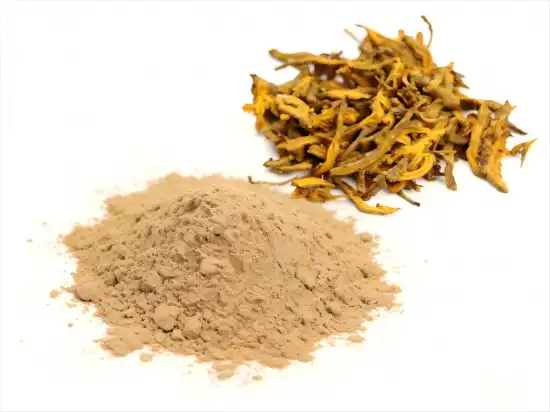
Understanding Berberine Hydrochloride Extract Powder and Its Weight Loss Potential
Botanical Origins and Chemical Composition
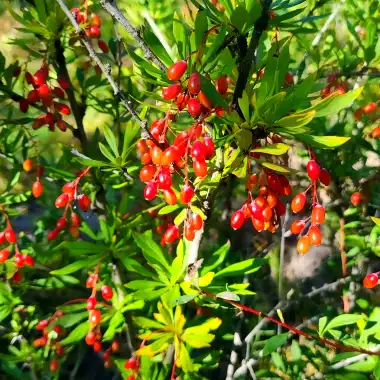
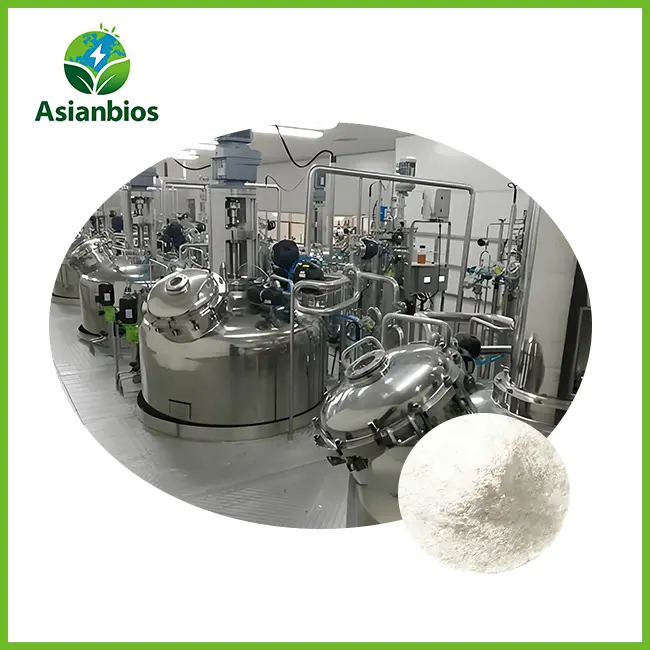
Berberine is a quaternary ammonium salt that is in the protoberberine alkaloid family. That kind of thing is mostly found in plants like Hydrastis canadensis, Coptis chinensis, and Berberis vulgaris. It is much easier for cells to use the hydrochloride form than the berberine sulphate or free-base forms because it dissolves better in water. With a molecular weight of 371.81 g/mol, this orange-yellow solid chemical is made up of C20H18ClNO4. Some of the more modern ways to remove things keep the bioactive structure while meeting food-grade standards by spray drying at temperatures controlled between 150°C and 220°C (inlet and exit). Because it stays steady in a wide pH range, the powder that is made can be used in many different formulas.
Metabolic Mechanisms Supporting Weight Management
Berberine Hydrochloride helps shed weight in numerous ways. The metabolic master switch, AMPK, is activated by this drug. It helps insulin perform better, prevents the liver from generating glucose, and blocks muscles from absorbing glucose. When your metabolism adjusts, blood sugar remains steady. This impacts eating and fat storage.
Berberine activates AMPK and alters gut flora. This boosts metabolic-healthy bacteria. Research shows that berberine alters intestinal microbes. This reduces endotoxins and improves the gastrointestinal barrier. Fat and metabolic illnesses are caused by systemic inflammation. This microbial change lowers it. DPP-4 is also inhibited by the medication. The hunger and insulin hormones function longer.
Berberine and other weight-loss medicines perform similarly in real life, say researchers. Berberine tablets significantly reduced weight, BMI, and waist circumference in several controlled experiments. Participants also lost 2–5 pounds after 12 weeks. One lipid profile alteration that assisted my weight reduction and heart health was lower LDL cholesterol and triglycerides.
Differentiation from Alternative Berberine Forms
Pharmaceutical-grade Berberine Hydrochloride Extract Powder is different from other brands that aren't as good because it meets certain standards for quality. The hydrochloride salt form dissolves better, which is important for steady absorption rates. The hydrochloride form of berberine doesn't break down during high-shear crushing or tableting as the chloride or sulphate forms do. The highest biological potential is guaranteed when purity levels reach 97% to 98%, which can be checked using HPLC. Testing methods that are very strict keep an eye on microbes and heavy metals (lead <2ppm and arsenic <1ppm). These quality factors help people who make medicines make sure that all batches will have the same healing benefits.
How to Use Berberine Hydrochloride Extract Powder for Weight Loss Effectively
Recommended Dosage and Administration Protocols
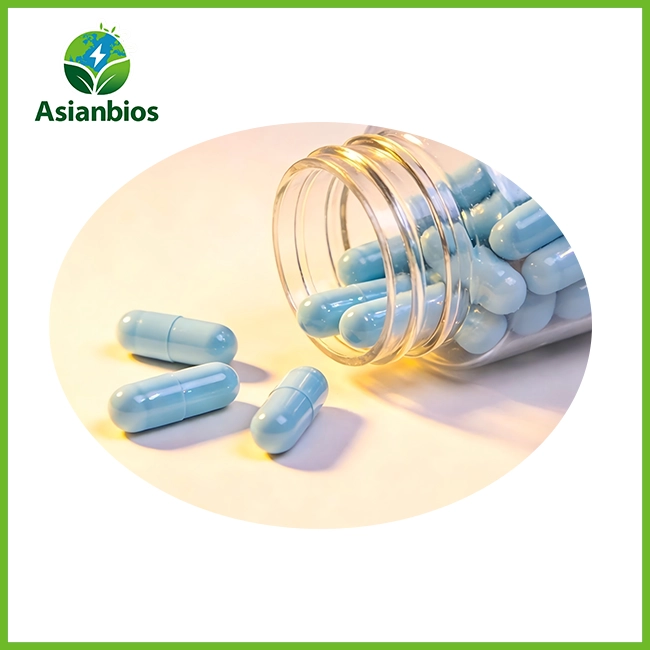
Research found that 900–1500 mg per day, divided into two or three dosages, is optimum. Berberine works better and causes less stomach pain when taken with meals. The chemical has a short half-life, it must be administered many times to maintain plasma levels all day. Manufacturers of weight loss pills strive for 500 milligrams in every capsule. These tablets should be taken three times a day before substantial meals.
When something is provided affects its effectiveness. Berberine controls blood sugar best 30 minutes before a meal. This prevents insulin release and fat accumulation after meals by slowing blood sugar rise. This timing technique strengthens fullness signals, which may help individuals consume fewer calories during meals. Extended-release formulations only need to be taken once or twice a day to maintain bloodstream levels.
Synergistic Combinations and Formulation Strategies
Mixed with other weight-loss-friendly substances, berberine works better. This improves insulin in two ways when used with chromium picolinate. Berberine and catechins in green tea extract boost metabolism. Milk thistle lowers liver glucose and breaks down berberine, improving liver function. Berberine's prebiotic-like effects promote gut bacteria growth, improving digestion.
Formulation worries go beyond choosing the core constituent. Product bioavailability and stability depend on chemicals. Maltodextrin helps the spray-dried powder move and prevents sticking. Enteric-coated berberine doesn't break down in stomach acid. This releases it in the bowels, where it works best. The recipe has been improved for lab usage and user satisfaction.
Safety Parameters and Contraindications
Clear safety regulations save lives and ensure compliance. Supplements may produce moderate GI discomfort, particularly when taken in high doses or initially. Starting with less and steadily increasing the dosage until normal reduces these effects. Doctors must monitor diabetics since berberine may reduce blood sugar. Changing medications may prevent hypoglycemia.
Berberine partially slows cytochrome P450 enzymes. Medicines split in this manner may operate differently. Important interactions exist between medicines and immunosuppressants like cyclosporine. Since berberine tablets aren't proven safe for pregnant or nursing women, they shouldn't take them. Quality vendors offer complete product use and contraindications. This enables responsible product development and informs consumers.
Quality and Sourcing: What B2B Buyers Should Know About Berberine Hydrochloride Extract Powder
Critical Quality Metrics and Certification Standards
When deciding how good berberine extract is, there are a number of specific things that need to be considered. HPLC research can be used to make sure that the quality
meets or exceed 97% Berberine Hydrochloride Extract Powder. Size distribution affects particle breakdown and accessibility. The top grades usually pass 80-mesh screens. When powder is retained, germs can't develop since the moisture is under 5%. Stays put. Salmonella and E. coli plate counts are lower than those of E. coli and Staphylococcus aureus, according to microbiological research.
Certified companies are honest and provide outstanding jobs. Quality is planned throughout the manufacturing process with cGMP approval. FSSC22000 and HACCP approvals reflect complete food safety management systems. ISO9001 certification indicates quality control standardization. HALAL and KOSHER certifications help certain clients enter markets. Producers of natural products with clean labelling care about organic manufacturing standards. B2B purchasers should verify manufacturing batch analysis sheets before accepting shipments. Standards must be satisfied.
Global Sourcing Considerations and Regional Advantages
China produces most of the world's berberine since it has many plants and the proper techniques to extract the resin. Shaanxi makers use plant extracts well. They achieve this by combining old-fashioned natural knowledge with modern pharmaceutical engineering. Chinese vendors usually offer inexpensive costs since their supply chains encompass agricultural growth and mineral extraction. Sellers vary in quality, so carefully check them out.
North American and European vendors emphasize following the regulations and tracking their products to portray themselves as high-end. These enterprises utilize global raw materials but process and finish their goods in the US to comply with US laws. Local providers usually price 20–40% more than Asian sources, although some consumers prefer them for their quality and ease of use.
Consider whether the sources are natural or man-made. Traditional source plant phytochemicals provide true phytochemical profiles with compatible compounds. Chemically manufactured berberine is cheaper and purer than natural extracts; it lacks several components. Most business-to-business dietary supplement purchasers choose genuine Berberine Hydrochloride for marketing and client satisfaction.
Pricing Models and Strategic Supplier Selection
How much Berberine Hydrochloride Extract Powder costs depends on its quality, order volume, and dealer expertise. Premium food-grade products that are 97% to 98% pure usually cost $80–150 per kilogram for sales exceeding 100 kg. One-kilogram samples cost $120–200, more than larger volumes. Each provider has a different minimum purchase. Flexible producers may require 1 kilogram for first testing but 25–100 kg for recurring orders.
Bulk purchases are more helpful in higher quantities. Higher-weight products cost 15–25% less than lighter ones. Annual supply arrangements keep prices consistent and distribute commodities equitably amid peak demand. Most reliable merchants provide 2% to 5% discounts for early payment.
You should investigate a supplier's background beyond pricing. How much a firm can create determines its stability when demand is strong. Top manufacturers hold more than a tonne to address immediate requirements. Cooking assistance and reliable testing are valuable tech support services. Logistics expertise ensures that powder is transferred to other nations cleanly. OEM/ODM services help you customize formulations, add your own branding, and organize packaging to stand out in competitive marketplaces.
Addressing Safety, Side Effects, and Regulatory Compliance
Clinical Safety Profile and Risk Mitigation
Clinical research demonstrates that berberine benefits many individuals. Most individuals who consume small doses report stomach or intestinal pain. These effects affect 10–15% of persons. The symptoms include minor cramping, diarrhea, and gas. They disappear in one to two weeks when gut bacteria shift. Slowly raising the dosage and taking it with meals reduces these effects.
Cardiovascular safety testing showed good outcomes. Berberine does not harm healthy persons, unlike several weight-loss medicines. People with heart disease saw decreased LDL cholesterol and greater arterial health. The medicine remains safe, efficacious, and tolerable after a year of testing.
Clinical liver function investigations show no increase in liver tests or hepatotoxicity indicators after long-term usage. The molecule prevents liver fatty acid buildup, improving liver health. The same goes for renal function tests. No renal stress or reduced GFR has been detected. These safety results support long-term weight loss supplement strategies.
Regulatory Status Across Key Markets
The US Nutritional Supplement Health and Education Act (DSHEA) lists berberine as a supplement. Structure-function statements concerning metabolism may be made without FDA clearance if they don't promise to cure diseases. Manufacturers must ensure product safety and label accuracy. The FDA focuses on detecting changed items and fraudulent claims.
European Union restrictions tighten. Berberine can only be used in food supplements in EU nations that follow traditional usage guidelines since it doesn't have Novel Food approval. Berberine products registered before the Novel Food guidelines were approved in several countries. A corporation selling products in the EU must obey several strict restrictions. This may need extensive safety documentation and clearance.
Other key marketplaces have distinct regulations. Canada's Natural Health Products Regulations allow berberine tablets with recognized health claims to be marketed. The Therapeutic Goods Administration of Australia allows low-risk medications to include berberine. Japan and South Korea allow berberine tablets if they label them as food or health functional food.
Labelling Requirements and Documentation Standards
Good labels keep businesses from getting fined by the government and give customers useful information. Labels need to correctly show how much Berberine Hydrochloride is in each serving. Milligrams are usually used to do this. Regulatory groups set the forms for Supplement Facts screens, and they must be used. The suggested directions for use include the amount to take, how often, and when in relation to meals. When you are pregnant, nursing, or taking other drugs at the same time, you should be told about known side effects.
For pharmaceutical-grade goods, you need to show sanitary and phytosanitary certificates, certificates of origin that show where the goods were made, and certificates of analysis that show what the chemicals are and how pure they are for Berberine Hydrochloride Extract Powder. Before products can be sold in limited markets, they must pass tests that show each batch is free of heavy metals, chemical residues, and microbial diseases. Keeping a lot of information handy makes it easier to get through customs and shows that you take quality control seriously.
Case Studies and Practical Applications in Weight Loss Products
Successful Formulation Examples
Berberine Hydrochloride has been added to complete metabolic health products by well-known supplement makers and has worked well. They made a weight loss pill with 500 mg of Berberine Hydrochloride, 200 mg of chromium picolinate, and 250 mg of green tea extract. The company is well-known in North America. According to what buyers said, modest caloric restriction helped people lose an average of 4–7 pounds over the course of eight weeks. It was so well-liked that more types were made with extra fibre and bugs to help gut health even more.
Berberine has been added to healthy drinks and has worked well for the companies that make them. A business that makes sports nutrition made a pre-workout drink with caffeine, beta-alanine, and 300 mg of berberine. Regular users got better body composition results because the berberine part made the metabolism work better. Some technologies were able to hide the bitter taste of berberine, and customers gave the product more than 4.2 out of 5 stars.
Emerging Applications Beyond Traditional Supplements
Adding berberine to beauty products is a new trend that is becoming more and more popular. The antimicrobial and anti-inflammatory properties of the chemical help acne treatments work, and topical forms show promise against Propionibacterium acnes. Berberine is used a lot in face serums and spot treatments by Asian beauty brands. They do this by using both old facts from traditional medicine and new studies about how well it works. Concentrations between 0.5 and 2% are safe for the skin and have healing benefits.
In traditional medicine, which is still changing, raw plant materials are being replaced by standardized berberine extracts. Traditional Chinese Medicine says that doctors are more likely to recommend berberine pills made from pharmaceutical-grade ingredients than decoctions made from raw plants. People will be more likely to follow through if they know they are always taking the right amount of medicine. Ayurvedic medicine also uses regulated berberine products to help with metabolic problems in the same way. This blends old information with today's standards for quality.
Market Demand Projections and Research Trends
The world market for berberine is growing quickly because more and more people are getting diabetes and being overweight. A study of the market says that growth rates will be higher than 8% each year until 2030. People will accept it more quickly in North America and Europe. People who are interested in natural metabolic health options, especially those who want to avoid drug-based treatments, are driving demand.
New studies are looking into how berberine can help brain health. There are early signs that it may help with metabolic brain diseases and neuroinflammation. Researchers who studied how berberine affects aging processes like autophagy and mitochondrial function came to the conclusion that it might be useful in the fight against aging. These new ways to study berberine might help it reach more people who aren't just trying to lose weight, in a wider range of health areas. There might be more chances to make new things because of this.
Conclusion
Berberine Hydrochloride Extract Powder is a well-known agent in weight loss products that helps the metabolism in several ways, such as by changing the gut bacteria, activating AMPK, and keeping glucose levels in check. To find good things, you should carefully look at the standards for purity, the qualifications for approval, and the seller's skills. When you make a product, you should know how much to use, what the safety limits are, and what the rules are. This chemical can be used in many types of supplements, useful foods, and new ways. This makes it a valuable ingredient for brands that focus on health. To make the most of this compound's business potential, it's important to work with qualified suppliers. This is especially true as more studies are done to find new uses for berberine and as market demand rises.
FAQ
1. What distinguishes berberine hydrochloride from other berberine forms?
Some types of berberine don't mix well with water, but hydrochloride does. This makes it easier for the body to take and use. The hydrochloride salt stays stable during steps in the process like making tablets and packing them. Because the purity levels are between 97% and 98%, the therapeutic effects are the same across groups. Also, the crystalline structure makes it very stable for storage; it doesn't break down much over the two-year average shelf life.
2. Can berberine be safely combined with prescription medications?
Some medicines should not be taken with Berberine without being very careful, since it changes enzymes and digestion. Talk to your doctor before taking berberine if you have diabetes. Because it lowers blood sugar, you may need to change your dose. A small amount of the substance stops CYP3A4 and CYP2D6 enzymes. This could have an effect on drugs that are broken down in these ways. Good companies tell you a lot about how their products work together so that you can make smart design choices and give the right product advice.
3. How can buyers verify berberine extract quality and supplier authenticity?
If you ask for analysis results from a third-party lab, you can be sure that the sample meets the 97% to 98% purity guidelines for berberine levels found through HPLC testing. Manufacturers can show that they follow good practices by getting certificates like cGMP, ISO9001, and FSSC22000. A supplier's audit or review records will give you more peace of mind. Tests on samples before big sales let someone else check the specs on their own. Sellers who have been around for a while keep a steady supply of goods in stock, talk to customers clearly, and offer technology support that goes beyond just purchases.
Partner with Asianbios for Premium Berberine Hydrochloride Extract Powder
Asianbios sells pharmaceutical-grade Berberine Hydrochloride Extract Powder that meets the strict needs of businesses around the world that make dietary supplements, useful foods, and raw materials. Our spray-dried extract is 97% to 98% pure because we use cutting-edge technology and follow all cGMP, ISO9001, HACCP, HALAL, and KOSHER rules. We keep more than a ton of stock on hand so that we can ship it out in just 10 days. Our open 1 kg minimum order size includes samples, so we can meet the needs of both small batches and large production. Our OEM/ODM services let us come up with our own gummy, pill, powder, and capsule recipes. Our scientific experts also help with formulating and making sure the product is stable. This is a very experienced company that sells Berberine Hydrochloride Extract Powder. We work with DHL, FedEx, and SF Express to make sure that our goods get sent safely all over the world. You can ask for samples, talk about getting Berberine Hydrochloride Extract Powder in bulk, or look into special preparation options that will help you reach your product development goals by emailing plantex@asianbios.com.
References
1. Yin, J., Xing, H., & Ye, J. (2008). Efficacy of berberine in patients with type 2 diabetes mellitus. Metabolism: Clinical and Experimental, 57(5), 712-717.
2. Zhang, Y., Li, X., Zou, D., Liu, W., Yang, J., Zhu, N., & Ning, G. (2008). Treatment of type 2 diabetes and dyslipidemia with the natural plant alkaloid berberine. Journal of Clinical Endocrinology & Metabolism, 93(7), 2559-2565.
3. Hu, Y., Ehli, E. A., Kittelsrud, J., Ronan, P. J., Munger, K., Downey, T., & Davies, G. E. (2012). Lipid-lowering effect of berberine in human subjects and rats. Phytomedicine, 19(10), 861-867.
4. Chang, W., Hub, Y., Ehli, E. A., Kittelsrud, J., Ronan, P. J., Munger, K., Downey, T., & Davies, G. E. (2012). Lipid-lowering effect of berberine in human subjects and rats. Phytomedicine, 19(10), 861-867.
5. Chang, W., Chen, L., & Hatch, G. M. (2015). Berberine as a therapy for type 2 diabetes and its complications: From mechanism of action to clinical studies. Biochemistry and Cell Biology, 93(5), 479-486.
6. Lan, J., Zhao, Y., Dong, F., Yan, Z., Zheng, W., Fan, J., & Sun, G. (2015). Meta-analysis of the effect and safety of berberine in the treatment of type 2 diabetes mellitus, hyperlipemia and hypertension. Journal of Ethnopharmacology, 161, 69-81

Send Inquiry
Related Industry Knowledge
- Kale Powder vs Fresh Kale:Which one is better?
- Have you tried Kale Powder? - Realizing Home Recipes
- How Tryptophan Production Technology Improves Yield
- Chinese Cabbage Freeze-Dried Powder: A Complete Guide to Nutrition and Quality
- Lysine Production Technology Price Factors Explained
- Sea Buckthorn Freeze-Dried Powder Guide 2026: Skin, Health Benefits & How to Use It
- Uses of Sleep Aid Capsule for Insomnia Relief Routine
- What do you do with freeze-dried kale powder?
- Kiwi Dried Powder Benefits: Why It’s a Superfood Trend?
- Dried Kale Powder for Supplements: A Complete Guide