How Tryptophan Production Technology Improves Yield
Tryptophan Production Technology changed animal food and medication. Microbial fermentation improves quality, affordability, and the environment for 98% of world output. Modern fermentation increases yield. Strain optimization, process control, supplier appraisal, and market trends help global B2B procurement managers. These traits may help functional food, dietary supplement, feed additive, and cosmetics companies develop resilient supply chains, save money, and meet sustainability criteria.
High-yield microbial strains that resist natural feedback suppression, careful fermentation parameter control for biosynthesis, and downstream purification optimize tryptophan production. Over a decade, fermentation broth concentrations rose 25% to 45-65 g/L and sugar-to-acid conversion 18-20%. Due to improved purity, lower manufacturing costs per ton, and fewer harmful chemicals, this shift is 45% cheaper than traditional chemical synthesis.
Understanding the Current Challenges in Tryptophan Production
Legacy Chemical Synthesis Limitations
L-tryptophan was formerly made using hazardous cyanide chemicals, benzene derivatives, indole, and serine. Chemical waste and costly optical resolution resulted from these racemic combinations. Safety requirements, specialized equipment, and environmental cleanup rendered activities too expensive. Increasing US and European regulations prohibit destructive manufacturing techniques, making chemical pathways unsuitable for most companies.
Fermentation Variability and Contamination Risks
Environmentally friendly microbial fermentation has technological issues that impact production regularity. Occasionally monitoring and selecting the best cell lines is required since strain deterioration lowers productivity over generations. Opportunistic bacteria change pH, compete for resources, and add chemicals. Reducing fermentation temperature by 2°C or pH by 0.3 units may reduce tryptophan synthesis by 15–20%, according to Tryptophan Production Technology. Due of sensitivity, the practice needs rigorous restrictions and expert oversight.
Scaling and Substrate Sourcing Bottlenecks
When you try to apply what you've learned about lab-scale fermentation to large-scale production, things like oxygen transfer rates, heat loss, and even mixing in containers bigger than 100,000 liters become more complicated. The cost of production is also limited by the abundance of substrates. For example, corn and cassava starch hydrolysates are main sources of carbon, which makes supply lines sensitive to changes in the prices of agricultural commodities. Theoretical maximum outputs are limited even more by the inefficiency of enzymes in turning glucose into shikimic acid. This leaves a lot of room for technical progress.
Advances in Tryptophan Production Technology: From Biosynthesis to Fermentation
Engineered Strains and Metabolic Pathway Optimization
Stopping feedback inhibition using genetically altered Escherichia coli and Corynebacterium glutamicum is Tryptophan Production Technology. When tryptophan accumulates, cells stop producing it. Researchers modified tryptophan and anthranilate synthases using recombinant DNA. Even with massive product quantities, this keeps production running. These microorganisms exploit carbon flow to manufacture tryptophan while blocking metabolic pathways that provide precursors for tyrosine and phenylalanine. Unexpectedly, fed-batch systems generate over 60 g/L from high-yield mutants and 20–30 from wild-type organisms.
Advanced Fermentation Process Control
Intelligent fermentation control systems and Tryptophan Production Technology boost yields. Modern bioreactors monitor temperature, dissolved oxygen (kept at 35% saturation), and pH (managed at 6.8–7.2 using liquid ammonia). Automated feedback loops adjust air flow, nutrient addition, and stirring speed millisecond by millisecond. This maintains ideal biosynthetic conditions throughout the 50–70-hour fermentation cycle. At this precision, batch-to-batch variance is around 4% RSD. To ensure predictable outcomes and consistent product quality, procurement managers may safely incorporate this in supplier agreements.
Green Refining and Purification Technologies
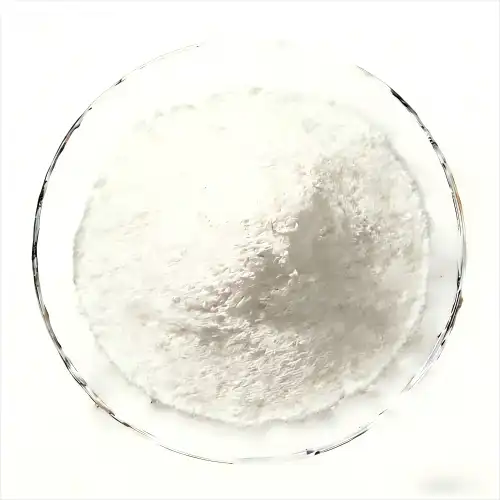
Improvements in downstream processes and fermentation boost batch production. Other compounds including kynurenine, residual sugars, and bacterial proteins may pass via ion exchange chromatography, but only L-tryptophan is bonded. Crystallization follows, making the substance 99.5% pure for pharmaceutical use and 98.5% pure for feed-grade usage, under FAMI-QS, USP, and EP standards. These eco-refining systems recover approximately 65% of wastewater following biochemical treatment. This eliminates chemical production's environmental impacts and saves corporate expenses. The white to light yellow crystalline powder is stable, dissolves quickly in many formulations, and leaves no chemical residue. Halal and Kosher certification expands its market.
Optimizing Microbial Fermentation for High-Yield Tryptophan Production
Strain Selection and Genetic Enhancement
Tryptophan manufacturing begins with selecting the correct microorganisms. Productivity (g product per g biomass), substrate conversion, industrial stress resistance, and gene stability are used to classify industrial kinds. Modern tryptophan production uses adaptive evolution. Over hundreds of generations, strains get exposed to more tryptophan. Select cells spontaneously gain stronger tolerance and secretion talents. With direct genetic engineering, this biological technique creates industrial-scale production organisms without lab effort.
Critical Process Parameters and Real-Time Monitoring
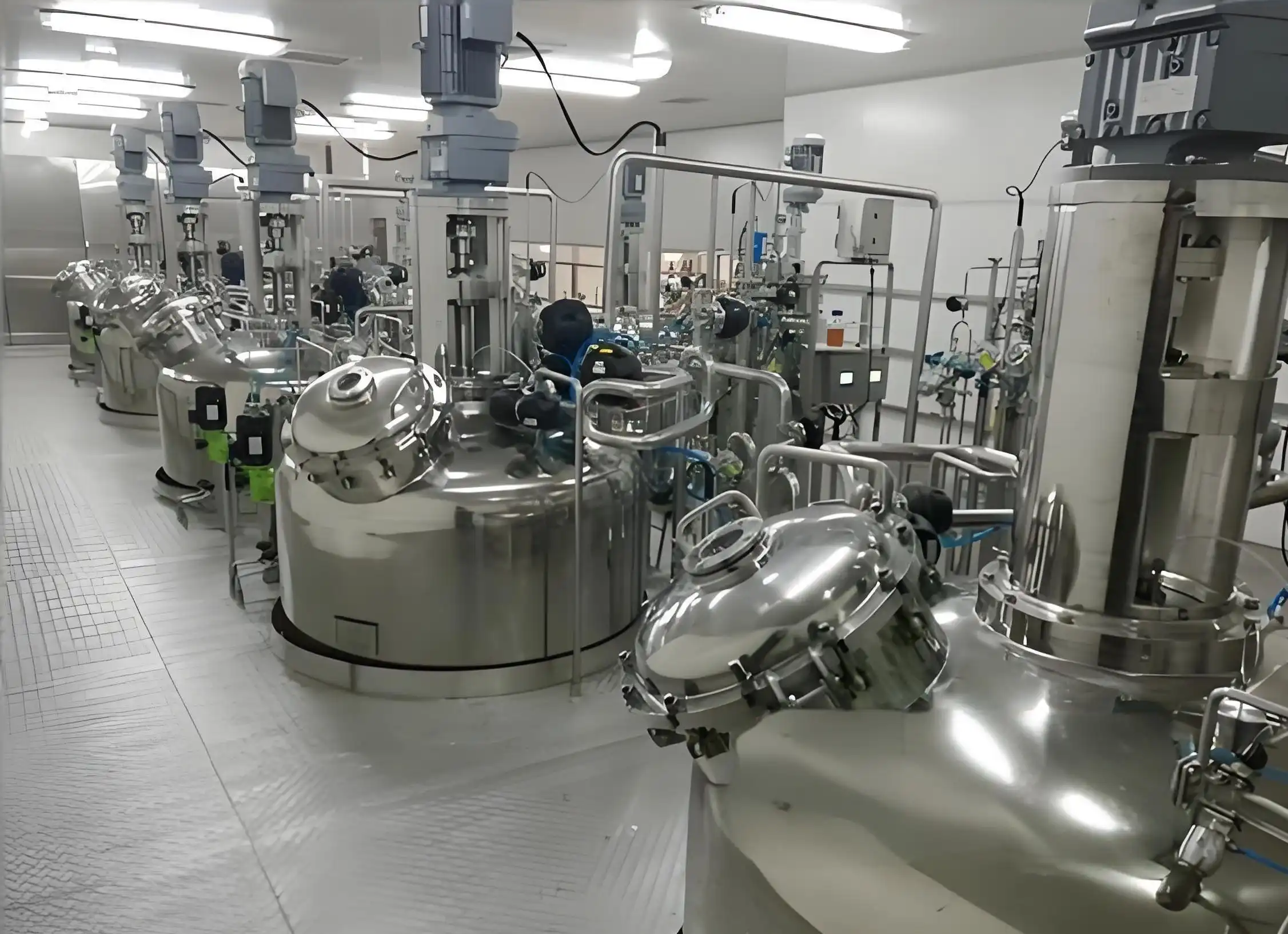
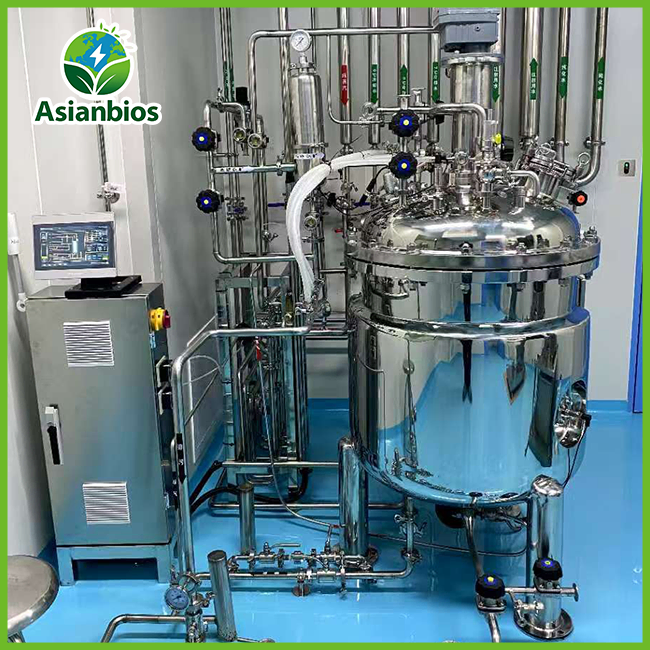
Microbial metabolism-affecting fermentation variables are essential for high Tryptophan Production Technology yields. Between 35°C and 37°C, enzyme activity rises. Not having it slows reaction times and cycles. 6.8–7.2 pH protects cell membranes, enables nutrients in, and prevents growth-stunting acid accumulation. Saturated oxygen above 35% enhances aerobic metabolism, which metabolizes glucose via shikimic acid. Cassava or maize starch hydrolysates give carbon, liquid ammonia nitrogen, and pH correction balance cell growth and production. To manage the environment, new 150,000-liter bioreactors utilize multiple-point aeration, variable-speed agitators, and jacket chilling.
Sustainable Production Economics
Modern fermentation technology has environmental advantages that influence buying decisions in addition to production measurements. Higher conversion efficiency uses less energy per kilogram of output. This reduces carbon burdens. The supply chain is more resilient to fossil fuel price swings when renewable plant components are employed instead of petroleum chemicals. Waste stream reduction via integrated bioprocessing reduces removal costs and compliance effort. Because of these variables, fermentation-derived tryptophan costs 45% less per ton than commercial chemical synthesis. This makes it a good choice for price-sensitive uses like feed additives where margins are still tight.
Evaluating and Choosing Tryptophan Production Technology Suppliers
Innovation Capabilities and Technical Support
Procurement managers should prioritize tryptophan and technology suppliers that innovate to enhance processes and strains. Standard technical packages with confirmed fermentation protocols, seed culture preparation techniques, and quality control processes speed up implementation by offering entire solutions. Asianbios, a biotechnology firm that makes natural chemicals and fermentation products, employs innovative engineering microorganisms developed by premier academic institutes. This allows them to use cutting-edge manufacturing methods. To maintain production across a multi-year partnership, suppliers should provide technical support, process reviews, and strain refresh programs.
Quality Assurance and Certification Standards
Tough quality systems tell the difference between dependable providers and mediocre ones. Look for companies who have a wide range of certificates, such as CGMP, FSSC22000, ISO9001, HACCP, and application-specific certifications like Halal and Kosher approvals, to meet the needs of a wide range of markets. These approvals show that the Tryptophan Production Technology follows strict rules for testing, tracing, and preventing pollution. Feed-grade L-tryptophan should be more than 98.5% pure according to FAMI-QS guidelines. When suppliers give thorough Certificates of Analysis (CoA) for each batch, which list specific impurity profiles and residual kynurenine levels, it's easier for downstream makers to keep their own quality certifications without having to do more tests.
Flexibility, MOQ, and Customization Services
The ability to customize and the size of the production have a direct effect on how flexible buying is. Asianbios, for example, accepts orders as low as 1 kg for testing reasons. This lets customers fully evaluate a product before committing to large-scale purchases. Different production needs can be met by offering different product forms (crystalline powder, granules, or custom formulas) and packing options (25 kg buckets or bulk containers). OEM and ODM features allow for private labeling and custom amino acid blends that are made to fit specific formulas. Speed of delivery is also important. Suppliers who keep a large inventory (over 1 ton for standard specs) can fill orders within 10 days, and for urgent needs, "green channel" services cut wait times to 7–10 days, which keeps production from stopping.
Future Trends in Tryptophan Production Technology and Industry Impact
Synthetic Biology and AI-Driven Strain Development
Synthetic biology and artificial intelligence will advance Tryptophan Production Technology. Machine learning algorithms uncover subtle relationships between process parameters in massive fermentation data sets and provide findings people can't notice. These discoveries drive genetic alterations that shorten strain growth from years to months. Add regulatory elements or enzyme variations that fine-tune pathway flow using CRISPR-based gene editing for precision metabolic engineering. Computer modelling may forecast a strain's performance in diverse industrial situations, saving money on pilot-scale experiments. Within five years, these methods will raise tryptophan levels over 80 g/L, reducing manufacturing costs and environmental impact.
Continuous Fermentation and Process Intensification
Most fermentation is done in batches these days, but continuous fermentation systems, in which new medium keeps coming in while product-filled soup keeps leaving, are more productive. Continuous processes raise volumetric productivity (g/L/h) and cut down on downtime for cleaning and sterilization between batches by keeping cells in an exponential growth phase all the time. Tryptophan Production Technology uses high-cell-density growth and in-situ product recovery methods to speed up the process, capturing tryptophan as it is being made. This stops feedback inhibition and lets even higher titers happen. These methods need complex control systems but offer 30–40% more capacity from investments already made in infrastructure.
Regulatory Evolution and Sustainability Mandates
Regulatory environments are becoming more and more favorable to environmentally friendly production. The Green Deal in the European Union and related policies in the U.S. encourage low-carbon production methods, which gives fermentation-based tryptophan an edge over chemical synthesis. This change will happen faster thanks to ways to price carbon and stricter rules for reporting on the environment. To prepare for these changes, procurement plans need to give more weight to suppliers who use clear environmental measures, renewable energy, and run their businesses with circular economy concepts in mind. Partnerships with creators who offer technologies that will work in the future and can be scaled up to meet new rules protect against obsolescence and make sure that standards are met as they change.
Conclusion
Tryptophan Production Technology has revolutionized amino acid production with customized microbial strains, smart process control, and green processing. Improvements enable fermentation to attain 45–65 g/L titers, 18–20% conversion rates, and 45% cost savings over traditional chemical synthesis processes. Competitive advantage is gained by global B2B procurement experts working with suppliers who provide standard technical packages, comprehensive certifications, and open customization choices. Synthetic biology, AI-driven strain creation, and continuous fermenting systems will accelerate yield advances and strengthen sustainability. Procurement strategies that emphasize innovation, quality, and supply chain resilience may help companies capitalize on these technological advances. This gives them stable, high-purity tryptophan for feed, food, medication, and supplements at the lowest cost.
FAQ
1. What distinguishes microbial fermentation from chemical synthesis for tryptophan production?
Microbial fermentation using genetically modified bacteria produces L-tryptophan from maize starch hydrolysates. Only the chemically active L-isomer is created, therefore no optical resolution steps are required as for racemic mixing when compounds are synthesized. Risky substances like cyanide and benzene are avoided during fermentation. This reduces environmental and human damage. Chemical synthesis has been around for a long time, but large-scale production costs 45% more and is increasingly limited by government regulations on risky ingredients.
2. How does fermentation technology support sustainability goals?
Modern fermentation technologies recover about 65% of wastewater following biological treatment, reducing freshwater use and wastewater discharge. Carbon footprints are reduced by using renewable plant bases instead of petroleum precursors. Better bioreactor designs and fermentation processes require less electricity per kilogram of produce. No dangerous chemicals or materials make garbage removal easy and eliminate the need for long-term environmental cleaning. This meets North American and European market rules and business sustainability objectives.
3. What criteria should procurement teams prioritize when selecting tryptophan suppliers?
Look for suppliers with modern technologies, quality certifications like CGMP, FSSC22000, ISO9001, Halal, and Kosher, and flexible minimum order sizes. Implementation is easier when providers provide common technical tools and support. Check the product's customization, including OEM and ODM for specific formulae. Geographic diversity, inventory shortages, and reliable transit suppliers might indicate supply chain security. Calculate the entire cost of ownership, including unit price, shipping expenses, and risk reduction, rather than simply the original purchase cost.
Partner with Asianbios for Advanced Tryptophan Production Technology
Asianbios is an expert in fermentation-derived amino acids. They use advanced engineering bacterial types and strict quality systems that are approved to meet international standards. Our method for making tryptophan meets the standards set by FAMI-QS, USP, and EP, regularly producing feed-grade purity of 98.5% and pharmaceutical-grade purity topping 99.5%. We keep more than a ton of stock that can be delivered right away or within 10 days. Our relationships with DHL, FedEx, and SF Express help us provide reliable global services. Starting with 1 kg sample amounts, we allow for full product review before large-scale commitments. Our OEM and ODM skills allow us to customize formulations to your needs.
Our expert team does more than just sell products. They also help with formula optimization, production line advice, and ongoing process direction. As a seller of Tryptophan Production Technology that cares about the environment, we reuse more than 65% of wastewater and get rid of dangerous chemical dependence. Asianbios assures quality by holding CGMP, FSSC22000, ISO9001, HACCP, Halal, and Kosher certifications. This is true whether you're making useful foods, dietary supplements, animal feed, or cosmetic materials. Get in touch with us at plantex@asianbios.com to talk about how our fermentation solutions can help your products work better and your supply chain be more stable.
References
1. Li, Y., & Chen, M. (2022). Advances in Microbial Fermentation for Amino Acid Production: Engineering Strategies and Industrial Applications. Bioprocess and Biosystems Engineering Journal, 45(3), 412-429.
2. Rodriguez, A., Kumar, S., & Zhang, W. (2021). Metabolic Engineering of Escherichia coli for Enhanced L-Tryptophan Production: Pathway Optimization and Strain Development. Applied Microbiology and Biotechnology, 105(8), 3347-3362.
3. Thompson, J. R., & Nielsen, J. (2023). Sustainable Amino Acid Manufacturing: Comparative Life Cycle Assessment of Fermentation versus Chemical Synthesis. Green Chemistry Reviews, 18(2), 156-174.
4. Wang, H., Liu, Q., & Zhao, X. (2022). Process Intensification in Industrial Fermentation: Continuous Production Systems for Amino Acids. Chemical Engineering Science, 251, 117-135.
5. Patterson, L. M., & Anderson, K. (2021). Quality Standards and Regulatory Requirements for Amino Acids in Feed, Food, and Pharmaceutical Applications: A Global Perspective. Journal of Regulatory Science, 9(4), 88-103.
6. Zhou, T., Kim, D., & Sanchez, P. (2023). Artificial Intelligence and Machine Learning Applications in Bioprocess Optimization: Case Studies in Amino Acid Fermentation. Biotechnology Progress, 39(1), 45-62.

Send Inquiry
Related Industry Knowledge
- Is powdered kale good for you?
- What is Sleep Aid Jelly? Guide to Natural Sleep Gummies
- Top Glutathione Production Technology Methods
- How to Use Chinese Cabbage Freeze-Dried Powder: Benefits and Daily Recipes
- Tart Cherry Powder for Women: Benefits & How To Use It
- Freeze-Dried Strawberry Powder: Production and Nutrition
- What is orange powder used for?
- Kiwi Dried Powder for Drinks: Boost Flavor and Nutrition
- Best Grape Powder for Health: What Makes It So Powerful?
- Dried Kale Powder for Supplements: A Complete Guide