How to Choose the Best Seabuckthorn Powder - Asianbios
To pick the correct Dried Seabuckthorn Fruit Powder, you need to pay close attention to the production standards, the credentials of the seller, and the product specs that match your formulation goals. This item is very healthy because it has a lot of vitamin C, carotenoids, and omega-7 fatty acids, which are important for useful foods, dietary supplements, cosmetics, and drinks. To make sure they meet FDA and ISO standards while keeping costs low, procurement workers should check the validity of certifications, the consistency of batches, the ability to control moisture, and the speed with which they can be delivered.
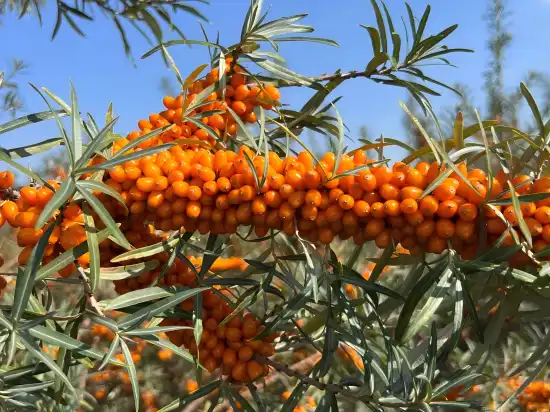
Understanding Seabuckthorn Powder: What You Need to Know
Seabuckthorn (Hippophae rhamnoides L.) is well-known among business-to-business buyers for having a unique set of bioactive compounds. The change from fresh berries to shelf-stable powder solves some of the supply chain problems that come with working with raw materials that go bad quickly.
Botanical Origins and Processing Methods
Seabuckthorn grows successfully in harsh Central Asia and Eastern Europe and produces vitamin-rich orange berries. As vitamin levels peak in late October, modern manufacturers gather fruit at its ripest. Dried Seabuckthorn Fruit Powder requires cleaning, pulping, and drying the fruit to preserve its nutrients. Hot air drying concentrates nutrients and reduces moisture to 5%. Food can be stored for two years. This standardised system turns seasonal access into year-round supply, which helps enterprises that need to receive their ingredients from the same place.
Nutritional Composition and Health Benefits
How its constituents combine together gives the powder nutritious richness. Due to natural co-factors, vitamin C levels can exceed 1,000 mg per 100 grams, comparable to ascorbic acid but more accessible. Beta-carotene and lycopene give foods their orange hue and powerful antioxidant properties. Quercetin and isorhamnetin decrease inflammation, and uncommon omega-7 fatty acids protect nasal membranes. Scientists have shown that this whole list of nutrients supports the heart, immune system, and epithelial tissue. All these uses are related to nutraceutical manufacture.
Industrial Applications and Market Trends
Dried Seabuckthorn Fruit Powder is utilized in several helpful cuisines worldwide. Immune-boosting drink mixtures use it because its inherent acidity balances the sweetness and masks protein or collagen supplement flavors. Dietary supplement firms enjoy that it offers entire, vitamin C-rich foods, which is cleaner than synthetic labels. Cosmetic formulators use its antioxidant capabilities in powder-to-foam cleansers and dry face masks, where stability until water activation is crucial. Pet food firms are also investigating how it can boost coat and digestive health. According to market studies, North American and European markets will expand by over 10% annually. People want pure, plant-based functional products.
Key Criteria to Evaluate When Choosing Seabuckthorn Powder
Quality security is the key to making B2B buying relationships work. Setting clear review criteria protects the purity of your product and makes sure you follow the rules.
Product Grade Classifications
Knowing the differences between grades helps you choose products that are right for your target market. Organic certification comes with higher prices, but it gives you access to health-conscious customers and specialty store outlets. Conventional types are cheaper and still meet the safety standards for food-grade materials. Wild-harvested varieties have their own marketing stories, but they need careful traceability paperwork to back up claims of sustainable sources. Each classification changes not only how much something costs, but also the ways it can be certified and how long it takes for regulators to approve it in different markets.
Certification and Compliance Verification
International norms give suppliers a way to be judged objectively. The ISO 9001 certification shows that quality management is done in a planned way, and the FSSC 22000 certification talks about food safety rules all along the production chain. CGMP compliance makes sure that pharmaceutical-grade production practices are used, which is especially important for uses involving dietary supplements that are regulated by the FDA. Organic certificates should list the regulating bodies (USDA, EU Organic, JAS) to make sure they are valid in the market. With HALAL and KOSHER certifications, you can reach more customers through more specific routes of distribution. Instead of just looking at old qualifications, ask for recent audit reports and third-party inspection certificates to make sure that ongoing compliance is being met.
Nutritional Content and Purity Testing
Professional sellers and commodity buyers can tell each other apart by the consistency of their batches. Ask for Certificates of Analysis (COA) that show how much vitamin C is in the food, how much total flavonoid is in it, and the results of heavy metal screens. Every lot of goods made by reputable companies is checked for arsenic (NMT 2ppm), lead (NMT 2ppm), cadmium (NMT 1ppm), and mercury (NMT 0.1ppm) to make sure the safety of the consumers. The microbiological factors should show that the total plate counts are less than 10,000 cfu/g and the yeast and mold counts are less than 1,000 cfu/g. The way your recipes mix is affected by particle size regularity, which is usually set at 80 mesh. Application suitability is based on how well the material dissolves in water. Spray-dried versions usually dissolve better in water than other processing methods. Before signing a deal for a lot of products, ask for samples from different production lots to make sure the quality is consistent.
Supply Chain Transparency
Traceability tools show how knowledgeable and good at managing risks a provider is. Advanced providers keep records from the time the food is grown on the farm until it is packaged and shipped. This lets them quickly address any quality issues. Ask possible partners where they get their raw materials, how they decide when to gather them, and how they store them before they are processed. Logistics of transportation have a big effect on the quality of a product. For example, temperature-controlled shipping keeps vitamins from breaking down and wetness from absorbing. When a supplier offers more than one way to ship, like fast delivery, air freight, and sea shipping, it gives you more options for balancing cost and haste in different order situations.
Comparing Popular Seabuckthorn Powder Options in the Market
Processing technology, approval level, and performance features of market choices vary a lot. By knowing these differences, you can make smart purchasing choices that help you reach your product development goals.
Dried Powder Versus Fresh Fruit Derivatives
In many ways, dried Seabuckthorn Fruit Powder is better than juice extracts or purees. It can last 24 months if stored properly, but fridge juices must be utilized within weeks. The nutrients per unit weight are more than in fresh fruit, saving shipping and storage space. Standardized powder specs allow formulation development to use exact amounts, eliminating seasonal food quality fluctuations. Even while juice variants claim higher enzymatic activity, cold chain issues and shorter shelf life make Dried Seabuckthorn Fruit Powder the superior choice for most business-to-business usage that need to produce more and ship worldwide.
Organic Versus Conventional Options
The distinction between organic and standard goes beyond pricing to include market placement. Organic Dried Seabuckthorn Fruit Powder costs 30–50% more than ordinary powder, yet it meets premium goods clean-label trends. No synthetic herbicides or fertilizers are authorized by certification. This benefits environmentally conscious brands and organic markets like Germany and California. Conventional grades meet food safety regulations and are cheaper, making them an excellent alternative for value-oriented product lines or usage where organic labels don't matter. Consider production volume issues. Organic supply chains have longer wait times and higher minimum order amounts due to smaller manufacturer networks.
Balancing Cost-Efficiency with Quality Standards
Strategic buying uses more than unit pricing to balance expenses. Lower-grade powders may meet safety criteria, but they require larger inclusion rates to achieve bioactive quantities, making the product more expensive over time. Transport affects landing costs greatly. For large orders, sea freight is cheaper than air freight but takes 4–6 weeks longer. Minimum order quantities effect operational capital and inventory costs. Suppliers with 1 kg minimums enable market testing and trial production without large investments. Bulk packing in 25 kg barrels cuts unit costs for popular commodities. Consider supplier offers' entire cost of ownership, including testing, reformulation, and inventory risk, not just unit prices.
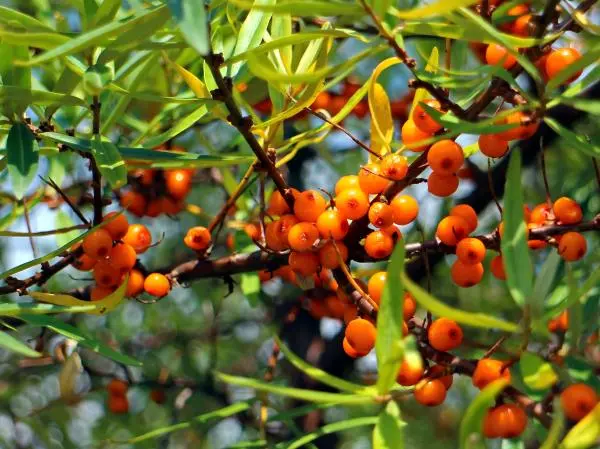
How to Procure Seabuckthorn Powder Efficiently: A Step-by-Step Guide
Structured buying methods cut down on risk and speed up the time it takes to get new products to market. From the initial specification to ongoing provider relationship management, the following approach helps people make decisions.
Defining Technical Specifications
Start by writing down explicit requirements that turn recipe needs into measurable provider criteria. Enter vitamin C quantities and product format particle size and moisture restrictions. Powder flowability is crucial for automatic capsule and sachet filling instruments. Color consistency is crucial in beverage uses where appearance drives sales. Seabuckthorn's naturally sour taste might be nice or awful depending on your flavor system. In humid storage environments or long transport routes, packaging should include a moisture protection. Volume plans and delivery timetables help suppliers determine if they can handle your growth. Delivery timings must match production plans.
Sourcing Certified Wholesale Suppliers
Discover functional food business partners at trade events, ingredient supplier listings, and professional networks. It's best to buy from specialized manufacturers like Asianbios, which has dedicated plant extract production lines. See if they can provide expert advice and specialized services using their research and development skills. Production scale matters. Maintaining stock levels above one ton shows that facilities value seabuckthorn as a core product. The supply chain benefits from working directly with farmers and saving money on raw material shipping in seabuckthorn-rich areas like Northwest China.
Sample Testing and Pilot Production
Do not sign major contracts without sample testing. At least three production runs should be sampled to determine consistency. Make sure your mixture tastes, looks, and smells well with a sensory assessment with your product development team. A secondary lab should analyze important criteria to verify the COA. Small-scale manufacturing testing demonstrate powder handling. Does it mix uniformly, take water during processing, and function with your specialized production equipment? This validation process takes 4–6 weeks, but it prevents costly supplier selection mistakes that could delay product launches or necessitate recipe redoing.
Negotiating Terms and Logistics
Negotiating properly involves price and relationship value. Minimum order quantities affect cash flow greatly. Testing is more flexible with 1 kilogram minimums from Asianbios, and 25 kg standard packaging enables for economies of scale in regular production. Payment conditions affect working capital management. Deposit requirements increase financial risk, thus 30-day net terms are ideal. Production planning must match delivery times. Manufacturers who can ship stock in 10 days outperform those who take 30. Transportation relationships with DHL, FedEx, and SF Express simplify tracking and ensure delivery. Discuss the elements of the quality promise that cover non-compliant material. Will the merchant repair it immediately or credit future orders?
Private Label and Customization Services
Strategic suppliers provide value-added services, unlike transactional vendors. OEM/ODM lets you develop your brand with unique packaging and security-protected formulae. Working with suppliers who create powders, pills, tablets, and gummies reduces vendor count and improves supply chain. Technical support services advise on formulations, provide stability test data, and assist with regulation paperwork to speed up product development. If your manufacturing partner lets you move entire production line technologies, you can vertically integrate as your business grows. You get long-term strategic independence beyond procurement needs.
Case Studies: Successful B2B Purchases of Seabuckthorn Powder with Asianbios
Strategic relationships with suppliers lead to measurable business results that can be seen in the real world. These cases show the best ways to evaluate, onboard, and handle relationships over time.
Nutraceutical Quality Enhancement
A medium-sized China food supplement company had batch rejects and manufacturing delays due to its seabuckthorn supplier's uneven quality. Their purchasing team discovered Asianbios through industry referrals and investigated FSSC 22000 and organic Dried Seabuckthorn Fruit Powder. Samples were vitamin C-stable and had less water than others. Pilot production revealed superior powder flow, reducing pill filling line downtime by 23%. The modification required rigorous review of heavy metal testing and organic certificate procedures. Asianbios replied rapidly to technical queries during qualifying and supplied stable data to support the manufacturer's shelf life claims. After six months of collaboration, product quality remained consistent, batch rejections were eliminated, and customer satisfaction increased, as demonstrated by decreasing return rates.
OEM Skincare Bulk Supply Partnership
The makeup contract maker needed bulk Dried Seabuckthorn Fruit Powder for a private label face mask line for natural beauty consumers. They wanted high carotenoid content for color intensity. They also needed fine particles for smoothness and organic approval to position the brand. Asianbios engineers improved the recipe by suggesting particle size ranges that improved taste and feel. Before choosing, cost-effective samples of all three formulas were available due to the supplier's open MOQ rules. For 500 kg orders, bulk price matched manufacturer output levels, and timely shipment kept production plans on track. After the successful product introduction, the cooperation developed, and the contract manufacturer now gets multiple plant extracts from the same source. Supplier consolidation might pay off over time.
Lessons Learned for Strategic Procurement
These cases demonstrate key factors in Dried Seabuckthorn Fruit Powder success. Full source evaluation prevents costly adjustments when quality issues arise after product release. Technical teamwork during development ensures the ingredients perform best in your application. Flexible minimum orders reduce financial risk while testing the market, and defined scalability paths let the business develop without changing suppliers. Quick, clear communication solves problems rapidly. Sellers who address technical queries in hours rather than days reduce production interruptions. Finally, using suppliers as development partners rather than transactional providers enables you receive value-added services that go beyond the purchase order and set you apart.
Conclusion
To discover the top seabuckthorn powder source, check product specifics, supplier certifications, and ability to satisfy strategic goals. Dried Seabuckthorn Fruit Powder offers biological value and can be used in functional foods, vitamins, cosmetics, and pet food from a company with good quality control and fast customer service. Sellers with clear documentation, extensive testing papers, and flexible payment terms that fit your development timetable and volume needs are preferred. Strategic partnerships with specialized manufactures like Asianbios provide technological collaboration and customisation that sets products apart beyond common ingredients. This helps businesses compete in increasingly competitive markets.
FAQ
1. What factors most significantly influence seabuckthorn powder quality?
Too much heat destroys vitamin C and antioxidants, thus processing and drying temperatures must be controlled. When raw materials are gathered determines bioactive ingredient levels before processing. Microbiological stability and shelf life depend on powder moisture. Avoid light contact and temperature variations that accelerate oxidative breakdown during storage after manufacture. Supplier quality systems with batch testing and traceability can evaluate these crucial elements.
2. Can seabuckthorn powder function as a natural preservative ingredient?
The powder's strong antioxidant capacity and acidic pH protect food systems from oxidative stress, but not all microorganisms. They employ natural preservatives instead of replacing them since its organic acids harm some organisms that spoil food. Its stability benefits are better for low-moisture products like dry beverage mixes than high-water-activity formulae that need significant protection.
3. How can procurement professionals authenticate supplier certifications?
Instead of photocopies, request actual certificates and verify issuing body credentials on their websites. Certification numbers should allow certifier database verification. Audit reports from third-party inspection agencies offer more insight than certificates. Verify supplier references' performance with past clients. When possible, facilities inspections verify on-site capabilities.
Partner with Asianbios for Premium Dried Seabuckthorn Fruit Powder Supply
Asianbios specializes in manufacturing food-grade seabuckthorn powder meeting international FDA, ISO, and organic certification standards. Our advanced hot air drying technology preserves bioactive integrity while maintaining competitive pricing through direct cultivation region sourcing. We maintain consistent inventory exceeding one ton for immediate shipment within 10 days, supported by established logistics partnerships with DHL, FedEx, and SF Express ensuring reliable global delivery. Our technical team provides formulation support, stability testing data, and complete OEM/ODM services across multiple product formats including powders, capsules, and tablets. With 1kg minimum orders enabling risk-free sampling and flexible bulk pricing for established production, we support both emerging brands and established manufacturers seeking dependable Dried Seabuckthorn Fruit Powder suppliers. Contact our procurement specialists at plantex@asianbios.com to request samples or discuss your specific application requirements.
References
1. Zhang, W., Zhao, M., & Yang, B. (2019). Seabuckthorn (Hippophae rhamnoides L.): A Multipurpose Plant with Promising Economic Value. Journal of Functional Foods, 52, 408-420.
2. Chen, Y., Tang, Y., & Zhang, Y. (2020). Processing Technologies for Seabuckthorn Products: A Comprehensive Review. Food Science and Technology International, 26(4), 312-327.
3. Kumar, R., Kumar, M., & Sharma, R. (2021). Bioactive Compounds and Health Benefits of Seabuckthorn: Current Research and Future Perspectives. Critical Reviews in Food Science and Nutrition, 61(15), 2614-2635.
4. Li, H., Wang, Z., & Liu, Y. (2018). Quality Control and Standardization of Seabuckthorn Powder for Industrial Applications. Food Quality and Safety, 2(3), 145-156.
5. Anderson, K., & Thompson, L. (2022). Procurement Best Practices for Plant-Based Functional Ingredients in the Nutraceutical Industry. Supply Chain Management Review, 18(2), 89-104.
6. Patel, S., Dobhal, R., & Sharma, A. (2020). Applications of Seabuckthorn in Functional Foods, Cosmetics, and Pharmaceuticals: A Market Analysis. Journal of Herbal Medicine, 24, 100401.

Send Inquiry
Related Industry Knowledge
- What is apple green powder?
- Benefits of Glutathione Production Technology in Industry
- Benefits of Threonine Production Technology in Feed Additives
- Uses of Sleep Aid Capsule for Insomnia Relief Routine
- Sleep Aid Brewing Powder Uses in Nighttime Routine
- Sea Buckthorn Powder: How to Use in Your Diet
- Tart Cherry Powder for Women: Benefits & How To Use It
- Future Trends in Freeze Dried Strawberry Powder
- Is kiwi powder good for you?
- Freeze-Dried Strawberry Powder: Production and Nutrition