How to Lower Hyaluronic Acid Production Plant Cost at Scale
When you’re looking to bring down the cost of producing hyaluronic acid at scale, begin with yield and recovery, not the equipment quote. Increase fermentation titer, protect purification recovery, size the plant to actual loading and enhance capacity in modules. Compare suppliers on total cost including freight, installation, commissioning and spare parts. Before design, set product grade and target rules and monitor cost per kilogram per process step. This order minimises redesign and rework and keeps the hyaluronic acid production plant cost closer to plan.
Map the Main Drivers of Hyaluronic Acid Production Plant Cost
Separate CAPEX, OPEX, and Total Cost of Ownership
The price of tanks and membranes is simply one line item in the cost of a hyaluronic acid production plant. In plant economics textbooks (e.g., Peters and Timmerhaus), acquired equipment is one component of fixed capital, and installation, piping, instrumentation, buildings, and engineering add to the total. Then every year operating expense repeats through raw material, energy, water, labour, testing and waste treatment. Total cost of ownership adds up across the life of the plant. I advise finance teams to look at all three views when comparing prices, because a cheaper machine that consumes more steam or loses more output can cost more by year three.
| Cost group | Typical items | Main control point |
|---|---|---|
| CAPEX | Buildings, fermenters, membranes, dryers, utilities | Phased modules |
| OPEX | Glucose, yeast extract, energy, water, labor, testing | Yield and cycle time |
| Lifecycle | Maintenance, spares, downtime | Hygienic design, service plan |
Size Capacity for Real Demand
Most clients don’t know how much the cost of a hyaluronic acid production unit is contingent upon capacity planning. A large plant ties up working capital and is running below design load so the fixed costs are spread over fewer kilos. The plant is too small, leading to bottlenecks and constraining OEM orders. I would size phase one to confirmed contracts and pilot results and then allocate floor space and utility head room for additional fermenters, membrane skids and dryers. To enable this, technology packages are available from 50 L pilot scale to 100 tonne production lines, enabling you to build up in stages rather than purchase the largest choice on day 1.
Match Plant Configuration to Your Business Model
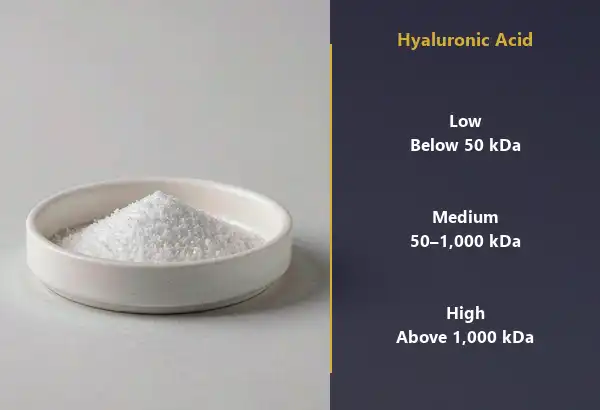
A small facility is suitable for pilot batches, specialist cosmetic grades and market tests but every kg has added fixed cost. A big factory allows you to have higher and more consistent labour efficiency, but it also costs more capital, and it exposes you to the risk of demand swings. My advice is to follow a middle way: start with a proven commercial line and build sales, and then add fermentation, purification, drying or packing equipment. The cost of a hyaluronic acid production plant also depends on the product mix, as different molecular weights, levels of cleanroom and documentation are required for cosmetic, food and injectable grades. Figure out what grades will pay for the plant before you freeze the design. Plan for practical loading, not theoretical maximum production.
Tune the Process to Cut Cost per Kilogram
Start with Strain and Fermentation Yield
Yield is the strongest lever on the cost of a hyaluronic acid producing plant. Microbial fermentation is the modern production method. The predominant host is a genetically engineered non-pathogenic strain of Bacillus subtilis. Knockout of protease and hyaluronidase genes and reinforcement of the synthesis pathway involving hasA support high yield and molecular weight control. Our technical data quotes yields of 8 to 12 g/L. The animal tissue extraction generates just 0.1% to 0.5% of the raw material composition. The higher the titer, the less broth there is to transfer, filter and concentrate per kg. Request pilot data, strain stability records and signed strain authorisation from each supplier.
Control Fermentation Conditions and Cycle Time
We do aerobic fermentation of glucose and yeast extract powder at 30-37 °C and pH 6.8-7.2 with high dissolved oxygen for 48 to 72 h. The bacteria create hyaluronic acid in broth, which helps the extraction. All variables are related to the cost of the plant producing hyaluronic acid. Better oxygen transmission can support shorter batch times. Tight pH control lowers failure runs. A constant supply of nutrients means less waste of media. Online monitoring can detect drift early, thereby avoiding an underperforming batch consuming purification capacity. Shorter, more predictable cycles can increase the number of batches per fermenter per year and spread fixed cost over a larger volume of production.
Protect Purification Recovery and Drying Performance
The downstream steps determine the amount of fermented product you can sell. Our purification method involves microfiltration and ultrafiltration to remove microorganisms, enzymatic proteolysis, decolorisation with activated carbon, precipitation with ethanol, graded ultrafiltration and freeze drying. Molecular weight ultrafiltration (graded) 20 million - 500,000 Da. Endotoxin control 0.05 EU/mg. The process does not include strong acids and bases, therefore retaining the natural structure and facilitating waste water treatment. Measure recovery at each step. Some product is lost at each step. On a high value powder a small recovery increase frequently saves more than a moderate equipment discount. It is a direct lever on the cost of a hyaluronic acid production plant.
Reduce Equipment, Utility, and Labor Spend Without Cutting Quality
Compare Turnkey Supply with Separate Equipment Purchases
The low cost of the individual equipment helps hide integration gaps. If fermenters, membranes, dryers and controllers are from different manufacturers, someone has to make the interfaces, utilities and documentation match, and the delays usually revert to the owner. A turnkey package is a one stop shop responsibility for engineering, installation and commissioning. Split buying can still work if you’ve got good engineers in the house. Anyway, price the entire thing, because modification orders increase the cost of a hyaluronic acid production plant using production technology of hyaluronic acid post contract signature.
| Factor | Turnkey package | Separate purchase |
|---|---|---|
| Interfaces | One party owns them | Owner coordinates vendors |
| Schedule | Single plan | Several delivery dates |
| Budget | Fixed scope | Lower line prices, higher change risk |
Weigh Domestic Against Imported Equipment on Total Cost
Imported equipment can come with strong brand backing, but the cost of a hyaluronic acid production facility is pushed up by freight, tariffs, extended lead times and international service calls. Sea freight delays might delay installation and initial revenues. Domestic equipment usually has shorter delivery and spare part response times, but you should check material certificates, weld records and factory acceptance tests. Compare both on one sheet: price, shipping, duties, lead time, paperwork, service response and replacement parts. We believe that a successful application is 30% process and 70% localisation execution, thus local engineering, installation and training should be as important as the process itself.
Control Utilities, Automation, and Maintenance
Steam sterilisation, purified water, HVAC, drying, compressed air, chilled water and fermenter cooling drive energy use. Reduced utilisation comes from heat recovery, insulation, VFD motors, bespoke CIP cycles and scheduling to keep equipment filled. Automate recipes to plant size: Batch records and alarms reduce the potential for entry errors and transfer time, but additional layers on a tiny line add cost with no benefit. Hygienic design using CIP and SIP decreases the dangers of cleaning and contamination. Preventive maintenance and cost tracking by stage highlight where every kilogram is losing money, and these decisions will affect hyaluronic acid production plant cost for years to come.
Plan Compliance and Procurement Before You Sign
Set the Regulatory Target First
Your cleanroom, water, paperwork and validation scope is dictated by grade and market. In China, sodium hyaluronate was published as a new food raw material (National Health Commission Announcement No. 9 of 2021) with the limit of ≤200 mg per day. In the USA, manufacturers of dietary supplements are required to meet CGMP rules in 21 CFR Part 111. A dietary ingredient notification may be required based on marketing history. There’s a Novel Food pathway in the EU. Some oral beauty uses are allowed. The cost of a facility to produce hyaluronic acid can increase if the building exceeds the required standard, while building below the required standard can lead to redesign and failed validation. Write user requirements before preparing layout drawings.
Write a Full Specification and Compare Quotes Fairly
Before enquiring for quotations, determine the annual output, product grade, batch size, process requirements, utilities, automation, paperwork, and delivery periods. The full package comprises P&ID drawings, plant layout, energy tables, norms of consumption, equipment list, process parameters and training. Evaluate each offer for installation, commissioning, goods, taxes, validation documents, guarantee and spare parts. Check the supplier’s export references and service coverage, and review its project history. Then establish performance guarantees for yield, recovery and endotoxin limits and connect compensation to acceptance milestones. You may see the cost of a hyaluronic acid production plant in the contract, not just the advertised price.
Run a Pre-Contract Checklist
I have a brief checklist with three gates. Before you receive estimates, verify grade, market, output, batch size, utilities, site conditions and expansion plans. Before you choose a provider, make sure that demand equals technical scope, with confirmed references, hygienic materials and defined responsibilities for installation, warranty and parts. Written requirements before signature: strain authorisation, strain stability data over multiple passages, process safety review, acceptance testing, delivery dates, training, and validation assistance. Build 60 to 180 days into your model for training, commissioning and ramp-up. A lost item at any gate usually leads to a modification order, which increases hyaluronic acid production facility cost and production technology of hyaluronic acid.
Prove the Return with a Four-Step Cost Plan
Calculate Cost per Kilogram and Payback
Approve the project based on a thorough financial model, not based on equipment price. Begin with variable cost per kg: raw materials adjusted for yield, recovery, utilities, packaging, testing. Then throw in the fully loaded items: labour, maintenance, depreciation, waste treatment and overhead. Add operating days, batch cycle time, downtime, changeovers, rejection rate and breakeven volume. Run low, medium and high capacity cases. Run domestic vs. imported equipment cases. Conduct sensitivity tests on raw material costs, energy, exchange rates, selling prices and plant loads. Finance teams then determine which variable moves the cost of the hyaluronic acid production plant the most.
Follow a Four-Step Cost-Reduction Plan
The same discipline applies to a new or old facility. The table displays the procedures in order, and I would not omit the first step, because a baseline cost per kilogram makes every subsequent saving measurable.
| Step | Action | Evidence |
|---|---|---|
| 1. Audit | Measure yield, cycle time, utilities, labor hours, downtime, rework | Baseline cost per kg |
| 2. Fix bottlenecks | Address low titer, slow purification, membrane limits, long drying | Cycle and recovery data |
| 3. Add controls | Automate where deviations occur | Fewer deviations |
| 4. Verify | Compare savings with production records | Quality unchanged |
Choose an Engineering Partner That Lowers Total Project Cost
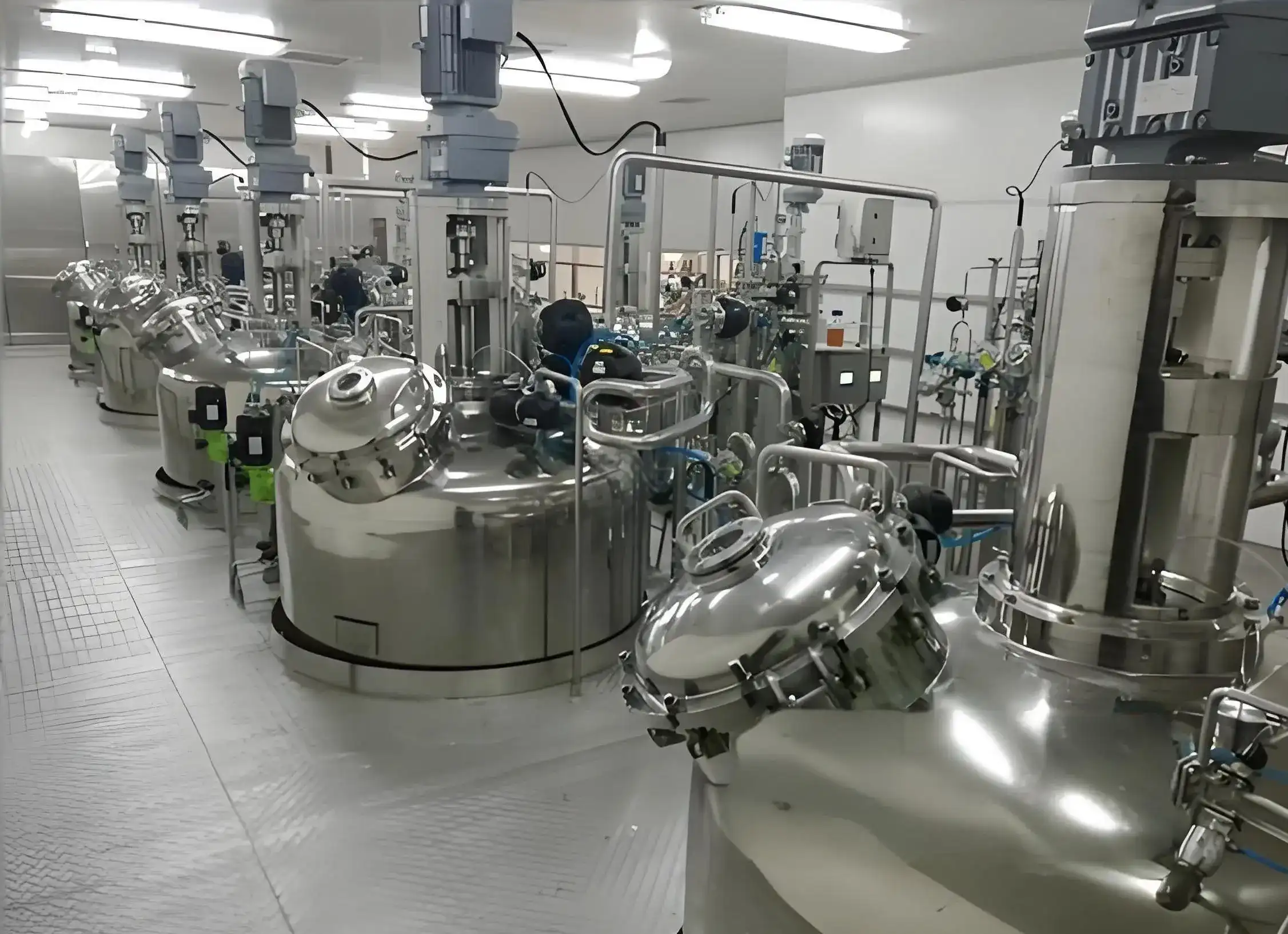
An experienced partner manages process design, equipment selection, layout, utilities, automation, installation, commissioning, training and records, so that equipment will not mismatch and design work will not need to be repeated. Asianbios is a Chinese company that uses engineered-strain technology to develop fermentation products and supply entire technology for the construction of production lines. We have CGMP, FSSC22000, ISO9001, HALAL, KOSHER and HACCP certifications, and our laboratories provide experimental verification and technical support. We sell white hyaluronic acid powder in 25 kilogram barrels, samples and minimum order 1 kg, OEM/ODM options. If you test a sample first, your team will have real data before you invest in the cost of a hyaluronic acid production factory.
Conclusion
The lowest bid seldom offers the lowest manufacturing cost. Hyaluronic acid production plant cost depends on decisions taken before acquisition. CAPEX, OPEX and lifespan cost need to be viewed from one perspective. Capacity must be sufficient to meet verified demand and allow for modular growth. Cost per kg is affected by fermentation yield, strain stability, purification recovery and cycle duration; utilities, automation and maintenance affect the lifetime of that cost. One overall cost sheet should contain turnkey and separate supply, domestic and imported equipment. Regulatory targets drive cleanroom and documentation scope and a thorough specification with pre-contract checklist minimises change orders. Then a financial model with sensitivity tests and a four step plan convert these points into a measurable return.
FAQ
1. Why does hyaluronic acid production plant cost vary so much?
Budget depends on capacity, grade, fermentation and purification design, cleanroom level, automation, site and validation needs. Cost per kilogram is often more sensitive to yield and recovery than to equipment price.
2. Is a turnkey package cheaper than separate purchases?
Not necessarily on the quote but it frequently reduces total cost because one party does the integration, installation and commissioning. Compare line for line scope.
3. What capacity should I build first?
Pilot data and validated demand should determine the initial capacity, followed by modular expansion as demand grows. Asianbios provides technology packages ranging from 50 L pilot scale to 100-ton lines.
4. How can I check a supplier before committing?
Request pilot data, strain authorisation and stability records, drawings, references and a sample. Asianbios offers samples, and orders start from 1kg.
Request a Customized Hyaluronic Acid Production Plant Cost Evaluation from Asianbios
Asianbios converts a preliminary budget into a defined project scope. You can e-mail plantex@asianbios.com with your product grade, goal annual output, molecular-weight range, batch size and destination market. Hyaluronic acid production plant cost supplier packages range from 50 L pilot scale to 100 tonne production lines. Our team will respond with an outline of process, equipment and service. For details go to asianbios.com.
References
-
Microbial Cell Factories, 2011. "Microbial production of hyaluronic acid: current state, challenges, and perspectives."
-
Applied and Environmental Microbiology, 2005. "Hyaluronic acid production in Bacillus subtilis."
-
3 Biotech, 2016. "Biotechnological production of hyaluronic acid: a mini review."
-
Biotechnology Letters, 2007. "Hyaluronic acid: a natural biopolymer with a broad range of biomedical and industrial applications."
-
McGraw-Hill, 2003. Plant Design and Economics for Chemical Engineers (Peters and Timmerhaus).
-
U.S. Code of Federal Regulations, 2007. Title 21, Part 111: Current Good Manufacturing Practice in Manufacturing, Packaging, Labeling, or Holding Operations for Dietary Supplements.
About the Author

Asianbios
Our purpose is to forge a legacy of stewardship, advancing initiatives that honor and preserve the ecological integrity of our planet.

Send Inquiry
Related Industry Knowledge
- Why Hanging Centrifuge Is Widely Used in Pharmaceutical Production
- How Does Biological Fermentation Reduce Protease Manufacturing Plant Cost?
- Planning a Hyaluronic Acid Production Plant: Cost Factors
- Apple Peel Extract Powder: What is Quercetin and What Are Its Benefits?
- Why choose echinacea extract powder for daily wellness support?
- What Is Eye Beauty Peptide? Benefits for a Brighter-Looking Eye Area
- What Is Low Temperature Evaporator?
- How Trehalose Production Technology Works: Industrial Process Guide
- Do Sleep Aid Jelly Work? 5 Things to Know
- Chinese Cabbage Freeze-Dried Powder for Health: Benefits, Uses & Expert Tips