How to Reduce Lysine Production Technology Costs in Fermentation
The best way of minimising the lysine manufacturing plant cost and lysine production plant cost is to evaluate the plant as a whole. Benchmark Fermentation titer at 200-240 g/L. Keep pH at 6.8-7.2 with stable dissolved oxygen during 48-60 hour batch. Recover more product downstream. Lower steam and power usage. Resolve supplier scope before signing. A low equipment quote does not reduce the cost of a lysine factory if the plant is squandering sugar, energy or time. Here are the costs, the technology solutions that remove them, and how a general manager, chief engineer and finance leader may assess proposals on a level playing field.
When introducing a lysine line, buyers ask three questions: Is it a mature process? Is the pack of documentation complete? Is the strain authorisation obvious? This tutorial is what I developed to address these questions.
What Drives Lysine Production Plant Cost and Why It Runs High
Separate CAPEX, OPEX, and Cost per Ton
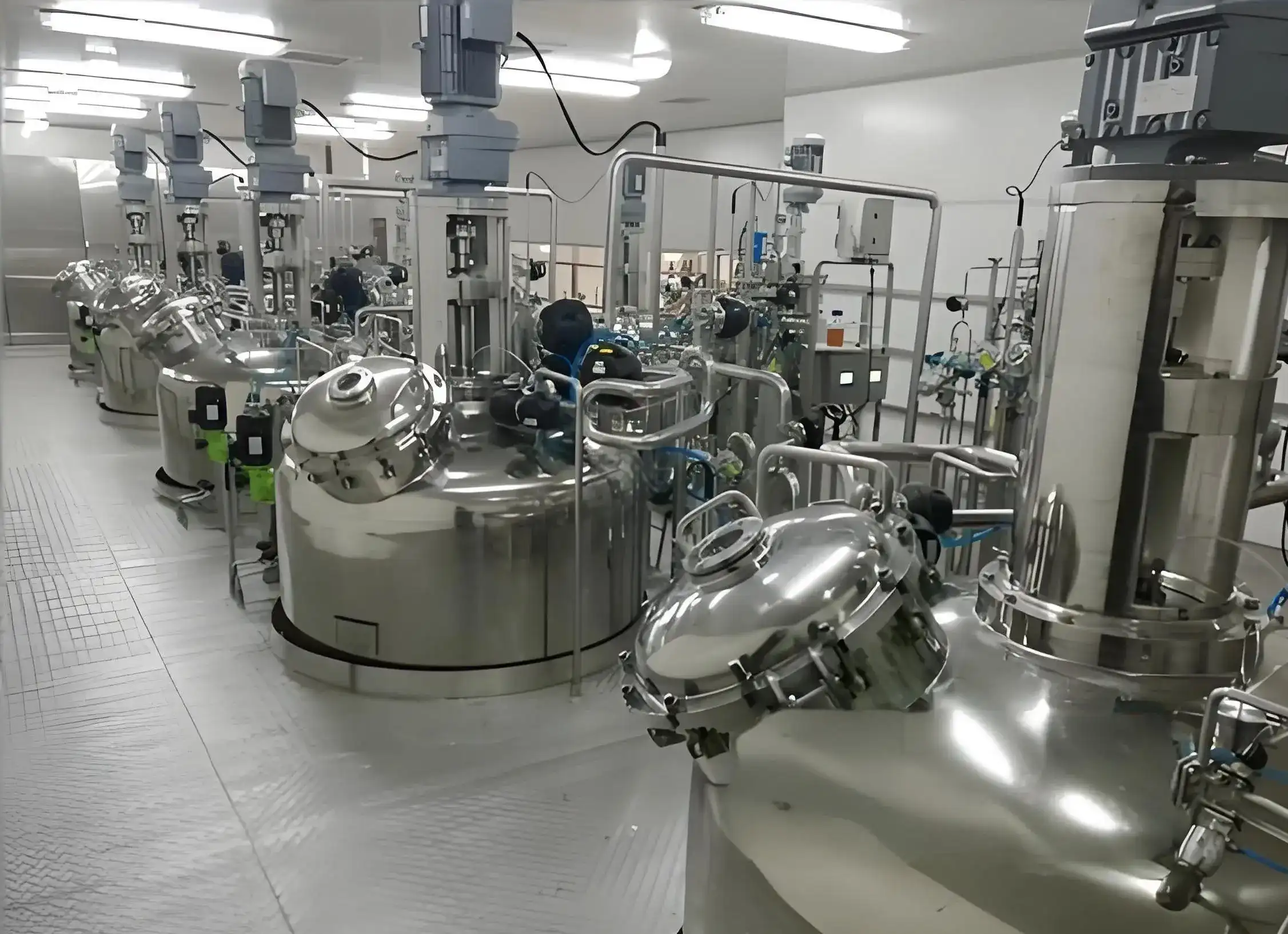
I begin every review by taking the budget and separating it into three numbers. The CAPEX covers civil work, fermenters, sterilisation, aeration, separation, concentration, drying, packaging, utilities, laboratory, automation and wastewater treatment. OPEX comprises feedstock, steam, electricity, cooling water, compressed air, manpower, chemicals, maintenance and waste treatment. Cost per tonne is a mix of both: annualised CAPEX + annual OPEX divided by tonnes sold. I use actual output not nameplate capacity since days spent cleaning maintenance and ramping up lower the real production. This characteristic makes any cost model of a lysine plant honest.
| Cost block | Main items | What to check |
|---|---|---|
| Fermentation | Seed tanks, fermenters, sterilizers, aeration | Titer, batch time, failure rate |
| Downstream | Separation, ion exchange, evaporation, crystallization, drying | Recovery, steam per ton |
| Utilities and environment | Steam, power, cooling water, wastewater | Metered use per ton |
| Controls and lab | PLC or DCS, sensors, QC laboratory | Data coverage |
Reviewing each block separately shows where a quotation hides risk.
Link Titer, Yield, and Recovery to Cost per Ton
The following step depends on the fermentation performance. In current lines, aerobic fermentation is performed at pH 6.8–7.2 for 48–60 hours at a concentration of 200–240 g/L with online monitoring of dissolved oxygen, pH and tail gas and intelligent feeding. The higher the titre the less broth to filter, evaporate and treat per tonne of lysine, the less steam, energy and work required. The yield concern is also apparent in the sugar acid conversion rate which is about 70%. Feedstock is a major recurring cost. A few points of conversion drives higher costs per tonne than a little equipment savings. Good contamination control will keep those gains, as one poor batch will waste sugar, steam and tank time.
Find the Weak Points That Inflate Spending
One expensive piece of equipment seldom causes the high cost. I find a pile of minor flaws more often: low strain yield, weak titer, excess aeration and heating demand, poorly matched equipment, pollution, and idle assets. Oversized tanks, excessive automation, superfluous utilities and specs exceeding intended grade add expenditure with little return. Care must be taken with downstream constraints. If filtering, evaporation, crystallisation or drying cannot keep up, expensive fermenters lie idle waiting for the next step and total output declines. Rank explanations by possible savings and ask for upgrades or additional capacity. The first cut is the deepest. The first lysine plant expenditure you cut hurts the most.
Lower Lysine Production Plant Cost with Fermentation and Recovery Upgrades
Stabilize Strain, Seed, and Medium
The main cost lever is strain stability since industrial lysine production uses lysine production technology based on modified strains of Corynebacterium glutamicum. Stable seed preparation guarantees a predictable start to every production batch and minimises failed runs. Common plants are fed with hydrolysed sugar from maize or wheat starch, cane molasses as additional sustainable source of carbon and ammonia, liquid ammonia or ammonium sulphate as source of nitrogen. The crucial step is the controlled limitation of biotin, which alters the permeability of the cell membrane and facilitates the release of lysine. Buyers should evaluate raw materials on conversion efficiency and not only buy price and get written strain approval before authorising any lysine production facility expense budget.
Reduce Energy and Utility Demand
Utilities are repeated for every batch so little savings add up rapidly. Efficient impellers and properly matched spargers use less power to provide oxygen. The motors may run at variable speed rather than full speed , following the actual load . In sterilisation and evaporation heat recovery and condensate return lower the requirement for steam Less loss elsewhere with insulation and recirculation of cooling water. My suggestion is to measure steam, energy and cooling water by area before any upgrade. The meter data reveals which change is paying off first. And do not consider these acts as distinct purchases, but a bundle in the cost plan of the lysine production plant.
Improve Recovery and Downstream Control
The usual approach is to separate the cells from the broth, adsorb the lysine on ion exchange resin, elute with liquid ammonia, concentrate and convert to the hydrochloride, then crystallise and dry. The quality of feed grade lysine hydrochloride is not less than 98.5%, and the heavy metal and microbiological indicators meet the requirements of FAMI-QS and USP. Lysine sulphate does not need significant processing and contains microbial biomass which has ~70 % lysine concentration. The remaining bacterial material may be utilised as organic fertiliser or feed protein, offsetting part of the waste cost. Batch recordings and on-line sensors reduce the variation and allow future scaling.
| Lever | Cost area | Metric to track |
|---|---|---|
| Strain and seed stability | Batch failures | Titer, batch time |
| DO, pH, and feeding control | Sugar and aeration | Yield on sugar |
| Drives, heat recovery, condensate return | Power and steam | kWh and steam per ton |
| Resin, evaporation, crystallization | Product loss | Recovery rate |
Tracking these metrics turns each upgrade into a measurable saving.
Compare Technology Routes and Build a Lower-Cost Production Line
Fermentation Versus Chemical Synthesis
In modern manufacturing L-Lysine is generated via direct microbial fermentation. The strain itself produces the L-isomer via its own metabolism. Specific rotation confirms the L-isomer by QC. L-form . It is not produced by chemical synthesis . Fermentation also uses agricultural raw materials, for example maize starch hydrolysate, with a solid supply chain. This process is mature, China represents ~70% of the global production capacity, and 100,000 tonnes lines have been operating without interruption for more than 15 years. Its maturity implies less technical risk and a shorter learning curve, which is essential when comparing prices among methods for lysine production.
Match Plant Size to Demand
Smaller plants need less initial capital. Larger plants get reduced unit cost via scale. Modular or phased projects reduce risk if demand is unclear as you add fermenters and downstream capacity as sales increase. CAPEX may be reduced by using equipment that requires checks for condition, material grade and compatibility with controls. Whatever method you choose, make sure you ask each provider to quote on the same basis – capacity, product specification, operation hours, utility assumptions, automation scope, auxiliary equipment, installation and commissioning. You are comparing apples and oranges and guessing the cost of lysine manufacturing plants with significant margins of error.
Design the Line as One System
One system is an economical line from seed tanks to packing. Review upstream seed tanks, production fermenters, media prep, sterilisers, agitators, aeration equipment, sensors and controls. Downstream: separation, filtration, evaporation, crystallisation, mother-liquor handling, drying and packaging in 25 kilo barrels. Select crystallisation equipment based on recovery, energy consumption, product quality and uptime. Include utilities, waste water treatment, the laboratory, PLC or DCS controls, SCADA and traceability software in the design stage as retro fits after commissioning cost more and delay production. This integrated vision keeps the cost of the lysine plant under limits from the very first draft.
Plan the Project and Test Lysine Production Plant Cost Against ROI
Complete a Feasibility Study First
First, do a feasibility study Good planning lessens your risk before buying any equipment. The feasibility analysis must include product quality, market demand, capacity, feedstock, utilities, site attributes, environmental limitations, logistics and expected selling price. Size capacity to realistic demand projections. Development of phases in uncertain markets This study is meant to help a general manager decide whether to build or not. It establishes the process basis for a chief engineer. It puts forth the numbers to be tested for finance. Small scale and trial runs also check process maturity before you commit whole cash into the lysine manufacturing facility cost plan.
Budget Installation and Hidden Items
The price is for more than simply the cost of the equipment. The installation comprises of Erection, Piping, Electrical, Instrumentation, Insulation, Civil works, Validation and Commissioning. Add items, customs, taxes, insurances, operator training, replacement parts, start up supplies. Then factor in ramp-up; normally buyers allow 60 to 180 days from commissioning to consistent output and production in that period is lower than nameplate. Compare selections using lifetime pricing over 5 to 10 years that exposes energy, maintenance and downtime expenditures that a purchase price hides. this is the most honest way to show the board the cost of the plant
Test ROI and Payback with Sensitivity
Build the financial model in three blocks. CAPEX includes land, civil construction, process equipment, utilities, environmental systems, engineering, installation and commissioning. OPEX consists of raw materials, energy, labour, maintenance, packaging, waste management and shipping. Revenue is a result of product price, annual output, utilisation, product mix and by-product revenue. A simple payback figure is beneficial, but make careful to adjust it for ramp-up, working capital, shutdown, finance, taxes and depreciation. Then do the sensitivity tests below so the finance lead can see how far the lysine production technology and lysine manufacturing plant cost scenario can go before returns cease functioning.
| Variable | Question to test |
|---|---|
| Feedstock price | How does a price rise change cost per ton? |
| Energy cost | Does payback still hold? |
| Yield and titer | What if performance falls short? |
| Selling price | Where is break-even? |
| Operating days | How does utilization shift returns? |
| Exchange rate | What happens to imported equipment cost? |
Buy with a Clear Scope and Track Savings After Start-Up
Write a Complete Specification and Quote Scope
A disciplined procurement process avoids confusing scope, hidden exclusions and expensive integration challenges. Product quality. Capacity. Feedstock. Utilities. Site conditions. Automation. Compliance. Delivery. Write the specification first. Then ask suppliers to break out process equipment, utilities, installation, commissioning, training, spare parts, civil works, taxes and transportation into distinct lines. A good process package typically contains P&ID drawings, plant layout, energy tables and consumption standards so that your chief engineer can determine maturity before signing. With clear lines, any lysine plant can be compared on a cost basis in a fair way, and it’s easier to discover hidden exclusions.
Choose the Right Supplier and Contract Structure
Match the supplier to the project stage. Feasibility buyers require process consultation, capacity planning, preliminary layouts and budget estimates. Confirmed projects require full engineering, fabrication, install, commissioning, training & performance testing. Each bidder will be assessed on technical capability, total project cost, energy efficiency, delivery, product quality, warranty, references and life cycle cost. Review FAT and SAT procedures. With turnkey partners, one party has the responsibility for process integration and start up. Standardised technical packages with ongoing assistance from Asianbios. We figure a successful application is 30 percent process and 70 percent local execution. Training and commissioning thus needs an appropriate funding.
Track Savings and Avoid Common Mistakes
Take cost reduction as a measured program. Create baseline for raw material use, steam, power, cooling water, batch time, yield, recovery, labour hours, waste water and cost per tonne. Rank bottlenecks by savings, payback and risk. Upgrade carefully. Track titer, energy per tonne, recovery, failure rate, utilisation and maintenance cost. Avoid the common mistakes – lowest bid, reading the exclusions, designing to nameplate capacity, leaving downstream capacity short, delaying environmental systems, missing preventative maintenance, spare-parts planning, instrument calibration. Each one adds expense to the lysine manufacturing facility even after the contract is signed.
Conclusion
Cost of lysine manufacturing plant and lysine production plant cost rely on the overall system and not on the price of the equipment. Titer, yield, recovery and pollution control are determinants of cost per tonne, whereas weak strains, over-use of utilities, mismatched equipment, and downstream bottlenecks are cost increasers. Process management, energy recovery and enhanced recovery measures decrease recurrent expenses and fermentation is a proven avenue with steady feedstock. Plant scale, phased construction, and integrated line design have influenced investment. Feasibility study, detailed installation costs, lifetime costing and ROI sensitivity testing offer a realistic financial insight. Clear quote scope, weighted supplier score and recorded baseline ensure outcomes are quantifiable. The optimal plant is not the lowest bid but the lowest sustainable cost per tonne.
FAQ
1. What affects lysine production plant cost most?
Titer yield recovery Utility consumption Plant size Automation level Installation scope Feedstock and energy reoccur on every batch. So their efficiency matters for cost per tonne more than a one-time saving.
2. How can I lower cost per ton?
Improve fermentation performance, reduce batch failures, reclaim heat and condensate, decrease downstream bottlenecks, and monitor a baseline for each utility. Check each gain against measured data.
3. Is a larger plant always cheaper per ton?
Larger plants are often cheaper per unit, but need a proven market. Markets that are uncertain are best served by incremental or modular builds.
4. What should a complete quotation include?
The prices are quoted individually for: Process equipment, Utilities, Installation, Commissioning, Training, Spare parts, Civil works, Taxes, Transport.
Request a Lysine Production Plant Cost Estimate from Asianbios
Would you want to compare your lysine plant cost and lysine production plant cost on a sound technological basis? Asianbios is a cheap provider of lysine manufacturing facility that provides standardised technical packages, laboratory verification, OEM/ODM and 1 kilogram samples. We are certified with CGMP, FSSC22000, ISO9001, HALAL, KOSHER, HACCP. Email plantex@asianbios.com your capacity, site and utility data or visit asianbios.com for a customised quote.
References
1. Applied Microbiology and Biotechnology, 2015. Eggeling, L. and Bott, M. "A giant market and a powerful metabolism: L-lysine provided by Corynebacterium glutamicum."
2. Metabolic Engineering, 2020. Wendisch, V.F. "Metabolic engineering advances and prospects for amino acid production."
3. Current Opinion in Biotechnology, 2012. Becker, J. and Wittmann, C. "Systems and synthetic metabolic engineering for amino acid production – the heartbeat of industrial strain development."
4. Microbiology Monographs, 2007. Wittmann, C. and Becker, J. "The L-lysine story: from metabolic pathways to industrial production."
5. Bioresource Technology, 2017. Lee, J.H. and Wendisch, V.F. "Production of amino acids – Genetic and metabolic engineering approaches."
6. Applied Microbiology and Biotechnology, 2005. Leuchtenberger, W., Huthmacher, K., and Drauz, K. "Biotechnological production of amino acids and derivatives: current status and prospects."
About the Author

Asianbios
Our purpose is to forge a legacy of stewardship, advancing initiatives that honor and preserve the ecological integrity of our planet.

Send Inquiry

Related Industry Knowledge
- How Eye Beauty Peptide Helps Improve the Look of Fine Lines
- Why Vacuum Control Matters in Multiple Effect Evaporator Operation
- How Pure Saffron Extract Powder Supports Natural Wellness
- What Is Xiaobai Peptide? A Beginner’s Guide to Its Research
- White Kidney Bean Extract: The Carb Blocker — Does It Work?
- Trehalose Production Technology: exploiting novel approaches
- Industrial Scale Production Technology Of Allulose Guide
- Ergothioneine Benefits for Longevity, Brain and Skin Health
- Sea Buckthorn Powder Benefits, Nutrition & Wellness Uses
- What Is Production Technology Of Ergothioneine Used For?