What Is Production Technology Of Ergothioneine Used For?
The Production Technology Of Ergothioneine refers to cutting-edge microbial fermentation techniques that create L-ergothioneine (EGT), a rare amino acid product that contains sulfur and is known for having great antiviral qualities inside of cells. Genetic engineering and precise fermentation with high-yield microbe hosts like Bacillus subtilis and Corynebacterium glutamicum are used in modern manufacturing to turn green feedstocks into antioxidants that are safe for use in medicine. This method greatly increases commercial output, lowers bulk costs by more than 90% compared to mushroom extraction, and ensures that the biologically active L-isomer is more than 98% pure optically. The technology can be used in many different areas, such as high-end cosmetics, food supplements, functional drinks, pharmaceutical research, and animal feeding. It meets the need for long-lasting, low-cost antioxidant options around the world.


Understanding Ergothioneine Production Technology
Evolution from Traditional Methods to Modern Biosynthesis
In the past, ergothioneine was obtained by directly extracting it from mushrooms or fermenting solids, which produced very small amounts at prices that were too high for businesses to afford. Stereochemical problems made it hard for chemical synthesis routes to work because they made racemic mixes with only 50% reactive L-isomer and possibly toxic leftovers from strong catalysts. Modern biosynthesis changes everything by using synthetic biology to create microbe cell factories that can make things quickly and on a large scale.
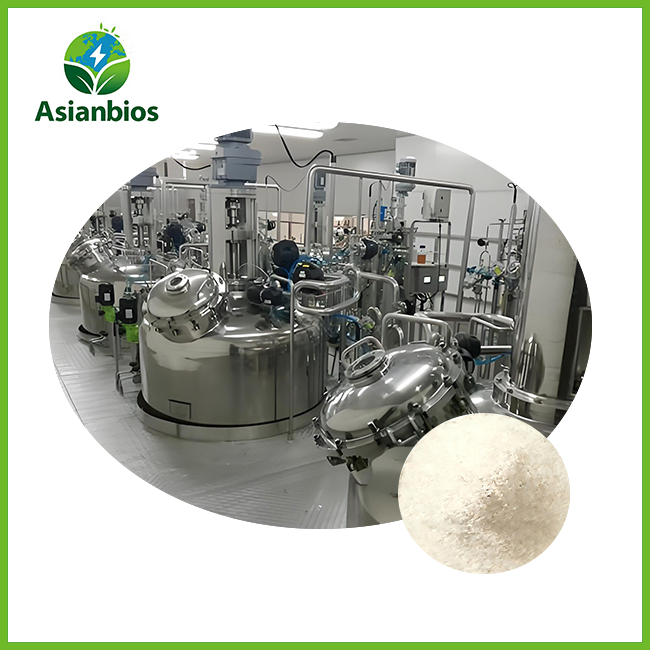
The modern method of Production Technology Of Ergothioneine involves putting synthetic gene groups from fungi or actinomycetes (egt1 and egt2) into bacteria that are already well-suited to the task. Over the course of 5 to 7 days of submerged fermentation, these engineered bacteria break down glucose, corn steep liquor, and yeast extract, releasing ergothioneine straight into the culture media. Using membrane separation, ion exchange resin, crystallization, and cooling to clean it further down the line creates white powders that are ≥98% pure and naturally arranged in a L-configuration.
Microbial Strains and Enzymatic Pathways
Histidine is the building block of the biosynthetic route. It goes through histidine methylation, thiolation with cysteine, and then changes made by enzymes. Metabolic engineering is used on high-performance strains to increase enzyme expression, lower by-product formation, and improve the rate of release. New, groundbreaking research has improved the use of carbon and nitrogen sources, shortening the time needed for fermentation and raising titer levels from grams to tens of grams per liter. This is a major step forward that makes industrialization possible.
Comparing Ergothioneine Production Methods: Fermentation vs Chemical Synthesis
Operational Processes and Purity Outcomes
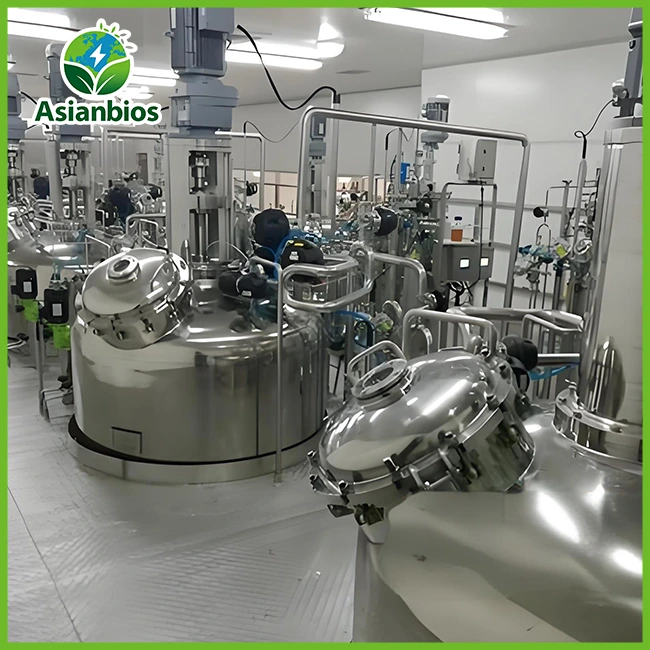
Temperature, pH, dissolved oxygen, and food feed rates are constantly checked in bioreactors, which are carefully controlled settings where microbial fermentation takes place. The process makes more than 99.9% of the enantiomeric form of L-ergothioneine, which is the right stereochemistry for the OCTN1 transporter to recognize it. Chemical synthesis, on the other hand, uses metal catalysts and pyridine solvents in multiple steps to make organic reactions that often produce racemic mixes that need expensive chiral resolution.
Fermentation-derived products dissolve more than 0.9 mol/L in water, and they are very stable at high temperatures and low pH levels, which keeps their bioactivity even after high-shear mixing, pasteurization, and freeze-drying. The molecular weight is always 229.3 g/mol, and the moisture content is kept below 1% and the ash content below 0.1% so that the mixture doesn't change color and the shelf life is extended beyond 24 months when stored at room temperature.
Cost Analysis and Environmental Impact
The cost of fermentation's raw materials depends on farming waste products like corn steep liquor, which greatly lowers the cost of buying mushrooms, which changes with the seasons and location. Operating costs include the energy needed to stir the bioreactor and keep the temperature stable. However, these costs are balanced by the fact that hazardous chemicals and garbage removal fees are not needed for these methods.
Environmental studies show that fermentation-based Production Technology Of Ergothioneine has a smaller carbon footprint because it uses green carbon sources and makes waste streams that break down naturally. Persistent organic pollutants are made during chemical synthesis and need to be treated in a specific way. This goes against business green goals and tightening regulations in the EU and North America.
Scalability and Technical Bottlenecks
Industrial fermentation plants can easily change from 10,000-liter to 100,000-liter bioreactor setups to meet the needs of a growing market that is expected to reach $180 million by 2028. Recent improvements in automation for controlling parameters, like real-time metabolomics tracking and AI-driven feed optimization, have lowered batch-to-batch inconsistency to less than 3%. This makes sure that quality stays the same, which is important for pharmaceutical and cosmetic uses.
Chemical synthesis is hard to scale up because of reaction rates, catalyst deactivation, and labor-intensive purification steps. This makes it economically unviable at industrial levels higher than 10 metric tons per year.

Innovations and Advances in Ergothioneine Production Technologies
Novel Microbial Strains and Metabolic Engineering
New study uses CRISPR-Cas9 gene editing to create chassis organisms that can move more carbon toward production of ergothioneine. By getting rid of rival routes, rational design moves building blocks like histidine and cysteine away from making proteins and toward building up target molecules. Adaptive laboratory evolution further chooses for strains that can handle high osmotic pressure and shear forces, which are common in industrial fermentation settings.
Heterologous expression systems add ergothioneine pathways to industrial workhorses like Escherichia coli and Yarrowia lipolytica, using decades of strain improvement and strong regulatory approval paths. These platforms reach titers higher than 20 g/L, which is ten times better than wild-type growers and makes the cost of production equal to that of common amino acids.
Sustainable Production and Renewable Feedstocks
Due to green chemistry, molasses, rice bran, and brewers' leftover grain are employed as fermentation ingredients for the Production Technology Of Ergothioneine. Waste recycling uses enzymes to break down lignocellulosic biomass into fermentable sugars. Closed nutrition loops reduce food-grade glucose needs. Energy-saving programmes employ heat recovery and low-temperature drying. These technologies reduce carbon emissions by 40%.
Modular and Turnkey Solutions from Technology Providers
Through licensing deals with specialized biotechnology companies, more and more business-to-business clients can get access to unique strain libraries and process know-how. Turnkey solutions include transferring technology, validating it on a pilot scale, helping with legal paperwork, and training on-site. This shortens the time it takes to go from idea to industrial production, from 18 to 24 months. Modular bioreactor designs allow for gradual capacity growth, which lowers capital risk while keeping the operating freedom to switch between making ergothioneine and other products, such as other sulfur amino acids.
How to Choose the Right Ergothioneine Production Technology for Your Business
Capacity Needs and Budget Constraints
Annual demand predictions determine the minimum batch size and production frequency. Contract production of 100 to 500 kg per year may benefit companies who create ultra-premium serums or clinical trial ingredients. Beverage firms that anticipate to sell many tons benefit from specialized fermentation processes, which spread capital costs over time.
Long-term expenses per kilogram ($800 to $1,200 for fermentation vs. $3,000 or more for chemical synthesis at scale) must be evaluated against starting costs of licensing the technology ($500,000 to $2 million). Quality, legal, and inventory costs are included in total cost of ownership models. The breakeven mark is commonly 5–10 metric tons of annual production.
Purity Requirements and Sustainability Objectives
For pharmaceutical uses, API-grade materials that meet USP standard requirements are needed. This means that fermentation methods must be tested and proven to be able to trace back to master cell banks. Thorough endotoxin testing is also needed. Cosmetics can handle slightly wider purity windows (≥95%), but they focus on enantiomeric excess to make sure uniform transporter-mediated cellular uptake, which is what gives them their anti-aging claims.
Customers want Life Cycle Assessments, Science-Based Targets program agreement, and third-party carbon neutrality approval, which are all things that suppliers have to do to meet sustainability requirements. Production Technology Of Ergothioneine using fermentation has natural benefits like using renewable substrates, making trash that breaks down naturally, and using little solvent. These benefits put sellers in a better situation than chemical synthesis options that are highlighted in green chemistry scorecards.
Supplier Reliability and Certification Assessment
As part of due diligence, the credentials of factory partners are carefully checked. These credentials may include CGMP, FSSC22000, ISO9001, HALAL, KOSHER, Organic, and HACCP approvals. Regulatory compliance history, shown by FDA inspection records and EMA site approval, predicts supply continuity and lowers the risk of a recall. Testimonials from customers and checks by a third party confirm technical skills, release on time, and ability to address quality issues.
When deciding between contract manufacturing and in-house production, you should think about control, freedom, and intellectual property. License agreements let you get into a market quickly and with little money, and they give you the strategic choice to go vertically integrated once you've proven your business is viable.
Practical Applications: How Ergothioneine Production Technology Benefits Your Supply Chain
Enhancing Product Consistency and Time-to-Market
Automated fermentation systems with direct analytics reduce batch-to-batch variance for purity, strength, and optical rotation to less than 5%. This stability simplifies formulation development. It also speeds up regulatory filings by eliminating formulation redos when raw ingredients change. Suppliers with strategic stockpiles above one metric ton may provide regular products in 7-10 days. This makes supply systems more vulnerable to global upheaval and pandemic logistical delays.
Regulatory Compliance and Quality Assurance Protocols
Fermentation-derived ergothioneine made in a GMP environment naturally meets the FDA's Food Safety Modernization Act and EU Novel Foods Regulation's standards for tracking. Full Certificate of Analysis paperwork, which includes tests for heavy metals, pesticide residues, microbe limits, and allergens, speeds up the process of getting a new customer and doing an audit. Production Technology Of Ergothioneine Suppliers that offer DMF (Drug Master File) registration help pharmaceutical clients by keeping secret information about manufacturing separate while making regulatory review easier.
Building Resilient and Agile Supply Chains
Single-point-of-failure risks are mitigated by diverse supplier networks, and common fermentation technology helps certified vendors compare. Cost-effective procurement solutions that mitigate global risk employ dual-sourcing arrangements with complementary capacity footprints in Asia and Europe or North America. Whether you're producing limited-edition items or creating more of the latest social media hits, real-time demand sensing and flexible production campaigns allow you to adjust rapidly to market developments.
Asianbios shows these supply chain benefits by managing its inventory strategically, allowing tasting with as little as 1 kg, and offering OEM/ODM customization options for gummies, pills, powders, and capsules to meet the needs of different brands.
Conclusion
Production Technology Of Ergothioneine Fermentation using customized microorganisms and renewable feedstocks substitutes resource-intensive extraction of ergothioneine. To address cosmetics, nutraceuticals, medicine, and functional food demand, this new method generates pharmaceutical-grade antioxidants at scale and cheap cost. Buying managers should seek for fermentation methods with >98% purity, enantiomeric perfection, sustainability, and international-standard quality requirements when choosing suppliers. Companies may capitalize on ergothioneine's growing usage while avoiding new ingredient market risks by balancing capacity, budget, and supply chain resilience. Ergothioneine, a vital antioxidant, will become cheaper and more effective via synthesis, green chemistry, and flexible production beyond 2030.
FAQ
1. What factors influence fermentation yield in ergothioneine production?
The best way to maximize yield depends on which strain is used, how much histidine and cysteine is available, the carbon-to-nitrogen ratio, the amount of liquid oxygen, and how long the fermentation lasts. Advanced strains get titers of 20 g/L or more by increasing metabolic pathways and reducing by-products.
2. How does fermentation-derived ergothioneine compare to natural extraction in quality?
Fermentation always gives products that are >98% pure and have 100% L-isomer stereochemistry. This is better than mushroom extracts that have varying amounts (0.5-2 mg/g dry weight) and co-extracted polysaccharides that need to be cleaned up a lot. Microbial sources get rid of the risks of allergy exposure and supply changes that happen with the seasons.
3. Can small-scale businesses access cost-effective ergothioneine production technology?
Contract manufacturing agreements let new companies get into the market with little money. Reliable providers offer low MOQs starting at 1 kg for formulating, and their prices can be raised or lowered to accommodate growth from pilot batches to multi-ton commercial amounts as needed.
Partner with Asianbios for High-Purity Ergothioneine Supply
Asianbios is a leader in the field of ergothioneine biosynthesis. They use cutting edge genetic engineering tools and quality systems that are approved to CGMP, FSSC22000, ISO9001, HALAL, KOSHER, Organic, and HACCP standards. Our microbial fermentation technology creates white powders that are at least 98% pure. These powders are packed in 25 kg drums and can be sent by express, air, or sea freight through relationships with DHL, SF Express, and FedEx. We can help you find pharmaceutical-grade API, cosmetic raw materials, or useful food ingredients. Our OEM/ODM services are flexible enough to fit formulas for gummies, tablets, capsules, and powders, and we offer green channel shipping for urgent needs 7–10 days a week. We offer professional formula solutions, technical advice, and turnkey production line consultation, combining 30% core process technology with 70% localized execution support, in addition to providing quality ergothioneine as a reliable Production Technology Of Ergothioneine provider. You can email our team at plantex@asianbios.com or go to asianbios.com to talk about your unique needs for purity, volume, and customization.
References
1. Cheah, I.K., & Halliwell, B. (2021). Ergothioneine, recent developments. Redox Biology, 42, 101868.
2. Fujitani, Y., Alamgir, K.M., & Tani, A. (2018). Ergothioneine production using methylotrophic bacteria. Journal of Bioscience and Bioengineering, 126(1), 57-63.
3. Leroux, A., Baratto, M.C., & Salomonson, A. (2020). Microbial biosynthesis of ergothioneine: strategies and scalability. Current Opinion in Biotechnology, 61, 8-15.
4. Song, T.Y., Lin, H.C., Chen, C.L., & Wu, M.C. (2019). Ergothioneine in medicinal mushrooms: extraction, quantification, and potential health benefits. Molecules, 24(20), 3744.
5. Takusagawa, S., Satoh, Y., Ohtsu, I., & Dairi, T. (2022). Metabolic engineering of Corynebacterium glutamicum for ergothioneine overproduction. Applied Microbiology and Biotechnology, 106(4), 1523-1535.
6. Wen, L., & Dong, X. (2023). Industrial production technologies for sulfur-containing amino acid derivatives: current status and future perspectives. Biotechnology Advances, 63, 108094.

Send Inquiry
Related Industry Knowledge
- Advanced Production Technology Of Ergothioneine Explained
- Chinese Cabbage Freeze-Dried Powder: Processing, Benefits, and Applications
- Why Freeze Dried Kiwi Powder Is Trending: Health Benefits and Best Ways to Use It
- Uses of Glutathione Production Technology in Pharma
- What is Sleep Aid Jelly? Guide to Natural Sleep Gummies
- Top Glutathione Production Technology Methods
- What Is Vitamin C Production Technology? Industry Overview
- Uses of Lysine Production Technology in Animal Nutrition
- Kiwi Dried Powder for Drinks: Boost Flavor and Nutrition
- Kiwi Dried Powder Benefits: Why It’s a Superfood Trend?