Advanced Production Technology Of Ergothioneine Explained
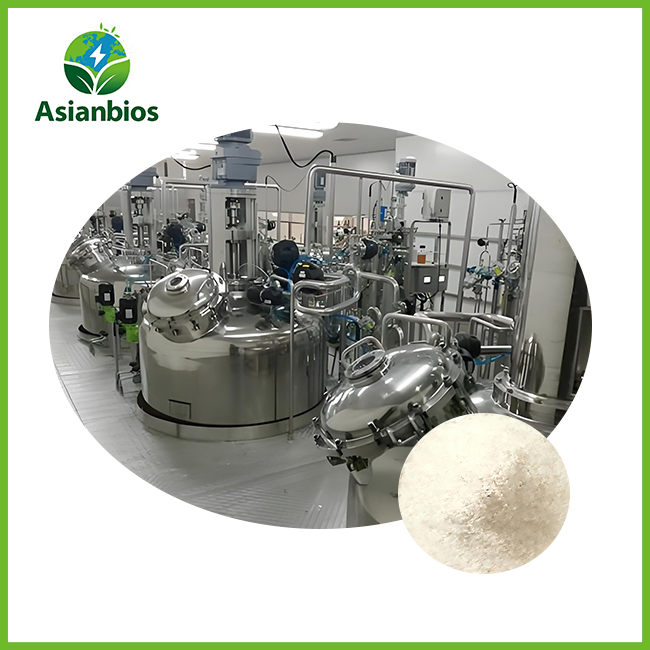
Biotech's Production Technology Of Ergothioneine revolutionized how firms access this antioxidant chemical. Modern approaches use precision microbial fermentation with genetically enhanced host organisms like Bacillus subtilis or Corynebacterium glutamicum. These organisms produce synthetic gene clusters derived from fungi and actinomycetes that make ergothioneine. These modified bacteria ferment glucose and corn steep liquor over 5–7 days to produce ergothioneine. They release ergothioneine directly into the culture medium, which separates molecules, exchanges ions, and crystallizes to accelerate purification. Pharmaceutical-grade purity exceeds 98% with perfect L-configuration stereochemistry.
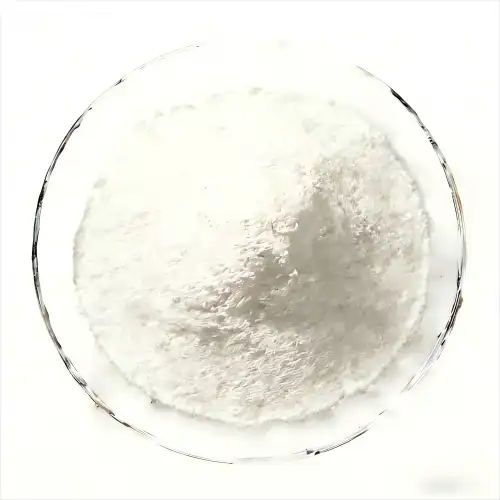
Overview of Ergothioneine Production Methods
Ergothioneine manufacturing has altered throughout time, showing why modern techniques are vital for commercial success. Traditional mushroom extraction was plagued by problems: yields were low due to low ergothioneine concentrations in fungal tissues; extraction processes were complicated and laborious; and a lack of raw materials caused supply chain bottlenecks that prevented scaling. Chemical synthesis approaches avoided these issues but created other ones. Multi-step synthetic approaches required costly chemicals and reagents, produced stereoisomer mixtures that didn't operate physiologically, and raised concerns about chemical residue contamination that prevented cosmetic and nutraceutical usage.
Microbial Fermentation Advantages
Microbial fermentation is the most preferred approach since it solves the key issues with prior technologies. The technique transforms inexpensive industrial microorganisms into effective ergothioneine machines using synthetic biology and the Production Technology Of Ergothioneine. By inserting fungal biosynthetic gene groups that code for enzymes like ergothioneine synthase into well-studied bacterial hosts, manufacturers may improve production significantly. These strains precisely convert simple carbon sources into target compounds without stereochemistry issues. The bioprocess naturally produces just the physiologically active L-isomer, ensuring that human OCTN1 transporters can take up the molecules by cells.
Enzymatic and Biocatalytic Innovations
New, cutting-edge ways to improve production now include enzymatic optimization methods that make fermentation work even better. Researchers find the steps in biosynthetic processes where enzymes can't work quickly enough and then use guided evolution to create enzyme variants with better kinetic features. Biocatalytic methods also make it possible for semi-synthetic production paths, in which microbial systems make important intermediates that are then changed by specific enzymes to make end products. These new ideas give people who work in buying access to manufacturing tools that are more specific, make fewer waste products, and are better for the environment than traditional methods.
Comparison of Key Ergothioneine Production Technologies
To make sensible material purchases, you must know how well alternative manufacturing processes operate in important industrial tasks. Fermentation-based and chemical synthesis processes vary in yield efficiency, cost, product quality, and process expansion. Modern fermentation technology yields economically attractive levels that have cut mushroom market prices by almost 90%. The bioprocess converts material into product well, frequently reaching titers beyond several grams per liter. This output level improves mass manufacturing's economy.
Environmental and Regulatory Considerations
The environmental advantages of fermentation technology are becoming essential in purchase choices. At normal pressures and temperatures, microbial manufacturing uses less energy than chemical synthesis, which requires more reaction steps under hostile conditions. Bioprocess produces less hazardous waste since fermentation surfaces are primarily biodegradable agricultural waste and toxic organic solvents aren't utilized for purification. This green method helps firms meet their sustainability goals and reduces waste. Production Technology Of Ergothioneine via fermentation is a key example, as compliance with regulations is another important difference. GMP-compliant fermentation-derived ergothioneine satisfies high quality criteria for medication and food. Biosynthetic solutions are simpler to approve than chemical ones, which must be checked for catalysts and reaction byproducts.
Real-World Industrial Scale-Up
Case studies from major manufacturers show that fermentation technology can be used successfully in business on an industrial scale. Facilities for production now have fermentation capacities in the tens of thousands of liters, and they can safely make tons of high-purity ergothioneine every year. These businesses show that the technology can be scaled up and is profitable, which gives B2B buyers peace of mind about long-term supply security. The investments in infrastructure help a wide range of application areas, from nutraceuticals to cosmetics. This makes sure that sellers can meet the needs of a growing market while keeping product standards the same from one production batch to the next.
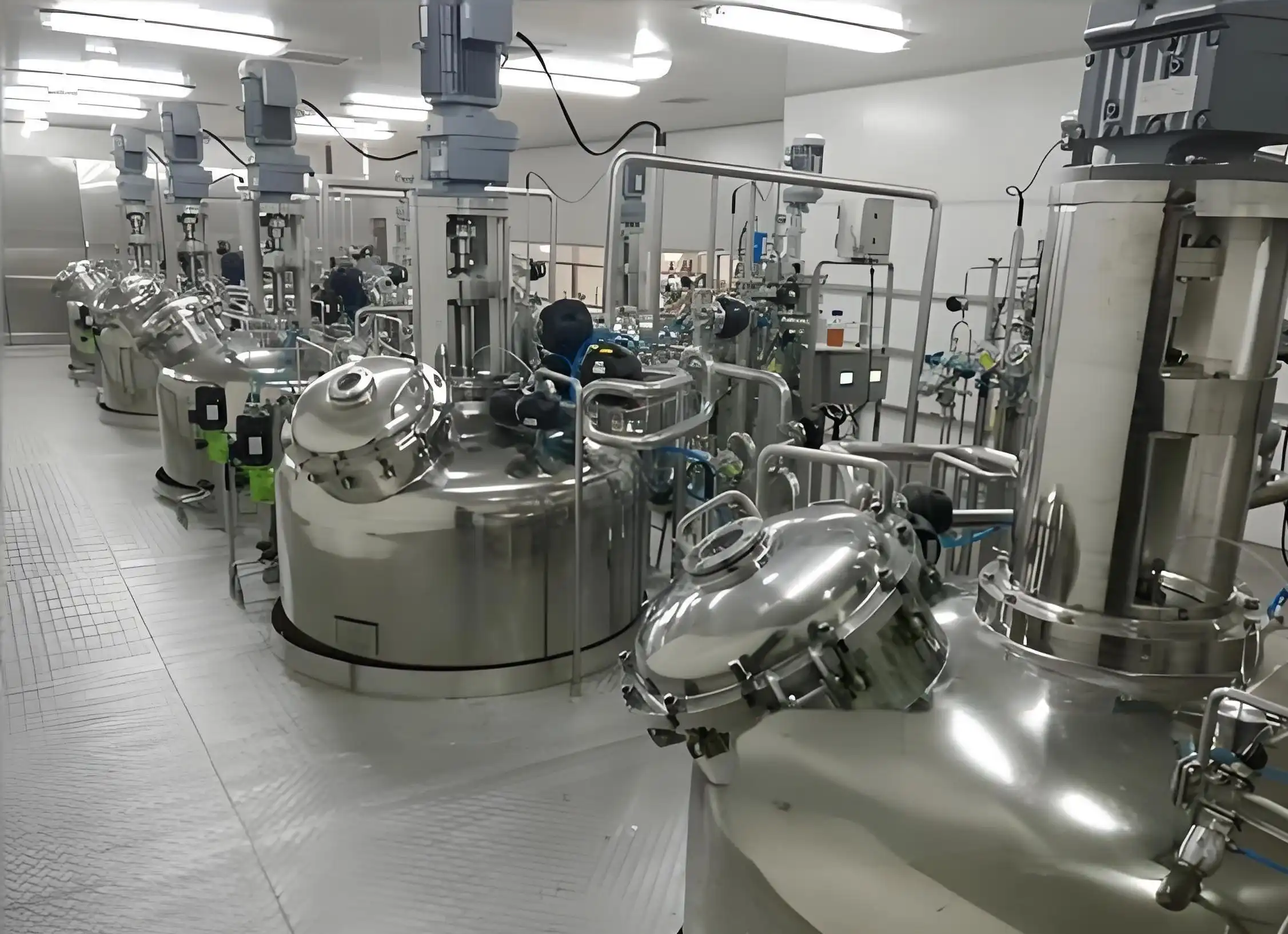
Optimizing Industrial Ergothioneine Production Processes
You must carefully regulate fermentation parameters, which affect yield and product quality, to maximize output. Bacteria activity is temperature-sensitive, thus temperature management is crucial. Most fermentations work best between 28°C and 32°C, where enzyme activity balance growth and metabolic output. Ergothioneine-making enzymes perform best in acidic environments, hence pH is crucial. Production locations restrict growth using automated pH monitoring and adjusting devices. This prevents metabolic disturbances, which diminish yields.
Nutrient Optimization Strategies
Fermentation outcomes depend on substrate composition. Carbon sources like glucose and glycerol provide energy and metabolic building blocks. Production Technology Of Ergothioneine is made from amino acid intermediates from nitrogen sources like yeast extract and maize steep liquor. Advanced nutrient feeding programs monitor substrate consumption rates in real time to minimize substrate restriction or inhibitory accumulation in ergothioneine production. Trace elements like magnesium and zinc help enzymes get nutrients. Fermentation runs benefit from optimal catalytic activity. Aerobic metabolism helps cells develop fast, but oxidation side reactions may lower product quality if oxygen levels are too high.
Genetic Engineering Breakthroughs
Advanced strain creation efforts employ CRISPR-based genome editing and metabolic pathway engineering to create more productive microbial strains. Scientists carefully remove metabolic pathways that compete with ergothioneine production and steal carbon. To clear metabolic bottlenecks, they concentrate cellular resources on generating the target chemical and over-express biosynthetic enzymes that slow the process. Smart design and high-throughput mutant library screening have created production strains with titers several times greater than wild-type organisms. Sensor networks monitor dozens of process parameters in real time in automated process control systems. As long as production continues, adaptive control algorithms may improve fermentation conditions.
Procuring Ergothioneine: What B2B Buyers Need to Know
To find high-quality ergothioneine, suppliers must be carefully evaluated based on a number of important factors. Product quality is very important because even small amounts of contaminants can make formulations less stable in cosmetics or raise safety issues in nutraceuticals. Reliable providers give full scientific certificates that show the purity levels through HPLC analysis, confirm the stereochemical identity, and show that there are no microbes, heavy metals, or solvents left over. Certifications for manufacturing are an important way to make sure that a supplier's skills and quality control systems are real. Having certifications like ISO 9001, FSSC 22000, cGMP, HALAL, KOSHER, and organic badges shows that you are dedicated to high standards and following the rules in all of your markets.
Pricing and Customization Options
Bulk ergothioneine prices vary on quantity, purity, and availability. Current pharmaceutical-grade material costs are competitive per kilogram, and bulk purchases get discounts. For each consumer, several organizations provide customized synthesis of Production Technology Of Ergothioneine. Solubility-enhancing salt forms, particle size distributions, and co-crystallization with crystal-stabilizing excipients are alternatives. OEM and ODM services allow brands to generate ergothioneine-containing formulae for contract manufacturing. Asianbios sells superior microbial fermentation ergothioneine powder in white. Sourcing samples is straightforward with a 1 kilogram minimum purchase. Standard packaging in 25 kilogram barrels maintains goods stable throughout storage and shipping for major companies.
Logistics and Supply Chain Management
Foreign customers who manage cross-border supply chains need reliable transport infrastructure. Top sellers partner with DHL, SF Express, and FedEx to distribute items worldwide fast and easily. Express delivery, air freight, and sea transportation let you balance cost and speed. Asianbios maintains over 1 ton of strategic inventory for standard standards. They can finish orders in 10 days after payment verification. Customized manufacturing takes 20 days, but fast-delivering green channel services may handle urgent demands in 7–10 days. After-sales support helps clients integrate the product into their manufacturing processes with professional guidance, formulation assistance, and product documentation.
Future Trends and Strategic Recommendations for Buyers
New technologies promise to make ergothioneine production more efficient and ecologically benign. AI and machine learning technologies now analyze massive fermentation run data to discover subtle patterns people overlook. Process parameters may be tuned beforehand. Data-driven approaches reduce batch differences and increase returns by making modest adjustments constantly. Green manufacturing reduces its environmental effect by employing low-cost fermentation substrates derived from agricultural waste, closed-loop water recycling, and biogas from waste treatment to generate electricity. Corporate social responsibility brands are more inclined to purchase from eco-friendly leaders.
Market Dynamics and Supply Security
As more research shows its health advantages and people learn about its multiple applications, ergothioneine's demand is rising rapidly. Beauty buyers still dominate the market, accounting for almost 70%, because luxury skin care manufacturers employ it in anti-aging serums, eye creams, and sun protection. The fastest-growing category is nutraceutical applications that increase cognition, lifespan, and cell protection, particularly for elderly persons seeking health. Business opportunities rise while supply reliability decreases due to regulatory approvals in key areas, such as Japan's recognition as a food ingredient, and ongoing research into novel food applications in other regions. Production Technology Of Ergothioneine, along with limitations on raw resources, industrial capacity, and geopolitical calamities, requires careful planning to maintain supply chain operations.
Strategic Sourcing Recommendations
Procurement professionals should engage with vendors who can innovate, understand laws, and maintain quality. A supplier's strain development, process improvement, and analytical testing infrastructure may predict long-term performance. Key market and application group certification portfolios ensure items fulfill multiple regulations. If you wish to vertically integrate, Asianbios offers formulation assistance, experimental validation, and entire production line technology packages. The unified strategy is ideal for emerging firms that seek to build distinctive product lines while reducing expansion risks. Implementation success depends on technology (30%) and practical excellence (70%) such supply chain management, sales infrastructure, and organizational abilities.
Conclusion
Production Technology Of Ergothioneine Improvements in microbial fermentation have revolutionized how individuals receive ergothioneine, an antioxidant molecule. Modern bioprocesses provide clean, eco-friendly, and affordable pharmaceutical-grade materials. These materials are suitable for cosmetics, nutraceuticals, medications, and other emerging sectors. B2B buyers may uncover trustworthy, high-value components that promote innovation and market success by learning about manufacturing techniques, supplier capabilities, and quality and logistical guidelines for purchasing strategies. Ergothioneine is now a regular ingredient in health goods because to synthetic biology, process innovation, and green manufacturing.
FAQ
1. What makes fermentation-based Production Technology Of Ergothioneine superior to chemical synthesis?
What distinguishes the fermentation-based Production Technology Of Ergothioneine from chemical synthesis? Fermentation technology only makes the biologically active L-isomer, and the quality is higher than 98%. This gets rid of the problems that come with stereoisomer contamination that happen during chemical production. The bioprocess works in mild conditions and uses renewable substrates. It makes much less dangerous trash than multistep chemical processes that need harmful catalysts and organic solvents. As fermentation is scaled up, the cost of making things drops by a huge amount, which makes industrial uses possible.
2. How do manufacturers ensure consistent quality across production batches?
How do companies make sure that the quality of each batch of products is the same? Reputable makers use strict quality control procedures that include screening raw materials very carefully, using automated sensor systems to keep an eye on important fermentation factors while the process is going on, and checking finished products in a lot of different ways. Certifications like cGMP, ISO 9001, and FSSC 22000 show that a company follows standard quality control methods, which makes sure that all batches are the same.
3. What certifications should buyers prioritize when sourcing ergothioneine?
When looking for ergothioneine, what approvals should buyers look for? Some important certificates are cGMP for pharmaceutical uses, FSSC 22000 or ISO 9001 for food safety management, HALAL and KOSHER for religious needs, organic certification for natural product claims, and HACCP for methods for hazard analysis. These qualifications show that the provider is dedicated to meeting quality standards for certain types of applications and markets in certain areas.
Partner With Asianbios: Your Trusted Production Technology Of Ergothioneine Supplier
Asianbios can help you find ergothioneine because they use modern fermentation technology to make white powder that is pharmaceutical-grade and meets CE, FDA, and ISO standards. We can make things using modified microbial strains and improved bioprocesses that get purity levels above 98% and full L-configuration stereochemistry, which is needed for biological action. We keep a lot of material on hand so that we can deliver standard specs quickly (within 10 days), and we offer flexible customization through OEM/ODM services to meet a wide range of formulation needs. Our low minimum order number, starting at 1 kg, makes it easier to start trying and developing new products. We also offer full technical support, which includes help with formulation, experimental confirmation, and production line technology packages. As a trusted Production Technology Of Ergothioneine producer, Asianbios is certified by CGMP, FSSC22000, ISO9001, HALAL, KOSHER, and organic standards. They are also dedicated to providing excellent customer service and quality products. Email us at plantex@asianbios.com to talk about your unique needs and find out how our experience can help you reach your goals for product creation.
References
1. Cheah, I.K. & Halliwell, B. (2012). Ergothioneine; antioxidant potential, physiological function and role in disease. Biochimica et Biophysica Acta - Molecular Basis of Disease, 1822(5), 784-793.
2. Pfeiffer, C., Bauer, T., Surek, B., Schömig, E., & Gründemann, D. (2011). Cysteine as biosynthetic precursor of ergothioneine: genomic and biochemical evidence. Journal of Biological Chemistry, 286(23), 20103-20110.
3. Seebeck, F.P. (2010). In vitro reconstitution of Mycobacterial ergothioneine biosynthesis. Journal of the American Chemical Society, 132(19), 6632-6633.
4. Osawa, R., Kamide, T., Satoh, Y., & Kawano, Y. (2018). Commercial production of ergothioneine by fermentation using methylotrophic bacteria. Bioscience, Biotechnology, and Biochemistry, 82(11), 1845-1852.
5. Nakamichi, N., Taguchi, T., Hosotani, H., Wakayama, T., & Komatsu, Y. (2016). Functional expression of carnitine/organic cation transporter OCTN1 in Caco-2 cells: mechanism of ergothioneine uptake. Biological and Pharmaceutical Bulletin, 39(7), 1072-1078.
6. Ey, J., Schömig, E., & Taubert, D. (2007). Dietary sources and antioxidant effects of ergothioneine. Journal of Agricultural and Food Chemistry, 55(16), 6466-6474.

Send Inquiry
Related Industry Knowledge
- Freeze Dried Kiwi Powder Guide 2026: Nutrition, Applications & Buying Tips
- What Is Modern Valine Production Technology?
- Best Sea Buckthorn Freeze-Dried Powder: Buying Tips, Applications, and Key Advantages
- Is grape powder good for you?
- Chinese Cabbage Freeze-Dried Powder for Health: Benefits, Uses & Expert Tips
- Is powdered kale good for you?
- What are the benefits of apple powder?
- What is apple green powder?
- Best Grape Powder in 2026: Expert Reviews, Health Benefits & Buying Guide
- Radish Freeze-Dried Powder: Benefits, Uses, and Nutritional Value Explained