What Is Modern Valine Production Technology?
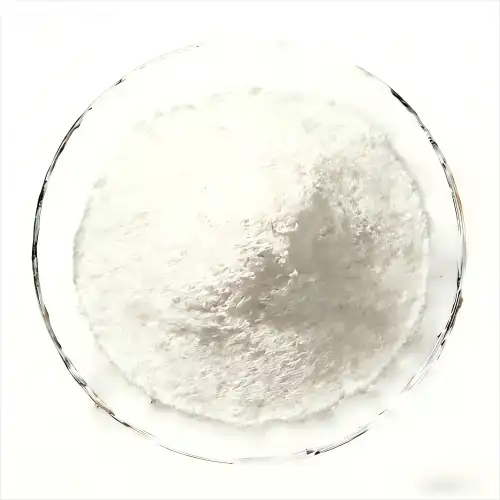
L-Valine, an important branched-chain amino acid, is synthesized mainly through advanced microbial fermentation in the industrial bio-manufacturing methods known as Valine Production Technology. This method uses chemically modified bacterial strains, like Escherichia coli or Corynebacterium glutamicum, to turn recyclable materials like glucose from corn and sugarcane into very pure L-Valine crystals that are more than 98.5% pure. The technology solves important problems in the supply chain for nutritional supplements, pharmaceutical preparations, and feed additives. It does this by providing long-term alternatives to traditional chemical synthesis methods that meet strict international quality standards for pharmaceutical, food, and feed-grade uses.
Introduction
L-Valine is one of three branched-chain amino acids needed to make proteins and regulate metabolism in various sectors. From clinical parenteral nutrition to livestock feed, the demand for dependable, low-cost L-Valine sources is expanding worldwide. Procurement experts and industrial decision-makers are under pressure to identify suppliers with low costs, sustainability, and consistent product quality.
Knowing current Valine Production Technology helps you evaluate suppliers and negotiate long-term contracts. The switch from chemical synthesis to bio-based fermentation is part of an industrial trend toward harnessing green resources, reducing environmental effect, and purifying goods. In this book, we'll examine the most prevalent manufacturing methods, analyze emerging technologies that are altering the competitive field, and provide advice for picking production partners that match your and the government's objectives.
Understanding Modern Valine Production Methods
Chemical Synthesis: Traditional Approach
Historically, amino acids were created via chemical synthesis. L-Valine was created from oil constituents using catalytic methods. This approach produces racemic mixtures of D- and L-isomers and requires costly chiral resolution to separate the physiologically active L-form. Chemical procedures employ nonrenewable feedstocks, produce a lot of liquid waste, and need a lot of energy for separation operations, making them environmentally harmful. Leftover chemical pollutants are tougher to utilize in pharmaceutical and food-grade usage with rigorous purity standards due to regulatory monitoring.
Microbial Fermentation: The Modern Standard
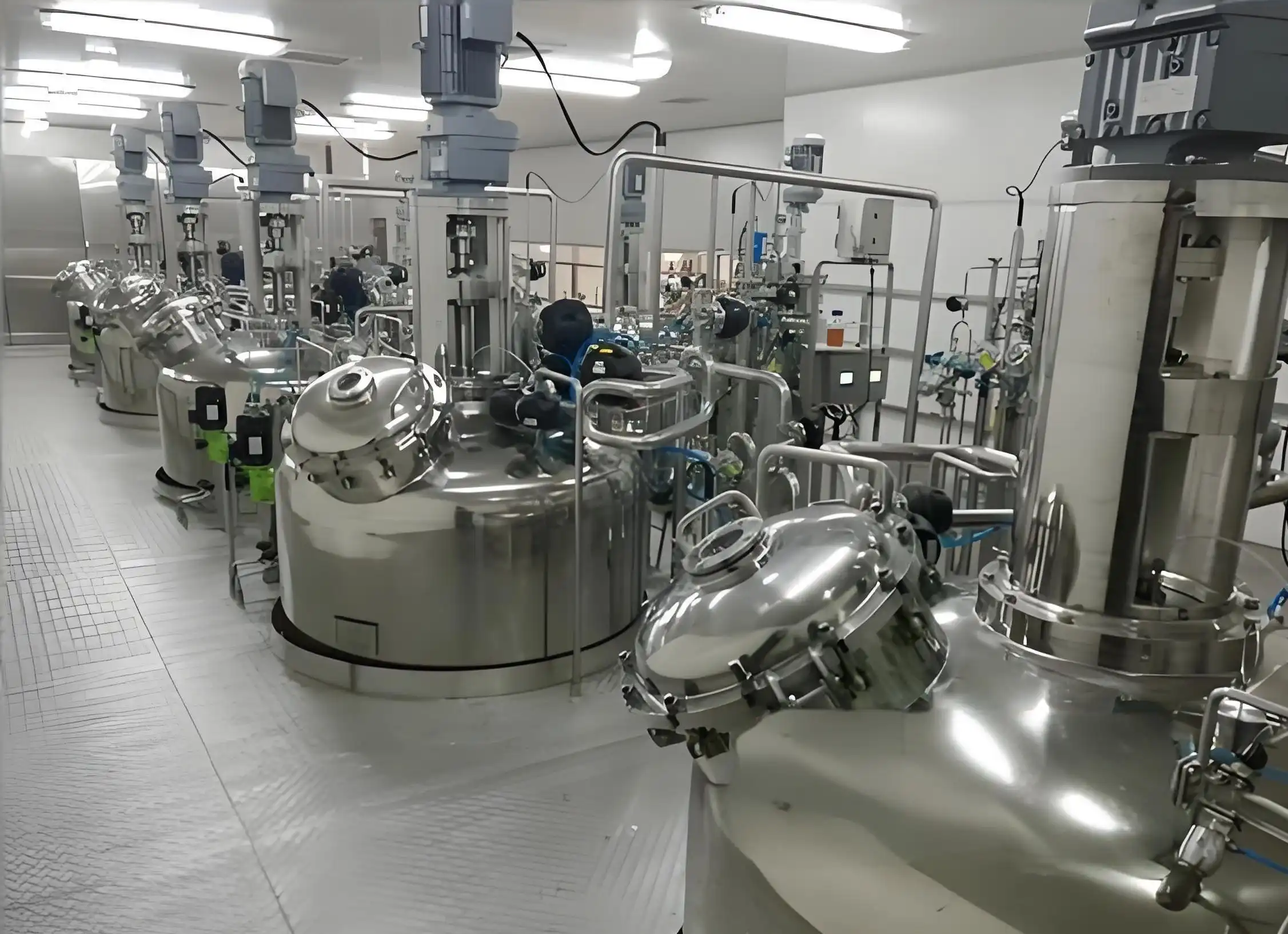
Microbiological fermentation is widely employed in current industrial production, advancing bio-based industry. To maximize L-Valine biosynthesis using Valine Production Technology, develop, choose, and genetically alter bacterial cultures. Genetically enhanced Corynebacterium glutamicum uses regulated metabolic pathways to convert simple sugars from maize, sugarcane, or cassava into L-Valine. Large bioreactors ferment under rigorous conditions. Temperature and pH are maintained between 30 and 37°C, and calculated ventilation and stirring rates deliver oxygen precisely.
Renewable Feedstock Advantages
These days, fermentation processes are very good at using a wide range of feedstocks, including different food sources depending on what's available in the area and what's best for the economy. In North America, glucose from corn is used most of the time, while in Brazil and Southeast Asia, sucrose from sugarcane is used most of the time. This agricultural organization supports goals for sustainability by lowering reliance on fossil fuels and building markets for agricultural goods that add value. The carbon impact of this technology is still much smaller than that of chemical synthesis, especially when sites use combined heat and power systems or waste streams from farms to make energy.
Comparing Valine Production Technologies: Making the Right Choice
Yield and Scalability Considerations
Continuous strain enhancement helps fermentation-based systems produce very much. Today, modified bacteria produce 40–60 grams of L-Valine per liter of fermentation broth. Leading manufacturers claim unique optimization procedures provide over 70 grams per liter. To go from lab-scale to commercial production, you must understand bioreactor engineering and how to maintain the same environment in all vessels, from 50-liter trial units to 200,000-liter fermenters. Chemical synthesis used to produce more raw materials, but fermentation facilities have reduced this disparity. Each factory now produces 5,000–15,000 metric tons of raw material annually.
Cost Structure Analysis
Manufacturing prices vary by technique and location. Fermentation systems need clean fermentation tanks, complicated control systems, and multi-stage purification trains, which cost more upfront. Fuel prices, energy supplies, and personnel skill level affect operating expenses. For Valine Production Technology, chemical synthesis requires less capital, but it costs more to remove toxic waste, follow the rules, and fix chiral resolution issues, so about half of the material must be recycled or discarded.
Quality and Purity Standards
Pharmaceutical uses need very pure profiles, usually needing an L-Valine level of at least 98.5% and strict limits on heavy metals (≤10 ppm), leftover solvents, endotoxins, and microbiological contaminants. Fermentation processes naturally make only L-isomers, which makes quality control easier and gets rid of the worries about D-isomer contamination that come with chemical production. Feed-grade specifications aren't as strict, but they still need the same amino acid composition to make sure that the feed is made correctly and that it follows the rules in all export markets.
Key Strategies To Optimize Valine Production and Maximize Yield
Strain Engineering and Maintenance
An successful fermenting process requires high-output, genetically stable, and stress-resistant microbial strains. Advance metabolic engineering removes natural feedback suppression systems that prevent L-Valine buildup. The cell's resources go to manufacturing the target chemical. Complex strain preservation technologies including ultra-low temperature cryopreservation and freeze-drying provide genetic stability in each manufacturing batch. Standard strain screening techniques detect deterioration early so it may be stopped before it impacts market output.
Fermentation Parameter Control
Three critical fermentation performance factors must be evaluated and changed in real time. Maintaining optimum enzyme and cell activity requires precise temperature management within ±0.5°C of setpoints. Monitor pH too. Preventing biological byproducts, bacterial growth, and L-Valine synthesis requires automatic acid or base provision. Dissolved oxygen concentrations must fulfill aerobic metabolism without foaming or harming cells. Adjust impeller speed and airflow.
Valine Production Technology yields depend on nutrient feeding. Dynamic nitrogen addition using ammonia or urea maintains carbon-to-nitrogen ratios throughout fermentation. Trace elements prevent vitamin depletion. Live sensors measure glucose, ammonia, and amino acid levels in advanced processes. This helps predictive control algorithms determine the ideal feeding timings depending on animals' metabolic status in real time.
Downstream Purification Efficiency
Purification operations take a lot of energy and resources and affect product quality and return rates. Pore sizes and membrane materials must be carefully selected to maximize membrane filter system output while minimizing fouling. Regenerate and replace ion exchange resins. Amino acids with similar structures separate differently depending on resin. Temperature rising speeds, seeding methods, and mother liquor composition impact how the powder is handled, purified, and crystallized.
Cost-conscious makers use solvent recovery systems, wash their products against the flow of water to save water, and get back amino acids that are left over from waste streams. These steps lower both running costs and environmental damage, helping to reach sustainable goals that are becoming more important to business purchasing policies.
Leading Valine Manufacturers and Supply Chain Insights
Major Production Hubs
Asian manufacturers, notably Chinese ones, produce most of the world's goods. This is possible because they have a lot of fermentation infrastructure, agricultural feedstock, and integrated supply lines that service their nations' massive feed and food sectors. Asianbios operates modern fermentation facilities with quality control systems and CGMP, FSSC 22000, ISO 9001, HALAL, KOSHER, and Organic certifications. These companies may perform OEM and ODM adjustments at affordable pricing. From bulk sales of conventional commodities to unique formulas, they can satisfy consumer demands.
Japanese and German manufacturers are regarded for excellent quality and cutting-edge technology. Especially for pharmaceutical usage, legal documentation and audit records are crucial. European manufacturers emphasize sustainability certifications and traceability to attract clients that prioritize environmental, social, and governance problems when selecting a supplier. North America produces little so as to safeguard the supply chain and make transit easy for local consumers.
Supply Chain Considerations
You need to consider logistical and commercial factors beyond unit pricing to acquire L-Valine. Valine Production Technology causes highly variable minimum order quantities amongst vendors. Some require complete 20–25 metric ton containers, while others can handle lesser quantities for testing or particular needs. Lead times vary from immediate for regular specifications in stock to 20–40 days for unique formulae or strong demand.
Different types of transportation have effects on both prices and arrival times. Ocean freight is a cheap way to ship large amounts of goods, but it takes 30 to 45 days to deliver on trans-Pacific paths. Air freight cuts travel times by a huge amount, to 7–10 days, but it costs a lot, which is only worth it for urgent needs or high-value pharmaceutical uses. Express courier services, such as DHL, FedEx, and SF Express, handle small packages and requests for samples, which lets you quickly test out new providers or goods.
Future Trends and Innovations in Valine Production Technology
Synthetic Biology and Metabolic Engineering
CRISPR-Cas systems provide precise genetic modifications that would have required years of traditional mutagenesis screening in previous strain creation. Researchers develop metabolic pathways using non-natural enzymes from other species. This optimizes biosynthetic pathways and avoids bacterial metabolism issues. These adjusted strains boost substrate usage, stress tolerance, and waste reduction, making production more environmentally friendly and cost-effective.
Computational modeling methods simulate metabolic fluxes and predict genetic alterations before lab resources are committed, speeding up this process. Machine learning algorithms analyze massive fermentation data sets. They identify modest changes in parameters that impact each other and offer methods to enhance things a human would overlook. These digital technologies speed up development and allow designers evaluate more design possibilities throughout strain and process development projects.
Process Intensification
Continuous fermentation differs greatly from batch procedures. They work better, are consistent, and utilize money better. Continuous systems increase volumetric production with fewer equipment by maintaining conditions and collecting product while adding fertilizers. Implementation issues including genetic material stability and contamination have made it difficult to employ. Sterile connection systems and real-time tracking are addressing these issues.
Effective integrated bioprocessing technologies combine fermentation and purification later. Valine Production Technology reduces storage between processes, reduces contamination, and boosts recovery. Membrane bioreactor cell retention techniques provide high cell counts, increasing volumetric output. These more complex methods follow industry trends toward modular, flexible facilities that can easily swap commodities to service more specialized markets.
Sustainability and Circular Economy Principles
Environmental factors are becoming more and more important in choosing technologies and designing buildings. As possible substrates, producers look at other feedstocks like farming waste, food processing waste, and even carbon dioxide. This lowers competition with food uses while reusing waste streams. Biorefinery ideas combine the production of amino acids with other biochemicals. They do this by sharing resources and turning waste products from one process into raw materials for another, making the whole operation as resource-efficient as possible.
Water use and handling of garbage have big effects on the environment and on the business's bottom line. Closed-loop water recycling systems, multi-effect evaporation for concentration, and biological treatment methods that turn organic waste into biogas for energy production are all used in advanced facilities. These circular methods lower both running costs and environmental impacts. This gives businesses a competitive edge as more and more customers demand that their supply lines show they can be sustainable.
Conclusion
Modern Valine Production Technology has grown into an advanced biotechnology field that combines metabolic engineering, process control knowledge, and purification science to produce high-quality amino acids that are used in a wide range of industries, including food, medicine, supplements, and feed. Microbial fermentation has become more popular than traditional chemical synthesis because it improves product quality, is better for the environment, and is more in line with regulations. To make good buying plans, you need to look at suppliers' technical skills, how mature their quality systems are, the range of certifications they have, how flexible their supply chains are, and how committed they are to always getting better.
FAQ
1. What distinguishes fermentation from chemical synthesis in valine production?
In the context of Valine Production Technology, live microbes use enzymes to turn renewable sugars into L-Valine. This process creates only the biologically active L-isomer with very little chemical waste. Catalyzed reactions from petroleum products are used in chemical synthesis to make racemic mixes. To separate L-Valine from the inactive D-isomer, which is very expensive, the mixtures must be separated. Fermentation is better for sustainability because it makes products more pure and is better accepted by regulators for use in food and medicine.
2. How can buyers ensure consistent quality when sourcing valine?
Reliable quality assurance starts with making sure that the seller is qualified by checking that they have current certifications like ISO 9001, FSSC 22000, and any related pharmaceutical qualifications. Ask for records of analysis for the most recent production runs and look over the requirements for heavy metals, microbiological factors, amino acid content, and solvent residue. Before accepting providers, you should do initial qualification testing with outside labs. To keep an eye on quality all the time, make quality agreements that spell out requirements, sample methods, and how to report deviations.
3. What environmental advantages does microbial production offer?
When compared to chemical synthesis, microbial fermentation leaves behind much smaller carbon footprints because it uses green farming feedstocks instead of oil resources. The process mostly makes waste that can be broken down by nature, doesn't produce a lot of dangerous waste that needs special dumping, and works at reasonable temperatures, which means it uses less energy. Advanced facilities recycle water and make energy from organic waste, which improves environmental performance even more and makes them more appealing to buying policies that focus on sustainability.
Partner with Asianbios for Advanced Valine Production Technology Solutions
To get reliable, high-quality amino acid supplies, you need to work with makers who offer technical excellence, quality security, and quick customer service. Asianbios offers full Valine Production Technology solutions that are backed by foreign standards such as FSSC 22000, ISO 9001, HALAL, KOSHER, and Organic credentials. Our microbial fermentation processes make pharmaceutical-grade and feed-grade L-Valine that meets strict purity requirements of ≥98.5%. It can be ordered in a range of sizes, from 1-kilogram trials to multi-ton bulk sales.
Whether you're a functional food maker, dietary supplement brand, beverage maker, cosmetics company, feed maker, or distribution partner looking for a reliable valine production technology supplier, Asianbios has the quality, service, and technical know-how your business needs. You can email our team at plantex@asianbios.com to talk about your unique needs, ask for samples of our products, or find out how our advanced fermentation skills can help your supply chain work better and put you ahead of the competition.
References
1. Chen, Z., & Liu, H. (2021). Advances in Microbial Fermentation Technology for Amino Acid Production. Journal of Industrial Microbiology and Biotechnology, 48(3), 145-162.
2. Ikeda, M., & Takahashi, S. (2020). Metabolic Engineering of Corynebacterium glutamicum for Enhanced L-Valine Production. Applied Microbiology and Biotechnology, 104(18), 7821-7835.
3. Wendisch, V. F. (2019). Biotechnological Production of Amino Acids and Derivatives: Current Status and Prospects. Applied Microbiology and Biotechnology, 103(1), 143-157.
4. Global Industry Analysts, Inc. (2022). Amino Acids: Global Strategic Business Report. Market Research Report, San Jose, CA.
5. Park, J. H., & Lee, S. Y. (2021). Towards Systems Metabolic Engineering of Branched-Chain Amino Acid Production in Microorganisms. Current Opinion in Biotechnology, 69, 88-95.
6. Hermann, T. (2020). Industrial Production of Amino Acids by Coryneform Bacteria: Recent Advances and Future Prospects. Journal of Biotechnology, 312, 46-56.

Send Inquiry
Related Industry Knowledge
- How to use freeze dried strawberry powder?
- Best Isoleucine Production Technology for Industrial Use
- Your Guide To Choosing The Best Organic Grape Powder
- What Is Lysine Production Technology Overview?
- Chinese Cabbage Freeze-Dried Powder: A Complete Guide to Nutrition and Quality
- What is Sleep Aid Capsule? Complete Beginner Guide
- How to Choose the Best Seabuckthorn Powder - Asianbios
- Health Benefits and Uses of Kiwifruit Powder
- What do you do with freeze-dried kale powder?
- How to Incorporate Freeze Dried Kale Powder into Your Daily Meals for Optimal Health?