What Is Lysine Production Technology Overview?
L-Lysine is an amino acid that both people and animals need and is at the heart of many current biotechnology uses. Lysine Production Technology is the name for the large-scale biomanufacturing methods that use bacteria fermentation to make L-Lysine quickly and environmentally friendly. This technology is based on chemically modified strains, mostly Corynebacterium glutamicum, mixed with natural carbon sources such as molasses or corn starch hydrolysate. These raw materials are turned into lysine through controlled biological reactions during the fermentation process. Ion-exchange chromatography and crystallization are two complex steps used for further processing. This method solves important problems in the industry: it gives 100% bio-active L-isomer, gets rid of the environmental problems that come with chemical production, and gives feed, food, pharmaceutical, and skincare companies around the world cheap solutions.
Understanding Lysine Production Technology
The process of making industrial amino acids has changed a lot in the last few decades. Chemical synthesis methods aren't used to make lysine anymore; instead, organic fermentation is used almost totally. This change is a sign of both economic duty and natural care.
Microbial Fermentation as the Dominant Method
Microbial fermentation uses the natural biological skills of certain bacteria to make lysine on a large scale for business use. The process starts with carefully chosen microbial types, mostly Escherichia coli and Corynebacterium glutamicum, that have been made better through genetic engineering or standard mutagenesis. These strains have changed metabolic pathways that get around natural feedback inhibition. This lets lysine build up in fermentation broth to levels as high as 200–240 g/L when conditions are perfect.The cellular process is based on the aspartic acid route, with aspartic acid as the main building block. Bacterial cells use aspartic acid kinase, dihydrodipicolinate synthase, and other important enzymes to change simple sugars and nitrogen sources into L-Lysine. This amino acid is then released into the nearby medium to help the cells heal more quickly.
Comparing Production Methods
Chemical synthesis used to be an alternative method, but fermentation technology has been better in virtually every way. Stereochemical problems make it hard for chemical methods to work because they create racemic mixes that need to be separated in a costly way to get the biologically active L-form. Fermentation naturally makes only the L-isomer that is wanted, so this problem is solved completely.The business benefits are just as strong. farm wastes like molasses and corn steep liquor can be used as cheap feedstocks to keep supply lines stable and help farm economies. The rate of change from sugar to acid is usually around 70%, which shows how efficient it is. About 70% of the world's lysine production capacity is currently in China. Some production lines have been running at 100,000 tons per year for over 15 years, which shows that the industry is mature.
Key Microbial Strains and Their Metabolic Engineering
Corynebacterium glutamicum is still the most important lysine fermenting organism in industry. Researchers have made many changes to this organism to make it more productive. These changes include getting rid of competing pathways that direct carbon flow toward unwanted byproducts, changing the lysC gene that codes for aspartokinase to get rid of feedback inhibition, and increasing the expression of enzymes that slow down the biosynthetic pathway.Changes to genes also make cells better able to handle high levels of lysine and improve how well they take in nutrients. These modified strains keep their genes stable over many generations of industrial fermentation cycles. This makes sure that the quality of the product stays the same and that buying teams can predict the yield, which is important for planning large-scale operations.
The Lysine Fermentation Process Explained
Understanding the step-by-step fermentation process helps industrial buyers figure out how much they can produce and where they might be able to improve their supply lines.
Medium Preparation and Inoculation
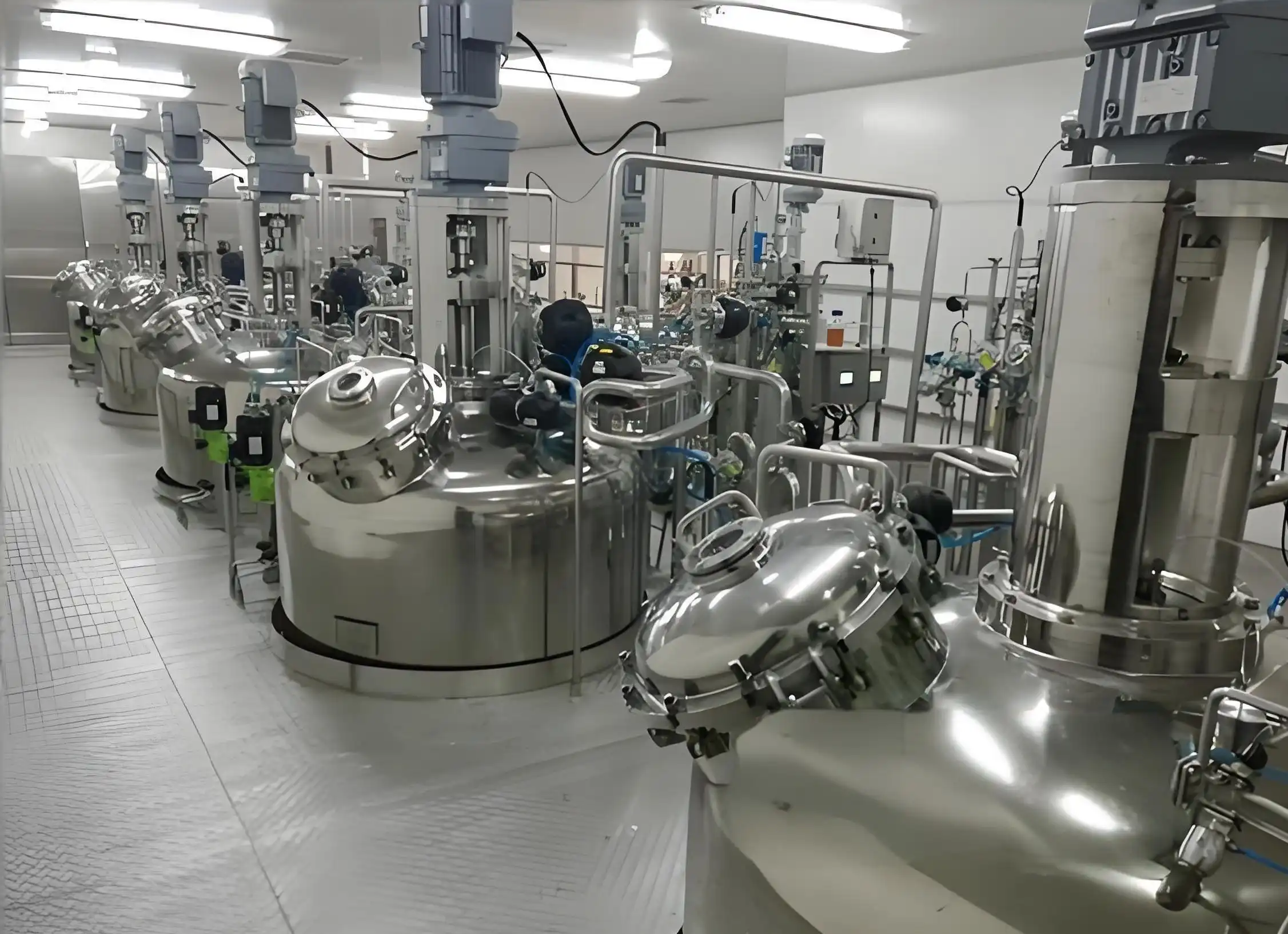
Carefully prepared growing media are the building blocks of a good fermentation. Most versions use corn or wheat starch hydrolysates as the main carbon source, which makes glucose that is easily metabolized. Ammonia, liquid ammonia, or ammonium sulfate are all sources of nitrogen that bacteria use to build amino acid structures. Even though they are very small, trace elements have disproportionately important parts to play. When biotin is added at carefully controlled amounts, it changes how permeable cell membranes are and starts the lysine secretion process. This is a very important factor that experienced workers keep a close eye on. Minerals like phosphoates, magnesium salts, and others help enzymes do their jobs and keep cells healthy during the fermentation cycle. Once the medium has the right mix of ingredients, it must be kept clean during infection. Seed cultures that are grown in labs are gradually moved to bigger and larger seed tanks so that the cell populations reach the right density before they are moved to fermenters that are used for production, which can hold hundreds of thousands of liters, such as Lysine Production Technology.
Controlled Fermentation Conditions
High-performing factories control fermentation conditions precisely. Temperature is kept between 30-37°C, depending on the strain, and pH is maintained between 6.8 and 7.2 by automated systems adding ammonia. Dissolved oxygen, crucial for lysine-producing bacteria, is monitored using advanced sensors connected to control systems, adjusting airflow and mixing in real time. The fermentation cycle lasts 48-60 hours, and online tracking of oxygen and carbon dioxide helps managers optimize conditions before quality or yield issues arise.
Lysine Recovery and Purification
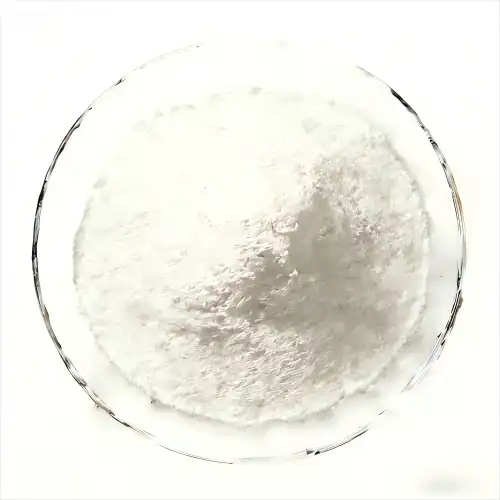
After fermentation, bacterial cells, unused nutrients, and waste must be separated to purify lysine. Centrifugation or filtration removes cells, with the residue used for animal feed or fertilizer. Ion exchange resin adsorbs lysine, which is then concentrated by removing liquid ammonia. The lysine is acidified to form solid salts like lysine hydrochloride, which crystallizes and is purified. The final product is washed, centrifuged, and dried into a white powder. Quality control ensures the product meets strict standards for heavy metals, microbes, and purity.
Comparison of Lysine Production Technologies and Yield Optimization
When procurement workers look at different tech choices, they need to consider more than just unit price to find the best deals.
Cost-Efficiency Analysis
When you look at the whole production process, fermentation technology has clear cost benefits. Modern fermentation facilities require big investments in things like large fermentation tanks, sterile air handling systems, automatic control infrastructure, and tools for processing the fermented food after fermentation. But these investments pay off in the long run by making operations more efficient and making sure products are always the same.The costs of doing business stay low because they use cheap farming feedstocks and don't need as much energy as other chemical production methods. Labor costs go down as robotic technologies make it possible for machines to do more of the work. Bacterial residue recycling lowers the cost of getting rid of waste, providing benefits for the circular economy that are good for both the environment and the business.Costs for licensing and transferring technology are very different between companies. Some sellers offer complete solutions that include training and continued support, while others only sell tools and leave it up to the buyer to figure out how to make the process work better. Knowing these differences helps procurement teams correctly predict the total cost of ownership, which includes the original cost of capital.
Yield Output and Quality Considerations
Lysine levels of 200 to 240 g/L in fermentation soup are common in modern fermentation plants. This is an industry standard that comes from years of improving the process. With 70% conversion rates, 100 kg of fermentable sugar can be turned into about 70 kg of lysine. This is an amazing metabolic efficiency made possible by advanced strain engineering.Product quality changes depending on what it will be used for. Feed-grade lysine hydrochloride is ≥98.5% pure and meets standards. It can be used for animal feeding where small impurities are not a big deal. Food-grade items need to be purer, usually at least 99%, and have stricter limits on heavy metals, microbes, and chemicals that are still present. Pharmaceutical-grade lysine has to meet the strictest standards, which include tests for endotoxins and proving that it is sterile for parenteral feeding uses.Another important quality factor is batch-to-batch uniformity. Reliable providers have consistent composition and performance, which lowers formulation uncertainty for customers further down the line who count on ingredients that behave in an expected way.
Emerging Innovations and Technology Trends
Emerging innovations in biotechnology include CRISPR-Cas9 for precise genetic modifications, leading to more efficient strains. Systems biology enhances our understanding of cellular processes, while AI and machine learning improve fermentation control. Predictive models optimize equipment maintenance, and AI-driven feeding adjusts nutrient delivery in real time for better yields. Process intensification techniques like high-cell-density fermentation and fed-batch strategies increase output, while membrane technologies accelerate downstream processing, reducing fluid use and processing time while maintaining product quality in Lysine Production Technology.
Procurement Considerations for Lysine Production Technology
When making strategic buying choices, you need to use evaluation models that look at more than just price comparisons and take into account the value of a long-term relationship.
Selecting Equipment Suppliers and Technology Partners
When selecting equipment suppliers, focus on proven success at the required scale. Experience in scaling from pilot to full production is crucial. Evaluate the supplier's technical support, including training, troubleshooting, and responsiveness. Customizable technology should fit local needs and product requirements. Some buyers may prefer turnkey solutions, while others might opt for modular systems that allow for future expansion. References and site visits to existing systems provide valuable insights into reliability, service quality, and ongoing support.
Understanding Total Cost of Ownership
Total Cost of Ownership (TCO) includes not just capital investments but also installation, operator training, feedstock, and working capital. Ongoing costs like raw materials, energy, process water, and wages add up over time, with maintenance and spare parts also factored in. Regulatory compliance and quality control costs vary by product type and location. Hidden costs can arise during scale-up, including production trials and market growth efforts. Building experienced teams requires investment in training programs to ensure operational success.
Customization and Consulting Services
Successful technology implementation requires customization based on local conditions like feedstock quality, available services, and market needs. Leading companies offer consulting services to optimize designs, balancing cost savings with operational flexibility. Expert consultants help accelerate performance, solve unforeseen issues, and share best practices. Effective localization—adapting methods, building strong quality systems, and training teams—makes up 70% of project success. This comprehensive approach ensures that theoretical processes translate into reliable, real-world operations.
Environmental and Sustainability Aspects of Lysine Production
It's getting harder for modern producers to show that they care about the earth while also doing a great job with their operations. It's a good thing that fermentation-based lysine production is naturally environmentally friendly and in line with business social responsibility goals.
Carbon Footprint and Waste Management
Fermentation technology uses renewable biomass, reducing reliance on fossil fuels and lowering greenhouse gas emissions compared to chemical synthesis. Waste from fermentation can be repurposed as organic fertilizers or animal feed, promoting a circular economy. Advanced water recycling systems recover 70-80% of process water, reducing freshwater use. Energy efficiency is improved through heat integration and variable-frequency motors, which optimize power usage. These innovations help lower environmental impact while creating economic benefits from waste management and resource reuse.
Sustainable Production Approaches
When choosing feedstock, there are chances to boost your green reputation. Using farm waste or second-generation biomass sources makes them less competitive with food uses while giving materials a market where they could be sold instead of going to waste. More research into different carbon sources, like lignocellulosic materials and industrial CO2 collection, could increase the number of green feedstocks that can be used.New developments in bioprocessing show that environmental performance will continue to get better. Metabolic engineering that boosts conversion efficiency means that less fuel is needed to make one unit of lysine. Shorter fermentation cycle times make better use of assets while dropping the amount of energy used per output batch. Modern techniques for separating things use fewer solvents and chemicals during the cleaning steps.Some forward-thinking makers try to use sustainable energy sources, like solar panels or wind power, to balance out the electricity they use from the grid. These projects show that people care about the environment and protect against future carbon pricing systems that might make fossil fuels more expensive.
Regulatory Landscape and Following the Rules
Global regulatory standards, like REACH in the EU, are driving companies toward more environmentally friendly production methods, benefiting biological processes. Certifications like organic, Kosher, and Halal ensure compliance and open new markets. Future carbon footprint programs may also reward low-emission production. Purchasing teams should prioritize suppliers with certifications like ISO 14001 and FSSC 22000, demonstrating environmental and food safety management. These certifications reduce risks and show operational maturity, ensuring regulatory compliance and protecting brand reputation.
Conclusion
Lysine production technology is an advanced area that is still growing. Biological fermentation has completely replaced chemical synthesis as the main way that things are made. Modern factories are very efficient thanks to advanced microbial strains, exact process control, and simplified purification methods that make high-purity goods that meet a wide range of application needs.When procurement workers are looking at different technology choices, it helps to know how the whole production process works, from getting the raw materials ready to packaging the finished product. To make a strategic choice, you need to look at more than just the original capital costs. You need to look at the total cost of ownership, the supplier's abilities, the customization options, and the long-term support promises.As rules get stricter and markets reward low-carbon production methods, environmental sustainability plays a bigger role in choosing technologies. The process of fermentation-based production has many benefits, such as using renewable feedstocks, recycling trash, and lowering carbon emissions, all of which are good for business and help the economy.As the need for lysine grows around the world for uses in cosmetics, pharmaceuticals, animal nutrition, and food fortification, trustworthy technology partnerships become very important for staying ahead of the competition. When businesses buy tried-and-true fermentation systems backed by knowledgeable technical support, they set themselves up for long-term growth in markets that are still growing.
Frequently Asked Questions About Lysine Production Technology
1. What makes fermentation superior to chemical synthesis for lysine production?
The bioactive L-isomer of lysine is only delivered by fermentation, so there is no need for expensive stereochemical separation. Instead of using petroleum-based materials, the process uses renewable farming feedstocks, which is better for the environment and keeps supply lines secure. Conversion efficiencies are getting close to 70%, which shows that the output is both economically competitive and of higher purity (usually over 98.5% for industrial grades).
2. How long does lysine fermentation take from start to finish?
During a normal fermenting period, bacteria grow and make lysine for 48 to 60 hours. Depending on the layout of the facility and the specifics of the product, the whole batch processing process, which includes preparing the medium, fermentation, downstream filtering, and drying, could take anywhere from 5 to 7 days. Modern factories run campaigns that are either continuous or semi-continuous. These campaigns keep steady production flows going instead of breaking them up into separate batches. This increases total output and the use of assets.
3. What kinds of safety standards should people looking for lysine suppliers have?
Reliable sellers keep the certifications that are needed for the uses they are selling to. Feed-grade goods need to have FAMI-QS approval that shows they meet quality standards for making feed additives. Lysine that is safe for food needs to be certified by FSSC 22000 or a similar food safety management system. For pharmaceutical uses, GMP must be followed, and facilities are often inspected by regulatory bodies. For specialized uses, getting more licenses like ISO 9001, Kosher, Halal, and Organic makes it easier to get into new markets.
Partner with Asianbios: Your Trusted Lysine Production Technology Manufacturer
To get through the complicated process of making lysine, you need partners with both deep technical knowledge and solid delivery skills. Asianbios offers all-encompassing solutions that connect the realms of theoretical possibility and real-world business situations. Through optimized strains and exact process control, our Lysine Production Technology gives you amounts of 200–240 g/L, which are the highest in the industry. This means that your operations will get the most out of their yields.We offer full technology packages that include detailed process documentation, equipment specifications, and ongoing technical help after the application is complete and beyond. Our production methods are flexible enough to meet your needs, whether you need feed-grade lysine hydrochloride that is ≥98.5% pure or pharmaceutical-grade material that meets USP standards. Asianbios has many certificates, such as CGMP, FSSC22000, ISO9001, HALAL, KOSHER, Organic, and HACCP, which make sure they follow all international quality standards. Our shipping relationships with DHL, FedEx, and SF Express make sure that your packages get delivered quickly and safely by air, sea, or express. We also offer skilled formula advice, experimental proof, product solutions, and technical support. We know that putting in place tools isn't enough for successful implementations; you also need to build strong supply lines and teams of skilled workers. As a reputable company that sells Lysine Production Technology, we promise to help your long-term success through prompt contact, clear project tracking, and problem-solving skills that keep production lines running smoothly.Connect with our technical specialists at plantex@asianbios.com or visit asianbios.com to discuss how our lysine fermentation technology can help you compete in the food, medicine, supplement, or feed markets.
References
1. Hermann, T. (2018). Industrial Production of Amino Acids by Coryneform Bacteria. Journal of Biotechnology, 264, 1-12.
2. Becker, J., & Wittmann, C. (2020). Advanced Biotechnology: Metabolically Engineered Cells for the Production of Chemicals and Fuels, Food, and Pharmaceuticals. Applied Microbiology and Biotechnology Reviews, 104(9), 3831-3847.
3. Wendisch, V.F., Bott, M., & Eikmanns, B.J. (2019). Metabolic Engineering of Escherichia coli and Corynebacterium glutamicum for Biotechnological Production of Organic Acids and Amino Acids. Current Opinion in Microbiology, 15(2), 168-175.
4. Ajinomoto Inc. Research Group (2017). Comprehensive Review of Lysine Fermentation Technology and Industrial Applications. Industrial Bioprocessing Handbook, 3rd Edition.
5. European Feed Additives and Premixtures Association (2021). Quality and Safety Standards for Amino Acid Feed Additives: Technical Guidelines. FEFANA Publication Series.
6. United States Pharmacopeia Convention (2022). Lysine Hydrochloride and Lysine Monohydrochloride Monographs. USP-NF Official Standards, Volume 43.

Send Inquiry

Related Industry Knowledge
- Is powdered kale good for you?
- Why Freeze Dried Kiwi Powder Is Trending: Health Benefits and Best Ways to Use It
- Benefits of Sleep Aid Jelly for Better Night Sleep
- Best Tart Cherry Powder: A Complete Guide to Nutrition, Benefits, and Uses
- What Is Glutathione Production Technology Explained?
- Vitamin C Production Technology Uses in Food & Pharma
- Tart Cherry Powder for Women: Benefits & How To Use It
- Radish Freeze-Dried Powder: Benefits, Uses, and Nutritional Value Explained
- Dried Kale Powder for Baking: Add Color and Plant Nutrition
- Dried Kale Powder for Supplements: A Complete Guide