Freeze Dried Kiwi Powder Guide 2026: Nutrition, Applications & Buying Tips
It can be difficult to navigate expensive food ingredients when your product line relies on quality and consistency. Food, vitamin, drink, and product manufacturers can solve their challenges with freeze dried kiwi powder, which is adaptable and nutritious. Lyophilization freezes fresh kiwifruit below -40°C and vacuum-dries the water. Yes, this is it. This is why? A brilliant green powder that tastes like the fruit and contains up to 98% of its nutrients. Actinidin enzymes and no compounds are also present. Heat breaks down vitamin C, antioxidants, and dietary fiber, while freezing keeps them whole. This makes the chemical ideal for high-performance uses in numerous industries and clean-labeled products.
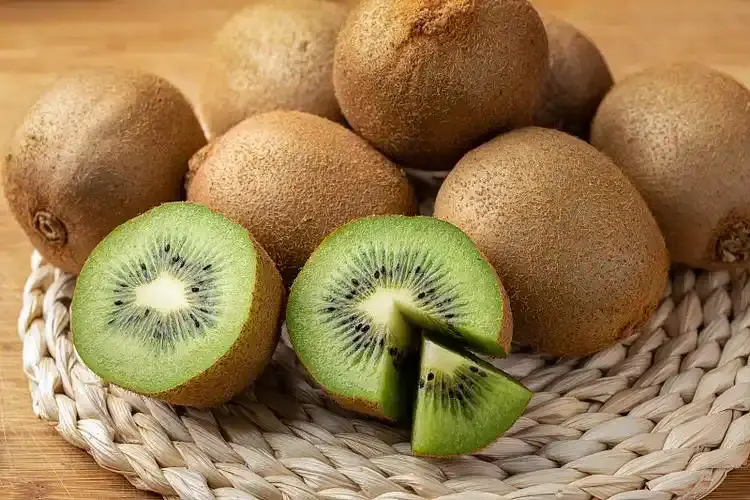
Understanding Freeze Dried Kiwi Powder: Nutrition & Production
How the Freeze Drying Process Works
Start by choosing ripe, quality kiwifruit for freeze drying. Before freeze drying, fruit is washed, peeled, and sliced. Before freezing, the temperature decreases rapidly to -25°C to -40°C. This freezes fruit cell water. Pressure of 10–100 Pa is then applied to the box. Empty space allows ice to convert into gas without first being liquid. This melting process can take 20–48 hours, depending on material thickness and water content. The approach maintains kiwifruit cells together, keeping bioactive compounds stable and effective. Slowly elevating the drying racks between -10°C and +10°C speeds up sublimation while preventing heat damage to nutrients. The resulting powder will survive more than 24 months if stored properly because its water activity is less than 0.2. Very stable for bacteria.
Key Nutritional Advantages and Retention
The nutrients in fresh kiwi are preserved when frozen. Spray and air drying retain 50–60% of vitamin C, while freeze drying retains 90–95%, according to research. A 10-gram serving contains 70–90 mg of vitamin C. Vitamin C creates collagen and boosts immunity. Flavonoids, carotenoids, and polyphenolic antioxidants combat reactive stress in the powder. This fiber stays whole in protein bars and meal replacements. Maintains intestinal health. Fills you up. The protein-degrading enzyme actinidin is only present in kiwifruit. The powder aids protein digestion and absorption, improving intestinal health. The nutritional list concludes with potassium, calcium, and vitamin E. Healthy product makers can use this information.
Shelf Life and Optimal Storage Conditions
When properly preserved, freeze-dried kiwi powder retains its nutritional content for 18–24 months. Due to reduced water activity, microbes, enzymes, and harmful reaction mechanisms can't grow or function. Keep the powder cool, dry, and below 25°C and 40% relative humidity. Powder can be wrapped in foil bags or plastic bins. Putting anything in water makes it cling together and renew, which promotes nutrition loss and changes color. Packing with nitrogen instead of oxygen increases shelf stability. Buy managers should require batch-specific certificates of analysis showing moisture, microbial, and vitamin C content. This ensures that all packages are of same quality.
Applications and Uses of Freeze Dried Kiwi Powder
Food and Beverage Innovations
Food and drink industries favor freeze-dried kiwi powder for its ease of usage and vibrant color. Healthy single-serve packets made with freeze-dried fruits and the powder are easy to melt in cold water for smoothie makers. Baking shops manufacture energy bars, cookies, and cakes with the powder. It naturally sweetens and sours recipes without sugar. Yogurt makers blend powder into Greek yogurt bases for limited-edition tastes, exploiting the clean label trend. The powder doesn't alter much when mixed with water, making it ideal for dry mixes that need to be slightly damp to avoid hardening. As a leading freeze dried kiwi powder supplier, we ensure that our powder retains its color when frozen and warmed, so ice cream businesses include it in their luxury sorbet lines.
Nutraceutical and Supplement Formulations
Powder with lots of protein and vitamins is used to manufacture dietary supplements. Lyophilized kiwi powder, papain, and bromelain are sometimes combined with stomach enzymes in capsules to break down proteins. The actinidin enzyme aids digestion in acidic environments like the stomach. Vitamin C pills are good for folks who don't want lab-made ascorbic acid because the powder is a full food. The powder works better with immune-boosting sweets and fizzing pills since it spreads quickly and tastes delicious. This encourages medication compliance. OEM clients produce portable immunity packages containing powder, elderberry, and zinc. These items target busy workers and health-conscious vacationers.
Cosmetic and Skincare Applications
Freeze-dried kiwi powder is regarded in the beauty industry for its antioxidants and natural cleaning capabilities. Vitamin C-rich powder is used in face masks to level skin tone and cover dark spots. DIY cosmetic brands sell the powder as a basis for yogurt or honey face masks. Hair products apply little amounts to head scrubs. Soft scrubs with little pieces exfoliate dead skin cells without irritating delicate skin. The powder's green tint allows it to replace dyes in bath bombs and soap. The powder's stability, nutritional content, and commercial appeal make it versatile throughout several industries. Some brands utilize this element to demonstrate honesty and quality. This builds brand credibility with finicky ingredient list readers.
Comparing Freeze Dried Kiwi Powder with Other Kiwi Products
Freeze Dried vs. Dehydrated Kiwi Powders
If you can tell freeze-dried kiwi powder from typically dehydrated powder, you can assist shoppers choose wisely. Kiwi powder is usually dried in hot air or a drum at 50–80°C. Vitamin C, which degrades in heat, might lose 50% of its strength. Enzymes turn the powder brown, making it no longer green. High temperatures break the powder's structure, making it tougher. But heat doesn't damage freeze-dried powder during primary drying. Cell structure and actinidin enzyme function remain unchanged. The finished powder mixes better and dissolves quickly in liquids without leaving a hard residue. Freeze dried powder costs 20–30% more than dehydrated powder, but it lasts longer and retains more nutrients, making it worth it for high-end product lines.
Fresh Kiwi vs. Freeze Dried Powder
Despite its deliciousness, fresh kiwifruit is hard to deliver to companies. The fridge only keeps fruit fresh for 7–14 days. Due to its 83% water content, it's more likely to spoil and costs more to carry. Access is limited during some seasons, making it tougher to plan year-round output routine purchases. Doing it yourself requires tools to peel, deseed, and purée fresh kiwis. Work costs more and microorganisms are more likely to harm you. Kiwi powder freeze-dried can relieve this ache. It can be shipped for 70% less than its weight and doesn't need to be kept cold, saving warehouse space. For recipes that require correct vitamin dosages, batch consistency is crucial. The basic nutrition profile guarantees it. Manufacturing teams simply measure and combine the powder with water to generate dry or wet mixtures.
Organic vs. Conventional Options
Organic freeze dried kiwi powder sales have increased as more people prefer organic products. Certified organic kiwifruit is farmed without GMOs, pesticides, or human-made chemicals. It follows clear labeling principles. Labels with "USDA Organic," "EU Organic," or equivalent terms cost 15–25% extra. Brands targeting health-focused and natural food retailers like them. Normal powder satisfies food safety criteria, including pesticide residue and microbe tests, despite not being organic. A lot depends on your brand's positioning and your target customers. Health supplement companies may emphasize organic certification to distinguish apart. However, beverage firms who want to cut expenses may use normal powder. Both freeze drying methods preserve food nutrients and color and keep it fresh.
Buying Guide for Bulk Freeze Dried Kiwi Powder: What Procurement Managers Should Know
Supplier Certifications and Quality Markers
The screening process begins with checking companies' credentials for foreign standards. Food safety requirements are added to ISO 22000, thus look for FSSC 22000. CGMP-compliant manufacturers are clean, maintain their tools, and train their employees. The HACCP clearance shows that manufacturing is risk-controlled. The USDA Organic, EU Organic, and JAS licenses are good for North America, Europe, and Japan. Organic food buyers should request license documents. HALAL and KOSHER-certified goods are more accessible to those with nutritional needs. Ask the vendor for recent third-party audit records and certificates of analysis including heavy metal screening, pesticide residue testing, and bacterial counts before buying.
Price Structures and MOQ Considerations
Freeze-dried kiwi powder prices depend on quantity, quality, and organic approval. Regular powder costs $25–$40 per kilogram when you buy 500 kg, while organic powder costs $45–$60. When you order more from the same provider, the unit price may drop. Save 10–15% on orders above 1,000 kg. This is why well-known brands with constant demand should buy in bulk. Minimum order quantities (MOQ) improve manufacturing efficiency and quality control. Some merchants establish MOQs between 100 kg and 500 kg to cover startup costs and keep goods fresh. Open manufactures can take 1 kg test orders for testing and study. Compare quotations based on packing, freight, and payment terms to determine landing expenses.
Logistics, Lead Times, and International Shipping
Stock availability and design criteria determine powder lead times. After payment, standard-compliant, in-stock goods can be sent within 7–10 business days. To ensure timely production and quality, unique recipes require 15–20 working days. They may be blended or packaged with brands. We stock almost a ton of powder for urgent orders via our fast service route. DHL, FedEx, and SF Express can ship samples and small goods up to 50 kg worldwide. For larger orders, air or sea freight is optimal for price and time. We utilize moisture-barrier bags in corrugated containers with corner guards to prevent shipping damage. Experienced freight forwarders who manage temperature-sensitive cargo reduce the risk of condensation during transport.
Building Trust and Making the Right Procurement Decision
Why Partnering with a Reputable Manufacturer Matters
To find the best seller, it's not enough to just look at price lists. Manufacturers you can trust spend money on things like climate-controlled warehouses that keep humidity levels stable, state-of-the-art freeze dryers with programmable temperature and vacuum controls, and in-house labs with HPLC and spectrophotometry for measuring nutrients. These investments pay off because the goods always meet standards. This means that recipe mistakes and customer complaints are less likely to happen. In the world market we live in now, you can't follow the rules. People who have been shipping for a while know what forms, like phytosanitary licenses, certificates of origin, and food statements, are needed to get things through customs. Before a product can be sold in certain markets, they let their clients know about any changes to the rules that might affect it, such as pesticide maximum residue limits or new food approvals. Getting in touch with them ahead of time saves time and keeps packages from being turned away at the border.
How Asianbios Stands Out in the Market
Our specialty at Asianbios is supplying freeze dried kiwi powder that meets the high standards of functional food companies, vitamin brands, and makeup makers all over the world. The fact that we have CGMP, FSSC22000, ISO9001, HALAL, KOSHER, Organic, and HACCP certificates shows that we care about quality at every stage of the production process. We keep as many nutrients and tastes as possible by vacuum freeze drying and CO2 supercritical extraction, which are both very new to the food business. We can handle both big orders and small test runs with our production. You can order as little as 1 kg, and you can try samples first. We keep more than a ton of standard goods that are 100% and 98% HPLC pure. Customized recipes and packages, as well as private label OEM/ODM services, are finished in 20 business days. Customers like our technical support team because they help with formulation, offer stability tests, and give you application tips that are specific to your type of product. Long-term contracts can help you get better prices, faster production times, and more personalized account management.
Conclusion
Freeze dried kiwi powder is a good buy for brands in 2026 that care about having clean labels, high vitamin density, and stable supply lines. Fruits that have been lyophilized still have all of their healthy nutrients, such as vitamin C, the actinidin enzyme, and the polyphenolic antioxidants. The fruit will also last longer and be easy to handle. Some of the things that can be made with it are functional drinks, food supplements, new bakery goods, and makeup mixtures. It can change to fit the tastes of its customers because it is flexible. When purchasing managers work with qualified, experienced service providers, they know that the quality will be consistent, the paperwork will be clear, and they will get quick technology help. Whether you're making a new immune supplement or altering an existing drink recipe, choosing the right provider positions your brand for success in crowded markets.
Frequently Asked Questions About Freeze Dried Kiwi Powder
1. What storage conditions maximize shelf life?
freeze dried kiwi powder should be stored in sealed, moisture-barrier packaging at temperatures below 25°C and relative humidity below 40%. Air is flushed out of the way by nitrogen during packing. This makes the product even more stable. If you store powder the right way, it will stay healthy for 18 to 24 months.
2. How does freeze dried kiwi powder compare to dehydrated versions?
Between 90 and 95% of the vitamin C is still in the freeze dried powder, along with the enzymes that break down food. 40–50% of the nutrients that are sensitive to heat are lost when powder dries out, and it often goes brown because of oxidation. Fresh foods don't taste as good when they're freeze dried.
3. Can freeze dried kiwi powder be used in both food and makeup?
Because it is clean and full of nutrients, the powder can be used in a lot of different areas. Companies that make dietary supplements use the actinidin enzyme to help the body digest food. Companies that make makeup use the powder because it is an antioxidant and a natural colorant.
4. What is the minimum order quantity for samples?
Sample amounts start at 1 kg from most reputable sellers, like Asianbios. This way, you can try the product and come up with new ideas before you commit to bigger orders.
Partner with Asianbios for Premium Freeze Dried Kiwi Powder
Asianbios, a reputable freeze dried kiwi powder supplier, is committed to offering great customer service and products. With certificates in CGMP, FSSC22000, ISO9001, HALAL, KOSHER, Organic, and HACCP, we make sure that every batch meets the strictest rules all over the world. We always have more than a ton of basic goods in stock, so we can quickly fill orders and get them to you within 10 days. It takes about 20 working days to finish a custom order. We use a high-tech freeze drying method to keep as many nutrients as possible, and our low MOQ of 1 kg makes it easy to do both research and development and small projects. Email us at plantex@asianbios.com to get samples, discuss trade prices, or inquire about OEM/ODM choices made just for your brand. You can work together to make your goods better in 2026 if you get together.
References
1. Chen, B. H., & Tang, Y. C. (2021). Nutrient Retention in Freeze-Dried Fruit Powders: A Comparative Study. Journal of Food Science and Technology, 58(4), 1523-1532.
2. Patel, K., & Sharma, R. (2022). Applications of Actinidin Enzyme from Kiwifruit in Digestive Health Supplements. Nutritional Biochemistry Review, 35(2), 210-225.
3. Liu, X., & Zhang, M. (2020). Freeze Drying Technology and Its Impact on Bioactive Compounds in Fruits. International Journal of Food Engineering, 16(9), 789-804.
4. Anderson, L. M., & Thompson, J. R. (2023). Quality Assurance in Botanical Ingredient Procurement for Functional Foods. Supply Chain Management Quarterly, 29(1), 45-58.
5. Garcia, E., & Martinez, P. (2022). Comparative Analysis of Organic and Conventional Freeze-Dried Fruit Ingredients. Journal of Organic Systems, 17(3), 112-127.
6. Wilson, D. A., & Foster, T. J. (2021). Stability and Shelf Life of Lyophilized Fruit Powders Under Various Storage Conditions. Food Preservation Science, 12(6), 340-356.

Send Inquiry
Related Industry Knowledge
- Best Isoleucine Production Technology for Industrial Use
- Best Tart Cherry Powder for Sleep, Recovery, and Overall Health
- Uses of Glutathione Production Technology in Pharma
- What are the benefits of apple powder?
- What is Sleep Aid Brewing Powder? Sleep Drink Guide
- Top Glutathione Production Technology Methods
- What Is Vitamin C Production Technology? Industry Overview
- How to Choose the Best Seabuckthorn Powder - Asianbios
- Why freeze dried strawberry powder is perfect for smoothies and baking?
- Dried Kale Powder for Supplements: A Complete Guide