Is grape powder good for you?
You can buy more of the best grape powder from other businesses around the world, because it is good for you and can be used in many ways. It's important for buying managers, engineers, dealers, and OEM clients to know about grape powder so they can make smart decisions about where to get it. This includes things like standards for quality and the perks of using the app. This guide tells you in great detail how to make grape powder, what nutrients it has, how it's better than other products that do the same thing, and how to buy it in bulk so that you can keep up with new products. Grape powder is good for you, that's true. High-quality grape powder still has the flavonoids, anthocyanins, and resveratrol that you get from whole grapes. The best grape powder made with current spray drying technology has the most of these nutrients. These bioactive chemicals help the defense system work better, fight against free radicals, and protect the heart. When bought from reputable companies that have strict quality controls, grape powder is safe, stays fresh for a long time, and is full of nutrients. It can be used in functional foods, dietary supplements, and makeup.
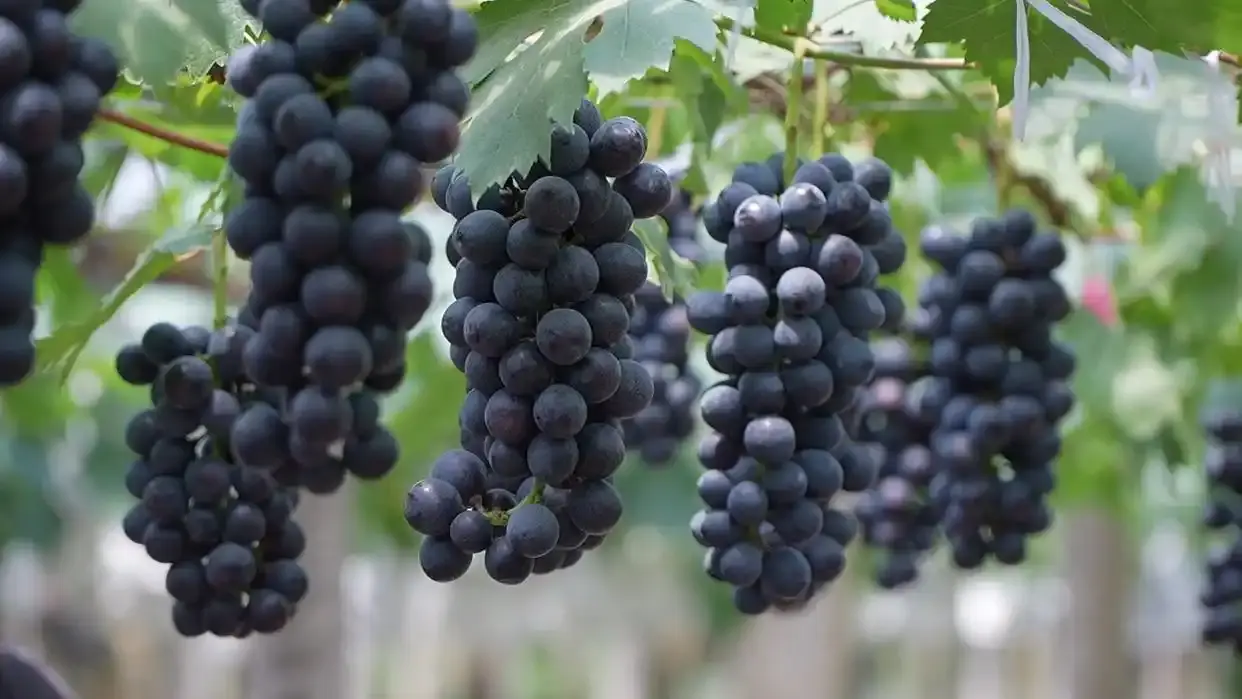
What Is Grape Powder and How Is It Made?
Understanding Grape Powder Types and Categories
Different kinds of grape powder are made from processed grapes. There is pure grape powder, grape seed powder, and strong grape drinks. The skin, the meat, and sometimes the seeds of the fruit are all in pure grape powder. Natural sugars, organic acids, and flavonoids are just a few of the nutrients that are in the fruit. Grape seed powder divides the seeds and boosts the amount of oligomeric proanthocyanidins that work as antioxidants. At the same time, chemicals are used to concentrate grape juices so that bioactives like resveratrol can be found in more than 95% pure amounts.
Production Processes and Manufacturing Standards
The first thing you need to do to make the best grape powder is pick the best Vitis vinifera grapes at the right time. Before being dried with modern spray dryers, fresh grapes or juice that has been pressed are compressed. During spray drying, when hot air meets atomized liquid, the water quickly turns into gas while keeping the nutrients that can't be changed by heat. Through this process, a fine purple powder with pieces smaller than 80 mesh is made. It is easy to dissolve this powder, and it spreads out evenly in a lot of different recipes. Following CGMP, ISO22000, and HACCP rules in factories ensures that the quality is always the same and that bacteria and heavy metal levels stay below international limits.
Organic Versus Conventional Sourcing Considerations
There are no pesticides or man-made chemicals in organic grape powder that comes from farms that have been approved as organic. This makes it appealing to brands and product lines that care about health. Conventional buying can save you money and keep your supply lines stable all year, but it needs to be carefully checked for any farming chemicals that might still be there. Solicitors have to think about these things along with the interests of the target market, the rules and laws in the countries where the goods will be sent, and the brand image best grape powder strategies when they have to choose between organic and standard options.
Health and Nutritional Benefits of Grape Powder
Rich Polyphenol Profile and Antioxidant Capacity
Most of the polyphenols in the best grape powder are found in large amounts. Some of these are quercetin, resveratrol, catechins, and anthocyanins. Free radicals are harmful, but these molecules get rid of them. This lowers oxidative stress, which is linked to long-term inflammation and cell aging. Lab tests called Oxygen Radical Absorbance Capacity (ORAC) usually show that grape powder has more than 15,000 µmol TE/g. This is more than fresh grapes, which have less bioactive density because they have more water in them. Because it has a lot of vitamins, grape powder is great for making food products that are good for your brain and heart.
Cardiovascular and Metabolic Health Applications
Resveratrol and proanthocyanidins are chemicals that are found in grapes. They help capillary function, lower blood sugar, and improve vascular flexibility. It has been shown that drinking regularly lowers LDL oxidation and raises nitric oxide intake. This helps keep blood pressure at a healthy level. More and more functional drink companies are adding heart-healthy lines with grape powder. They do this because the powder has scientifically proven health benefits, and customers want more natural ingredients that help heart health.
Safety Considerations and Regulatory Compliance
Grape powder is safe for most people, but people who buy it need to make sure that the sources they use test for heavy metals, bacterial contamination, and allergy cross-contact. Food supplements that are going to the U.S. market have to follow FDA rules, and supplements that are going to the EU market have to follow EFSA rules. These strict rules say that the best grape powder has arsenic levels below 2ppm, lead levels below 2ppm, and a total of 10ppm or less of heavy metals. This makes sure that all the planned ways of using the powder are safe.
Comparing Grape Powder to Other Grape-Derived Products
Compositional Differences Between Product Forms
Fresh grapes are good for you, but whole-fruit grape powder is made from them and is safer to use. Because of this, it works great in useful foods that need to taste like real grapes and have health benefits. It is sure to have 95% or more oligomeric proanthocyanidins, which are used to help with health goals like protecting blood vessels and giving the body vitamins. Powdered grape extracts are easier to ship, store, and keep fresh than liquid ones, even though liquid ones are easier to use in drinks.
Evaluating Quality Indicators and Supplier Credentials
Business-to-business buyers need to look at more than one quality factor when they compare service companies. High-Performance Liquid Chromatography (HPLC) tests show that the best grape powder from reputable brands always has the same amount of flavonoids. It should have less than 5% wetness, a bulk density of 35 to 50g/100ml, and a microbial count below the government guidelines. Quality assurance is shown by suppliers who let you see the whole process, from the farm where the food comes from to the final packing. This protects your brand's image and makes sure the product works.
Private Label and OEM Partnership Opportunities
A lot of people who work in buying look for private-label deals that best grape powder let them change names while still using well-known production methods. Top sellers offer OEM services that include making new formulas, designing packages, and making sure that labels are legal in all foreign markets. With an order requirement as low as 1 kg, it is cheap to try a product before it is made in large quantities to sell. These adaptable business models are great for new brands and companies that want to branch out into new product areas without having to spend a lot of money building their own plants.
Best Practices for Using and Consuming Grape Powder in Bulk Applications
Optimal Dosage and Formulation Integration
It's important to know the right dose amounts for commercial goods that use the best grape powder so that they work well and also smell and taste good. The amount of polyphenols in dietary supplements is usually between 500 mg and 2000 mg per serve. This is a good amount of polyphenols that has been verified by clinical studies. In drink recipes, two to five percent by weight of grape powder is used to get the right taste without making other ingredients taste too strong. Food companies that want to add grape powder to baked goods, protein bars, or dairy products should make sure it is safe to use in the ways they plan. Some anthocyanins can be broken down by high pH or being exposed to heat for a long time.
Here are the core advantages of ensuring successful bulk applications:
- Enhanced Solubility: Spray-drying the bits makes them very good at spreading water around, so those bits don't stick together when you make drinks. The even solubility speeds up the line and makes sure that the product's quality stays the same even when a lot of it is made.
- Extended Shelf Stability: If you store grape powder the right way, it will keep more than 90% of its flavonoid content for 24 months. This longer-term security helps businesses handle their supply lines better when they use a lot of different outlets for delivery. It also cuts down on wasted inventory.
- Versatile Application Range: The best grape powder can be used in many different industrial settings, from making drinks and vitamins that are good for you to making beauty products and food for pets. This means that buying teams can work with more than one seller to get better bulk deals on a wide range of goods.
When functional food, supplement, and makeup companies try to find natural ingredients that work regularly during the production and marketing processes, they often run into problems. These benefits directly help them solve those problems.
Storage and Handling Requirements for Bulk Quantities
Controlling things in the surroundings that make things go bad faster is needed to keep the quality of the grape powder while it is being stored in a building. The best conditions for keeping are temperatures between 15°C and 25°C, relative humidity below 60%, and a place out of direct sunshine. When stored in a standard building, large amounts that are put in fiber drums with LDPE liner bags work well to keep moisture out. The places that handle a lot of powder should rotate their stock first-in, first-out and do quality checks often to make sure the powder stays the same purple color, has a smooth, moving texture, and doesn't smell bad, which could mean germs or rust are growing.
Buying Guide and Procurement Tips for Bulk Grape Powder
Evaluating Supplier Certifications and Documentation
To find the best grape powder in a planned way, you should first carefully best grape powder check out the providers. The most important ones are CGMP (Current Good Manufacturing Practices), FSSC22000 (Food Safety System Certification), ISO9001 (Quality Management Systems), and, if possible, organic certifications from well-known groups. International customers may need Halal or Kosher approval for certain types of goods. You should ask for complete paperwork that includes Certificates of Analysis for recent production batches, third-party test results that show the product meets heavy metal and chemical residue rules, and allergen statements that explain how cross-contamination controls work in factories.
Negotiating Pricing and Minimum Order Quantities
There is a big range in the price of grape powder based on the grade, the amount bought, and the season when the grapes are picked. If buyers sign yearly deals, sellers can see how much production they can expect, which can help buyers get better prices. When you buy more than 500 kg from many manufacturers, you save a lot of money per kilogram compared to when you buy less than 500 kg. Still, it's important to find a good mix between the number of orders, the cost of storage, and the rate at which products are sold. When you buy from suppliers with low minimum order quantities (around 1 kg), you can try samples and come up with new recipes without spending a lot of money.
Logistics and Delivery Considerations
Logistics partnerships you can count on make sure the grape powder gets to your building in great shape. Most of the time, the best sellers have enough stock on hand to meet normal needs in 10 days. It usually takes 20 business days to make and check the quality of customized things. Express shipping through DHL, FedEx, or SF Express is a good way to get small amounts of goods quickly. When it comes to container loads, sea freight is the most cost-effective choice. To keep production going as easily as possible, look for shipping companies with flexible terms, easy-to-use tracking systems, and helpful customer service teams that can handle delivery problems quickly.
Conclusion
There are several ways that grape powder is good for your health. It can be useful for companies that make healthy foods, dietary supplements, makeup, and drinks because of this. Polyphenols, anthocyanins, and resveratrol, which are important for your health, are kept in the best grape powder made with current spray drying technology. Fresh grapes don't last as long or as well, but this stuff does. To make sure that goods are safe and always work the same way, it is important to carefully look over quality data, seller approvals, and factory standards. You can choose ingredients that work for your recipe and your audience's tastes if you know the differences between whole-fruit powders, seed extracts, and concentrated forms.
FAQ
1. What certifications should I require when purchasing grape powder for supplement manufacturing?
Along with ISO22000 for managing food safety, providers should also be able to show that they have CGMP approval, which means they follow the rules for making medicines. Checking for heavy metals, microbes, and chemical residues with a third-party lab and getting a report is very important. Get the right Halal, Kosher, or organic licenses for the people you want to sell to. This will make sure you follow the rules and meet the needs of your buyers.
2. How does resveratrol content vary between different grape powder products?
There are about 0.1 to 0.5 mg of resveratrol per gram of whole-fruit grape powder. This is about the same amount that is naturally found in grape skins. It's mostly found in grape skins and not seeds, so grape seed powder doesn't have a lot of it. Grape products that have been carefully concentrated may have 50–500 mg of resveratrol per serving. Instead of relying on vague product descriptions, use HPLC analysis to find out the exact amounts of resveratrol, which will be recorded in the supplier's Certificates of Analysis.
3. How does grape powder affect allergic reactions in sensitive populations?
Some people are allergic to pure grape powder, but people who are allergic to grapes shouldn't eat it. People who work in companies that also process famous foods like dairy, soy, or tree nuts can get them on their hands. Ask for allergen control paperwork and facility audit records that describe the right way to clean up between production runs so that there aren't too many cross-contact risks in your final goods.
Partner with Asianbios for Premium Grape Powder Supply
The best grape powder can be bought from Asianbios. It is made in facilities that are CGMP and FSSC22000 approved and meet pharmaceutical-grade standards. An HPLC test proved that our spray-dried grape powder is completely clean. The level of heavy metals meets strict FDA and EU rules, and the amount of bacteria is well below the international limit. We have a lot of stock on hand, which means that most orders can be sent out in 10 days. Because our OEM/ODM services are so flexible, we can help with private marking, unique formulation development, and package customization. We are a well-known company that sells the best grape powder. Our prices are fair, and samples start at 1 kg. We also offer full technical support, including help with formulation, ideas for stable testing, and help with regulatory paperwork. Thanks to our cutting-edge carbon dioxide supercritical extraction and engineering bacterial fermentation technologies, our collection of plant ingredients stands out in useful foods, dietary supplements, and cosmetics. You can get unique prices, detailed product specs, and talk to our buying experts about your formulation needs by emailing plantex@asianbios.com. We're committed to providing you with natural ingredients you can trust and fast service that will help you stand out from the crowd and give your customers confidence in the quality of your products.
References
1. Xia EQ, Deng GF, Guo YJ, Li HB. Biological activities of polyphenols from grapes. International Journal of Molecular Sciences. 2010;11(2):622-646.
2. Fernández-Pachón MS, Villaño D, García-Parrilla MC, Troncoso AM. Antioxidant activity of wines and relation with their polyphenolic composition. Analytica Chimica Acta. 2004;513(1):113-118.
3. Nassiri-Asl M, Hosseinzadeh H. Review of the pharmacological effects of Vitis vinifera (Grape) and its bioactive compounds. Phytotherapy Research. 2009;23(9):1197-1204.
4.. Bladé C, Arola L, Salvadó MJ. Hypolipidemic effects of proanthocyanidins and their underlying biochemical and molecular mechanisms. Molecular Nutrition & Food Research. 2010;54(1):37-59.
5. Georgiev V, Ananga A, Tsolova V. Recent advances and uses of grape flavonoids as nutraceuticals. Nutrients. 2014;6(1):391-415.
6. Toaldo IM, Cruz FA, Alves TL, de Gois JS, Borges DL, Cunha HP, Silva EL, Bordignon-Luiz MT. Bioactive potential of Vitis labrusca L. grape juices from the Southern Region of Brazil: phenolic and elemental composition and effect on lipid peroxidation in healthy subjects. Food Chemistry. 2015;173:527-535.

Send Inquiry
Related Industry Knowledge
- Your Guide To Choosing The Best Organic Grape Powder
- Chinese Cabbage Freeze-Dried Powder for Health: Benefits, Uses & Expert Tips
- Why Freeze Dried Kiwi Powder Is Trending: Health Benefits and Best Ways to Use It
- What are the benefits of apple powder?
- Top Glutathione Production Technology Methods
- How to Choose the Best Seabuckthorn Powder - Asianbios
- Benefits of Sleep Aid Capsule for Deep Sleep Support
- Benefits of Lysine Production Technology in Feed Industry
- Tart Cherry Powder for Women: Benefits & How To Use It
- Radish Freeze-Dried Powder: Benefits, Uses, and Nutritional Value Explained