Industrial Scale Production Technology Of Allulose Guide
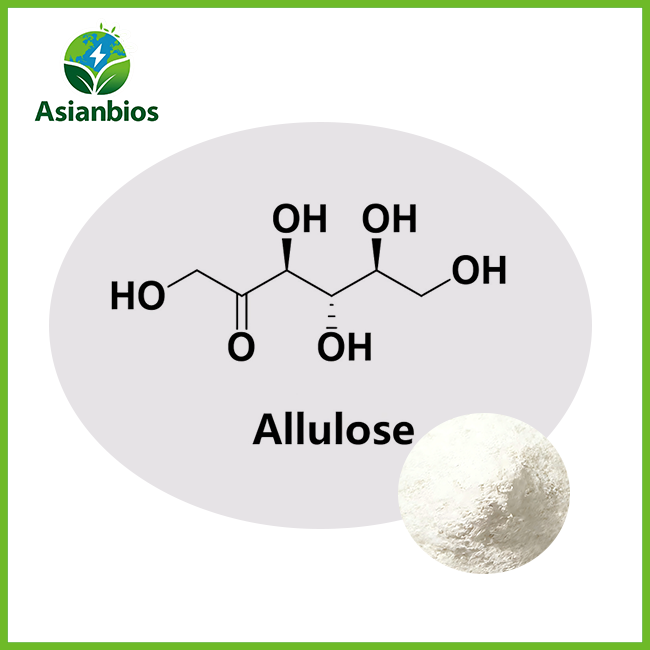
D-Allulose (D-psicose) is an uncommon monosaccharide found in traces in certain fruits and wheat. Although uncommon, it has become one of the most economically important rare sugars in the worldwide food and beverage industry because it gives 70% of sucrose's sweetness with almost no metabolizable calories. As global interest in low-sugar, low-calorie, and ketogenic diets grows, allulose as a functional sweetener needs consistent, large-scale commercial supply. This guide provides a comprehensive overview of the Production Technology Of Allulose at industrial scale, covering the core enzymatic conversion process, downstream purification, key applications across food and health sectors, and what it takes to deploy this technology successfully in a commercial manufacturing environment. This handbook covers the science and economics of industrial allulose production for food ingredient manufacturers, biotech investors, and product developers considering reformulation.
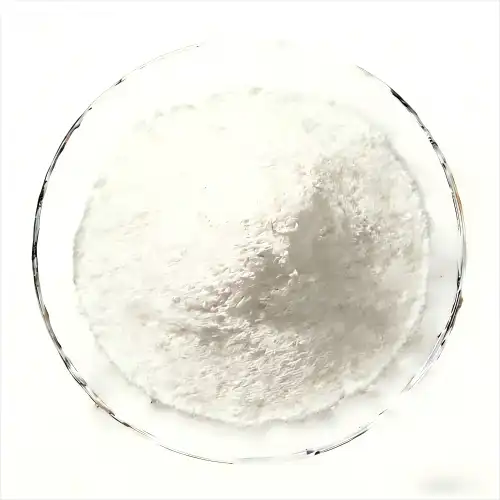

| Parameter | Details |
|---|---|
| Product Name | Production Technology Of Allulose |
| Production Process | Enzymatic Method (D-Tagatose-3-Epimerase / Immobilized Enzyme) |
| Active Ingredient | D-Allulose (D-Psicose) |
| Appearance | White Powder |
| Package Specification | 25 kg / Barrel |
| Transport Mode | Express, Air, Sea |
| OEM / ODM | Available |
| Minimum Order Quantity | 1 kg (Samples Available) |
| Technology Formula | 30% Process + 70% Localization Execution |
The Core Science of Enzymatic Allulose Production
Why Enzymatic Conversion Is the Industrial Standard
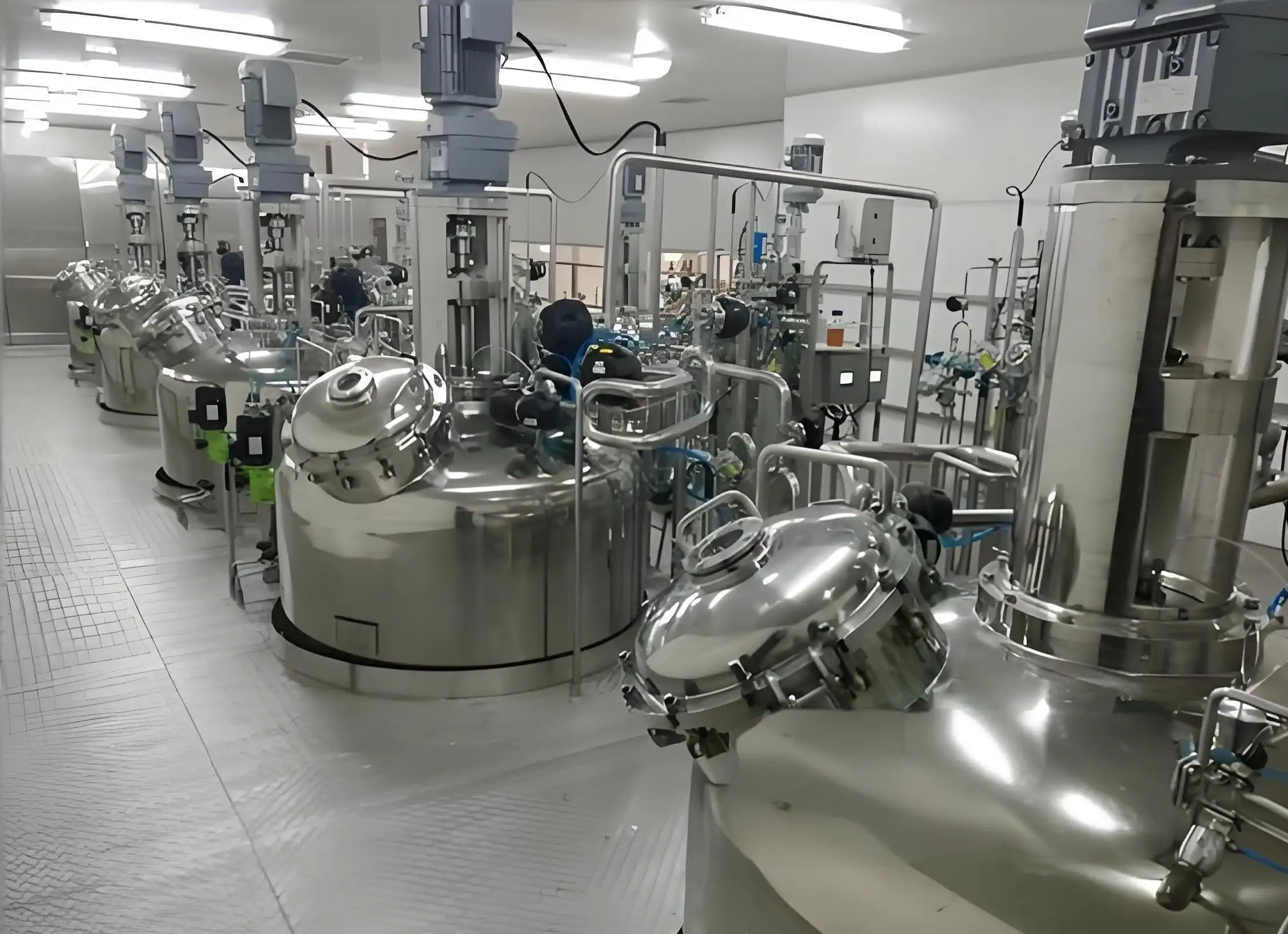
The Production Technology Of Allulose at industrial scale is built on a biological enzymatic conversion process rather than chemical synthesis, and there are compelling reasons for this. Complex multistep chemical methods to allulose yield considerable byproducts and are hard to scale economically. In contrast, enzymatic conversion uses a highly specific biocatalyst, such as D-tagatose-3-epimerase (DTE) or D-allulose-3-epimerase, to convert fructose directly into allulose in a single step under mild aqueous conditions at 50–60 degrees Celsius. The enzyme reverses stereochemistry at fructose's C-3 position to create allulose with excellent regio-selectivity. This selectivity makes enzymatic reaction create few undesired side products, making downstream purification simpler and cheaper than chemical synthesis. The Production Technology Of Allulose based on enzymatic conversion is therefore the only approach currently considered viable for large-scale commercial manufacturing.
Enzyme Sources: Free Enzyme vs. Immobilized Systems
Within the enzymatic Production Technology Of Allulose, there are two principal approaches to deploying the biocatalyst: using free soluble enzyme or using immobilized enzyme or whole-cell systems. Free enzyme systems are easier to set up but not recoverable after the reaction, making them single-use consumables that increase manufacturing costs. Immobilized enzyme systems bind the enzyme or producing cells to a resin, silica, or porous polymer to create a biocatalyst that can be used in a fixed-bed or fluidized-bed reactor for hundreds or thousands of reaction cycles before needing replacement. Industrial Production Technology Of Allulose prefers immobilized systems because they dramatically reduce per-unit enzyme cost, allow continuous operation rather than batch processing, and eliminate the need to remove enzyme protein from the product stream before purification.
Feedstock Selection: Fructose Syrup and Inulin as Substrates
The substrate used in the Production Technology Of Allulose directly affects both the economics and the complexity of the process. HFCS and pure fructose syrup from the starch sugar industry are the most widely used feedstocks because they are abundant in major corn-producing countries, have well-established supply chains, and provide a high-purity fructose substrate that the enzyme can convert efficiently. Inulin, a chicory root fructan polysaccharide, may be enzymatically hydrolyzed to fructose before or during allulose conversion and is receiving commercial attention. Countries with strong maize, cassava, or chicory agricultural infrastructure can get substrate at competitive costs without importing, giving them a cost advantage in adopting the Production Technology Of Allulose. The conversion mixture impurity profile and downstream purification train design depend on feedstock choice.
Downstream Processing: Purification, Separation, and Crystallization
Chromatographic Separation: The Backbone of Allulose Purification
The reaction mixture comprises unreacted fructose, allulose, modest amounts of other monosaccharides, enzyme-derived proteins (in free enzyme systems), and colored impurities after enzymatic conversion. Because fructose and allulose are epimers with just a C-3 difference, crystallization and extraction cannot separate them. The Production Technology Of Allulose therefore relies on simulated moving bed (SMB) chromatography using calcium-form cation exchange resin as the primary separation method. SMB chromatography uses tiny variations in fructose and allulose affinity for the resin matrix to separate the two sugars in one continuous operation with excellent purity. This technology has been adapted from its original use in fructose-glucose separation in the HFCS industry and is now central to any industrial-scale Production Technology Of Allulose facility seeking to produce food-grade or pharmaceutical-grade purity product.
Decolorization, Ion Exchange Polishing, and Concentration
After SMB separation, the allulose-enriched fraction includes trace colored compounds and ionic contaminants that must be eliminated before food or pharmaceutical quality standards are met. Activated carbon decolorization adsorbs melanoidins, Maillard reaction products, and other chromophoric chemicals. Ion exchange polishing using a mixed-bed or sequential cation-anion system eliminates residual mineral ions that degrade product flavor, stability, and regulatory compliance. These purification stages are typical in refined Production Technology Of Allulose and similar to glucose and fructose refining, so starch sugar equipment and operational skills may be implemented with minimum alterations. The polished allulose solution is evaporated to make a syrup for liquid applications or a feedstock for crystallization to make dry crystalline powder.
Crystallization and Drying to Produce Finished Allulose Powder
Because liquid syrup is harder to handle, transport, and combine into dry product formulations, most food, supplement, and ingredient uses choose crystalline D-allulose powder. To generate crystals with the required particle size, habit, and purity, Production Technology Of Allulose must carefully manage temperature, agitation, seed crystal dose, and supersaturation during crystallization. Allulose crystallizes slower than sucrose and needs well-designed crystallization equipment and methods for industrial batch yields and cycle durations. The white crystalline powder with the moisture content, flow characteristics, and purity food makers demand is produced by centrifuging the wet crystals from the mother liquor and drying them in fluid bed or spray dryers. The mother liquor recovered after crystallization contains a lot of allulose and is recycled back into the purification train to optimize product recovery and reduce waste.
| Application Segment | End Product Examples | Key Benefit of Allulose | Market Trend |
|---|---|---|---|
| Sugar-Free Beverages | Soft drinks, energy drinks, teas | Zero-calorie sweetness | Rapidly growing globally |
| Bakery & Confectionery | Cookies, cakes, hard candy | Browning reaction, texture | Clean-label reformulation |
| Dairy Products | Yogurt, ice cream, cheese | Low glycemic, mouthfeel | Health-conscious consumers |
| Functional Foods | Protein bars, meal replacements | Calorie reduction, stability | Sports & wellness market |
| Dietary Supplements | Capsules, powders, gummies | Blood sugar management | Diabetic & keto audiences |
Localization, Technology Transfer, and Choosing the Right Production Partner
The 30% Process + 70% Localization Principle in Allulose Manufacturing
One of the most important insights for any organization considering investment in the Production Technology Of Allulose is that a technology package alone does not guarantee a successful manufacturing operation. Successful deployment follows a 30% process plus 70% localization implementation strategy, according to industry experience. Tech skills including enzyme procurement and management, reactor design, SMB chromatography settings, purification processes, and quality control make about 30% of the process. This may be recorded and transmitted. Adapting these process specifications to the receiving site's fructose feedstock quality and cost, water chemistry, utility availability, regulatory environment, equipment suppliers, workforce training level, and downstream market logistics makes up the larger 70% localization component. Even the finest technology will fail without good localization. Asianbios's Production Technology Of Allulose transfer services combine standardized technical packages with hands-on localization support to help customers achieve stable, cost-competitive production in their own environment.
Regulatory Strategy and International Certification
To reach the most lucrative allulose markets in the US, EU, Japan, and South Korea, one must navigate a complicated and country-specific regulatory structure. D-allulose is GRAS (Generally Recognized As Safe) in the US and omitted from total and added sugar statements on nutrition labels, making it appealing to US food and beverage makers. New food authorization or food additive clearance in other locations may need well-documented safety and production data. Industrial Production Technology Of Allulose facilities serving these markets must have certified quality management systems. Asianbios has CGMP, FSSC22000, ISO9001, HALAL, KOSHER, Organic, and HACCP certifications, and all products meet CE, FDA, and ISO international standards. Technology transfer customers can use its quality benchmark to guide their facility compliance strategy.
OEM, ODM, and Flexible Supply for Allulose Ingredient Customers
Not all companies seeking allulose must develop their own manufacturing facilities. Asianbios supplies finished allulose and OEM and ODM manufacturing services to food brands, supplement manufacturers, and product developers without plant construction. Allulose powder may be purchased in 25 kilogram barrels or modified into candies, pills, capsules, and functional food mixes with private-label packaging to meet brand and market needs. Product creators may test before scaling up with a 1 kilogram minimum purchase. Standard inventory orders ship within 10 days after payment, whereas urgent small batch Green Channel orders arrive in 7–10 days. We use DHL, SF Express, and FedEx for dependable worldwide logistics on all shipments.
| Service / Capability | Description |
|---|---|
| Certifications Held | CGMP, FSSC22000, ISO9001, HALAL, KOSHER, Organic, HACCP |
| Quality Standards | CE / FDA / ISO International Standards |
| Standard Delivery | Within 10 days after payment (stock > 1 ton) |
| Custom Order Delivery | ~20 working days |
| Urgent Small Batch | Green Channel: 7–10 days minimum |
| Logistics Partners | DHL, SF Express, FedEx |
| OEM / ODM Formats | Powders, Tablets, Capsules, Gummies, and more |
| Minimum Order Quantity | 1 kg (trial and sample orders welcome) |
| Production Line Support | Full technology package: design, training, after-sales |
Market Trends and Why Industrial Allulose Production Is a Strategic Opportunity
The Global Rare Sugar Market and Allulose's Position
The global market for rare sugars and low-calorie sweeteners has grown dramatically over the past decade due to public health campaigns targeting obesity and type 2 diabetes, regulatory changes restricting added sugars in food products, and consumer demand for indulgent foods without the metabolic effects of sucrose or high-fructose corn syrup. In this setting, allulose is very lovely. Allulose, unlike high-intensity sweeteners like stevia or sucralose, may substitute sugar gram-for-gram in most formulations, matching sucrose's sweetness, browning, moisture retention, and texture. It is especially useful in baking, confectionery, and dairy applications when high-intensity sweeteners cannot duplicate sugar's sensory and functional properties. The Production Technology Of Allulose that can deliver this ingredient at scale and competitive cost is therefore positioned at the center of one of the food industry's most significant reformulation trends.
Competitive Advantages of Enzymatic Production Over Alternative Routes
The most scalable, cost-effective, and ecologically sustainable method for allulose synthesis is the enzymatic Production Technology Of Allulose employing D-allulose-3-epimerase with immobilized systems. Enzymatic conversion uses mild reagents, produces little waste, and works at moderate temperatures to save energy compared to chemical synthesis. Immobilized enzyme systems produce less wastes and simplify downstream processing compared to whole-cell fermentation. Another competitive advantage is the epimerase enzyme's selectivity for fructose-to-allulose conversion, which reduces the generation of undesired sugar isomers that complicate purification and lower yield. Any major industrial investment in this sector should use enzymatic Production Technology Of Allulose due to these benefits.
Sustainability and Energy Efficiency in Allulose Manufacturing
The Production Technology Of Allulose's sustainability profile is becoming a competitive differentiator as food producers face pressure to lessen their supply chains' environmental impact. Nowadays, enzymatic allulose factories employ water-based reaction systems, sustainable agricultural feedstocks, and energy-efficient evaporation and crystallization equipment. Immobilized enzyme systems increase enzyme life over thousands of operating hours, reducing biological resource consumption per product. Mother liquor recycling reduces sugar losses and wastewater treatment. These attributes match the sustainability promises of large food and beverage firms under pressure from retailers, investors, and regulators to obtain ingredients from suppliers with legitimate environmental management plans. Facilities with cutting-edge Production Technology Of Allulose and efficient energy and waste management systems are more likely to gain supply agreements with international food firms that need sustainability from their ingredient suppliers.
Conclusion
The Production Technology Of Allulose has matured into a commercially viable, large-scale manufacturing pathway that is well-suited to meet the surging global demand for low-calorie, functional sweeteners. This technique produces high-purity D-allulose for food, beverage, pharmaceutical, and supplement industries worldwide using enzymatic conversion, chromatographic separation, and refined purification. Industrial success demands process knowledge and deliberate localization. To enable clients confidently join this booming industry, Asianbios offers certified finished product supply and extensive technology transfer support.
FAQ
Q1: What feedstock is used in your Production Technology Of Allulose, and does feedstock availability affect production cost significantly?
Yes, feedstock is a major allulose manufacturing expense. Our Allulose Production Technology uses high-fructose corn syrup, pure fructose syrup, or inulin hydrolysate as the substrate. To guarantee economic competitiveness in their region, we advise clients establishing their own facilities on feedstock choices based on local agriculture supply and price.
Q2: Can your company support us in obtaining international regulatory approval for allulose in our target market?
We provide production data, quality certificates, safety paperwork, and in-house laboratory analytical test results to assist regulatory processes. We create product and process documentation to support applications in the US, EU, Japan, South Korea, and other major regions, but the client or their regulatory affairs partner must manage regulatory strategy and submission to authorities.
Start Your Allulose Journey Today — Contact Asianbios for Samples, Technology, or Custom Solutions
Whether you are a food brand looking to reformulate with a clean-label, low-calorie sweetener, a biotech investor evaluating allulose plant construction, or an ingredient distributor seeking a certified Production Technology Of Allulose supplier, Asianbios has the product, the technology, and the expertise to support your goals. We offer samples from 1 kg, flexible OEM formats, full production line technology transfer, and responsive technical support — all backed by internationally recognized quality certifications. Take the first step toward a smarter sweetener supply chain today. Email: plantex@asianbios.com.
References
1. Itoh, H., Sato, T., & Izumori, K. (1995). Preparation of D-psicose from D-fructose by immobilized D-tagatose 3-epimerase. Journal of Fermentation and Bioengineering, 80(1), 101–103.
2. Granstrom, T. B., Takata, G., Tokuda, M., & Izumori, K. (2004). Izumoring: a novel and complete strategy for bioproduction of rare sugars. Journal of Bioscience and Bioengineering, 97(2), 89–94.
3. Zhang, W., Fang, D., Xing, Q., Liu, L., Chen, J., & Mu, W. (2016). Characterization of a novel metal-dependent D-psicose 3-epimerase from Clostridium bolteae ATCC BAA-613. PloS ONE, 11(7), e0158434.
4. Mu, W., Zhang, W., Feng, Y., Jiang, B., & Zhou, L. (2012). Recent advances on applications and biotechnological production of D-psicose. Applied Microbiology and Biotechnology, 94(6), 1461–1467.
5. Baek, S. H., Park, S. J., & Lee, H. G. (2010). D-psicose, a sugar substitute, suppresses body fat deposition by altering triglyceride absorption in rats. Journal of Nutritional Science and Vitaminology, 56(3), 190–195.
6. Oshima, H., Kimura, I., & Izumori, K. (2006). Psicose contents in various food products and its origin. Food Science and Technology Research, 12(2), 137–143.
About the Author

Asianbios
Our purpose is to forge a legacy of stewardship, advancing initiatives that honor and preserve the ecologicalintegrity of our planet.

Send Inquiry
Related Industry Knowledge
- What are Anti inflammatory Peptides and What do They do for Skin?
- Is stevia extract good or bad for you?
- The Sweet Talk on Stevia Extract: Is It Safe to Consume?
- Sea Buckthorn Powder Benefits, Nutrition & Wellness Uses
- Backpacking Superfoods: Kale Powder
- Best Sleep Aid Jelly for Adults in 2026
- What are the benefits of apple powder?
- Sleep Aid Jelly Guide: How It Supports Relaxation
- Best Grape Powder for Health: What Makes It So Powerful?
- Dried Kale Powder for Supplements: A Complete Guide