The Sweet Talk on Stevia Extract: Is It Safe to Consume?
Is stevia extract safe? Of course. Bulk stevia extract powder is one of the natural sweeteners that food and drink companies can buy today that has been tried the most thoroughly. This ingredient has no calories and comes from Stevia rebaudiana leaves. It has been approved by the FDA, the EFSA, and other foreign regulatory bodies. Clinical proof shows that it is safe for a wide range of people, including diabetics and health-conscious shoppers. Bulk stevia extract powder that is sourced from sources that are approved to follow CGMP, ISO9001, and HACCP standards always has the same high quality and meets the clean label requirements that are driving today's formulation trends.
Introduction
Finding your way around the world of natural sweeteners means matching what customers want, what the law says, and how well the mixture works. As pressure mounts on sourcing professionals, OEM makers, and distribution managers to get rid of artificial ingredients, bulk stevia extract powder stands out as a smart way to meet multiple business goals at once.
This in-depth study makes it clear how safe stevia extract is and gives B2B buyers useful information they can use. We look at methods for mining, rules and regulations, quality standards, and buying plans that help people make smart choices about where to get things. Knowing these technical aspects helps industry clients make the best products possible while still following strict safety rules and adapting to changing market needs for natural, health-promoting ingredients.
What Is Bulk Stevia Extract Powder? Understanding the Basics
Botanical Origin and Extraction Process
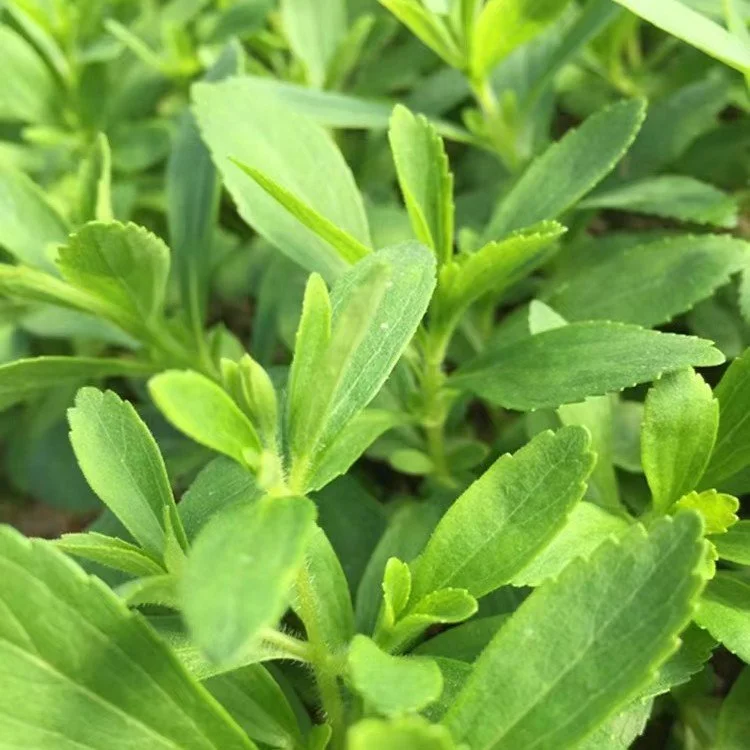
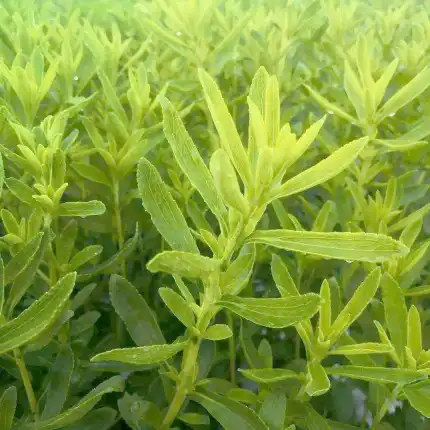
Bulk stevia extract powder comes from the leaves of Stevia rebaudiana Bertoni, a South American plant that has been used for hundreds of years. These days, industrial extraction uses water-based methods that separate certain steviol glycosides, mostly Rebaudioside A, D, and M, using complex cleaning methods. This method is very different from making manmade sweeteners, and it gives companies a natural ingredient that fits with their clean-label messaging.
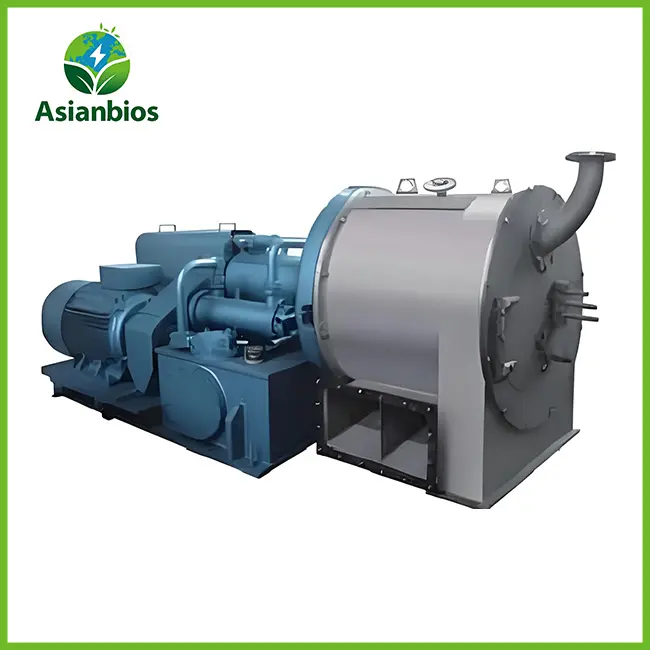
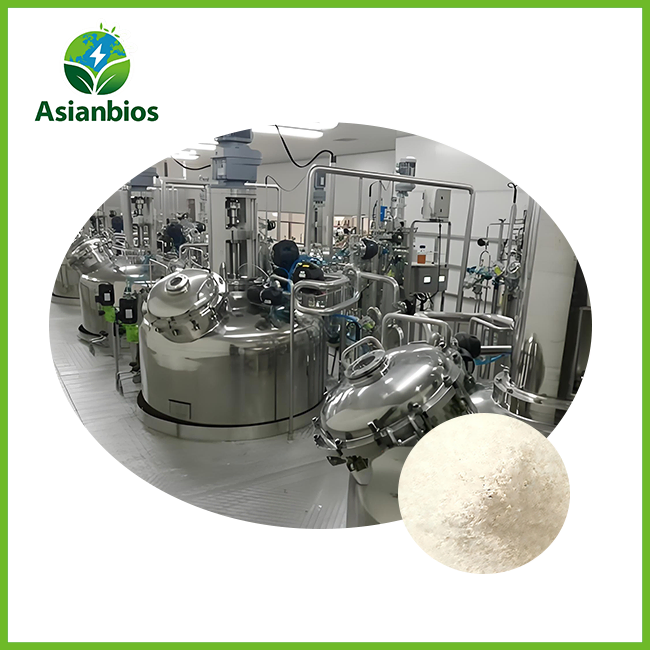
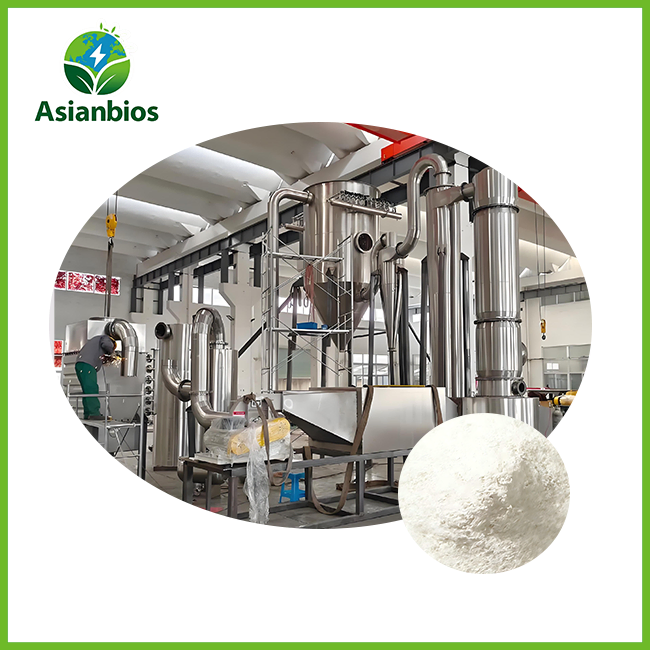
The first step in the extraction process is pre-processing, which involves filtering and concentrating plant material to get rid of impurities that can't be dissolved. Vacuum evaporation compresses the extract to the right amount of solids, which is usually between 10 and 40 percent. This makes sure that the atomization works well during the spray-drying stages. Carriers and drying aids are put into the solution to make it easier to dissolve, keep equipment from getting clogged, and make the end powder better. Advanced providers use carbon dioxide supercritical extraction technology to get the most steviol glycoside out of the plant while leaving the least amount of chemical waste, which is very important for pharmaceutical-grade uses.
Nutritional Profile and Sweetness Characteristics
The one thing that makes bulk stevia extract powder unique is that it is 200 to 400 times sweeter than sugar without adding calories to finished goods. Because it has a high intensity sweetening power, formulation teams only need small amounts to get the sweetness levels they want, usually between 0.02% and 0.15% by weight, based on the application and the sweetness profile they want to achieve.
Total Steviol Glycosides (TSG) content, which is usually higher than 95%, and Rebaudioside A purity values ranging from 60 to 99%, depending on the application, are used to describe the purity of high-quality bulk stevia extract powder. The glycoside makeup directly affects how the taste and smell are perceived. Higher Reb M or Reb D ratios produce better sweetness profiles with fewer metallic or licorice-like aftertastes that are usually associated with lower-grade steviosides. Formulators can work with delicate flavor patterns in high-end drinks and supplements where taste excellence must not be lost, thanks to this compositional precision.
Physical and Chemical Specifications
From a scientific point of view, bulk stevia extract powder looks like a fine, white powder that absorbs water. The particle sizes are usually set at 80–100 mesh for the best dissolution properties. The freezing point is between 198°C and 202°C, which shows that it is very stable at high temperatures. This is important for baking and UHT processing, where high temperatures could break down less stable sweeteners.
Another big benefit is that it is chemically stable across a wide pH range (pH 3–9). Because it is strong, it can be mixed into acidic drinks, where chemicals like aspartame break down hydrolytically, lowering the sweetness and making unwanted breakdown products over time. Because steviol glycosides don't ferment, they can't be involved in Maillard browning processes. However, this means that a bulking agent has to be added when the texture and volume that sugar gives need to be replicated.
Is Bulk Stevia Extract Powder Safe to Consume? Risk Aversion Approach
Regulatory Approvals and Scientific Validation
Making sure ingredients are safe is the most important part of buying ingredients for businesses. Regulatory bodies around the world have carefully looked at the safety of bulk stevia extract powder and given it the "Generally Recognized As Safe" (GRAS) label from the FDA and the green light from the European Food Safety Authority (EFSA). These names come after a full analysis of the substances' absorption, transport, metabolism, and excretion routes, as well as studies on multiple generations of reproduction and tests to see if they cause cancer.
The Acceptable Daily Intake (ADI) was set at 4 mg/kg body weight by the Joint FAO/WHO Expert Committee on Food Additives (JECFA). This is equal to 4 mg of steviol. This low limit gives a lot of safety margins, even in high-consumption situations. This eases the minds of makers who are making a lot of different stevia-sweetened goods for different markets. A lot of research from many years ago shows that there are no genotoxic, mutagenic, or teratogenic effects. This is the proof that quality assurance teams need for regulatory submissions in all foreign markets.
Suitability for Sensitive Populations
Bulk stevia extract powder is especially useful for developing diabetic-friendly products because it has a zero Glycemic Index profile. Steviol glycosides don't turn into glucose in the body as sugar alcohols do, but they can still cause small changes in blood sugar levels. Because it doesn't change metabolically, it's possible to make blood sugar-neutral products that appeal to a growing group of health-conscious consumers without sacrificing sweetness.
A new study shows that there may be health benefits beyond just cutting calories. Studies show that it might have antioxidant and blood pressure-lowering qualities, but these functional benefits need to be carefully backed up with evidence that fits with regional regulatory systems. Stevia extract has better tolerance profiles and fewer adverse effects on the digestive system compared to polyol-based sweeteners, which can cause digestive discomfort at moderate intake levels. This is an important thing to keep in mind when making functional beverages or meal replacement products that people will eat every day.
Quality Certifications and Compliance Standards
Tough quality standards that check for both safety and consistency must be required by procurement specs. Leading providers keep CGMP, FSSC22000, ISO9001, HALAL, KOSHER, Organic, and HACCP licenses, which show that they handle quality in a planned way along the whole production chain. With these certificates, you can be sure that the places where things are made don't get contaminated, keep track of things, and clean up using approved methods between production runs.
High-Performance Liquid Chromatography (HPLC) analysis proves the exact amount of different steviol glycosides, which have a direct effect on how the food tastes. Heavy metal testing makes sure that lead levels stay below 1 ppm, and arsenic and cadmium levels stay below similarly tight levels. These levels are necessary for EU and North American regulations to be followed. The study of residual solvents shows that the amounts of ethanol and methanol stay below the allowed limits. This proves that the separation processes are clean. Microbiological standards say that the Total Plate Count must be less than 1000 CFU/g and that bacteria like Salmonella and E. coli must be present. coli, and keeping the wetness content below 6% stops clumping and the growth of microbes during bulk storage.
Benefits and Applications of Bulk Stevia Extract Powder in B2B Markets
Comparative Advantages Over Alternative Sweeteners
When manufacturing teams are looking at different sugar choices, it helps to know how stevia stands out from other ingredients. Compared to sugar, stevia extract has a much lower caloric content and a higher sweetness strength. This means that the ingredient costs are much lower when compared to the sweetness equivalent. Artificial sweeteners like aspartame and sucralose aren't as natural as stevia, which is why consumers and government bodies are pushing for more limits on artificial ingredients.
Compared to erythritol, bulk stevia extract powder is sweeter and doesn't make you feel cool, which can get in the way of tasting certain flavors in some situations. Compared to monk fruit extract, stevia usually has better economics at a business level, with more suppliers available, which lowers supply chain risk. Liquid forms of stevia are easier to use for beverage applications, but powder forms are more stable over time and can be used in a wider range of dry-mix applications, such as baking, nutritional supplements, and quick beverage formulations.
Industry-Specific Applications
Because bulk stevia extract powder is so flexible, it can be used in a wide range of production situations. In functional drinks and acidic soft drinks, its hydrolysis stability at low pH (below 3.0) keeps the sweetness level high over long shelf lives without turning into steviol or producing off-flavors. This stability benefit is especially useful in fizzy drinks, sports drinks, and drinks with lemon flavors, where the pH levels can be hard for sweetening systems that aren't very strong.
High-temperature baking uses stevia because it is stable at temperatures up to 200°C, so it can be used instead of sugar in cookies, cakes, and desserts without losing its sweetness. Mixing bulk stevia extract powder with thickening agents like erythritol or allulose is needed to make something that has the same structure, ability to hold water, and crumb feel as sucrose crystals. Product development teams can meet sensory goals while keeping clean-label ingredient lists that support high marketing and price strategies if they understand these formulation principles.
How to Select the Right Bulk Stevia Extract Powder: A Decision Support Perspective
Critical Evaluation Criteria
For procurement success, you need to evaluate suppliers in a way that takes into account more than just price. The most important thing is to meet certain purity standards. The amount of TSG and certain amounts of Reb A, Reb D, or Reb M have a direct effect on the sweetness profile and the amount that needs to be used. By asking for detailed certificates of analysis with batch-specific HPLC chromatograms, technical teams can check that the makeup stays the same from batch to batch. This stops formulation drift that affects the stability of the finished product's taste.
Supply problems can be avoided by checking the names of suppliers and figuring out how much they can make. By looking at the size of the production plant, the availability of backup equipment, and the methods used to get raw materials, partners who can grow with the demand can be found. If a supplier keeps more than one ton of standard specifications in stock, they can fill orders within 10 days. For proprietary specs, customization options with 20-working-day wait times give formulators more freedom. Access to "green channel" services that deliver urgent small-batch orders within 7–10 days meets the needs of market testing and product development without committing to full production numbers.
Supplier Capabilities and Service Infrastructure
Beyond product specifications, a full supplier review also looks at skills that add value and shorten the time it takes to create a product. ODM and OEM production services allow for complete solutions, from developing the recipe to making the end product. Suppliers that can make candies, pills, powders, and capsules at the same time make things easier for buyers while keeping quality standards high across all of their products.
Another thing that sets them apart is their technical help system. Partners who offer skilled formulation solutions, experimental proof services, and application advice cut down on development risk and speed up time to market. The ability to do stability tests, sensory evaluations, and prepare regulatory documents in a lab takes resources away from procurement departments. This is especially helpful for mid-sized makers that don't have a lot of R&D facilities in-house. Strategic goals for growth can be met by suppliers who offer technology transfer services for building production lines. This allows for vertical integration as business numbers support capital investment.
Minimum Order Quantities and Pricing Structures
Understanding MOQ models and how prices work is important for improving buying economics. Many sellers set a minimum order size of 25 kilograms for standard specs. At 500 kilogram, one-ton, and multi-ton commitment levels, volume-tiered pricing offers cost savings. By asking for specific price matrices across volume breakpoints, financial modeling can be done that weighs the costs of keeping inventory against the economics of each unit. This helps find the best order numbers that maximize landed cost efficiency.
Flexible MOQ policies that allow for small-scale trial production orders at low prices make it easier for new brands and product line additions to get into the market. This adaptability is especially helpful during the formulation optimization stages, when different versions of the specifications need to be tested before the final market specifications are set. Clear information about price factors like base material costs, processing fees, certification premiums, and packaging specs helps build trust and allows value engineering conversations that lower the total cost of ownership without lowering quality standards.
Buying Bulk Stevia Extract Powder: Tips and Best Practices for B2B Clients
Sourcing Strategy Development
Finding key suppliers that meet your needs for quality, quantity, and logistics in terms of location is the first step to successful buying. Specialized B2B platforms connecting ingredient buyers with certified manufacturers provide efficient discovery channels, though direct manufacturer relationships often deliver superior communication responsiveness and customization flexibility. Geographic supplier concentration in China, especially in provinces with well-established infrastructure for botanical extraction, offers competitive prices and advanced processing options, such as carbon dioxide supercritical extraction technology that maximizes purity while minimizing solvent residues.
To fully check out possible partners, you need to look at their manufacturing licenses, export certifications, and customer examples from similar application areas. Site audits, whether they are physical or virtual, check the controls in the work setting, the rules for maintaining equipment, and the systems for keeping records that meet traceability requirements. Setting up two sources of supply reduces the risks in the supply chain. This is especially important for bulk stevia extract powder, which has a shelf life of 18 to 24 months under normal store conditions and needs to be restocked every so often.
Logistics and Import Compliance Considerations
International purchasing makes things more complicated, so you need to plan ahead to make sure there aren't any supply problems. Understanding Incoterms, especially FOB, CIF, and DDP agreements, makes it clear who is responsible for shipping, insurance, and clearing customs. This keeps costs from going up or delivery times from being longer than expected. Working with suppliers and keeping in touch with well-known shipping companies like DHL, FedEx, and specialized freight forwarders is the best way to make sure that shipments arrive on time and can be tracked as they travel across foreign borders.
To follow import rules, you need to pay attention to the paperwork needs of the places you're going to. Product classification numbers must be correctly listed on customs forms, along with supporting documents like safety data sheets, certificates of analysis, non-GMO certifications, and organic certifications if needed. Keeping up with changing import rules, especially when it comes to getting new foods approved in some places, is important to avoid expensive package rejects or long customs holds. Suppliers who have experience with foreign trade usually help with paperwork and give advice on regulations. This makes it easier for buying teams to do their jobs and makes sure that the import processes are legal.
Conclusion
For B2B companies that have to deal with changing customer tastes and rules, bulk stevia extract powder is a great way to save money. It is safe, as proven by many studies and approvals from governments around the world. This makes it a valuable material for health-related products. Technical requirements that stress high purity, thermal stability, and pH resistance allow for a wide range of uses, including functional drinks, plant-based nutrition, baking, and nutraceutical formulas. To do a good job of procuring things, you need to carefully look at each supplier's quality certifications, production skills, service infrastructure, and transportation partnerships. Strategic sourcing methods that balance lowering costs with ensuring the stability of the supply chain build long-lasting ingredient supply chains that help products succeed in the competitive natural sugar markets over the long term.
FAQ
1. Can bulk stevia extract powder completely replace sugar in formulations?
Stevia extract powder in bulk can replace some of the taste that sugar adds, but not its other functions. Sugar gives things size, texture, the ability to hold on to water, and the ability to brown, all of which are useful in many situations. It is necessary to combine stevia with bulking agents like allulose, erythritol, or maltodextrin for these physiological factors to be replicated. In most cases, replacement is easy for beverage users. However, baked goods and confectionery need more complicated reformulation methods that take into account texture and mouthfeel standards.
2. How do I verify the bulk stevia extract powder's authenticity and quality?
Ask for analysis certificates from recognized labs that show HPLC data that confirm steviol glycoside profiles. Use certifying body records to check a supplier's ISO9001, HACCP, and CGMP certificates. Ask a third party to test for heavy metals, microbiological toxins, and chemicals that are still present. Reliable sellers give batch-specific paperwork that can be used to track back to where the raw materials came from. A visual check should reveal a white, fine powder that isn't discolored or clumped, which could mean it has been exposed to moisture or is contaminated.
3. What regulatory requirements apply when importing bulk stevia extract powder?
Different target markets have different rules. Under GRAS status for high-purity steviol glycosides, the United States demands that they follow FDA rules. The European Union requires approval under E960 rules for additives that meet certain quality standards. Documentation usually includes certificates of analysis, safety data sheets, certificates of origin from the country of origin, and, based on how the product is marketed, non-GMO or organic credentials. Using customs agents who know how to classify food ingredients speeds up the process of clearing imports and makes sure that all regulations are followed.
Partner with Asianbios for Premium Bulk Stevia Extract Powder Supply
Asianbios connects people who buy things for businesses with certified bulk stevia extract powder makers who can provide stable supply lines and quality that meets pharmaceutical standards. Asianbios makes high-tech plant extracts using carbon dioxide supercritical extraction technology, which removes liquid leftovers and increases purity. Their wide range of certifications, such as CGMP, FSSC22000, ISO9001, HALAL, KOSHER, Organic, and HACCP, ensures that they meet the strictest international standards.
Advantages of procurement include keeping more than one ton of goods on hand for quick fulfillment, being able to customize products with 20-working-day production cycles, and being able to get pressing needs met faster through the "green channel" within 7–10 days. Logistics relationships with FedEx, DHL, and SF Express make sure that foreign shipping goes smoothly. Their ODM and OEM services support complete solutions that include everything from formulating new products to making finished ones in a variety of forms, such as pills, tablets, gummies, and powders. Technical support teams help with professional formulation issues, trial confirmation, and transferring technology to the production line.
Contact plantex@asianbios.com right away to get samples, talk about special requirements, or look into business opportunities with a reliable bulk stevia extract powder provider that is dedicated to quality, timeliness, and technical excellence to help you reach your product development goals.
References
1. Carakostas, M.C., Curry, L.L., Boileau, A.C., & Brusick, D.J. (2008). Overview: The history, technical function and safety of rebaudioside A, a naturally occurring steviol glycoside, for use in food and beverages. Food and Chemical Toxicology, 46(Supplement 7), S1-S10.
2. Goyal, S.K., Samsher, & Goyal, R.K. (2010). Stevia (Stevia rebaudiana) a bio-sweetener: A review. International Journal of Food Sciences and Nutrition, 61(1), 1-10.
3. Gardana, C., Simonetti, P., Canzi, E., Zanchi, R., & Pietta, P. (2003). Metabolism of stevioside and rebaudioside A from Stevia rebaudiana extracts by human microflora. Journal of Agricultural and Food Chemistry, 51(22), 6618-6622.
4. Lemus-Mondaca, R., Vega-Gálvez, A., Zura-Bravo, L., & Ah-Hen, K. (2012). Stevia rebaudiana Bertoni, source of a high-potency natural sweetener: A comprehensive review on the biochemical, nutritional and functional aspects. Food Chemistry, 132(3), 1121-1132.
5. Prakash, I., DuBois, G.E., Clos, J.F., Wilkens, K.L., & Fosdick, L.E. (2008). Development of rebiana, a natural, non-caloric sweetener. Food and Chemical Toxicology, 46(Supplement 7), S75-S82.
6. Savita, S.M., Sheela, K., Sunanda, S., Shankar, A.G., & Ramakrishna, P. (2004). Stevia rebaudiana – A functional component for food industry. Journal of Human Ecology, 15(4), 261-264.

Send Inquiry
Related Industry Knowledge
- Where can I buy high-quality ergothioneine powder online?
- Chinese Cabbage Freeze-Dried Powder: Processing, Benefits, and Applications
- Where can i buy freeze dried strawberry powder?
- Benefits of Sustainable Valine Production Technology
- How Isoleucine Production Technology Supports High Efficiency
- Benefits of Sleep Aid Capsule for Deep Sleep Support
- Vitamin C Production Technology Uses in Food & Pharma
- Tart Cherry Powder for Women: Benefits & How To Use It
- Is kiwi powder good for you?
- Best Grape Powder for Health: What Makes It So Powerful?