Hyaluronic Acid Powder: Its Uses, Benefits and Side Effects
Hyaluronic acid powder bulk is now an important part of many products, nutraceuticals, and pharmaceuticals. This is mostly because it is so good at keeping wetness in and working well with the body. Hyaluronic acid powder bulk is a cheap, flexible raw material that makers can use to meet a wide range of application needs and precise formulation requirements. This naturally occurring glycosaminoglycan comes in different molecular weights and solves important production problems in a wide range of products, from anti-aging skin care to joint health supplements. This makes it a top choice for global B2B buyers looking for reliable, high-purity actives.
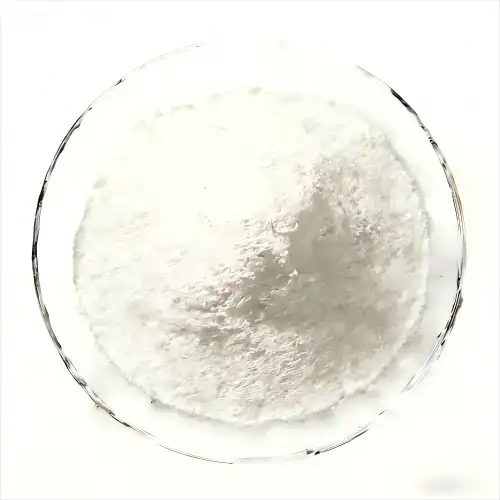
What is Hyaluronic Acid Powder Bulk? An Essential Overview
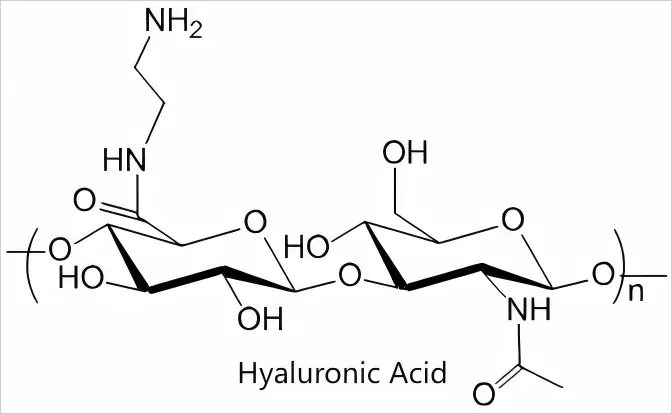
The pure, dried form of sodium hyaluronate is hyaluronic acid powder bulk. Sodium hyaluronate is a linear polysaccharide made up of repeating disaccharide units of D-glucuronic acid and N-acetyl-D-glucosamine. This form of the raw material is better than pre-dissolved liquids or sealed formats in many ways. It's especially helpful for makers who need to be able to make different formulations and keep the raw material stable for a long time.
Chemical Structure and Molecular Weight Variations
The molecular weight distribution of hyaluronic acid is directly responsible for its wide range of functions. Variants with low molecular weights (10 kDa to 1 MDa) can successfully reach the skin layers and help cells communicate and deeply moisturize. Medium molecular weight types (1 MDa to 1.8 MDa) are great for skin fillers and joint lubricants because they have structural support and viscoelastic qualities. High molecular weight forms (above 1.8 MDa) make thin films on the surface of skin and nasal membranes, which moisturize and protect right away. By knowing these differences, buying teams can perfectly match the performance needs of the end product with the specs of the raw materials.
Powder vs. Liquid: Manufacturing Scalability Advantages
Moving water-heavy liquid solutions is harder to organize and costs more to move, but bulk powder forms get rid of those problems. Manufacturers gain from smaller storage spaces, longer shelf lives without preservatives, and the ability to mix back together at any quantity they want during production. Hyaluronic acid powder bulk also doesn't have the stable problems that come with pre-made solutions, like pH changes and microbial contamination that can ruin a lot.
Sourcing and Purity Grades: Natural vs. Synthetic
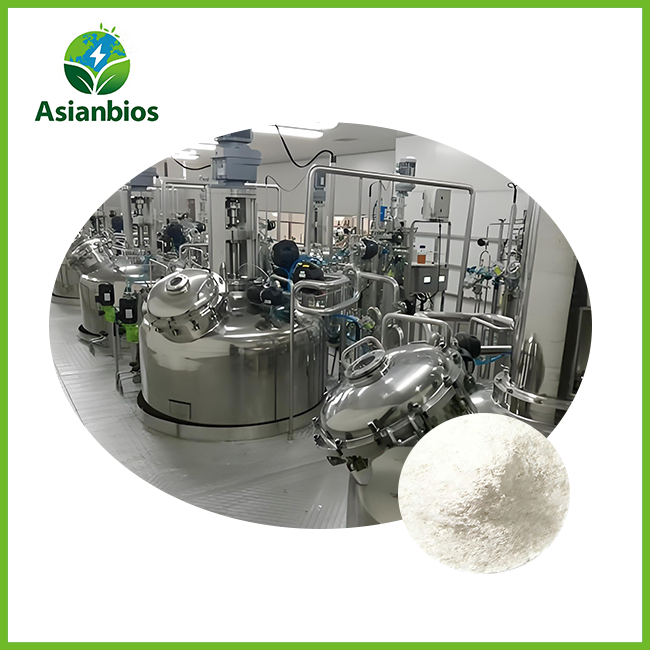
Unlike past ways that used rooster combs, modern hyaluronic acid powder bulk is mostly made through microbial fermentation with Streptococcus zooepidemicus strains. This way of biofermenting produces constant purity levels (usually 95–98% by HPLC), gets rid of the risk of allergens produced from animals, and meets the standards for vegan and halal certification. Purity has a direct effect on both how well a product works and how much it costs. Pharmaceutical-grade powders are more expensive because they have strict endotoxin limits and batch paperwork, while cosmetic-grade materials focus on particle size consistency and solubility speed. Through advanced spray-drying technology, Asianbios makes cosmetic-grade hyaluronic acid powder bulk that is 98% HPLC pure. This powder has a great ability to hold up to 1,000 times its weight in water.
Key Benefits of Using Hyaluronic Acid Powder Bulk in B2B Applications
Beyond its biochemical qualities, the geopolitical value of hyaluronic acid powder bulk is substantial. Bulk powder buying lets companies that make a lot of cosmetics, drugs, and useful foods make more money and make their products stand out. It does this by letting them be more flexible with their formulations and run their businesses more efficiently.
Superior Hydration and Anti-Aging Properties for Cosmetics
Hyaluronic acid's ability to attract water helps cosmetic companies make high-performance serums, hydrogel masks, and multi-phase creams. Because the powder can work in pH ranges from 4.0 to 8.0, it can be used with a variety of emulsion systems. It stays stable even when mixed at high pressure, without losing its ability to penetrate skin or form a film on the surface. Anti-aging formulas work best with oligomeric and low molecular weight types because they boost the activity of fibroblasts and the production of collagen.
Pharmaceutical and Joint Health Applications
Pharmaceutical uses need hyaluronic acid powder bulk that is safe for injection or oral use, with very low amounts of endotoxin and controlled rheological behavior. When used to treat osteoarthritis, intra-articular injections depend on specific molecular weight bands (usually 800 kDa to 2 MDa) to repair the viscosity of synovial fluid and support joint cartilage. Oral supplement makers use sodium hyaluronate powders that are safe for food and can handle stomach acid while still being bioavailable. These powders help chondrocytes grow and joint tissue heal, as shown in clinical studies.
Cost-Efficiency Through Economies of Scale
Structures for buying in bulk offer real cost benefits. Minimum order quantities (MOQs) as low as 1 kg allow for trial formulation work, and volume agreements at 25 kg barrel increases greatly lower the price per kilogram. When sending dried powder instead of liquid concentrates, the costs are much lower. For example, a 25 kg barrel of hyaluronic acid powder bulk can be mixed with water to make hundreds of liters of a usable solution. Manufacturers who use just-in-time inventory systems like that the goods have a longer shelf life (over 24 months if kept properly), which cuts down on waste and working capital that is stuck in raw materials that go bad quickly. Shaanxi Zhenhuacui Biotechnology keeps enough stock on hand to deliver quickly—within 10 days—which supports flexible production plans and lowers the risks in the supply chain.
How to Use Hyaluronic Acid Powder Bulk Effectively in Your Formulations
For hyaluronic acid powder bulk to work at its best, it needs to be handled properly and according to the rules of formulation science. Professionals in procurement and technical teams should work together to make sure that the ingredients chosen are compatible with the manufacturing skills and requirements of the final product.
Formulation Best Practices and Carrier Compatibility
Hyaluronic acid powder mixes easily with water and other watery solutions, but it needs to be stirred slowly so that it doesn't clump and spreads evenly. The rate of dissolving is faster when the powder is pre-hydrated in a small amount of water before it is added to large emulsions. The polysaccharide stays stable when most cosmetic actives are present, such as peptides, niacinamide, and alpha hydroxy acids. However, strong oxidizing agents and pH levels below or above 9.0 should be avoided by formulators because they break down the polymer backbone.
Storage Protocols and Shelf Life Management
Proper storage keeps bioactivity and extends the life of raw materials. Hyaluronic acid powder bulk should be kept in cases with tight lids at temperatures between 15°C and 25°C, out of direct sunlight, and in places with a lot of dampness. Because the powder is hygroscopic, it can cause caking and changes in viscosity when it comes in contact with moisture in the air. FIFO (first-in, first-out) inventory management keeps finished products consistent from batch to batch and stops goods from going bad over time.
Molecular Weight Selection for Target Applications
Choosing the right molecular weight types is very important for getting the final properties you want. Mixtures of low (50–300 kDa) and middle (800–1,500 kDa) molecular weight types are good for skin serums that want to deeply moisturize. Moisturizers and sheet masks for the skin's surface work best with high molecular weight versions (1,800 kDa or more) that form occlusive films. Most joint vitamin pills use medium molecular weight powders (800–1,200 kDa) that are bioavailable and effective when taken by mouth. Suppliers' technical data sheets should include molecular weight distribution models and suggested amounts for use (usually 0.1 to 2.0% in cosmetics and 100 to 200 mg per day in supplements).
Understanding the Side Effects and Safety Considerations of Bulk Hyaluronic Acid Powder
Safety review is one of the most important parts of doing business with other businesses. Hyaluronic acid powder bulk has a great safety profile based on decades of clinical use. However, procurement workers need to know about possible risks and how to reduce them to protect the brand's image and the health of consumers.
Allergic Reactions and Contraindications
Hyaluronic acid powder bulk that comes from microbes fermenting food is not as likely to cause allergies as materials that come from animals. Allergic responses are still very uncommon and are usually caused by bacterial proteins that are mixed in with the polysaccharide. People who are known to be hypersensitive to proteins from Streptococcus species should be careful with fermentation-derived goods, even though they go through a lot of steps to make sure there are almost no leftover proteins. Applying it topically works great, even on sensitive skin, and taking it by mouth hasn't shown any major side effects in clinical studies at doses up to 200 mg per day.
Purity and Processing Quality Controls
When buying large raw materials, impurities are the main safety worry. Heavy metals (like lead, arsenic, mercury, and cadmium), leftover solvents, and microbes can make a product less safe if the supplier's quality systems don't work. Reputable producers use multiple steps of filtering, such as ultrafiltration, alcohol precipitation, and activated carbon treatment, to get rid of contaminants. To make sure that each batch meets the pharmacopeial standards for heavy metals (usually less than 10 ppm total), bacterial limits (total plate count less than 1,000 CFU/g), and endotoxin levels (especially important for injectable uses), it should go through a lot of tests.
Clinical Safety and Efficacy Research
Literature that has been studied by experts always shows that hyaluronic acid is safe and works well in many situations. Dermatological studies show that using 0.1 to 1.0% amounts on the skin can improve its hydration, suppleness, and wrinkle depth. An orthopedic study shows that knee osteoarthritis patients who get intra-articular shots feel better and can do more afterward. Oral supplementation studies show that after 8 to 12 weeks of daily intake, there are statistically significant increases in the amount of wetness in the skin and decreases in signs of joint pain. These results are backed up by data back up marketing claims and regulatory submissions.
Risk Mitigation Through Supplier Certification
Choosing the right provider is the first step in good risk management. Manufacturing sites should be inspected by procurement teams or a third party to make sure they follow Good Manufacturing Practices and have approved analytical methods. To hold suppliers accountable and make sure that materials work consistently, you should require batch-specific Certificates of Analysis, test all incoming materials, and use scorecards based on quality measures. Asianbios has many certifications, such as cGMP and FSSC22000. They also follow strict quality control methods from screening raw materials to delivering finished products. This makes sure that the products are stable from batch to batch for use around the world.
How to Choose the Right Hyaluronic Acid Powder Bulk Supplier – A B2B Buying Guide
Choosing a supplier is a strategic choice that affects the standard of the product, how costs are managed, and the resilience of the supply chain in the long run. Professionals in procurement should evaluate suppliers in a planned way, taking into account more than just the original price. Success in purchasing hyaluronic acid powder in bulk requires systematic evaluation.
Defining Clear Product Specifications
To buy something successfully, you need to be very clear about its purity (95%, 98%, or 99%), its molecular weight range (ideally with distribution curve data), its appearance (it should be a white to off-white powder that doesn't contain any other substances), its particle size distribution (which affects how quickly it dissolves), its moisture content (usually less than 10% loss when dried), and any microbiological limits. The grade classification (cosmetic, food, or pharmaceutical) tells you what tests and regulatory requirements apply. Based on these factors, the price per kilogram changes a lot, with pharmaceutical-grade materials selling for 30–50% more than cosmetic-grade materials.
Logistical Factors and Minimum Order Quantities
When buying something, you should think about the minimum order quantity (MOQ), the different types of packing (1 kg foil bags, 5 kg cases, 25 kg fiber drums), the different ways you can pay (letter of credit, wire transfer, net payment terms), and when the goods will be delivered. Low MOQ suppliers (1 kg sample amounts) make it easier to develop new formulations without having to make big capital investments. For lean inventory systems, delivery reliability is very important. Suppliers who keep a buffer stock and offer fast delivery choices (DHL, FedEx, SF fast) lower the risk of production interruption.
Supplier Evaluation Criteria Beyond Price
Cost and dependability markers are balanced in quality-focused buying. Some important things to look at when judging a company are the number of certifications they have (ISO, GMP, organic, halal, and kosher), their analytical tools (in-house HPLC, GC-MS, and ICP-MS), how quickly they can help with technical issues (formulation advice, stability data, and regulatory paperwork), and their track record with similar clients. Suppliers who put money into research and development, new extraction lines, and methods for ongoing growth show that they want to work with you for a long time.
Leveraging Certified Distributor Networks
Established wholesalers add value by combining sourcing, pre-screening for quality, and keeping goods close to home. Working with certified distributors makes due research easier and speeds up the purchase process. However, when you commit to buying in large quantities, working directly with manufacturers often gives you better prices. When you combine direct buying for core materials with distributor partnerships for unique grades, you get the best of both worlds in terms of cost and freedom.
Conclusion
Hyaluronic acid powder bulk is an important ingredient for companies that make cosmetics, nutraceuticals, and medicines because it keeps skin hydrated, can be used in a lot of different ways, and is cheap when bought in quantity. Understanding differences in molecular weight, quality standards, and application-specific needs helps buying teams make smart sourcing choices that have a direct effect on how well products work and how much money they make. Putting certifications, analytical skills, and physical dependability of suppliers at the top of the list makes sure that the quality of the raw materials stays uniform and the supply chain stays strong. As rules get stricter and people want formulations based on evidence grow, it becomes more important to work with experienced makers who have both technical know-how and strict quality systems in order to stand out from the competition and be successful in the long run.
FAQ
1. What molecular weight range is optimal for skincare applications?
Blended molecular weight ratios are often good for skincare formulas. Low molecular weight hyaluronic acid (50–300 kDa) can get deep into the stratum corneum to hydrate it and speed up the metabolism of cells. High molecular weight versions (1,500–2,000 kDa) make thin films on the skin's surface that moisturize right away and stop water loss through the skin's surface. Most anti-aging serums use both ranges together at total ratios between 0.5 and 2.0% to moisturize all layers of the skin.
2. How should hyaluronic acid powder bulk be stored to preserve quality?
Hyaluronic acid powder bulk should be kept in opaque containers with tightly closed lids at a controlled room temperature (15–25°C) with a relative humidity below 60%. Keep it away from direct sunlight, heat sources, and water. Once it's been opened, shut it back up quickly and use nitrogen flushing for long-term keeping to keep air out as much as possible. Bioactive materials can be kept for 24 months or longer if they are handled properly.
3. What certifications should I verify when evaluating suppliers?
ISO9001 (for quality management systems), cGMP (for pharmaceutical industry standards), and FSSC22000 (for food safety systems) are all important certifications. Certifications for certain uses, like HALAL, KOSHER, Organic, and HACCP, show that you are committed to meeting the needs of particular markets. Ask for copies of current awards and check their accuracy with the organizations that issued them. Certificates of Analysis that are unique to each batch and show purity, molecular weight, and safety tests are another way to make sure the quality.
Partner with Asianbios for Premium Hyaluronic Acid Powder Bulk Supply
For demanding B2B uses in cosmetics, nutraceuticals, and functional foods, Asianbios provides approved, high-purity hyaluronic acid powder bulk. Our improved spray-drying technology makes our 98% HPLC cosmetic-grade sodium hyaluronate, which has a great ability to bind water and keep its shape. We follow strict quality standards from the beginning of the brewing process to the end of the packing. Our certifications include cGMP, FSSC22000, ISO9001, HALAL, KOSHER, and Organic. Our purchasing choices are open enough to handle sample requests starting at 1 kg MOQ. We can send quickly (7–10 days) via express shippers and offer full OEM/ODM customization. You can talk to our technical team at plantex@asianbios.com about your needs, get reasonable prices from a reliable hyaluronic acid powder bulk provider, and get help with formulation that is specific to your production needs.
References
1. Papakonstantinou, E., Roth, M., & Karakiulakis, G. (2012). Hyaluronic acid: A key molecule in skin aging. Dermato-Endocrinology, 4(3), 253-258.
2. Bukhari, S. N., Roswandi, N. L., Waqas, M., Habib, H., Hussain, F., Khan, S., & Sohail, M. (2018). Hyaluronic acid, a promising skin rejuvenating biomedicine: A review of recent updates and pre-clinical and clinical investigations on cosmetic and nutricosmetic effects. International Journal of Biological Macromolecules, 120, 1682-1695.
3. Snetkov, P., Zakharova, K., Morozkina, S., Olekhnovich, R., & Uspenskaya, M. (2020). Hyaluronic Acid: The Influence of Molecular Weight on Structural, Physical, Physico-Chemical, and Degradable Properties of Biopolymer. Polymers, 12(8), 1800.
4. Salwowska, N. M., Bebenek, K. A., Żądło, D. A., & Wcisło-Dziadecka, D. L. (2016). Physiochemical properties and application of hyaluronic acid: a systematic review. Journal of Cosmetic Dermatology, 15(4), 520-526.
5. Keen, M. A. (2017). Hyaluronic Acid in Dermatology. Skinmed, 15(6), 441-448.
6. Oe, M., Sakai, S., Yoshida, H., Okado, N., Kaneda, H., Masuda, Y., & Uenishi, K. (2017). Oral hyaluronan relieves knee pain: a review. Nutrition Journal, 16(1), 11.

Send Inquiry

Related Industry Knowledge
- What Is Production Technology Of Ergothioneine Used For?
- Chinese Cabbage Freeze-Dried Powder: Processing, Benefits, and Applications
- Where can i buy freeze dried strawberry powder?
- What Is Threonine Production Technology Explained?
- Benefits of Sleep Aid Brewing Powder for Relaxation
- What is apple green powder?
- Benefits of Sleep Aid Capsule for Deep Sleep Support
- Why freeze dried strawberry powder is perfect for smoothies and baking?
- Vitamin C Production Technology Uses in Food & Pharma
- Dried Kale Powder for Supplements: A Complete Guide