Production Technology of Erythritol and its Applications
Erythritol has quietly become one of the most important zero-calorie sweeteners in the modern food and drink industry. It's used in a wide range of products, from sugar-free sodas and high-end keto snacks to functional health drinks and new kinds of candy. A complex biotechnology process goes into making every gram of this white crystalline sweetener. This process combines high-yield microbial fermentation, exact processing, and strict quality control to make a food-grade product that meets international safety standards. Understanding the Production Technology of Erythritol is important for investors, food manufacturers, and new project developers who want to get into this quickly growing market. It will help them build businesses that are competitive, cost-effective, and long-lasting. This detailed guide will talk about the science behind making erythritol, its main uses in industry, and how Asianbios offers standardised technology packages that allow businesses to grow with confidence in the global sugar replacement economy.
Understanding the Fundamentals of Erythritol and Its Production
Before getting into industrial uses, it's helpful to know what erythritol is and why the process of making it has become such an important skill for players in the food business around the world.
What Erythritol Actually Is
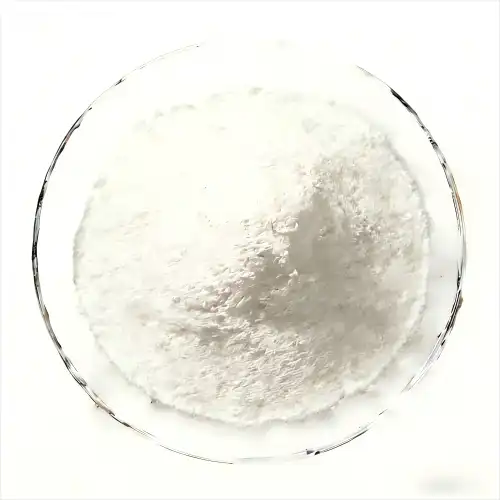
Erythritol is a four-carbon sugar alcohol that is naturally found in small amounts in mushrooms, fruits, and foods that have been fermented. In business, it gives about 70% of the sweetness of sucrose with almost no calories and a very low glycaemic effect. The Production Technology of Erythritol turns this naturally occurring molecule into a large-scale commercial ingredient that can meet the world's desire for healthy sugar substitutes in hundreds of different types of food.
Why Biological Fermentation Takes Over Modern Production
Biological fermentation using high-yield osmotolerant microbial strains has become the standard in the industry. This is because chemical synthesis routes have problems with purity and cost. Microbes like Moniliella or Yarrowia strains are used in the production of erythritol. These strains turn glucose or starch-based materials into erythritol under controlled fermentation conditions. This biotechnological method provides higher yields, safety for food, and long-term environmental sustainability on a large scale.
The Strategic Value of Localization
It's not just the process itself that makes or breaks a Production Technology Of Erythritol project; it's also how well it works with the local supply of raw materials, the industry's infrastructure, and the markets that come after. Experts in the field say that the key to successful commercialisation is a 30% process plus 70% localisation formula. This means that technical excellence must be paired with strong supply chain integration, legal alignment, and skilled team management to really give a business a competitive edge.
| Production Element | Contribution to Success | Key Consideration |
|---|---|---|
| Fermentation Process | 30% | Strain selection, yield optimization |
| Raw Material Access | 15% | Starch or glucose supply chain |
| Purification Chain | 15% | Downstream processing infrastructure |
| Team & Management | 20% | Skilled operators, quality systems |
| Regulatory Compliance | 10% | Food-grade certifications |
| Market Access | 10% | Sales channels, brand relationships |
Core Production Technology of Erythritol Explained
The industrial method for making erythritol is a biological system with several steps that include fermentation, separation, and crystallisation, all working together as a single unit.
Stage One: Substrate Preparation and Fermentation
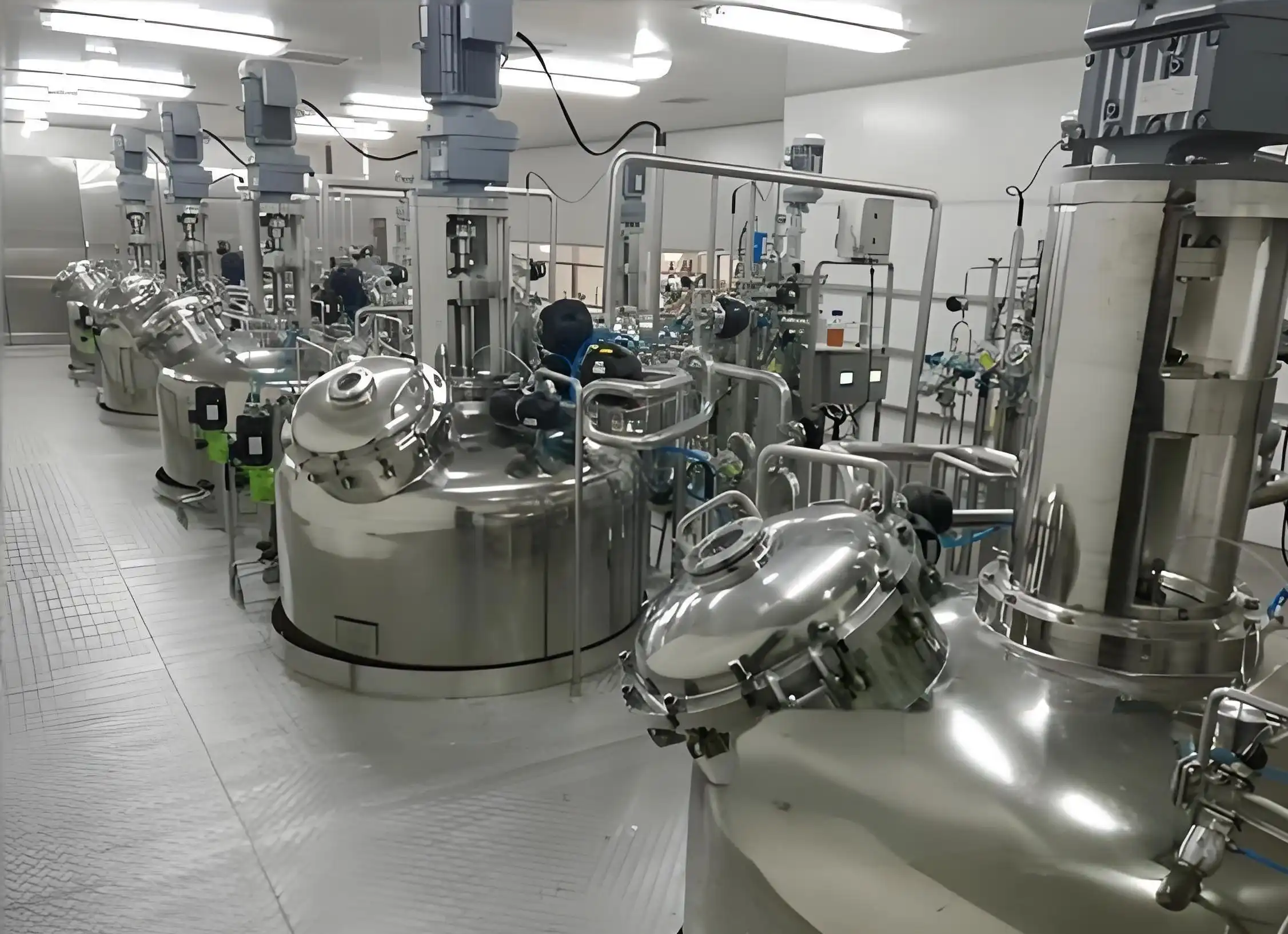
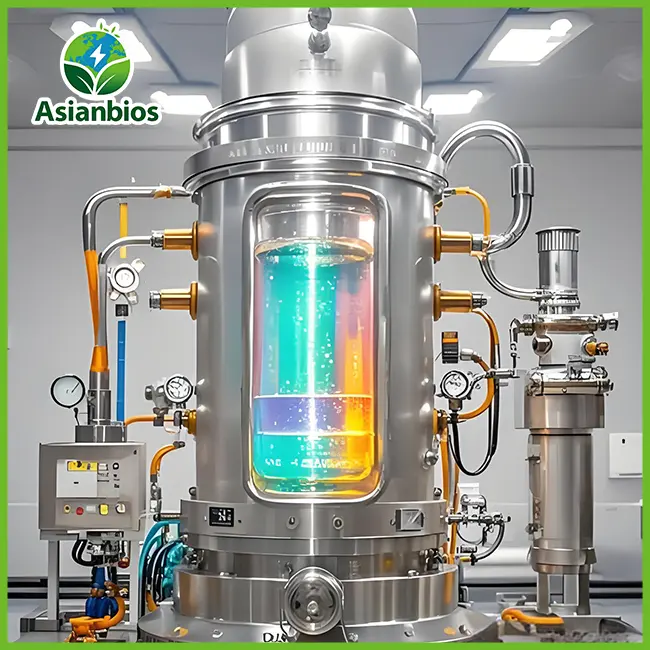
The process of making erythritol starts with making a carbohydrate substrate, which is usually glucose from corn starch, cassava, or other cheap feedstocks. High-yield osmotolerant yeast strains are put into large bioreactors that have temperature, pH, oxygenation, and nutrient conditions that are carefully controlled. During a fermentation cycle that lasts three to seven days, the microorganisms change glucose into erythritol while making almost no waste. This sets the stage for efficient processing further down the line.
Stage Two: Separation and Purification
After fermentation is done, the broth goes through several steps of separation to get rid of the waste material, leftover sugars, salts, and other impurities. To make erythritol that is pure enough for food, the production process uses membrane filtration, ion exchange chromatography, activated carbon decolorisation, and evaporative concentration. Each step is very important, and how well this chain of cleaning works as a whole affects the quality, look, and marketability of the finished product.
Stage Three: Crystallization and Drying
The concentrated erythritol solution goes into controlled crystallisation tanks. The temperature and supersaturation levels are carefully controlled to make crystals that are all the same size. Fluidised bed drying is used to get the moisture content down to the right level, and then classification and sieving are used to get consistent particle sizes that can be used in a variety of downstream applications, such as beverage powders and tabletop sweeteners.
Stage Four: Quality Control and Packaging
Every batch goes through a strict quality check that includes an HPLC purity analysis, a wetness test, a microbial safety check, and a heavy metal screening. Once it is clean, the solid erythritol is put into 25-kg barrels and stored in a way that meets food safety standards. This last step in the production process of erythritol makes sure that the finished ingredient meets all international food safety standards, such as FDA GRAS, EU rules, and Halal/Kosher standards.
| Production Stage | Duration | Critical Parameters |
|---|---|---|
| Substrate Preparation | 12–24 hours | Glucose concentration, sterility |
| Fermentation | 3–7 days | Temperature, pH, oxygenation |
| Separation & Purification | 24–48 hours | Filtration efficiency, decolorization |
| Crystallization | 12–24 hours | Supersaturation, crystal size |
| Drying & Packaging | 6–12 hours | Moisture content, particle uniformity |
Industrial Applications of Erythritol Across Global Markets
The amazing flexibility of the ingredient is key to the business success of the Production Technology Of Erythritol. To make more health-conscious products taste better, erythritol is now the sweetener of choice.
Sugar-Free Beverages and Functional Drinks
A big market for erythritol is in drinks. It is used in sugar-free beers, energy drinks, iced teas, and functional health shots because it has a clean taste profile. The technology used to make erythritol makes it a food-grade ingredient that dissolves easily and doesn't leave a bad taste. This makes it great for use on its own or mixed with high-intensity sweeteners like stevia or monk fruit extract.
Baked Goods and Confectionery
Erythritol is useful in baking and sweets because it adds bulk and mouthfeel that high-intensity sweeteners can't do on their own. Erythritol's ability to crystallise and stay stable at high temperatures makes it a good ingredient for sugar-free chocolates, keto-friendly cookies, gummies, and hard candies. A strong production technology for erythritol lets companies make these quickly growing product groups with consistent quality on an industrial scale.
Dairy Products and Frozen Desserts
Erythritol is used more and more as a sugar substitute in yoghurt, ice cream, and dairy-based drinks. It keeps the texture while drastically lowering the number of calories. Erythritol's production technology creates materials that are easily dissolved, have the right particle size, and are pure enough to be added to dairy products without changing their taste or shelf life.
Table-Top Sweeteners and Health Supplements
Another big use is in sachets for consumers, desk crystals, and mixed sugar goods. Erythritol is also used by companies that make health supplements to add bulk and a mild sweetness to candies, chewables, and powders. Because erythritol can be used in so many different ways, it is very useful as a sugar substitute in modern food science.
Why Asianbios Sets the Standard for Erythritol Production Technology Transfer
When an investor or food company wants to get into the erythritol production market, the most important thing they can do is pick a technology partner. Asianbios has made a name for itself by providing full, standardised technology packages with ongoing technical support.
Complete Technology Packages
For the Production Technology Of Erythritol, Asianbios provides a full package that includes strain licensing, fermentation methods, separation routines, crystallisation techniques, and quality control systems. This full transfer method gets rid of the guesswork that usually slows down the start-up of a new production line. This lets businesses move from an idea to a commercial operation on set dates.
Comprehensive Global Certifications
Asianbios makes sure that all of their technology packages meet international food safety standards. These include cGMP, ISO 9001, FSSC 22000, HACCP, HALAL, KOSHER, and Organic certificates. This built-in compliance system speeds up the client's entry into controlled markets in Asia, the Middle East, Europe, and North America. This cuts down on time-to-market and regulatory delay by a large amount.
Flexible Partnership Structures
In addition to transferring raw technology, Asianbios offers ongoing technical support, formulation advice, and localisation services. The partnership model can be used for any stage of development by the client, from small-batch trial production to building a whole new plant. Standard product inventory ships in 10 days, and urgent Green Channel orders get delivered in 7–10 days. This kind of operational support keeps client projects on track.
Conclusion
The production technology of erythritol is one of the most strategically valuable skills in the modern zero-calorie sweetener industry. It combines advanced fermentation, precise purification, and strict quality control to meet the growing demand for healthier sugar substitutes around the world. Erythritol is now an important ingredient in a huge range of high-growth markets, from sugar-free drinks and baked goods to dairy products and health vitamins. When investors and manufacturers work with Asianbios, they get a full set of technologies, full certifications, and ongoing technical support. This gives them the tools they need to confidently compete in the global sugar substitute market, which is changing quickly.
FAQ
Q1: What raw materials are required for erythritol production?
The primary raw material is glucose, typically derived from corn starch, cassava, or other economical carbohydrate feedstocks. Access to a reliable starch supply is essential for cost-competitive production.
Q2: How long does it take to commission a new erythritol production line?
With a standardized technology package from Asianbios, new plant commissioning typically takes 6 to 12 months, depending on facility scale, local regulatory approvals, and team readiness.
Q3: What certifications does the finished erythritol meet?
Erythritol produced using the Asianbios technology package meets international standards, including FDA GRAS, FSSC 22000, ISO 9001, HALAL, KOSHER, HACCP, and Organic certifications.
Partner With Asianbios for Complete Erythritol Production Solutions
Ready to enter the fast-growing zero-calorie sweetener market with a proven, scalable production capability? Asianbios delivers complete Production Technology Of Erythritol packages, including strain licensing, process design, quality systems, and continuous technical support tailored to your project stage. Whether you're planning a greenfield facility, upgrading an existing line, or exploring small-batch trial production, our engineering and biotechnology team is ready to provide feasibility studies, technology transfer documentation, and end-to-end commissioning support. Contact us today at plantex@asianbios.com to request project consultation, technical specifications, and partnership terms. Let's build the next generation of sugar-substitute production capacity — efficiently, reliably, and profitably together.
References
1. Moon, H. J., Jeya, M., Kim, I. W., & Lee, J. K. "Biotechnological production of erythritol and its applications." Applied Microbiology and Biotechnology, 2010.
2. Rzechonek, D. A., Dobrowolski, A., Rymowicz, W., & Mirończuk, A. M. "Recent advances in biological production of erythritol." Critical Reviews in Biotechnology, 2018.
3. Park, J. B., Seo, B. C., Kim, J. R., & Lee, Y. K. "Production of erythritol in fed-batch cultures of Trichosporon sp." Journal of Fermentation and Bioengineering, 1998.
4. de Cock, P. "Erythritol: a novel non-caloric sweetener ingredient." World Review of Nutrition and Dietetics, 1999.
5. Munro, I. C., Berndt, W. O., Borzelleca, J. F., et al. "Erythritol: an interpretive summary of biochemical, metabolic, toxicological and clinical data." Food and Chemical Toxicology, 1998.
6. Regnat, K., Mach, R. L., & Mach-Aigner, A. R. "Erythritol as sweetener — wherefrom and whereto?" Applied Microbiology and Biotechnology, 2018.
About the Author
Asianbios
Our purpose is to forge a legacy of stewardship, advancing initiatives that honor and preserve the ecological integrity of our planet.

Send Inquiry
Related Industry Knowledge
- The Healing Benefits of Sour Jujube Seed Powder
- What Are the Health Benefits of Berberine Hydrochloride Extract Powder? A Comprehensive Guide
- Sour Jujube Seed: A Gentle Herb for Calming the Mind and Improving Sleep
- Freeze-dried sea buckthorn powder as the perfect source of vitamins
- Best Tryptophan Production Technology for Feed Industry
- Lysine Production Technology OEM/ODM Factory Solutions
- Best Tart Cherry Powder for Sleep, Recovery, and Overall Health
- Is sea buckthorn powder good for you?
- Lysine Production Technology Price Factors Explained
- Best Grape Powder for Health: What Makes It So Powerful?