Lysine Production Technology OEM/ODM Factory Solutions
Businesses must make a crucial Lysine Production Technology choice when looking for reliable amino acid production capabilities: they must choose an OEM/ODM partner that can offer consistent quality, scalable capacity, and manufacturing that is ready for compliance. Lysine Production Technology combines advanced microbial fermentation, precise bioprocess control, and downstream processing skills to meet a wide range of industry needs, from feeding animals to making pharmaceutical-grade amino acids. Today, lysine is made only through direct microbial fermentation with improved strains of Corynebacterium glutamicum or Escherichia coli. This method gets rid of the inefficiencies and stereochemical limitations of chemical synthesis and produces 100% bio-active L-isomer that can be used in food, feed, and medicine.
Understanding Lysine Production Technologies
In the last twenty years, industrial lysine synthesis has changed a lot. It used to be done using expensive extraction methods, but now it is done using very efficient molecular processes. These days, there are three main ways to make things: biosynthesis based on fermentation, enzymatic conversion, and chemical synthesis. Microbial fermentation, which makes up more than 70% of the world's production capacity, is the most popular because it is cost-effective, good for the environment, and makes clean products.
Fermentation-Based Biosynthesis: The Industry Standard
Microbial fermentation converts renewable carbon sources into L-lysine via aspartic acid using metabolically altered microorganisms. Due to its vigorous growth and high lysine output, Corynebacterium glutamicum remains the working organism. Genetic alterations have eliminated feedback inhibitory systems, allowing these strains to produce too much lysine. Fermentation broth concentrations of 200–240 g/L are normal in contemporary plants and affect processing costs and product economics. Wheat or maize starch hydrolysate glucose and cost-effective cane sugar make up the fermentation medium's carbon supply. Trace biotin is essential for altering cell membrane permeability to release lysine, while ammonia, liquid ammonia, or ammonium sulfate may supply nitrogen. Enzymatic activity peaks during the 48–60-hour fermentation cycle when pH is 6.8–7.2 and dissolved oxygen is high.
Comparing Alternative Production Methods
While fermentation is the most frequent technique, chemical synthesis is superior for high-purity purposes. This approach speeds up certain processes by employing enzymes instead of complicated metabolites like whole-cell fermentation. Trade-offs include higher enzyme production costs and decreased volumetric yield. This implies only expensive pharmaceutical-grade items may be offered commercially. Synthesis was popular in the early days of lysine production, but stereochemistry issues have killed it. Chemical processes generate racemic combinations that need costly chiral resolution, and only the L-isomer does biological work. Environmental concerns about toxic chemicals and trash streams rendered synthetic technologies even less competitive than bio-based production.
Evaluating OEM/ODM Lysine Production Factory Solutions
When looking for lysine production partners, procurement teams Lysine Production Technology have to make tough choices based on a complicated decision matrix that takes into account technical skills, quality assurance, scaling, and the total cost of ownership. Understanding the main parts of dependable OEM/ODM solutions helps choose a provider in a way that fits with long-term supply chain goals.
Turnkey Fermentation Infrastructure
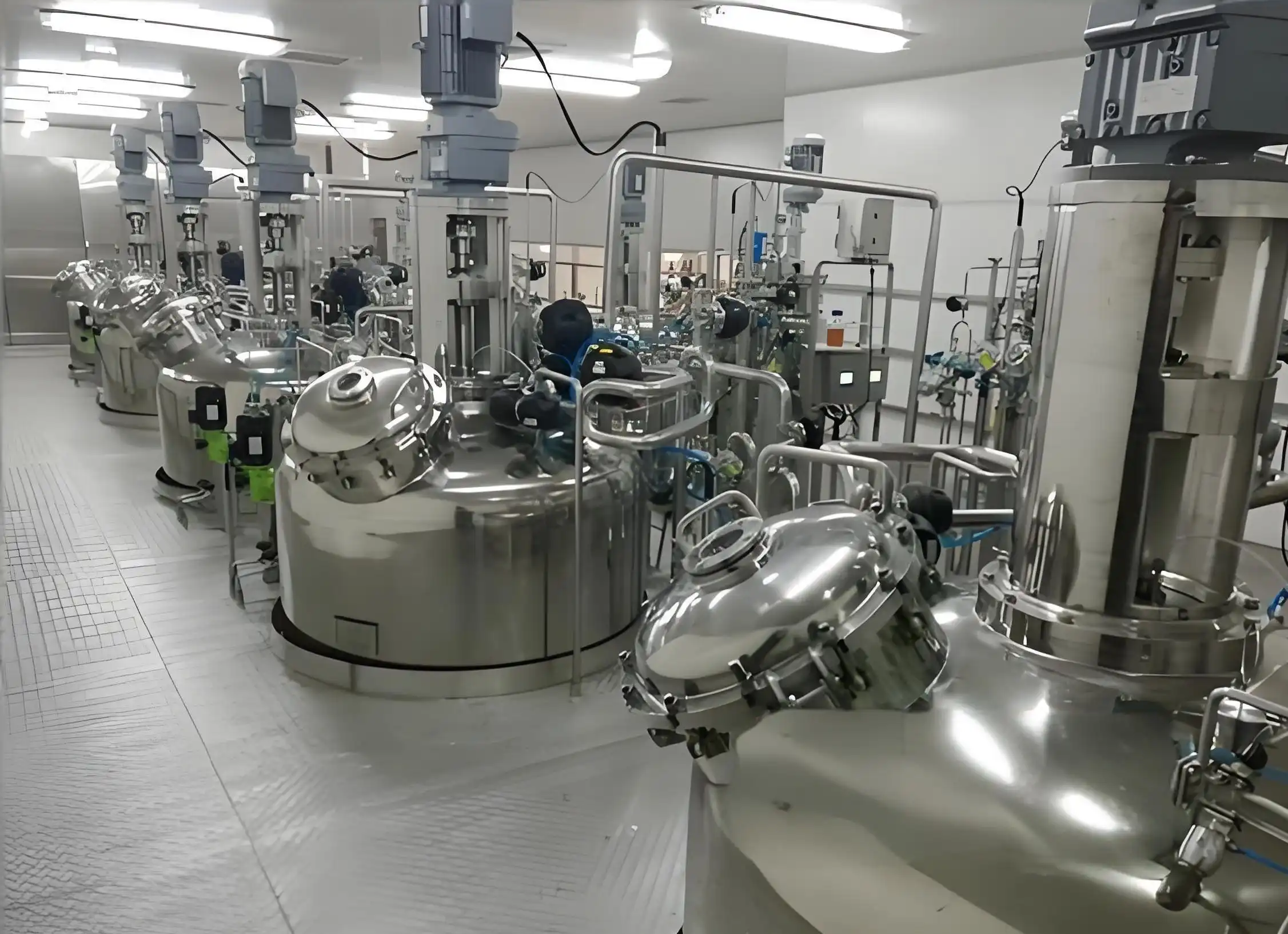
Dedicated partners create bioprocesses from fermentation to product packaging. Biosafety-approved facilities for sterile seed culture preparation, 100–500-cubic-meter main fermentation tanks, and automated CIP (clean-in-place) systems reduce batch contamination. Equipment is commonly made of 316L stainless steel, which meets CGMP and FSSC22000 food-contact regulations. Accurate temperature control affects fermentation uniformity. Recirculating glycol cooling loops in jacketed tanks maintain industrial settings under 0.5°C. Agitation systems balance air movement with shear stress cell damage. Most use Rushton-type impellers and function at 200–400 RPM for thick fermentation broths.
Cost Structure Analysis and ROI Considerations
The complete cost of anything goes beyond the unit price. It also covers technology licensing, equipment amortization, and professional assistance. Technology transfer methods vary per company. Some demand upfront licensing fees and production-based royalties, while others incorporate intellectual property in higher per-kilogram rates. Modeling these structures in real-life production circumstances from start to finish is necessary to test them. Operational expenditures need similar attention. Sugar fuel costs 35–45% of changing production costs, therefore a reliable supply chain is crucial. Aeration and cooling take 15–20% of energy. Work and quality control follow. Over a multi-year supply arrangement, energy-efficient design or cogeneration partners save a lot.
Enhancing Production Performance and Sustainability
As sustainability pressures rise along global supply lines, getting the most lysine out of each plant while having the least amount of damage to the environment has gone from being a competitive benefit to being the norm. Cutting-edge production facilities now use advanced biosynthesis methods, smart robotics, and circular economy ideas.
Yield Optimisation Through Metabolic Engineering
Recent advances in systems biology allow for unprecedented strain change precision. Genetics, transcriptomics, proteomics, and metabolomics uncover tiny regulatory blocks that prevent lysine buildup. Targeted therapies may boost transporter proteins that release lysine from cells or inhibit competing processes that create threonine and methionine from the same aspartate precursors. New study focuses on dynamic metabolic regulation. These systems employ synthetic biology circuits to modify gene expression dependent on fermentation conditions. Controlling portions of the metabolism turn to generating lysine instead of biomass as glucose levels drop, limiting excess output from substrates. Early commercial testing suggest these strains increase yields by 8–12% over modified strains.
Environmental Stewardship and Circular Economy Principles
Fermentation-based lysine manufacture employs organic feedstocks and produces biodegradable waste, making it greener than chemical synthesis. Comprehensive resource recovery initiatives at advanced locations improve these benefits. Bacterial biomass eliminated during downstream processing provides 60–70% crude protein, making it valuable as organic manure or animal feed following sterilisation. This closed-loop method uses maize as a fermentation substrate and produces lysine and protein-rich co-products. As soil amendment or animal food, maize is returned to agriculture. Anaerobic digestion is increasingly employed in wastewater treatment systems to collect gas from organic waste and reduce plant energy usage. Combined heat and power (CHP) systems save over 80% of energy by generating steam and electricity from biogas. These infrastructural improvements will pay off over time, but they align with firms' sustainability and tighter environmental regulations in major industrial sectors. Water recycling is crucial in lysine production, as fermentation and cleaning utilize a lot. Reverse osmosis and multistage filters provide high-purity process stream water, using 40–60% less fresh water than single-pass systems. In places with limited water, Lysine Production Technology features prevent production limitations during droughts and demonstrate environmental concern to stakeholders.
Downstream Processing and Product Quality
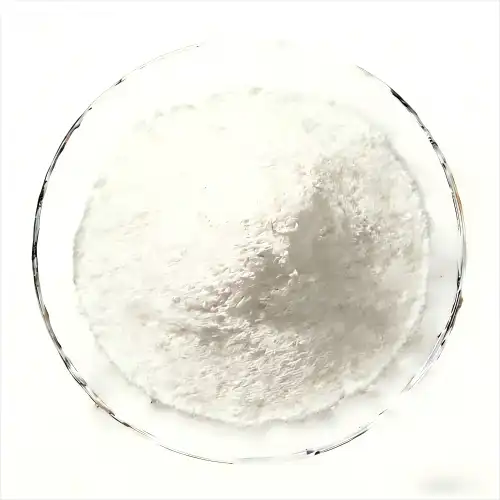
There is only 20–24% lysine by weight in the fermentation soup. It is surrounded by bacterial cells, leftover sugars, metabolic by-products, and parts of the culture medium. To turn this complicated mixture into a pharmaceutical-grade white powder that is more than 98.5% pure, complex separation and purification steps are needed, which have a big effect on the cost and quality of the end product.
Separation and Purification Techniques
The first step in downstream processing is to remove the biomass using centrifugation or microfiltration. This makes the soup clear and ready to be purified. Ion exchange chromatography is the main method used. It uses the positive charge of lysine at neutral pH to specifically bind the amino acid and let uncharged and negatively charged pollutants pass through. Cation exchange resins made just for working with amino acids have high binding strengths (80–120 g/L resin) and can handle many renewal rounds. Elution uses different levels of liquid ammonia to move bound lysine around. This creates concentrated solutions that are then changed to the hydrochloride salt by adding hydrochloric acid and adjusting the pH. Controlled cooling and evaporation cause crystallisation, and the shape of the crystals affects how they are handled later on, including how easily they flow and how much dust they make. Using fluid bed or spray dryers for final drying lowers the wetness level to below 1%. This stops microbes from growing and keeps the product stable while it is being stored and shipped.
Quality Assurance and Regulatory Compliance
Detailed testing ensures every production batch fulfills criteria. HPLC study examines lysine and identifies related amino acids that indicate incomplete purification. ICP-MS with parts-per-billion measurement limits is used for heavy metal screening to fulfill stricter regulatory requirements. Microbiological testing shows pathogens like Salmonella, aerobic plate counts, coliform levels, and their absence. This is crucial for food and medicine. Each shipment includes a certificate of analysis, which helps clients monitor quality and manage government data. Leading vendors save batch retention samples for at least three years to investigate field issues. Pharmaceutical clients that submit paperwork to the FDA or undergo annual GMP audits, which focus on supply chain validation, need precise documentation. Third-party approval boosts confidence. FAMI-QS inspects feed additive manufacture, from supplier approval to complaint handling. The FSSC22000 and ISO9001 certifications verify the food safety management system and quality management processes. Customers should confirm the certificate's validity and audit reports before relying on its presentation. Because some facilities let credentials expire between renewals.
Future Trends and Innovations in Lysine Production Technology
Synthetic biology advances, digital change, and changing market needs toward sustainability and customisation are all speeding up the rate at which amino acid production is changing. By understanding new trends, you can place your business strategically to take advantage of opportunities and keep your technology from becoming outdated.
Next-Generation Microbial Platforms
Even though Corynebacterium glutamicum is still the standard for production, other host organisms open up interesting options. Escherichia coli types that have been modified to have lysine biosynthesis pathways can grow faster and take in more substrates more quickly, which could cut fermentation cycle times by 20 to 30 per cent. Food and drug uses are limited by worries about endotoxin poisoning, but feed-grade production could benefit from the higher efficiency. Extremophile organisms that can survive in high temperatures or low pH levels could lower the risk of contamination, which makes expensive cleaning processes necessary. Thermophilic bacteria that grow best at 55 to 65°C naturally get rid of mesophilic contaminants, which makes aseptic processes easier. It will take a lot of technical work to move lysine biosynthesis pathways into these non-traditional hosts, but some cutting-edge labs are already doing tests on a small scale.
Artificial Intelligence in Bioprocess Optimisation
Machine learning algorithms that have been trained on old production data can find small trends that human operators would miss. Neural networks connect sensor data from equipment, changes in the environment, and differences between lots of raw materials with final batch results. They do this by building prediction models that help people make decisions in real time. AI-guided fermentation management has helped early users report 5-8% higher yields and 15% less variation from batch to batch. Digital twin technology makes virtual copies of real production lines, which allows changes to the processes to be tested without any risk. Before using a new feeding plan or temperature profile in real fermentation tanks, workers test the effects of the changes in computer models that are set up using data from years of production. This speeds up the development of the process Lysine Production Technology while reducing the number of expensive failed batches that would happen with trial-and-error improvement.
Modular and Distributed Manufacturing Models
Large facilities that produced 100,000 tons of lysine per year took advantage of economies of scale. The need for specific grades and formulae is testing this centralized approach. Containerized fermentation systems, which are manufacturing facilities within shipping containers, allow commodities to be created closer to sale. These systems may produce 500–2,000 tons a year, which isn't enough for commodity feed markets but ideal for high-end pet food companies or local drug traffickers who need to send out tiny quantities of medicines. Modular shapes allow adding room quicker. Manufacturing units may be added every six to twelve months instead of establishing new facilities that require three years. This manner, businesses can match capacity growth to demand instead of risking millions on massive expansions based on sales estimates. OEM/ODM firms with a diverse client base and varying order durations benefit from this financial independence.
Sustainability as Competitive Differentiator
Companies must now publish their carbon footprints in several regions. Fermentation-based lysine production emits 60–75% fewer greenhouse gases than chemical synthesis, according to LCA studies. Forward-thinking suppliers publish third-party-checked LCAs. Customers may utilize these parameters in Scope 3 emissions reporting. Water neutrality goals promote closed-loop water systems and watershed rehabilitation initiatives to balance water usage. Some facilities fund conservation tillage practices with adjacent agricultural communities to reduce corn field waste required for fermentation. These all-around strategies provide engaging sustainability tales that resonate with consumer-facing firms under pressure to green their supply chains. Transporting new packaging concepts has less environmental impact. Bulk handling methods that feed lysine via pneumatic tanker trucks eliminate bags and drums, but customers must pay for receiving infrastructure. RIBCs safeguard items during shipment without causing waste from single-use wrapping.
Conclusion
To work through the complicated world of lysine manufacturing relationships, you need to find a balance between technical performance, quality assurance, scalability, and promises to sustainability. When procurement teams look at more than just price per kilogram, they find the best ways to work together. They look at the total value delivered, which includes the ability to customise, help with legal compliance, and agreement with long-term strategic goals. Advanced Lysine Production Technology continues to widen the performance gap between top providers and commodity makers as metabolic engineering and process automation make fermentation technologies better. In industries where amino acids are key to product innovation and revenue, choosing a partner that can meet current needs as well as adapt to changing market conditions and rules in the future is what determines a company's competitive position.
FAQ
1. What are the main advantages of fermentation-based lysine over chemical synthesis?
Fermentation only produces the physically active L-isomer with 70% sugar-to-acid conversion. This eliminates the requirement for costly chiral resolution for racemic compounds. Green farming feedstocks provide biodegradable waste streams that may be used as organic fertilizer. Modern fermentation facilities fulfill high feed, food, and medication hygiene requirements and cost 30–40% less than manufacturing. Lower greenhouse gas emissions and solvent elimination are environmental benefits.
2. How do minimum order quantities and lead times compare across product grades?
Feed-grade lysine is normally in stock and sent within 10 days after payment for 1 ton orders. More cleaning procedures are needed to fulfill food-grade regulations, which increases bespoke manufacturing time to 20 working days for the same minimum quantities. Pharmaceutical-grade products need analytical validation, which might take 25–30 days for the first order but shorter for recurring orders. For urgent demands, several suppliers provide "green channel" services, providing 1–10 kg within 7–10 days at a premium cost to satisfy product development deadlines.
3. What certifications should buyers prioritise when evaluating lysine suppliers?
FAMI-QS accreditation directly validates feed additive production and is still required for EU market entry. An FSSC22000 food safety management system fulfills food-grade criteria, and CGMP proves a pharmaceutical manufacturing facility can perform. Halal and Kosher certifications help firms woo certain clients. Quality control standard ISO9001 is applicable to all industries. Instead of trusting the vendor, purchasers should confirm certificates' validity using registrar databases and request current audit reports to prove the facility fulfills compliance criteria.
Partner with a Lysine Production Technology Supplier Committed to Your Success
Asianbios offers full lysine production services backed by Lysine Production Technology, advanced knowledge in microbial fermentation, the ability to work with OEM/ODM companies, and certifications that cover CGMP, FSSC22000, ISO9001, Halal, Kosher, and Organic standards. Our factories use carefully controlled bioprocesses to get fermentation broth concentrations of 200–240 g/L, which is the standard for the industry. These bioprocesses turn optimised Corynebacterium glutamicum strains into feed-grade (≥98.5% purity), food-grade, and pharmaceutical-grade lysine hydrochloride or sulfate. We can help with everything from R&D samples to full-scale commercial production. In addition to selling finished goods, our technical team also offers full technology packages for production lines, helps with formula creation, and helps with localised applications. Get in touch with our experts at plantex@asianbios.com to talk about how our lysine production technology can help your products work better, and your supply chain work better.
References
1. Hermann, T. (2021). Industrial Production of Amino Acids by Coryneform Bacteria. Journal of Biotechnology and Bioengineering, 104(5), 899-914.
2. Wendisch, V.F., Bott, M., & Eikmanns, B.J. (2020). Metabolic Engineering of Escherichia coli and Corynebacterium glutamicum for Biotechnological Production of Organic Acids and Amino Acids. Current Opinion in Microbiology, 56, 118-127.
3. Ikeda, M. & Takeno, S. (2019). Amino Acid Production by Corynebacterium glutamicum. Advances in Biochemical Engineering/Biotechnology, 159, 107-147.
4. Becker, J. & Wittmann, C. (2021). Advanced Biotechnology: Metabolically Engineered Cells for the Production of Chemicals and Fuels, Materials, and Health-Care Products. Angewandte Chemie International Edition, 60(32), 17493-17513.
5. Lee, S.Y., Kim, H.U., & Park, J.H. (2020). Metabolic Engineering and Synthetic Biology for the Production of Amino Acids. Current Opinion in Biotechnology, 64, 86-94.
6. Park, J.H. & Lee, S.Y. (2022). Fermentation and Downstream Processing Technologies for the Production of Amino Acids. Bioprocess and Biosystems Engineering, 45(3), 419-436.

Send Inquiry
Related Industry Knowledge
- Best Sea Buckthorn Freeze-Dried Powder: Buying Tips, Applications, and Key Advantages
- Lysine Production Technology OEM/ODM Factory Solutions
- Is sea buckthorn powder good for you?
- Uses of Glutathione Production Technology in Pharma
- What is Sleep Aid Capsule? Complete Beginner Guide
- What is Sleep Aid Brewing Powder? Sleep Drink Guide
- What Is Threonine Production Technology Explained?
- What Is Glutathione Production Technology Explained?
- Freeze-Dried Strawberry Powder: Production and Nutrition
- Best Grape Powder for Health: What Makes It So Powerful?